Pulmonary Fibrosis: Early Signs, Risk Factors, and How It Is Treated

Pulmonary fibrosis causes permanent scarring in the lungs and often leads to progressive shortness of breath and a dry cough. Some cases have a known cause, such as occupational dust exposure, autoimmune disease, certain medicines, or radiation; others are idiopathic.
Key Takeaways
- Pulmonary fibrosis causes permanent scarring in the lungs and often leads to progressive shortness of breath and a dry cough.
- Some cases have a known cause, such as occupational dust exposure, autoimmune disease, certain medicines, or radiation; others are idiopathic.
- Diagnosis usually combines history, breathing tests, imaging, blood tests, and sometimes bronchoscopy or lung biopsy.
- Treatment may include antifibrotic medicines, oxygen therapy, pulmonary rehabilitation, symptom support, and in selected cases lung transplantation.
- Stopping smoking, staying active within limits, and preventing infections can support lung health and quality of life.
Pulmonary fibrosis is a condition in which scar tissue builds up in the lungs, making it harder for oxygen to move into the blood. Early evaluation can help identify the cause, ease symptoms, and guide treatment that may slow progression in some people.
Overview: what pulmonary fibrosis means
Pulmonary fibrosis is a form of lung scarring. The scar tissue makes the lungs stiffer than normal, so they cannot expand and transfer oxygen as efficiently. This can lead to breathlessness, a dry cough, lower exercise tolerance, and fatigue. Although the scarring itself is usually permanent, early diagnosis and treatment can help manage symptoms, identify underlying causes, and in some cases slow the disease.
Rather than being a single disease with one cause, pulmonary fibrosis is a pattern of damage that can happen for several reasons. It may develop after long-term exposure to dusts or fumes, alongside autoimmune disease, after certain medications or radiation, or without a clear explanation. When no cause is found, it may be called idiopathic pulmonary fibrosis.
The condition belongs to a broader group called interstitial lung disease, which affects the tissue around the air sacs in the lungs. Not every interstitial lung disease leads to fibrosis, and not every person with fibrosis follows the same course. This is why specialist evaluation is important: treatment depends not only on the amount of scarring, but also on the reason it developed and how quickly it is changing.
Early signs and common symptoms
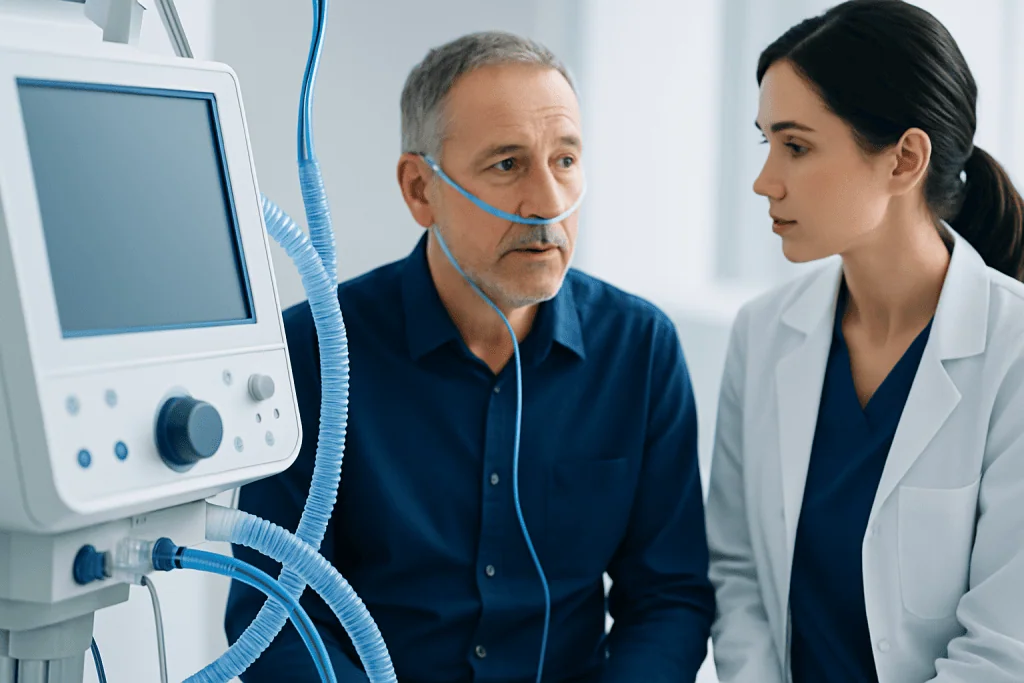
The earliest signs of pulmonary fibrosis can be subtle. Many people first notice becoming short of breath while walking uphill, climbing stairs, or keeping up with daily activities that used to feel easy. A dry, persistent cough is also common. Because these symptoms can overlap with asthma, chronic obstructive pulmonary disease, heart conditions, or deconditioning, the diagnosis is not always obvious at first.
As the condition progresses, symptoms may become more noticeable during routine tasks. People may feel tired more easily, need to pause for breath, or find that exercise is less comfortable. Some also report chest tightness, unintentional weight loss, sleep disturbance, or aching in the muscles from working harder to breathe.
Doctors may also look for physical signs during an examination. These can include low oxygen levels, fine crackling sounds in the lungs when listening with a stethoscope, or clubbing of the fingertips in some cases. Symptoms vary from person to person, so a normal-looking chest X-ray or mild symptoms should not automatically rule out further assessment if breathlessness persists.
Causes and risk factors

Pulmonary fibrosis can happen when the lungs are repeatedly injured or inflamed and then heal abnormally with scarring. However, the cause is not always found. Understanding likely triggers matters because some forms are treated differently, and avoiding the trigger may help prevent further damage.
Known causes and associated conditions include:
- Long-term exposure to workplace or environmental irritants such as silica dust, coal dust, metal dust, mold, grain dust, or bird proteins
- Autoimmune and connective tissue diseases such as rheumatoid arthritis, systemic sclerosis, or inflammatory muscle disease
- Certain medications, including some chemotherapy drugs, heart rhythm medicines, and other less commonly used agents
- Radiation therapy to the chest
- Previous lung injury or chronic inflammatory lung disease
Risk factors can increase the chance of developing pulmonary fibrosis even when a clear cause is not identified. These include older age, smoking history, family history of interstitial lung disease, and certain occupational exposures over many years. Some people are evaluated for inherited or familial forms if several relatives have had lung scarring. A specialist may also consider whether the picture fits a wider interstitial lung disease pattern rather than pulmonary fibrosis alone.
How doctors diagnose pulmonary fibrosis
Diagnosis usually starts with a detailed medical history and physical examination. A doctor will ask about symptoms, smoking, medications, workplace exposures, home environment, pets, mold, and any personal or family history of autoimmune disease. This discussion is important because identifying a cause can change the treatment plan.
Tests often include breathing tests that measure lung volume and how well oxygen passes into the blood, along with pulse oximetry or exercise-based oxygen checks. Imaging is central to diagnosis, especially a high-resolution CT scan, which can show typical patterns of scarring more clearly than a standard chest X-ray. In many people, lung function tests and CT imaging provide key information about severity and disease pattern.
Blood tests may be used to look for autoimmune conditions or other clues. In some cases, doctors recommend bronchoscopy, where a thin flexible tube is used to view the airways and collect samples, or less commonly a lung biopsy if the diagnosis remains uncertain. Many centers discuss complex cases in a multidisciplinary team including pulmonologists, radiologists, and pathologists, because combining these expert perspectives often gives the clearest diagnosis.
Treatment options and long-term management
Treatment depends on the type of pulmonary fibrosis, how advanced it is, and whether there is an identifiable cause. If exposure-related disease is suspected, reducing or eliminating the trigger is a priority. If an autoimmune condition is involved, treatment may focus on controlling that disease. For some people, antifibrotic medicines may be appropriate to help slow the decline in lung function, particularly in idiopathic pulmonary fibrosis and selected progressive fibrosing interstitial lung diseases.
Supportive care is equally important. Oxygen therapy can improve comfort and activity tolerance when oxygen levels are low. Oxygen therapy may be prescribed for use during exercise, sleep, or throughout the day depending on need. Pulmonary rehabilitation combines supervised exercise, breathing strategies, education, and energy-conservation techniques to help people stay active and function better in daily life.
Other parts of treatment may include vaccines, treatment of acid reflux when relevant, management of cough, and support for anxiety, sleep problems, or nutrition. In advanced disease, some people may be referred for transplant assessment. Throughout treatment, regular follow-up helps doctors monitor symptoms, oxygen needs, imaging changes, and breathing tests so care can be adjusted over time.
Prevention, self-care, and living well with the condition
Not all cases of pulmonary fibrosis can be prevented, but practical steps can lower risk or help protect lung function. Avoiding smoking is one of the most important. People who work around dust, fibers, chemicals, or fumes should use appropriate protective equipment and follow workplace safety guidance. If birds, mold, or other inhaled triggers are suspected, an environmental review may be advised.
Everyday self-care can make a meaningful difference in quality of life. Staying physically active within personal limits helps preserve strength and endurance. A balanced diet, good sleep habits, hydration, and pacing activities through the day may reduce fatigue. Vaccination against influenza and pneumococcal disease is often recommended, and hand hygiene can help reduce respiratory infections that may worsen symptoms.
People living with pulmonary fibrosis often benefit from planning ahead. Keeping follow-up appointments, tracking symptoms, and noting any changes in exercise tolerance can help the care team respond early. Some international patients seek coordinated care from experienced respiratory specialists; near the end of the care pathway, Acibadem International’s multidisciplinary teams in JCI-accredited hospitals evaluate and treat pulmonary fibrosis with individualized planning for diagnosis, medical therapy, rehabilitation, and follow-up.
When to seek medical care
Medical evaluation is important if a person has unexplained shortness of breath, a dry cough lasting for weeks, or decreasing ability to exercise without a clear reason. Even mild symptoms deserve attention when they are new, persistent, or gradually worsening. Early assessment can help rule out other causes and identify treatable forms of lung disease.
Prompt medical care is especially important if breathing becomes suddenly worse, oxygen levels drop, chest pain develops, lips or fingertips look bluish, or everyday tasks become difficult because of breathlessness. People with known pulmonary fibrosis should also contact their doctor if they develop fever, signs of infection, swelling in the legs, or a noticeable change in cough or stamina.
Anyone already diagnosed with pulmonary fibrosis may benefit from specialist respiratory follow-up, especially if there is uncertainty about the type of scarring or whether the disease is progressing. Depending on the situation, a pulmonologist may coordinate further testing such as bronchoscopy, imaging review, rehabilitation, or transplant referral. Seeking care early often gives the widest range of options for symptom control and long-term planning.
Frequently asked questions
Is pulmonary fibrosis the same as idiopathic pulmonary fibrosis?
No. Pulmonary fibrosis describes lung scarring in general, while idiopathic pulmonary fibrosis is a specific type in which no clear cause is found. Other cases may be linked to exposures, autoimmune disease, medications, or radiation.
Can pulmonary fibrosis be cured?
The scar tissue already formed in the lungs is usually permanent. Treatment focuses on slowing progression in some patients, easing symptoms, improving daily function, and managing complications. The outlook varies depending on the cause and how the disease behaves over time.
What are the first symptoms of pulmonary fibrosis?
The earliest symptoms are often shortness of breath with activity and a dry, persistent cough. Some people also notice fatigue or reduced exercise tolerance before symptoms become more obvious. Because these signs can be mistaken for other conditions, medical review is helpful if they persist.
Does everyone with pulmonary fibrosis need oxygen?
No. Oxygen is usually recommended when blood oxygen levels are low at rest, during activity, or during sleep. Some people need it only at certain times, while others may not need it initially but may require monitoring over time.
How is pulmonary fibrosis confirmed?
Doctors usually combine a medical history, physical exam, breathing tests, and high-resolution CT imaging. Blood tests may help identify autoimmune causes, and some people need bronchoscopy or biopsy if the diagnosis remains unclear. A multidisciplinary review can be especially useful in complex cases.
Can lifestyle changes help if someone has pulmonary fibrosis?
Yes. Avoiding smoking, staying active within safe limits, keeping up with vaccinations, and reducing exposure to dusts or irritants can support lung health. Pulmonary rehabilitation and regular follow-up can also help people manage symptoms and maintain independence.
References
- American Thoracic Society
- National Heart, Lung, and Blood Institute
- National Institute for Health and Care Excellence
- European Respiratory Society
- Mayo Clinic
This article is for general information only and is not a substitute for professional medical advice. Please consult a qualified doctor about your individual situation.
Explore treatments in Turkey — costs, top hospitals & a free quote
JCI-accredited · board-certified surgeons · reply within 24h
Add us as a Preferred Source to see more of our trusted health content across Google Search, AI Overviews and Discover.

More from the Health Library



Related Specialists

Dr. Kadir Yavaşoğlu
Orthopedic Surgery & Traumatology
Assoc. Prof. Dr. Serhat Doğan
General Surgery
Assoc. Prof. Dr. Aylin Altan Kuş
Gastrointestinal Oncology Unit Clinical Service
Dr. Ali Kıvanç
Anesthesiology