Pulsatile Tinnitus: What Patients Need to Know

Pulsatile tinnitus is different from typical ringing tinnitus because it has a pulse-like rhythm. It may be caused by vascular, ear-related, metabolic, or rarely more serious underlying conditions.
Key Takeaways
- Pulsatile tinnitus is different from typical ringing tinnitus because it has a pulse-like rhythm.
- It may be caused by vascular, ear-related, metabolic, or rarely more serious underlying conditions.
- Medical assessment often includes an ear exam, hearing tests, and sometimes imaging studies.
- Treatment focuses on the underlying cause rather than the sound alone.
- Prompt medical attention is important if symptoms start suddenly, are one-sided, or occur with neurological symptoms.
Pulsatile tinnitus is a rhythmic sound, often described as a whooshing or thumping in the ear, that usually follows the heartbeat. Unlike more common tinnitus, it can sometimes be linked to blood flow changes or other treatable medical conditions, so evaluation is important.
What pulsatile tinnitus means
Pulsatile tinnitus is the sensation of hearing a rhythmic noise inside one or both ears, usually in time with the heartbeat. People often describe it as a whooshing, thumping, humming, or rushing sound. In many cases, the sound is not coming from the environment but is related to blood flow near the ear or changes in how the ear and brain process sound.
This symptom is different from the more familiar form of tinnitus, which is often described as ringing, buzzing, or hissing without a clear rhythm. Because pulsatile tinnitus can sometimes reflect a specific physical cause, it deserves a more focused medical evaluation than routine non-pulsatile tinnitus.
Many causes are manageable, and some are temporary. However, the symptom should not be ignored, especially if it is new, persistent, or affects only one side. Identifying the reason behind the sound is the key step toward appropriate treatment and reassurance.
What it can sound and feel like
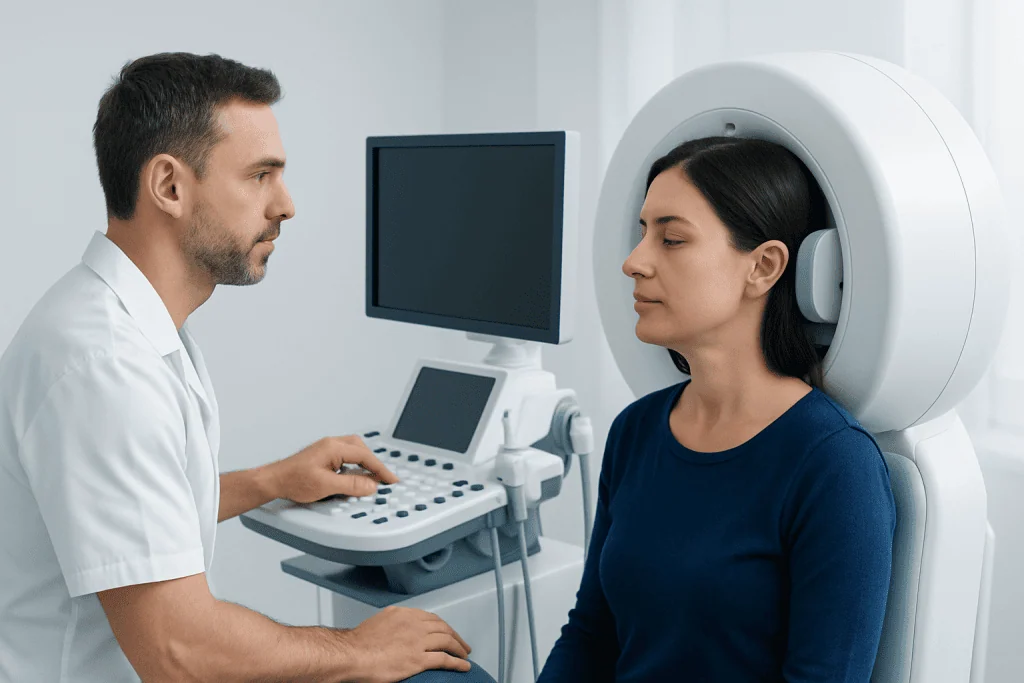
People with pulsatile tinnitus may hear a steady beat that seems synchronized with their pulse. The sound may be constant or intermittent, and it may become more noticeable at night, during exercise, or when lying down in a quiet room. Some people notice that turning the head or pressing gently on the neck changes the intensity of the sound.
The symptom can affect one ear or both ears. It may occur on its own or together with other symptoms such as hearing loss, ear fullness, dizziness, headache, or trouble concentrating. Even when it is not painful, it can be tiring and disruptive to sleep and daily life.
Because the experience varies from person to person, a clear description helps the doctor assess possible causes. Useful details include when it started, whether it follows the heartbeat, whether it is one-sided, and whether there are any associated neurological, visual, or ear symptoms.
- Common descriptions include whooshing, throbbing, pulsing, drumming, or rushing
- The sound may be louder in silence or during stress
- Some people notice temporary changes with posture or neck movement
Common causes and risk factors

Pulsatile tinnitus often relates to blood flow near the ear. Blood normally moves silently, but if flow becomes faster, more turbulent, or passes close to sensitive ear structures, the person may hear it. This can happen with high blood pressure, anemia, pregnancy, overactive thyroid, or increased blood flow for other reasons. Narrowing or twisting of blood vessels, vascular loops, and other blood vessel variations may also contribute.
Ear-related causes are also possible. Fluid in the middle ear, infection, inflammation, eustachian tube dysfunction, or changes affecting the small structures of the ear can alter how internal sounds are transmitted. In some cases, pulsatile tinnitus appears alongside hearing changes and may require specialist ENT and audiology assessment. Conditions involving the ear and hearing pathways can overlap with tinnitus more broadly, but the pulsatile pattern makes the evaluation more specific.
Less commonly, pulsatile tinnitus can be linked to disorders involving pressure around the brain, certain benign vascular tumors near the ear, abnormalities of veins or arteries, or hardening of the arteries. Risk factors depend on the underlying cause but may include cardiovascular disease, uncontrolled blood pressure, obesity, recent infection, thyroid disease, pregnancy, and a history of head or neck conditions. Although some causes are uncommon, they are important to rule out when symptoms are persistent or one-sided.
How doctors diagnose pulsatile tinnitus
Diagnosis begins with a detailed history and physical examination. The doctor will ask about the timing and character of the sound, whether it matches the heartbeat, and whether there are symptoms such as hearing loss, dizziness, headaches, visual changes, or neurological complaints. A review of medical conditions, medications, blood pressure, and recent illness also helps narrow the possibilities.
The physical examination may include checking the ears, listening around the ear and neck for vascular sounds, and assessing the head, neck, nerves, and blood pressure. Hearing tests are commonly used to look for associated hearing loss or middle ear problems. If the symptom suggests a structural or vascular cause, the next step may be imaging. Depending on the clinical picture, this can include ultrasound, CT, MRI, or vascular imaging to evaluate blood vessels and nearby anatomy. In some situations, MRI scanning or CT scanning helps identify the source of the pulsatile sound.
The goal is not simply to confirm tinnitus but to find out why it is happening. Sometimes the workup is straightforward and reveals a treatable cause such as an ear condition or uncontrolled blood pressure. In other cases, further evaluation by ENT, audiology, neurology, or vascular specialists may be recommended to fully assess the symptom.
Treatment depends on the cause
There is no single treatment for all cases of pulsatile tinnitus because the symptom is a sign rather than a disease itself. Effective care focuses on addressing the underlying cause. For example, treatment may involve managing blood pressure, correcting anemia, treating a thyroid disorder, resolving an ear infection, or addressing middle ear fluid or inflammation. If a vascular issue is found, care may involve monitoring, medication, or a procedure recommended by the relevant specialist.
When ear disease is suspected, a specialist assessment can guide next steps, which may include medical therapy or procedures tailored to the problem. Some patients are referred for ear surgery when a structural ear cause is identified. If there is concern for a vascular abnormality or a condition affecting blood vessels near the brain or ear, doctors may consider advanced imaging and, in selected cases, minimally invasive evaluation such as angiography.
Even when the cause is not dangerous, the symptom can still affect sleep and concentration. Supportive care may include improving sleep habits, reducing background silence with gentle sound enrichment, and managing stress. If the evaluation does not show a serious cause, reassurance itself can be an important part of treatment, but ongoing follow-up may still be advised if symptoms change.
Self-care and day-to-day management
Self-care cannot replace medical evaluation for pulsatile tinnitus, but it can help reduce distress while the cause is being assessed or treated. Simple measures include keeping a record of when the sound is worst, checking whether it changes with activity or posture, and sharing these observations with the doctor. Avoiding complete silence, especially at night, may make the sound less intrusive.
General health measures can also support treatment. These include taking prescribed medication regularly, monitoring and controlling blood pressure, staying hydrated, and following care plans for anemia, thyroid disease, or cardiovascular conditions if present. People should avoid inserting objects into the ear or self-treating with unverified remedies.
If stress or poor sleep is making the symptom harder to cope with, relaxation techniques, regular sleep routines, and discussion with a healthcare professional may help. Patients who also have other ear-related symptoms may benefit from specialist review for related conditions such as vertigo or hearing problems, depending on the broader clinical picture.
When to seek medical care
Pulsatile tinnitus should be assessed by a doctor, especially if it is new, persistent, or affects only one ear. Medical attention is particularly important when it appears suddenly or is accompanied by hearing loss, dizziness, severe headache, visual symptoms, weakness, numbness, trouble speaking, or facial drooping. These features can suggest a condition that needs prompt investigation.
People should also seek care if the sound is becoming more frequent, disrupting sleep, or causing significant anxiety. Even when there are no emergency symptoms, a scheduled evaluation helps identify whether the cause is ear-related, circulatory, metabolic, or neurological. Early assessment may simplify diagnosis and treatment.
At centers with multidisciplinary care, evaluation may involve ENT specialists, audiologists, neurologists, radiologists, and vascular experts working together. Acibadem International’s multidisciplinary specialists in JCI-accredited hospitals diagnose and treat pulsatile tinnitus and related conditions for international patients when specialist assessment is needed.
Frequently asked questions
Is pulsatile tinnitus serious?
Pulsatile tinnitus is not always serious, but it should be evaluated because it can sometimes reflect an underlying medical condition. Many causes are treatable, including blood pressure problems, anemia, and ear conditions. The goal is to identify the reason for the sound rather than assume it is harmless.
What is the difference between tinnitus and pulsatile tinnitus?
Typical tinnitus is often a ringing, buzzing, or hissing sound that does not follow a rhythm. Pulsatile tinnitus has a rhythmic quality and often matches the heartbeat. That pattern makes doctors more likely to look for blood flow, ear, or pressure-related causes.
Can high blood pressure cause pulsatile tinnitus?
Yes, high blood pressure can contribute to pulsatile tinnitus in some people. Increased pressure in the blood vessels may make blood flow more noticeable near the ear. Proper blood pressure management is one of the important steps in treatment when this is a contributing factor.
Will pulsatile tinnitus go away on its own?
It can improve if the underlying cause is temporary, such as a short-term ear problem or a reversible medical condition. However, because some causes require specific treatment, patients should not rely on it going away without assessment. A doctor can help determine whether watchful waiting is reasonable or whether further testing is needed.
What tests are used for pulsatile tinnitus?
Doctors often begin with an ear examination, blood pressure check, and hearing tests. Depending on symptoms and exam findings, imaging such as CT, MRI, or vascular studies may be recommended. The exact tests depend on whether the suspected cause is in the ear, blood vessels, or nearby structures.
Should one-sided pulsatile tinnitus be checked urgently?
One-sided pulsatile tinnitus should be medically assessed, especially if it is new or persistent. Urgency is higher if it comes with sudden hearing loss, neurological symptoms, severe headache, or visual changes. Those features can point to conditions that need prompt care.
References
- National Institute on Deafness and Other Communication Disorders
- American Academy of Otolaryngology–Head and Neck Surgery
- NHS
- Merck Manual Professional Edition
- Mayo Clinic
This article is for general information only and is not a substitute for professional medical advice. Please consult a qualified doctor about your individual situation.
Explore treatments in Turkey — costs, top hospitals & a free quote
JCI-accredited · board-certified surgeons · reply within 24h
Add us as a Preferred Source to see more of our trusted health content across Google Search, AI Overviews and Discover.
Check your numbers in seconds
BMI, calories, due date, blood pressure and 30+ more clinical calculators — free, instant, doctor-reviewed ranges.