Purple Fingers: A Complete Medical Overview
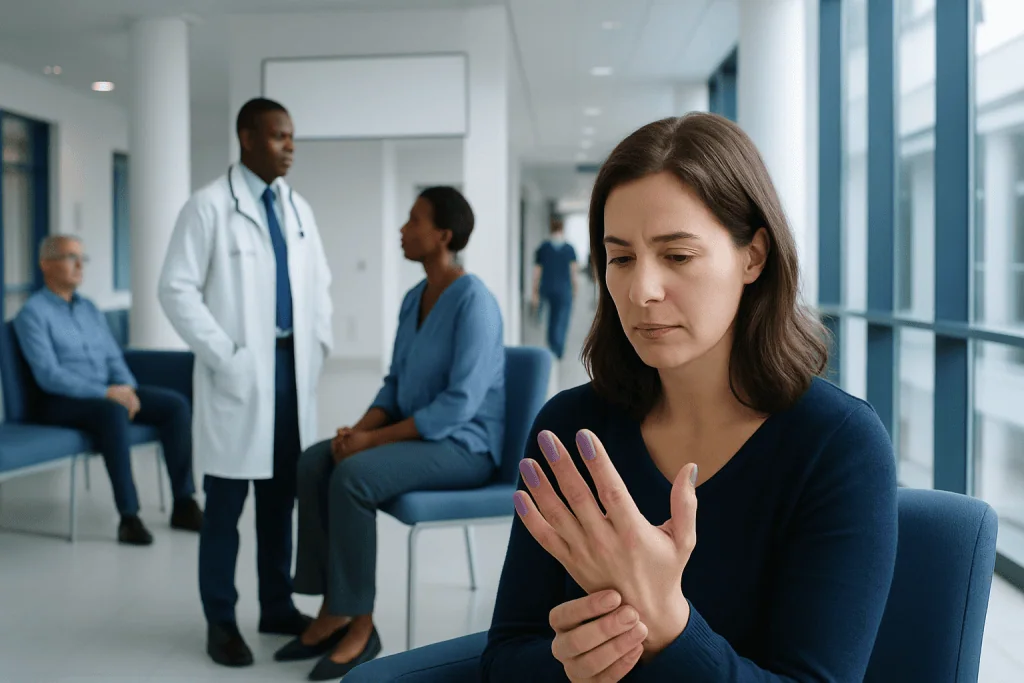
Purple fingers can happen because of cold-induced blood vessel spasm, bruising, injury, circulation problems, or inflammation. Color changes that are sudden, one-sided, painful, numb, or associated with swelling need prompt medical attention.
Key Takeaways
- Purple fingers can happen because of cold-induced blood vessel spasm, bruising, injury, circulation problems, or inflammation.
- Color changes that are sudden, one-sided, painful, numb, or associated with swelling need prompt medical attention.
- Doctors diagnose the cause by combining the history, physical examination, and sometimes blood tests or vascular imaging.
- Treatment depends on the cause and may include warming measures, medication, wound care, or treatment for an underlying vascular or autoimmune condition.
- Avoiding cold exposure, stopping smoking, and managing chronic conditions can help prevent recurrent episodes.
Purple fingers are a sign that blood flow, oxygen levels in the tissues, or skin pigment has changed. In many cases the cause is temporary, such as cold exposure or bruising, but persistent, painful, or sudden purple discoloration should be assessed by a doctor.
What purple fingers can mean
Purple fingers usually indicate that the small blood vessels in the hand are not delivering or draining blood normally, or that blood has collected under the skin after minor trauma. The color change may appear bluish-purple at the fingertips, on one finger, or across several fingers. Some people notice it only in cold weather, while others see it during stress, after pressure on the hand, or alongside swelling or pain.
Not every case is an emergency. Common explanations include being cold, a bruise, or a temporary spasm of the small arteries known as Raynaud’s phenomenon. However, purple discoloration can also reflect reduced circulation, inflammation of blood vessels, blood clotting problems, infection, or skin and connective tissue diseases. The meaning often depends on whether the change is sudden or gradual, symmetrical or one-sided, and whether symptoms such as numbness, pain, or ulcers are present.
Because purple fingers are a visible sign rather than a single disease, the most helpful approach is to look at the whole pattern. A doctor will consider the duration of symptoms, triggers, the appearance of the skin, and any related medical conditions to identify the cause and guide treatment safely.
Common signs and accompanying symptoms
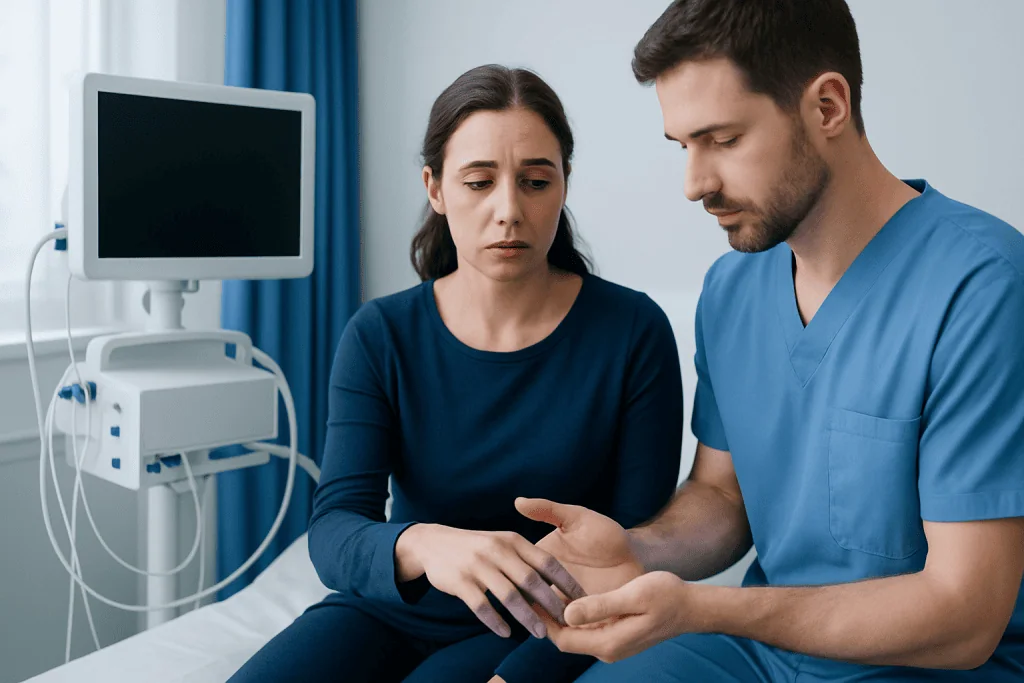
The main symptom is a purple, blue, or dusky color in one or more fingers. In some people, the fingertips first turn white, then blue or purple, and finally red as they warm up again. This sequence is especially suggestive of Raynaud’s phenomenon. Others may simply notice a persistent violet tone, mottled skin, or patchy discoloration.
Additional symptoms help narrow down the cause. A cold-triggered episode may come with tingling or temporary numbness. A bruise tends to be tender and may change color over several days. More concerning features include severe pain, swelling, fingertip sores, skin breakdown, loss of sensation, weakness, or difficulty moving the finger. Fever or redness can suggest infection.
Doctors also look for patterns beyond the hands. Similar color changes in the toes, new joint pain, rashes, chest symptoms, or unusual fatigue may point to an autoimmune, vascular, or blood-related problem. If symptoms recur, keeping track of the timing, triggers, and photos of the color change can be useful during a medical visit.
Why fingers turn purple: causes and risk factors
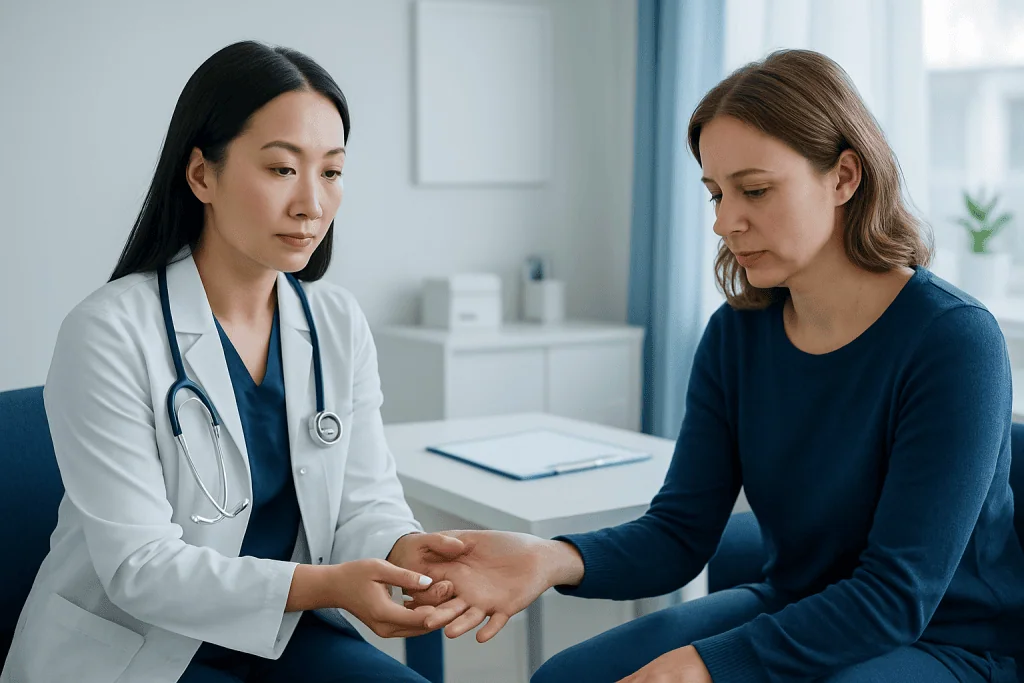
One of the most frequent causes of purple fingers is temporary narrowing of blood vessels in response to cold or emotional stress. This is called Raynaud's phenomenon, and it can occur on its own or alongside autoimmune conditions. Other common causes include bruising after unnoticed injury, pressure on the hand, tight rings, and prolonged exposure to cold weather.
Circulatory problems are another important group of causes. Reduced blood flow from artery narrowing, inflammation in blood vessels, or a clot can make a finger look blue or purple and feel painful or cold. Venous congestion, in which blood has trouble flowing back out of the finger, can also change the color. Rarely, very low oxygen levels, certain blood disorders, or medication side effects may contribute.
Skin and tissue conditions can also be responsible. Chilblains, also called pernio, may cause red-purple swollen patches after exposure to cold, damp conditions. Infections, insect bites, and inflammatory disorders may lead to a similar appearance. Risk factors for recurrent purple fingers include smoking, vibration exposure, autoimmune disease, diabetes, high cholesterol, peripheral vascular disease, and jobs or hobbies involving repeated cold exposure.
- Cold temperatures or sudden temperature changes
- Stress or strong emotional reactions
- Smoking or nicotine exposure
- Autoimmune and connective tissue diseases
- Hand trauma, pressure, or repetitive vibration
- Circulation disorders and some medications
How doctors diagnose the cause
Diagnosis begins with a careful history and examination. A doctor will ask when the discoloration started, whether it affects one hand or both, what triggers it, and whether pain, numbness, swelling, ulcers, fever, or injury are present. They will examine skin temperature, capillary refill, pulses, finger movement, and the exact pattern of color change.
If the cause is not obvious, further tests may be recommended. Blood tests can check for inflammation, clotting problems, autoimmune markers, infection, anemia, or metabolic conditions. In some cases, nailfold capillaroscopy is used to look at the tiny blood vessels near the fingernails, especially when an autoimmune cause is suspected.
When circulation problems are possible, the doctor may arrange vascular testing or imaging. This can include Doppler ultrasound or other studies to assess blood flow and detect narrowing or blockage. If a structural vessel problem is suspected, evaluation by specialists in vascular surgery may be appropriate. The goal is not only to explain the color change, but also to identify any treatable underlying condition before tissue damage occurs.
Treatment options and what helps
Treatment depends entirely on the cause. If purple fingers are related to cold exposure or a mild Raynaud’s episode, gradual warming, gloves, avoiding abrupt temperature shifts, and reducing stress may be enough. Bruising from minor trauma often improves with time, protection of the finger, and gentle self-care.
If an underlying condition is found, treatment focuses on that problem. Doctors may recommend medicines that relax blood vessels, adjust medications that worsen vessel spasm, manage autoimmune inflammation, or treat infection. When circulation is significantly reduced, more specialized care may be needed to restore blood flow and protect the finger. Some people benefit from assessment in cardiology or vascular services when heart and vessel risk factors are contributing to poor circulation.
When nerve symptoms or hand weakness accompany color changes, the evaluation may also include conditions that affect the neck or nerves supplying the hand. In selected cases, treatment pathways related to neurology can help clarify whether numbness or sensory changes are occurring alongside a vascular problem rather than from it. For complex inflammatory or autoimmune causes, referral to the relevant specialist is often part of the treatment plan.
Home remedies should be gentle. Rapid heating with very hot water or heating pads can injure skin that is numb or poorly perfused. It is safer to warm the hands gradually, remove tight jewelry, and seek medical advice if the color does not improve or if pain increases.
Prevention and self-care
Prevention is often possible when episodes are triggered by cold or lifestyle factors. Wearing insulated gloves, keeping the whole body warm, and avoiding direct contact with frozen foods or very cold surfaces can reduce attacks. Stress management may also help people whose symptoms come on during emotional stress.
Smoking cessation is especially important because nicotine narrows blood vessels and can make circulation problems worse. Managing blood pressure, cholesterol, diabetes, and weight supports healthier circulation overall. Regular movement of the hands and fingers, especially during desk work or outdoor activity, may help maintain blood flow.
People who have repeated episodes should review their medicines with a doctor, as some can worsen vessel spasm or circulation. It may also help to monitor symptoms and note whether they occur with cold, exercise, new medications, or skin changes. If purple fingers are linked to a broader circulation problem such as peripheral artery disease, ongoing treatment and risk-factor control are important to prevent progression.
When to seek medical care
Medical attention is important if purple fingers appear suddenly, affect only one finger or one hand, or are accompanied by significant pain, swelling, numbness, weakness, or skin breakdown. The same is true if the finger feels very cold, pulses seem reduced, or the color does not improve after warming. These signs can suggest a more serious circulation problem that should not be ignored.
A doctor should also evaluate recurrent episodes, especially if they begin in adulthood, become more frequent, or occur with joint pain, rashes, fever, shortness of breath, chest pain, or unexplained fatigue. Purple discoloration with redness, warmth, or drainage can indicate infection and may need prompt treatment.
For international patients who need further assessment, Acibadem International’s multidisciplinary specialists in JCI-accredited hospitals diagnose and treat vascular, autoimmune, neurologic, and skin-related causes of purple fingers. Early evaluation is the best way to identify whether the problem is benign and temporary or part of a condition that needs targeted care.
Frequently asked questions
Are purple fingers always a sign of poor circulation?
No. Purple fingers can happen from cold exposure, bruising, or temporary blood vessel spasm as well as from circulation problems. The context matters, including whether the change is brief, painful, one-sided, or recurrent.
Can cold weather alone make fingers turn purple?
Yes. Cold can cause the small blood vessels in the fingers to narrow, leading to a bluish or purple color. In many people this improves with gradual warming, but repeated episodes may suggest Raynaud's phenomenon or another underlying issue.
What is the difference between Raynaud's and a bruise?
Raynaud's usually causes repeated color changes triggered by cold or stress and may affect several fingers in a pattern. A bruise is more often linked to local injury, tenderness, and a color change that slowly fades over days.
Should someone go to the emergency room for purple fingers?
Urgent care is appropriate if the discoloration starts suddenly and is severe, especially with strong pain, numbness, weakness, major swelling, or a very cold finger. Emergency assessment is also important if there is skin breakdown, signs of infection, or concern for a blocked blood vessel.
How are purple fingers treated at home?
Safe self-care includes gradual warming, protecting the hands from cold, removing tight rings, and avoiding smoking or nicotine. It is best not to use very hot water or intense heat on numb fingers, and medical advice is needed if symptoms persist or recur.
Can autoimmune disease cause purple fingers?
Yes. Some autoimmune and connective tissue conditions can affect the small blood vessels and lead to recurrent purple or blue fingers. Doctors may consider this possibility when color changes occur with joint pain, rashes, ulcers, or other systemic symptoms.
This article is for general information only and is not a substitute for professional medical advice. Please consult a qualified doctor about your individual situation.
Explore treatments in Turkey — costs, top hospitals & a free quote
JCI-accredited · board-certified surgeons · reply within 24h
Add us as a Preferred Source to see more of our trusted health content across Google Search, AI Overviews and Discover.
Check your numbers in seconds
BMI, calories, due date, blood pressure and 30+ more clinical calculators — free, instant, doctor-reviewed ranges.

More from the Health Library
Skin Tag on Eyelid — Explained by Medical Evidence, Not Myths

Ingrown Scalp: A Complete Medical Overview

Spiriva — Explained by Medical Evidence, Not Myths

Leukonychia: Symptoms, Causes, and Treatment — Complete Patient Guide
Eczema on Stomach — Explained by Medical Evidence, Not Myths