Puss in Zits: A Complete Medical Overview

Puss in zits most often refers to acne pustules, not always a serious infection. Squeezing or picking can worsen inflammation, increase scarring, and spread bacteria.
Key Takeaways
- Puss in zits most often refers to acne pustules, not always a serious infection.
- Squeezing or picking can worsen inflammation, increase scarring, and spread bacteria.
- Gentle cleansing and evidence-based acne care often help mild cases improve.
- A doctor should assess severe, recurrent, painful, or widespread pus-filled lesions.
- Some look-alike conditions, such as folliculitis or cystic acne, may need different treatment.
Puss in zits usually means a pimple contains pus, a thick fluid made of inflammatory cells, bacteria, and skin debris. In most cases it is part of acne, but persistent, painful, or spreading lesions may need medical assessment to rule out infection or other skin conditions.
What Puss in Zits Usually Means
Puss in zits usually means a pimple contains pus. In medical terms, these lesions are often called pustules. The yellow-white material inside is not simply “dirt”; it is a mixture of inflammatory cells, oil, bacteria, and dead skin cells that collects when a pore becomes blocked and inflamed.
Most pus-filled pimples are part of acne vulgaris, a very common skin condition affecting teenagers and adults. Acne develops when hair follicles become clogged with excess oil and dead skin cells. If the blocked follicle becomes inflamed, the area can swell, redden, and form a visible white or yellow center.
People often worry that pus automatically means a dangerous infection. In many cases, it does not. Acne-related pustules are common and usually manageable with appropriate skin care and treatment. However, if the area is rapidly worsening, very painful, warm, draining heavily, or associated with fever, medical evaluation is important.
How to Recognize a Pus-Filled Pimple
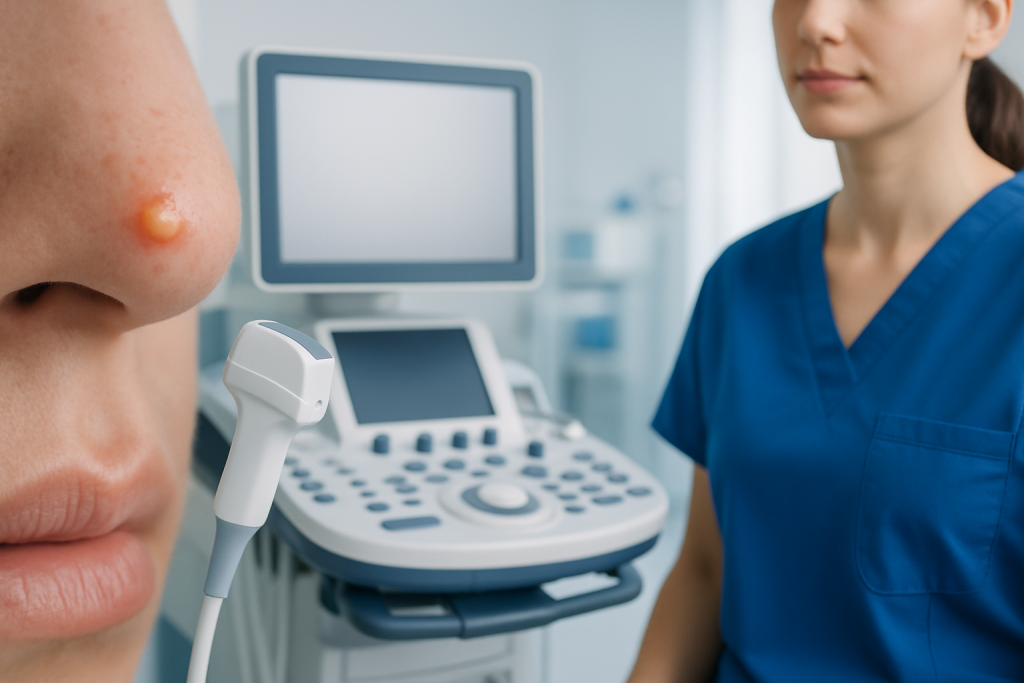
A pus-filled pimple often appears as a small raised bump with a red base and a white, yellow, or cream-colored center. These spots can occur on the face, chest, shoulders, back, or anywhere oil glands are active. They may feel tender or sore, especially if they are deep or inflamed.
Not every bump with a white top is the same. Whiteheads are clogged pores covered by a thin layer of skin, while pustules are inflamed lesions that contain visible pus. Larger, deeper lesions may be nodules or cysts, which can be more painful and carry a higher risk of scarring.
Features that may suggest a more complicated problem include extensive redness around the lesion, clusters of painful bumps, repeated outbreaks in the same area, or lesions in areas of frequent shaving or friction. Some skin problems that resemble acne, such as folliculitis, may require a different diagnosis and care plan.
Why Pus Forms in Zits

Pus forms when the body sends inflammatory cells, especially white blood cells, to an irritated or blocked follicle. This response is part of the immune system’s normal attempt to control bacteria and damaged tissue. The result can be a visible collection of fluid and cellular debris inside the pimple.
Several processes commonly contribute to acne pustules:
- Excess oil production from sebaceous glands
- Build-up of dead skin cells that block pores
- Inflammation inside the follicle
- Overgrowth of skin bacteria associated with acne
- Hormonal changes that increase oil production
Although bacteria play a role, not every pus-filled pimple is a classic skin infection. This distinction matters because the treatment approach for acne may differ from the approach for boils, abscesses, or bacterial folliculitis. It is also why self-treating every pustule with harsh antiseptics is usually not helpful and may irritate the skin further.
Triggers and Risk Factors
Some people are more prone to pus-filled zits because of genetics, skin type, hormones, or daily habits. Oily skin, a family history of acne, puberty, menstrual changes, pregnancy, and some endocrine conditions can all contribute. Stress may also worsen acne in some individuals, even if it is not the only cause.
External factors can make breakouts more likely. These include heavy or pore-clogging cosmetics, sweating under tight clothing or sports gear, frequent friction from helmets or masks, and using skin products that are too harsh. Picking at the skin can transform a small lesion into a more inflamed pustule and increase the chance of marks or scars.
Certain medicines may trigger or worsen acne-like eruptions, and shaving can irritate follicles, especially on the face, neck, chest, or bikini area. In adults with persistent or severe acne, a doctor may also consider whether there are related hormonal issues or more advanced forms of acne that need targeted treatment.
What Helps and What to Avoid
The safest first step is gentle skin care. Washing the affected area twice daily with a mild cleanser can help remove oil and debris without stripping the skin. Non-comedogenic moisturizers and sunscreens are useful because irritated, over-dried skin may become more inflamed rather than less.
For mild acne pustules, over-the-counter options may help when used consistently and as directed. Products commonly used for acne include ingredients that reduce blocked pores, bacteria, or inflammation. Improvement is often gradual, so people should not expect overnight clearing.
What usually makes pus-filled zits worse is squeezing, popping, or scratching them. This can push inflammation deeper into the skin, delay healing, increase discoloration, and raise the risk of scarring. Home remedies such as toothpaste, strong alcohol-based products, or abrasive scrubs can also irritate the skin and are generally best avoided.
If acne is more persistent, a dermatologist may recommend prescription creams, tablets, hormonal treatment, or procedural care. Depending on the severity, treatment may include acne treatment plans tailored to the skin type and lesion pattern. In some cases, clinicians also review whether other options such as chemical peels or supportive laser treatment may have a role in overall acne management or residual marks, though these are not first-line solutions for every active pus-filled zit.
How Doctors Diagnose the Cause
Diagnosis usually begins with a skin examination. A doctor looks at the type of lesions present, where they appear, how long they have been occurring, and whether there are signs of infection, scarring, or another skin disorder. In many cases, no lab test is needed because acne can be diagnosed clinically.
If the presentation is unusual, severe, or resistant to treatment, additional evaluation may be helpful. A clinician may ask about medicines, cosmetics, shaving habits, menstrual history, and symptoms that suggest hormone-related causes. They may also consider conditions that can look similar, including folliculitis, rosacea, contact irritation, or boils.
When lesions are very painful, deep, or associated with significant redness and drainage, a doctor may assess for bacterial infection or abscess formation. Rarely, tests such as a swab or blood work are used if there is concern about a broader infection, recurrent boils, or an underlying medical issue affecting the skin.
When to Seek Medical Care
Many pus-filled zits can be managed at home, but medical care is important in certain situations. A person should consider seeing a doctor if breakouts are frequent, severe, leaving scars, or not improving with reasonable self-care. Persistent adult-onset acne also deserves assessment, especially if it is sudden or associated with other symptoms.
Prompt medical review is especially important if a lesion is very large, rapidly enlarging, intensely painful, warm to the touch, or surrounded by spreading redness. Fever, swollen lymph nodes, drainage with a strong odor, or facial swelling may suggest something more than routine acne and should not be ignored.
Children with significant acne, people with weakened immune systems, and anyone with recurrent boils or skin infections may need earlier assessment. Near the end of the care pathway, some patients may benefit from specialist review in dermatology or related fields. Acibadem International’s multidisciplinary specialists and JCI-accredited hospitals diagnose and treat skin conditions for international patients when expert evaluation is needed.
Prevention and Daily Skin-Care Habits
Preventing pus-filled zits focuses on reducing clogged pores and minimizing irritation. A simple daily routine is often more effective than using many products at once. Gentle cleansing, removing makeup before sleep, and choosing non-comedogenic products can lower the chance of breakouts.
It may also help to shower after heavy sweating, avoid tight gear rubbing against the skin for long periods, and keep hands away from the face. Pillowcases, phone screens, and items that touch the skin regularly should be kept clean, although hygiene alone is not the cause of acne.
Diet is not the sole cause of acne, but some people notice flares with certain foods. Rather than making extreme restrictions, it is reasonable to observe personal triggers and discuss them with a doctor if breakouts are persistent. Consistency matters most: skin usually responds better to steady, gentle care than to aggressive, frequent product changes.
Frequently asked questions
Is puss in zits normal?
Pus in a zit is common and usually means the pimple is inflamed. It often happens with acne pustules and does not always mean a dangerous infection is present. If the lesion is severe, spreading, or very painful, a doctor should assess it.
Should a pus-filled pimple be popped?
In general, no. Popping can push material deeper into the skin, worsen inflammation, and increase the risk of scarring or discoloration. It can also introduce more bacteria from the fingers or nails.
What is the difference between a whitehead and a pimple with pus?
A whitehead is a clogged pore that stays closed at the surface of the skin. A pimple with pus, often called a pustule, is inflamed and contains visible fluid made from inflammatory cells and debris. The treatment overlap is significant, but inflamed lesions need especially gentle handling.
Can pus in zits mean an infection?
Sometimes, but not always. In acne, pus is often part of inflammation within a blocked follicle rather than a serious spreading infection. However, large painful boils, rapidly worsening redness, fever, or swelling may suggest infection and need prompt medical care.
How long does a pus-filled zit usually last?
A small pustule may improve over several days, though the timeline varies by skin type and treatment. Deeper or repeatedly irritated lesions can last longer and may leave marks. Consistent acne care is more effective than repeatedly squeezing or changing products.
When should someone see a dermatologist for pus-filled pimples?
A dermatologist should be considered if breakouts are frequent, scarring, painful, widespread, or not improving with over-the-counter care. Adults with sudden severe acne or anyone with lesions that may not be acne at all also benefit from specialist review. Early treatment can reduce complications such as long-term scarring.
References
- American Academy of Dermatology
- National Institute of Arthritis and Musculoskeletal and Skin Diseases
- Mayo Clinic
- National Health Service
- Cleveland Clinic
This article is for general information only and is not a substitute for professional medical advice. Please consult a qualified doctor about your individual situation.
Explore treatments in Turkey — costs, top hospitals & a free quote
JCI-accredited · board-certified surgeons · reply within 24h
Add us as a Preferred Source to see more of our trusted health content across Google Search, AI Overviews and Discover.

More from the Health Library

White Tongue Indicates: What Patients Need to Know

Phleboliths in the Pelvis: A Complete Medical Overview

Medicinenet Genders: A Complete Medical Overview

Frontal Lobe Dementia: What Patients Need to Know

Khan Salman Khan: A Complete Medical Overview