Radiation External Beam: How It Works, Results and What to Expect
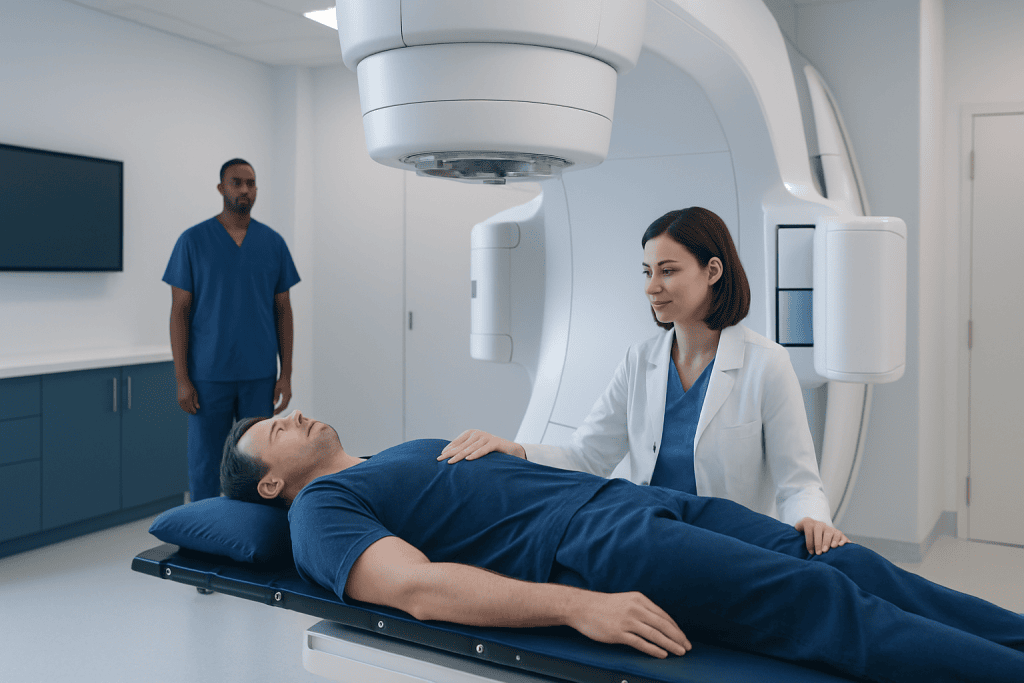
External beam radiation directs high-energy beams at a defined treatment area from outside the body. Planning scans and image guidance help the clinical team target cancer while reducing exposure to nearby healthy tissues.
Key Takeaways
- External beam radiation directs high-energy beams at a defined treatment area from outside the body.
- Planning scans and image guidance help the clinical team target cancer while reducing exposure to nearby healthy tissues.
- Sessions are usually brief, but a full course may range from a few treatments to several weeks depending on the diagnosis and goal of care.
- Side effects vary by the body area treated; fatigue and local skin changes are common and are often manageable with supportive care.
- People do not become radioactive after standard external beam radiation and can generally be around family and friends.
Radiation external beam, also called external beam radiation therapy (EBRT), delivers carefully planned radiation from a machine outside the body to damage cancer cells and limit their ability to grow. Treatment is painless during each session, does not make a person radioactive, and is tailored to the cancer type, location and overall treatment plan.
Overview: what is radiation external beam?
Radiation external beam is a cancer treatment in which a specialized machine sends high-energy radiation, most often X-rays, through the skin to a precisely defined area of the body. The radiation damages the DNA inside cancer cells, making it harder for them to divide and survive. Healthy cells in the treatment area can also be affected, but they are generally better able to repair themselves between sessions.
External beam radiation therapy may be used to cure some cancers, reduce the chance that cancer returns after surgery, shrink a tumor before surgery, or ease symptoms caused by cancer. It can be given on its own or combined with surgery, chemotherapy, hormone therapy, immunotherapy or other treatments. The purpose and schedule are individualized by a radiation oncology team.
It differs from internal radiation therapy, also called brachytherapy, in which radioactive material is placed inside or close to the tumor. With standard external beam treatment, the radiation source remains in the machine and does not stay in the patient’s body after a session.
How external beam radiation works
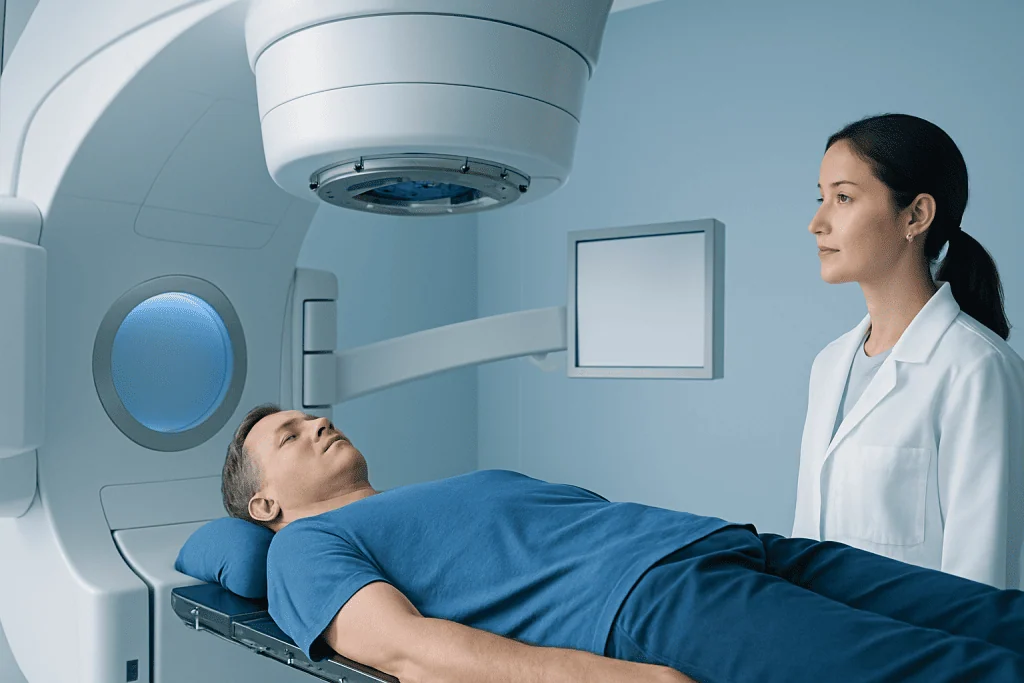
Modern radiation treatment is based on detailed imaging, careful calculations and repeated checks of position. A linear accelerator is a common machine used for treatment. It moves around the treatment table and delivers radiation beams from selected angles, allowing the team to shape the dose around the target while limiting exposure to nearby organs.
Several techniques may be used depending on the cancer and its location. These include three-dimensional conformal radiation therapy, intensity-modulated radiation therapy (IMRT), image-guided radiation therapy (IGRT), stereotactic body radiation therapy (SBRT) and stereotactic radiosurgery. Although the names differ, the shared aim is accurate targeting with a treatment plan designed for the individual.
Radiation does not usually destroy every cancer cell immediately. The effects build over time as damaged cells lose the ability to keep dividing. This is why treatment response may continue for weeks or months after the final session, and follow-up imaging is scheduled at clinically appropriate intervals rather than immediately after treatment.
Who may be a candidate for external beam radiation?

External beam radiation may be considered for many solid tumors, including cancers of the breast, prostate, lung, head and neck, brain, gynecologic organs, digestive tract and skin. It may also be used for certain blood cancers, for cancers that have spread to bone or brain, and for selected noncancerous conditions in specific clinical circumstances.
Whether it is suitable depends on the cancer type, stage, size and location; whether surgery is possible or has already been performed; prior treatments; and a person’s general health and preferences. Previous radiation to the same part of the body is particularly important because normal tissues have limits on how much radiation they can safely receive.
A radiation oncologist reviews pathology results, scans and the recommendations of the wider cancer team. The discussion should include the expected benefit, reasonable alternatives, likely side effects and how radiation fits with other care. For related cancer information, patients may also find it helpful to read about prostate cancer and breast cancer where applicable.
Step by step: what happens during treatment?
Consultation and planning: Treatment begins with a consultation with a radiation oncologist. If radiation is recommended, a planning appointment called simulation is arranged. This commonly includes a CT scan in the treatment position. The team may use supports, cushions or a fitted mask for the head and neck to help maintain the same position at every visit. Small skin marks or tiny tattoo dots may be used as reference points.
Plan development: Radiation oncologists, medical physicists and dosimetrists use the planning images to outline the tumor area and nearby organs. They calculate a dose and beam arrangement that aims to treat the target effectively while protecting normal tissue as much as possible. This process can take several days or longer, especially for complex plans, because it includes quality and safety checks.
Daily sessions: At each appointment, radiation therapists help the person onto the treatment table and confirm positioning, often using imaging. The patient is alone in the room while the machine is on, but the team watches and communicates through cameras and an intercom. The machine does not touch the body, and the radiation itself cannot usually be felt. A treatment visit often lasts around 15 to 30 minutes, while the actual radiation delivery may take only a few minutes.
Ongoing review: The care team monitors symptoms throughout the course and may adjust supportive care or, in some cases, the treatment setup. Patients should report new or worsening symptoms rather than waiting for the next scheduled review.
How long does external beam radiation therapy last?
The length of external beam radiation therapy varies widely. Some people receive a single treatment or a small number of sessions over several days, while others receive treatment on weekdays for several weeks. A conventional course may involve daily fractions over three to eight weeks, but shorter schedules are increasingly used for selected cancers when evidence supports them.
The schedule depends on the cancer type, tumor location, treatment goal, nearby healthy tissues, whether other treatments are being given and the radiation technique. For example, radiation aimed at relieving pain from a bone metastasis may be completed in one or a few sessions, whereas treatment intended to reduce the risk of recurrence after surgery may require a longer course.
“Fractionation” means dividing the total planned radiation dose into separate treatments. This allows healthy cells time to recover between sessions while continuing to damage cancer cells. The radiation oncologist can explain the expected schedule, what appointments are needed and whether any changes are likely during care.
What is the success rate of external beam radiation therapy?
There is no single success rate for external beam radiation therapy. Outcomes depend on the specific cancer, its stage and biological features, whether it has spread, the goal of treatment and whether radiation is combined with surgery or systemic therapies. For some early-stage cancers, radiation can be part of treatment intended to cure the disease; in other situations, its main purpose is to control a tumor or relieve symptoms.
Success is measured differently depending on the situation. It may refer to local tumor control, reduced risk of recurrence, cure, longer survival, or meaningful symptom relief. A radiation oncologist can provide the most relevant estimate by discussing information from the individual diagnosis, pathology report, imaging and overall treatment plan.
Follow-up commonly includes clinical examinations, blood tests or imaging when appropriate. A scan performed soon after radiation may not show the final effect because inflammation and gradual tumor changes can take time to settle. The team will interpret results in context and explain what they mean.
Benefits, risks and recovery after external beam
The potential benefit of radiation external beam is that it can treat a targeted area without an operation. It may preserve an organ, complement surgery or medicines, and improve symptoms such as pain, bleeding, pressure or difficulty swallowing in some settings. Treatment planning and image guidance are designed to reduce unnecessary radiation to normal tissues, but no radiation treatment is entirely free of risk.
Side effects depend mainly on the area treated. Fatigue is common, particularly later in a multiweek course. Skin in the treatment field may become red, dry, itchy or tender. Radiation to the head and neck can affect the mouth and swallowing; treatment to the chest can irritate the swallowing tube or lungs; abdominal or pelvic treatment can cause temporary bowel, bladder or sexual symptoms. The care team provides area-specific advice before treatment begins.
Most early side effects develop gradually during treatment and begin to improve within several weeks after it ends. Some effects can persist or occur months to years later, such as changes in tissue firmness, bowel or bladder function, fertility, hormone function or nerve function, depending on the treated area. Serious late effects are uncommon but should be part of informed decision-making.
What is the recovery like after external beam? Recovery is usually gradual rather than immediate. Many people continue usual activities, work or light exercise during treatment if they feel able, but may need extra rest and practical support. Good hydration, balanced meals, gentle movement and careful skin care using products approved by the radiation team can help; patients should avoid applying creams, supplements or remedies to the treatment area without asking first.
Acibadem International’s multidisciplinary specialists and JCI-accredited hospitals provide assessment and treatment for international patients who may need radiation therapy as part of cancer care.
Can you be around people after external beam radiation?
Yes. After standard external beam radiation, a person is not radioactive and can safely be around family, friends, children and pregnant people. The radiation is delivered only while the machine is operating, and no radioactive material remains in the body afterward.
This differs from some forms of internal radiation therapy and certain radioactive medicines, where temporary safety precautions may be needed. If a person is receiving more than one type of radiation-related treatment, the oncology team will give clear, individualized instructions about contact with others.
Emotional recovery matters as well as physical recovery. Fatigue, treatment schedules and uncertainty can affect mood and daily routines. Talking with the care team, family, a counselor or a cancer support service can be useful, particularly if low mood, anxiety, sleep difficulties or practical challenges are becoming hard to manage.
When to seek medical care
Patients should contact their radiation oncology team promptly for side effects that are new, severe, worsening or difficult to manage. This includes an inability to drink enough fluids, repeated vomiting, persistent diarrhea, significant pain, painful swallowing that limits eating or drinking, new confusion, sudden weakness, or skin reactions with extensive blistering, open areas or signs of infection.
Urgent medical assessment is needed for symptoms such as trouble breathing, chest pain, coughing up blood, severe allergic-type swelling, uncontrolled bleeding, a seizure, sudden loss of strength or sensation, or a high fever with feeling very unwell. These symptoms may not always be caused by radiation, but they should not be ignored.
Regular follow-up remains important even when treatment has been completed and the person feels well. It allows the team to monitor response, identify delayed effects and coordinate care with surgeons, medical oncologists and primary care clinicians.
Frequently asked questions
Is external beam radiation painful?
External beam radiation is not usually painful while it is being delivered. The machine may make noise and the patient needs to lie still, but it does not touch the body in most treatments. Some side effects, such as skin soreness or inflammation in the treated area, can develop later and should be discussed with the care team.
Can you be around people after external beam radiation?
Yes. Standard external beam radiation does not make a person radioactive because the source of radiation stays in the treatment machine. Normal contact with family members, children and pregnant people is generally safe after each session.
What is the recovery like after external beam?
Recovery varies with the treatment area, total dose and a person’s health. Fatigue and local skin or organ-specific symptoms may build during treatment and often improve in the weeks afterward. Some effects can last longer, so follow-up appointments and early reporting of symptoms are important.
How long does external beam radiation therapy last?
Each appointment commonly takes about 15 to 30 minutes, although the radiation is delivered for only part of that time. A complete course can range from one session to daily weekday treatment over several weeks. The schedule is based on the cancer type, treatment goal and the surrounding healthy tissues.
What is the success rate of external beam radiation therapy?
There is no single rate because external beam radiation is used for many different cancers and treatment goals. It can help cure some cancers, reduce recurrence risk after surgery, control tumor growth or relieve symptoms. The treating radiation oncologist can explain expected outcomes for the individual diagnosis.
What should a person avoid during external beam radiation therapy?
Patients should avoid missing appointments unless instructed otherwise and should not use new creams, herbal products or supplements without checking with their oncology team. Protecting treated skin from sun, friction and heat is often advised, but instructions vary by treatment site. Smoking cessation, limiting alcohol when relevant and maintaining nutrition can also support overall care.
References
- National Cancer Institute
- American Society for Radiation Oncology
- American Cancer Society
- National Health Service
- International Atomic Energy Agency
This article is for general information only and is not a substitute for professional medical advice. Please consult a qualified doctor about your individual situation.
Oncology care in Turkey — second opinion and treatment plan
JCI-accredited · board-certified surgeons · reply within 24h
Add us as a Preferred Source to see more of our trusted health content across Google Search, AI Overviews and Discover.