Radiation Oncology News Today: How It Works, Results and What to Expect

Radiation therapy uses high-energy radiation to damage cancer-cell DNA and may be used alone or alongside surgery, chemotherapy, immunotherapy or hormone therapy. Modern planning uses detailed imaging and computer guidance to aim treatment precisely and limit exposure to nearby healthy organs.
Key Takeaways
- Radiation therapy uses high-energy radiation to damage cancer-cell DNA and may be used alone or alongside surgery, chemotherapy, immunotherapy or hormone therapy.
- Modern planning uses detailed imaging and computer guidance to aim treatment precisely and limit exposure to nearby healthy organs.
- Radiation effects are usually gradual; scans, examinations and symptom changes are used over time to assess response.
- Side effects vary by the body area treated and may begin during treatment or develop gradually afterward.
- The expected outcome cannot be described by one success rate because radiation is used for many different cancers and treatment goals.
- Patients should contact their care team promptly for severe, new or worsening symptoms during or after treatment.
Radiation oncology news today often focuses on advances in planning and delivery, but the essential goal remains the same: to use carefully targeted radiation to damage cancer cells while protecting as much healthy tissue as possible. Treatment is individualized, and its timing, benefits and side effects depend on the cancer type, location, stage and overall treatment plan.
Radiation Oncology News Today: The Practical Meaning for Patients
Radiation oncology news today reflects continuing improvements in imaging, treatment planning and radiation delivery. For patients, the most important message is practical: radiation therapy is a well-established cancer treatment that can be tailored to the tumor and the person receiving care. It may aim to cure cancer, lower the chance of cancer returning after surgery, slow cancer growth or ease symptoms such as pain or bleeding.
Radiation oncology is the medical specialty that plans and supervises this treatment. A radiation oncologist works with medical physicists, dosimetrists, radiation therapists, nurses, surgeons and medical oncologists to decide whether radiation is appropriate and how it can be delivered safely. Recommendations are made after reviewing pathology results, imaging, overall health and personal priorities.
Most radiation treatments are external beam treatments, delivered from a machine outside the body. In selected situations, treatment may be delivered internally, known as brachytherapy, or through certain radioactive medicines. The approach is chosen according to the cancer type and treatment goal rather than by a single “best” method for everyone.
How Radiation Therapy Works
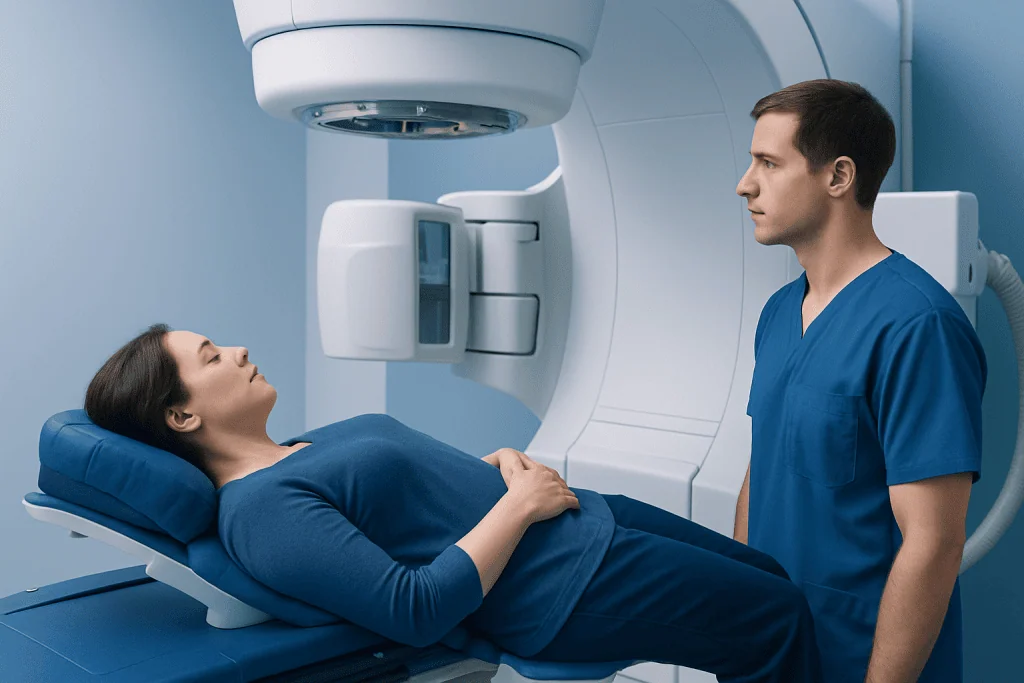
Radiation therapy uses high-energy beams or radioactive sources to damage the DNA inside cells. Cancer cells often have less ability than normal cells to repair this damage, so they may stop dividing and gradually die. Normal cells can also be affected, which is why treatment is planned carefully and divided into sessions when appropriate.
Before treatment begins, specialists use imaging such as CT, MRI or PET scans to identify the treatment area and nearby organs that need protection. Computerized planning shapes and directs the radiation dose to match the target as closely as possible. Techniques may include intensity-modulated radiation therapy, image-guided radiation therapy, stereotactic treatment or brachytherapy, depending on the clinical situation.
Radiation does not make a person radioactive after standard external beam treatment. People can usually be around family, friends and children as normal. Internal radiation procedures and radioactive medicines can require temporary safety instructions, and the treating team explains these clearly when relevant.
Who May Be a Candidate for Radiation Oncology?
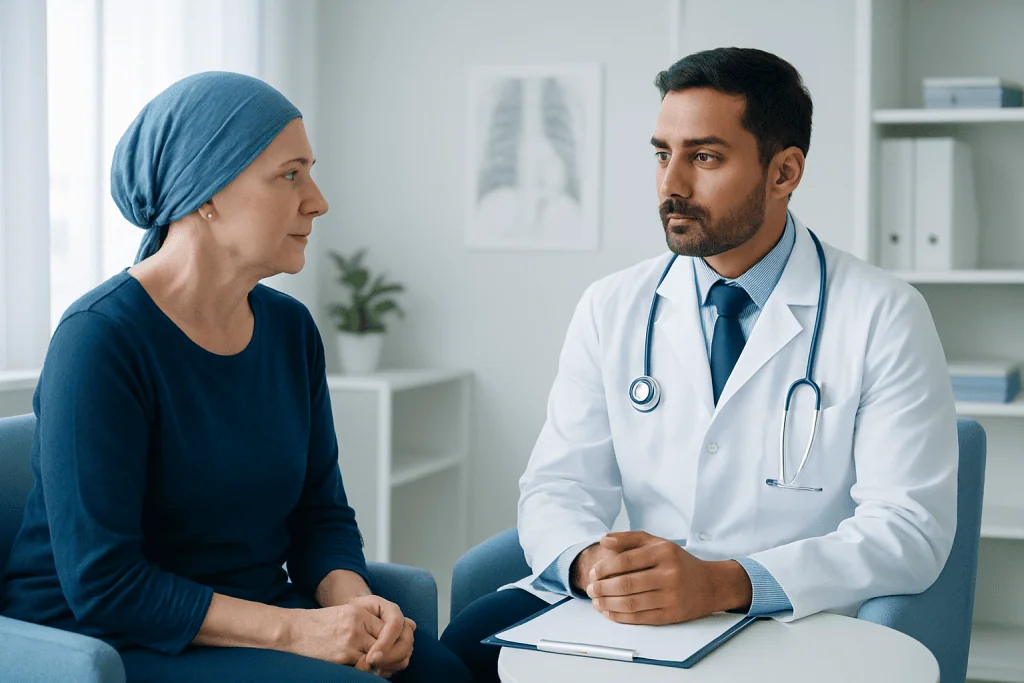
Radiation may be considered for many solid tumors and some blood cancers. It is commonly used before surgery to shrink a tumor, after surgery to address microscopic cancer cells that may remain, or instead of surgery when an operation is not suitable. It can also be combined with systemic treatments, including chemotherapy, targeted therapy, immunotherapy or hormone therapy.
Candidacy depends on the cancer’s exact diagnosis, size, location, stage and whether it has spread. Doctors also consider prior radiation treatment, current medicines, organ function, ability to lie still for treatment and individual goals of care. A previous course of radiation does not automatically rule out further treatment, but re-irradiation requires especially careful evaluation.
The recommendation is ideally made through multidisciplinary discussion. For example, people with breast, lung, prostate, head and neck, gynecologic, brain or gastrointestinal cancers may have different treatment pathways even when radiation is part of the plan. The radiation oncologist should explain the intended benefit, alternatives and important uncertainties before treatment starts.
Step by Step: What to Expect During Radiation Treatment
The first appointment is a consultation. The radiation oncologist reviews the diagnosis, examines the patient when needed and discusses the purpose of treatment, expected schedule, possible side effects and other options. Questions about work, travel, caregiving, fertility, nutrition and existing medical conditions are appropriate at this visit.
Next comes simulation, a planning appointment rather than a treatment session. The patient is placed in the position used for therapy, and scans are taken. A custom mask, cushion, body mold or other support may be made to help maintain the same position each day. Small skin marks may be used for alignment, although some centers use surface-guidance technology instead.
After detailed planning and safety checks, treatment begins. For external beam radiation, each visit usually involves positioning and imaging checks followed by a short period when the machine delivers radiation. The treatment itself is painless; the machine does not touch the body, though it may move around the treatment table. A course may involve one treatment or multiple sessions over days or weeks.
During the course, patients see the team regularly to discuss symptoms and practical needs. It is helpful to report side effects early, since many can be managed with supportive care, nutrition guidance, skin care recommendations or adjustments to other medicines.
Benefits, Risks and Recovery Timeline
The main potential benefit of radiation is local control: treating cancer in a defined area while avoiding surgery or complementing other treatments. It may reduce recurrence risk after surgery, preserve organ function in some settings, or provide symptom relief when cure is not possible. The expected benefit should be discussed in relation to an individual diagnosis.
Side effects depend largely on the part of the body treated. Fatigue is common and can build gradually. Skin in the treatment area may become red, dry, itchy or sensitive. Radiation to the head and neck can affect the mouth and swallowing; treatment to the chest can irritate the swallowing tube or lungs; and treatment to the abdomen or pelvis can cause bowel, bladder or sexual-health changes. Some effects improve within weeks after treatment, while others can occur months or years later.
Recovery is not identical for every patient. Many people continue ordinary daily activities with adjustments for tiredness and appointments. Short-term reactions often reach their peak near the end of treatment or in the following one to two weeks, then begin to settle. Follow-up appointments are important for monitoring healing, addressing late effects and assessing cancer response.
Patients should follow their team’s skin-care, activity, nutrition and medication advice. They should avoid applying unapproved creams, supplements or home remedies to the treatment area without asking first, as these may worsen irritation or interfere with care.
How to Tell If Radiation Therapy Is Working?
Radiation therapy is not always assessed immediately after the last session. Damaged cancer cells may take weeks or months to stop growing and be cleared by the body. For this reason, a scan performed too early can be difficult to interpret, especially because inflammation from treatment can temporarily make tissues look different.
Doctors assess response using a combination of follow-up imaging, physical examinations, blood tests or tumor markers when appropriate, pathology in selected cases, and changes in symptoms. A shrinking tumor, stable disease, improved symptoms or no evidence of recurrence may each represent a favorable outcome depending on the reason radiation was given.
Symptoms alone are not a reliable measure. Some people feel better before imaging changes are visible, while others have temporary treatment-related symptoms despite good cancer control. The follow-up schedule should be individualized, and patients should ask which results will be used to evaluate their treatment.
What I Wish I Knew Before Radiation?
Many patients find it helpful to know that radiation appointments are usually brief, but the overall process involves planning, travel and repeated visits. Fatigue can be cumulative, so arranging practical support, flexible work plans and transportation in advance may reduce stress. Keeping a list of questions and symptoms can also make weekly reviews more useful.
It is important to report side effects early rather than waiting for them to become severe. The care team can often recommend ways to manage skin changes, nausea, mouth discomfort, bowel or bladder symptoms, sleep difficulties and emotional strain. Patients should also tell the team about all medicines, vitamins and herbal products they use.
Nutrition, hydration, gentle activity as tolerated and rest can support wellbeing during treatment, but there is no special diet or supplement proven to replace cancer treatment. People who smoke are encouraged to seek help with stopping, as smoking can affect healing and treatment outcomes. Fertility and sexual health should be discussed before therapy when relevant, because preservation options may need to be arranged before treatment begins.
How Long Does It Take for Radiation Therapy to Work? What Is the Success Rate?
How quickly radiation works depends on the cancer and the treatment goal. Symptom relief, such as improvement in pain from a tumor affecting bone, may occur within days to several weeks. For curative treatment, visible tumor changes often take weeks to months, and the full benefit may be evaluated over a longer follow-up period.
There is no single success rate for radiation oncology. Outcomes vary substantially according to cancer type, stage, tumor biology, whether cancer has spread, radiation dose and technique, use of surgery or systemic therapy, and a person’s general health. In some situations radiation is intended to cure; in others it is used to reduce recurrence risk or improve comfort and quality of life.
The most useful question is not “What is the overall success rate?” but “What benefit is radiation expected to provide in this particular case?” A radiation oncologist can discuss the evidence that applies to the specific diagnosis and explain the likelihood of local control, symptom improvement, recurrence reduction and side effects in understandable terms.
When to Seek Medical Care
Patients receiving radiation should contact their treatment team promptly if they develop severe or rapidly worsening pain, fever, trouble breathing, chest pain, uncontrolled vomiting, inability to drink fluids, confusion, new weakness, significant bleeding, or a severe skin reaction in the treatment area. Urgent symptoms should be assessed without waiting for the next scheduled appointment.
New or concerning symptoms after radiation also deserve medical review, even if they seem unrelated. Follow-up care helps distinguish expected treatment effects from infection, medication problems, cancer-related symptoms or late radiation effects. For emergencies, patients should use their local emergency services.
At Acibadem International, multidisciplinary specialists in JCI-accredited hospitals assess and treat cancer for international patients, coordinating radiation oncology with surgery, medical oncology, imaging and supportive care when appropriate.
Frequently asked questions
Does radiation therapy hurt?
External beam radiation treatment is painless while it is being delivered. The patient lies still while the machine moves around the treatment table, and the radiation therapists monitor the session from outside the room. Side effects can develop gradually afterward, depending on the area treated.
Will I lose my hair during radiation therapy?
Hair loss occurs only in the area receiving radiation. For example, radiation to the head may cause hair loss on the scalp, while radiation to another body area does not usually affect scalp hair. Whether hair regrows depends on the dose and treatment area, so this should be discussed with the radiation oncologist.
Can I work while having radiation therapy?
Many people continue working during radiation, particularly when schedules and symptoms allow. However, daily appointments, fatigue and site-specific side effects may make reduced hours or time away from work helpful. The care team can provide guidance based on the planned treatment course.
Can radiation therapy be given with chemotherapy?
Yes. Chemotherapy and radiation are sometimes given together because certain medicines can make cancer cells more sensitive to radiation. Combined treatment can also increase side effects, so it requires close monitoring by the oncology team.
Is radiation therapy safe for family members?
Standard external beam radiation does not make the patient radioactive, so normal contact with family members is generally safe. Some internal radiation treatments or radioactive medicines require temporary precautions. The treatment team will provide specific instructions whenever these apply.
What follow-up is needed after radiation therapy?
Follow-up commonly includes visits with the oncology team, symptom review, physical examinations and imaging or laboratory tests when appropriate. The timing depends on the cancer type and treatment goal. These appointments are important for assessing response, monitoring recovery and managing delayed side effects.
References
- National Cancer Institute
- American Society for Radiation Oncology
- American Cancer Society
- European Society for Medical Oncology
- World Health Organization
This article is for general information only and is not a substitute for professional medical advice. Please consult a qualified doctor about your individual situation.
Oncology care in Turkey — second opinion and treatment plan
JCI-accredited · board-certified surgeons · reply within 24h
Add us as a Preferred Source to see more of our trusted health content across Google Search, AI Overviews and Discover.

More from the Health Library



Related Specialists

Dr. Meryem Samadlı
Internal Medicine
Assoc. Prof. Dr. Mehmet Barburoğlu
Interventional Neuroradiology
Prof. Dr. Aziz Kaya Alturfan
Orthopedic Surgery & Traumatology
Dr. Sevda Berberoğlu
Pediatrics