Radiation Oncology: What It Is and How It Works
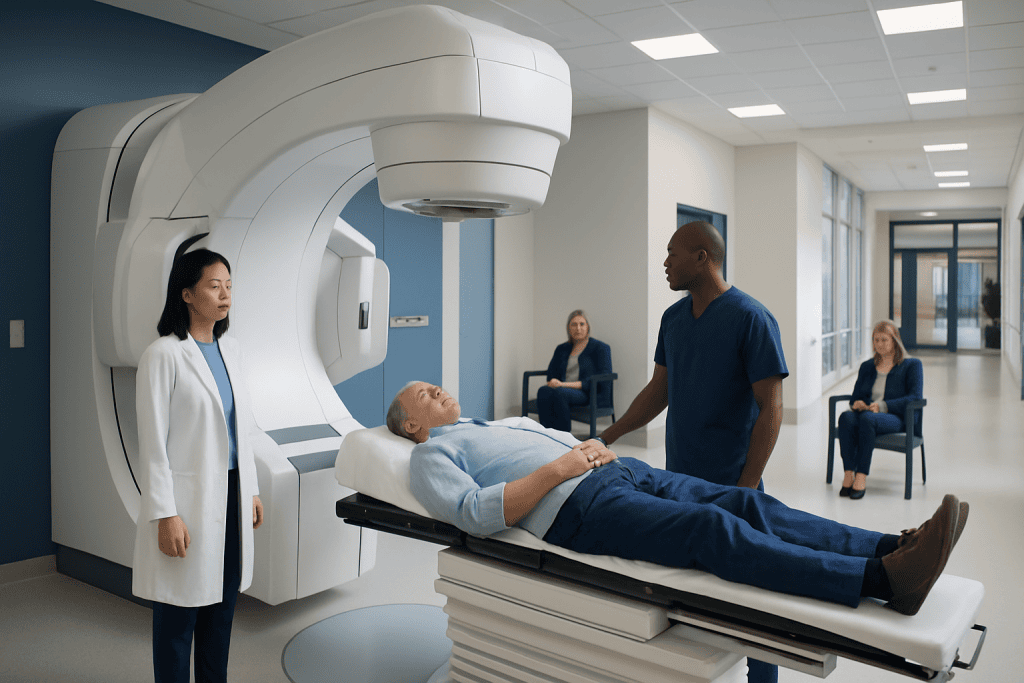
Radiation oncology uses high-energy radiation to damage cancer cells and help stop them from growing. Treatment is carefully planned to target the tumor while limiting exposure to nearby healthy tissue.
Key Takeaways
- Radiation oncology uses high-energy radiation to damage cancer cells and help stop them from growing.
- Treatment is carefully planned to target the tumor while limiting exposure to nearby healthy tissue.
- Radiation therapy may be used alone or together with surgery, chemotherapy, immunotherapy, or hormone therapy.
- Side effects depend on the area being treated and are often temporary, but ongoing follow-up is important.
- A radiation oncologist, medical physicist, dosimetrist, and radiation therapists work together as a team.
Radiation oncology is the medical specialty that uses carefully planned radiation to treat cancer and, in some situations, relieve symptoms. It is a common part of modern cancer care and is often combined with surgery, chemotherapy, or other treatments.
Overview of radiation oncology
Radiation oncology is the branch of medicine that uses high-energy radiation to treat cancer. The goal is to damage the DNA inside cancer cells so they can no longer grow and divide normally. Healthy cells can also be affected, but treatment is designed very carefully so normal tissues have the best possible chance to recover.
Radiation therapy is one of the most common cancer treatments. It may be used to cure cancer, shrink a tumor before surgery, lower the chance of cancer returning after surgery, or help control symptoms such as pain, bleeding, or pressure caused by a tumor. In some cases, it is the main treatment. In others, it is part of a broader care plan that may also include chemotherapy, surgery, targeted therapy, or immunotherapy.
Radiation oncology is not a single treatment but a specialty involving evaluation, treatment planning, delivery, and follow-up. The team usually includes a radiation oncologist, radiation therapists, medical physicists, and dosimetrists. Together, they create a plan that is tailored to the person, the type of cancer, and the exact location of the tumor.
How radiation therapy works
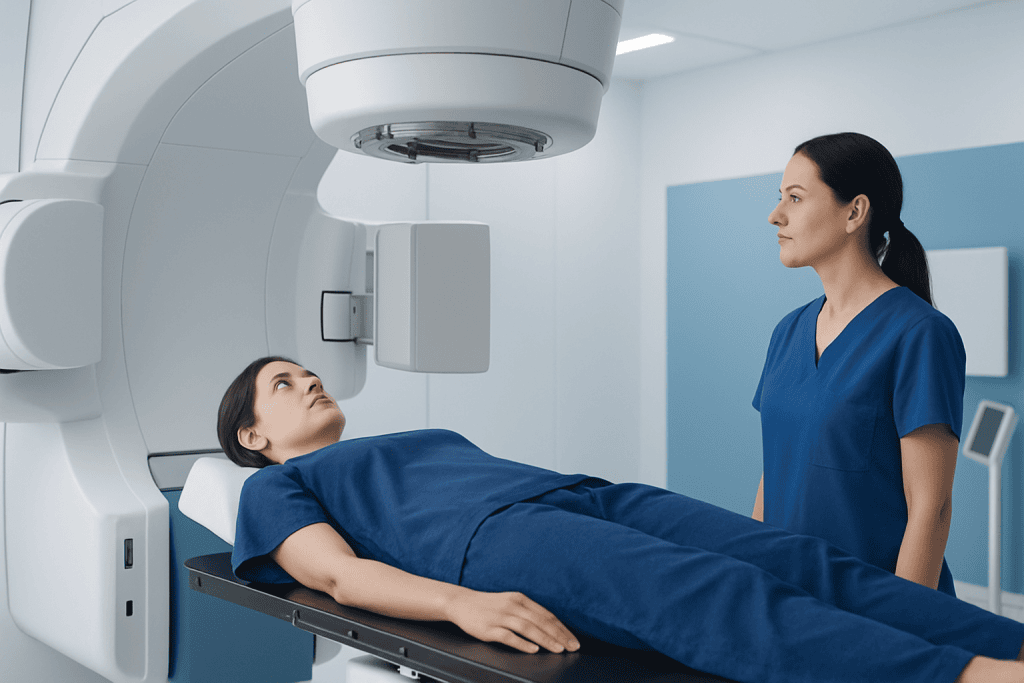
Radiation works by delivering energy to a tumor in a controlled way. This energy damages the genetic material inside cells. Cancer cells are often less able than normal cells to repair this damage, so they gradually stop multiplying and die. The body then clears away these damaged cells over time.
Radiation treatment does not always produce immediate results. Some tumors shrink during treatment, while others may continue to change for weeks or months afterward. This is one reason follow-up imaging and medical review are important after treatment ends.
There are different ways to give radiation:
- External beam radiation therapy: a machine directs radiation at the tumor from outside the body.
- Brachytherapy: a radioactive source is placed inside or close to the tumor for a set time or, in some situations, permanently.
- Systemic radiation therapy: radioactive medicine is swallowed or injected and travels through the body to target specific cells.
Modern radiation oncology uses advanced imaging and computer planning to shape treatment around the tumor. Techniques such as image-guided therapy and highly precise approaches can help spare nearby organs and lower the risk of unwanted side effects.
When radiation oncology is used
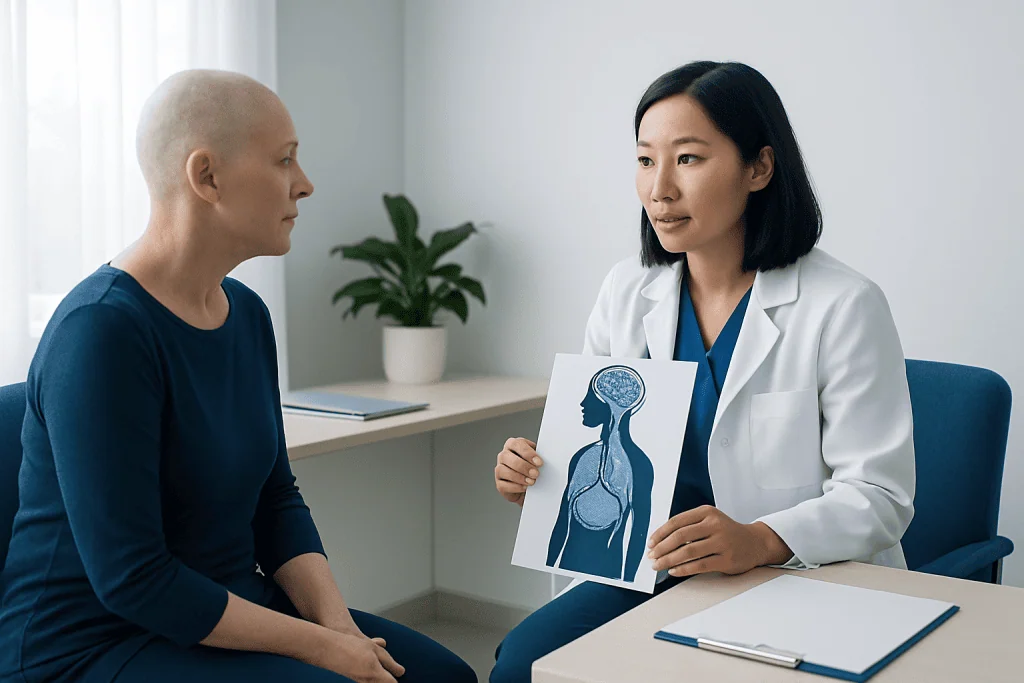
Radiation therapy can be used for many different cancers. It is commonly part of treatment for cancers of the breast, prostate, lung, head and neck, cervix, rectum, brain, and skin, among others. It may also be used for certain blood cancers and tumors that have spread to the bones or brain.
Doctors may recommend radiation in different situations. It can be given before surgery to make a tumor smaller, after surgery to reduce the risk of recurrence, or at the same time as drug treatment to improve cancer control. For example, radiation may be used as part of care for breast cancer or prostate cancer depending on the stage and treatment goals.
Sometimes the purpose of radiation is palliative rather than curative. This means it is used to relieve symptoms and improve quality of life, even if the cancer cannot be completely removed. Palliative radiation can help ease pain, reduce bleeding, or relieve pressure on nerves or organs.
Not every person with cancer needs radiation therapy. The decision depends on the cancer type, size, location, stage, overall health, and whether other treatments are likely to work better. The most suitable approach is decided by a multidisciplinary cancer team.
Planning and diagnosis before treatment
Before radiation begins, the care team performs a detailed evaluation. This usually includes reviewing biopsy results, imaging scans, medical history, previous treatments, and general health. The aim is to confirm the diagnosis, define the treatment area accurately, and decide whether radiation is likely to help.
A key step is called simulation. During this appointment, the patient is positioned in the same way they will be during treatment, often with customized supports to help them stay still and comfortable. Imaging, commonly a CT scan and sometimes MRI or PET information, is used to map the tumor and nearby normal tissues.
The radiation oncologist then outlines the treatment targets and organs that need protection. A dosimetrist and medical physicist help calculate how the radiation beams should be shaped and delivered. This process allows highly individualized planning and helps the team balance effectiveness with safety.
Depending on the type of cancer, diagnosis and planning may also involve other specialist care such as PET-CT imaging or discussion with surgeons and medical oncologists. In some cases, the radiation plan is one part of a broader strategy for conditions such as lung cancer.
What happens during treatment
External beam radiation is usually given as a series of outpatient sessions over days or weeks. Each visit is generally short, although setup and positioning take longer than the actual radiation delivery. The treatment itself is painless. A person does not see or feel the radiation while the machine is on.
During treatment, the patient lies in the planned position while the team monitors from a nearby control room. Imaging may be used before or during each session to confirm accuracy. This precision is especially important when a tumor is close to sensitive structures such as the spinal cord, bowel, or salivary glands.
Brachytherapy involves placing radiation sources inside the body or next to the tumor. It may be done in a procedure room or operating setting, depending on the type. Systemic radiation therapy is different again and may involve special safety instructions for a short time after treatment.
Many people continue normal daily activities during radiation therapy, but some need extra rest. The team gives advice about skin care, eating, hydration, work, travel, and activity based on the area being treated and the person’s overall condition.
Benefits, side effects, and recovery
The main benefit of radiation oncology is that it can target cancer in a precise, localized way. For some cancers it offers a chance of cure. In other settings, it can reduce symptoms, slow growth, or help preserve organ function. It may also allow less extensive surgery or improve the success of other treatments.
Side effects vary depending on the body area treated, the total dose, the number of sessions, and whether other treatments are given at the same time. Common short-term effects include tiredness, skin irritation in the treated area, soreness, temporary swallowing difficulty, diarrhea, bladder irritation, or hair loss limited to the treated region. Many side effects improve gradually after treatment ends.
Some side effects can appear months or years later. These late effects depend on the site treated and may involve changes in skin texture, bowel or bladder habits, fertility, hormone function, or lung and heart health. The possibility of late effects is one reason treatment planning is so detailed and long-term follow-up is important.
Supportive care can make treatment easier. This may include nutrition guidance, pain control, skin care advice, speech and swallowing support, or rehabilitation. Some patients also benefit from coordinated care with comprehensive cancer treatment teams, especially when radiation is combined with several other therapies.
Self-care, follow-up, and when to see a doctor
During radiation therapy, practical self-care can help support recovery. Gentle skin care, good hydration, balanced nutrition, and adequate rest are often recommended. Patients should follow the treatment team’s instructions about creams, sun exposure, smoking, alcohol, and activity, since recommendations can vary by treatment area.
Follow-up visits are a routine part of radiation oncology. These appointments allow the team to monitor side effects, check healing, and assess how well the treatment worked. Follow-up may include physical exams, blood tests, and imaging. Ongoing review is especially important because some benefits and side effects develop gradually over time.
A person should contact their doctor promptly if they develop severe pain, fever, difficulty breathing, trouble swallowing, dehydration, heavy bleeding, sudden weakness, confusion, or any side effect that rapidly worsens. These symptoms do not always mean a serious problem, but they should be assessed without delay.
People facing radiation treatment often have questions about safety, fertility, work, and daily life. Clear communication with the care team can make the process easier and less stressful. For international patients, Acibadem International’s multidisciplinary specialists and JCI-accredited hospitals provide diagnosis and treatment planning in radiation oncology as part of coordinated cancer care.
Frequently asked questions
Is radiation oncology the same as radiation therapy?
Radiation therapy is the treatment itself, while radiation oncology is the medical specialty that plans and oversees it. The specialty includes consultation, treatment design, delivery, and follow-up care.
Does radiation therapy hurt?
External beam radiation does not hurt during the session. The machine delivers radiation without causing a physical sensation, although side effects such as skin irritation or fatigue may develop later depending on the treatment area.
How long does radiation treatment take?
This depends on the cancer type, treatment goal, and radiation method. Some people have a short course over a few days, while others need daily treatments over several weeks. Each appointment is usually brief, but careful positioning and imaging are part of the process.
Will radiation make a person radioactive?
External beam radiation does not make a person radioactive, so it is generally safe to be around other people after treatment. Some forms of brachytherapy or systemic radiation may involve temporary precautions, and the care team explains these clearly when needed.
What side effects are most common?
Common side effects include tiredness and irritation in the area being treated. Depending on the body part, there may also be changes such as sore throat, bowel upset, bladder irritation, or hair loss only in the treated region. Many of these effects improve after treatment ends.
Can radiation therapy be combined with other cancer treatments?
Yes, radiation is often combined with surgery, chemotherapy, hormone therapy, targeted therapy, or immunotherapy. Using treatments together can sometimes improve cancer control, but it may also change the side effect pattern, so careful planning is important.
References
- World Health Organization
- National Cancer Institute
- American Cancer Society
- American Society for Radiation Oncology
- European Society for Radiotherapy and Oncology
This article is for general information only and is not a substitute for professional medical advice. Please consult a qualified doctor about your individual situation.
Oncology care in Turkey — second opinion and treatment plan
JCI-accredited · board-certified surgeons · reply within 24h
Add us as a Preferred Source to see more of our trusted health content across Google Search, AI Overviews and Discover.

Medical Oncology Department
Medical treatment of cancer with chemotherapy, immunotherapy and targeted therapies under a multidisciplinary tumor board.
60 specialists in this unit