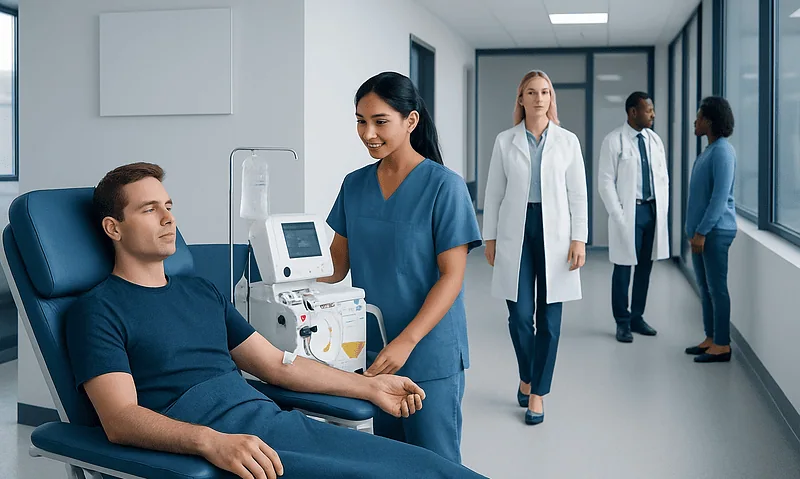
Radiation Precautions: How It Works, Results and What to Expect
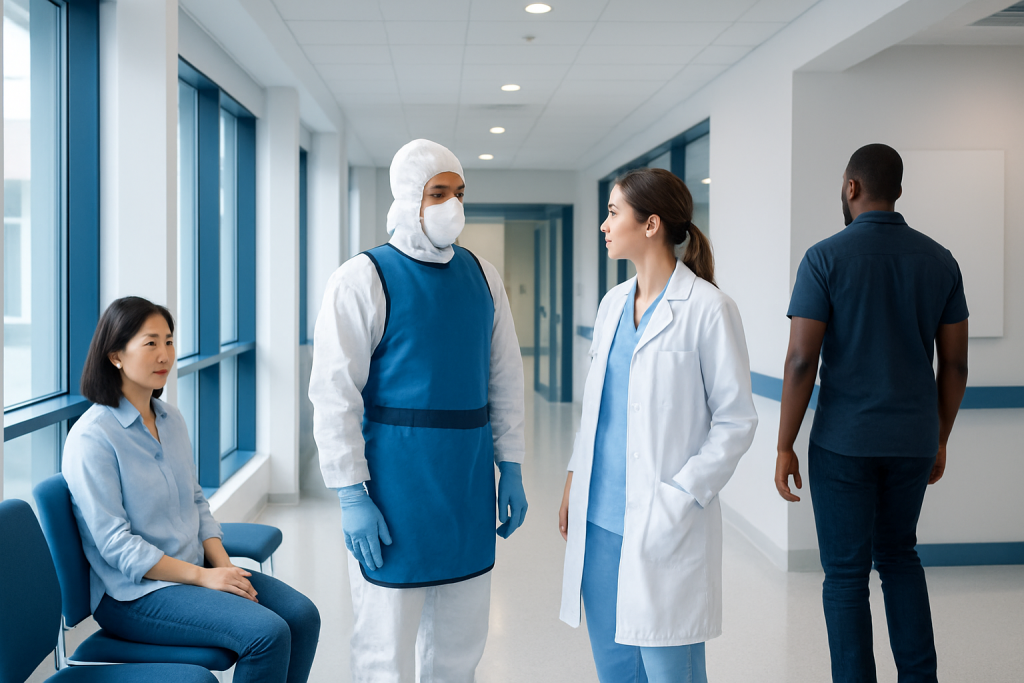
External-beam radiation therapy does not leave radiation in the body or make a person radioactive. Precautions vary with the treatment area, dose, treatment technique and whether internal radiation is used.
Key Takeaways
- External-beam radiation therapy does not leave radiation in the body or make a person radioactive.
- Precautions vary with the treatment area, dose, treatment technique and whether internal radiation is used.
- Skin sensitivity and fatigue often build gradually during a course of treatment and may peak shortly after it ends.
- Patients should report new, severe or worsening symptoms to their radiation oncology team rather than trying to manage them alone.
- Follow-up appointments and imaging are important because treatment response is often assessed over weeks to months.
Radiation precautions are practical steps that help a person care for treated skin, manage fatigue and follow their oncology team’s safety advice during and after radiation therapy. Most external-beam radiation does not make a person radioactive, so normal contact with family and friends is usually safe.
Overview: What Are Radiation Precautions?
Radiation precautions are the care and safety measures recommended before, during and after radiation therapy. They may include protecting the treatment-area skin, managing tiredness, maintaining nutrition and hydration, attending scheduled visits, and knowing which symptoms should be reported promptly. The exact advice depends on the cancer being treated, the body area receiving radiation and the type of radiation therapy used.
For most people receiving external-beam radiation therapy, the radiation is delivered by a machine and does not remain in the body afterward. This means the patient is not radioactive and can usually be around children, pregnant people, partners and pets as normal. The radiation oncology team will provide different safety instructions if internal radiation, such as brachytherapy or certain radioactive medicines, is used.
Radiation therapy is commonly used to treat cancer, reduce the chance of cancer returning after surgery, or relieve symptoms caused by a tumor. It may be used alone or alongside surgery, systemic treatment or both. Care is individualized through treatment planning, and patients are encouraged to ask their team for written instructions specific to their plan.
How Radiation Therapy Works and Who May Benefit
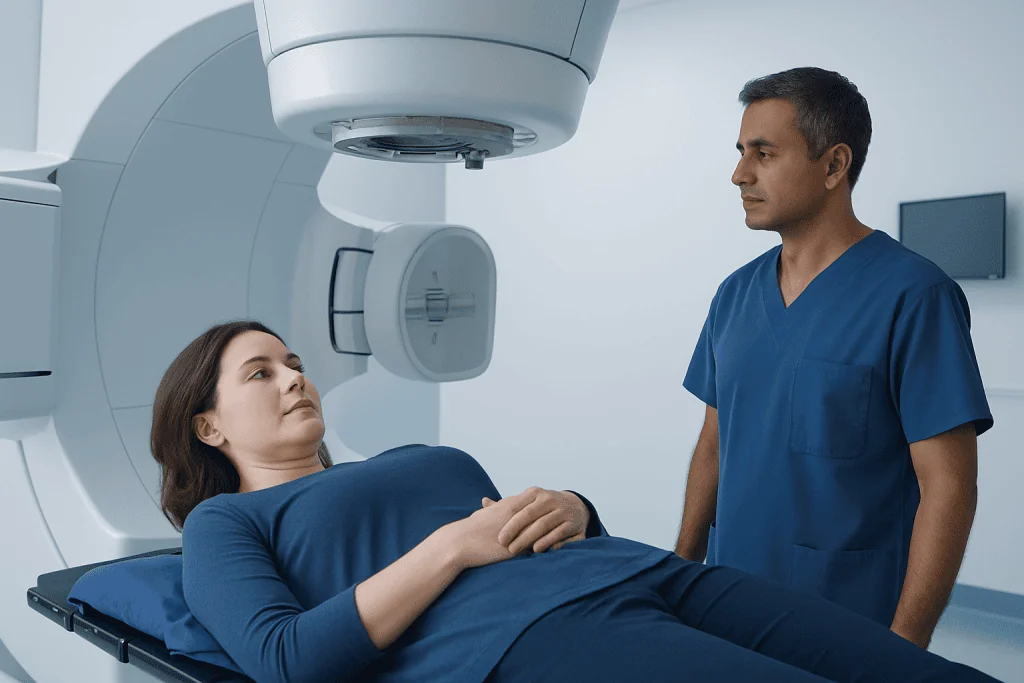
Radiation therapy uses carefully planned high-energy radiation to damage the genetic material inside cancer cells. Cancer cells are often less able than healthy cells to repair this damage, so they may stop growing or die over time. Healthy tissue can also be affected, which is why treatment is planned precisely and divided into sessions when appropriate.
A radiation oncologist may recommend radiation as a curative treatment, after surgery to target possible remaining cancer cells, before surgery to shrink a tumor, or for symptom control. Candidacy is based on the cancer type, size and location, whether it has spread, previous treatments, overall health and the person’s own goals and preferences.
Modern planning uses scans and specialized software to direct radiation toward the target while limiting exposure to nearby healthy organs. Depending on the diagnosis, a patient may also receive treatments such as radiotherapy alongside surgery, chemotherapy, immunotherapy or hormone therapy. The oncology team explains the expected role of each treatment before it begins.
- External-beam radiation: radiation is delivered from outside the body by a treatment machine.
- Internal radiation: a radiation source is placed inside or close to the treatment area, or a radioactive medicine is given for selected conditions.
- Image-guided techniques: imaging before or during treatment helps confirm positioning and improve accuracy.
What to Expect on the First Day of Radiation Therapy?
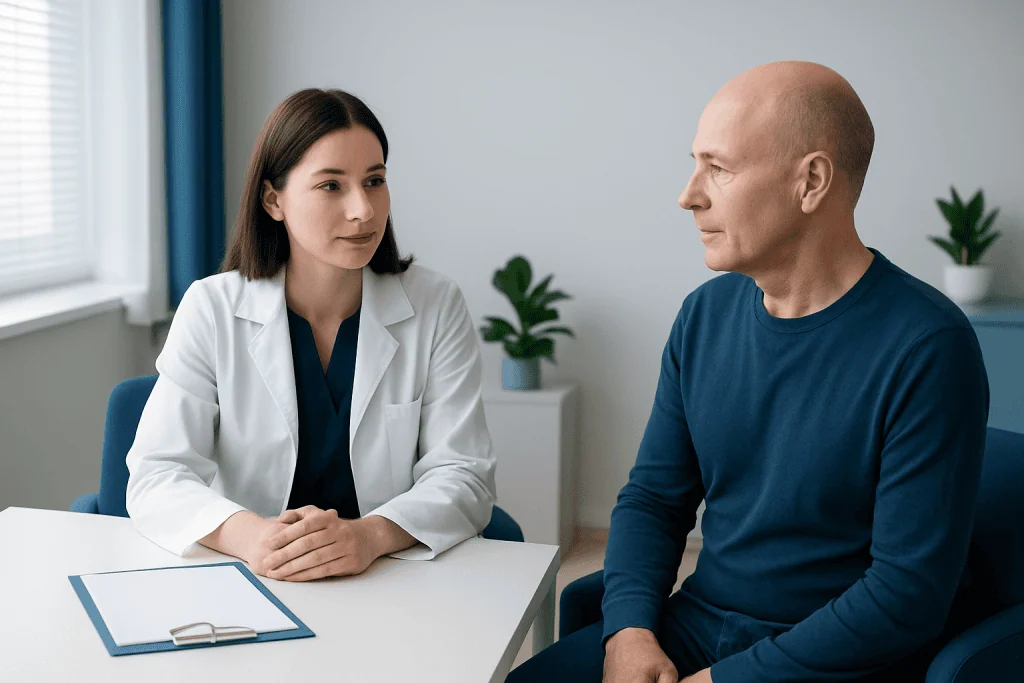
The first day of radiation therapy usually begins with check-in and a review of the treatment plan. Some people have already completed a planning appointment, often called simulation, where scans, positioning supports and small skin marks or tattoos may have been used to ensure consistent treatment positioning. The treatment team confirms identity, positioning and any changes in symptoms before starting.
During external-beam treatment, the patient lies still on a treatment table while the machine moves around them. The treatment itself is painless: a person does not usually see, feel or smell the radiation. The radiographers leave the room while the machine is on, but they monitor and communicate through cameras and an intercom. The appointment may take longer than the actual radiation delivery because careful positioning is essential.
Most patients can return home or to their usual accommodation after an outpatient session. Immediate side effects are uncommon, although anxiety, tiredness from travel or positioning discomfort may occur. It can be helpful to wear comfortable clothing, bring a list of questions, continue regular medicines unless told otherwise, and arrange transport support if fatigue or other health issues make travel difficult.
Radiation Precautions During Treatment and Recovery
Patients should follow the instructions given for their specific treatment area. In general, treated skin should be handled gently: wash with lukewarm water and mild products approved by the care team, pat dry rather than rub, and avoid adhesive tapes, heating pads, ice packs, perfumed products or creams not recommended by the team. Protect the area from direct sun exposure during treatment and while the skin remains sensitive.
Fatigue is common and may result from radiation itself, daily travel, disrupted sleep, emotional stress, anemia, nutrition changes or other cancer treatments. Short periods of rest, gentle activity when tolerated, regular meals and fluids, and asking for practical support can help. Patients should not push through severe fatigue or new weakness without discussing it with their clinical team.
Side effects are related mainly to the body area being treated. Radiation to the head and neck may affect the mouth, throat or saliva; treatment to the chest can affect swallowing or cause cough; treatment to the abdomen or pelvis can affect digestion, urination or bowel habits. The team can offer supportive treatments and referral to dietitians, nurses, pain specialists, speech and swallowing professionals or other clinicians as needed.
After external-beam therapy, no special isolation is generally needed because no radiation remains in the patient. In contrast, internal radiation may require temporary distance or contact precautions, particularly around young children and pregnant people. These instructions are individualized and should be followed exactly, including any guidance on travel, sleeping arrangements, toilet use or close contact.
What Are the Hardest Days After Radiation Treatment?
For many people, the most challenging period is not the final treatment day itself but the one to two weeks afterward. Radiation’s effects can continue after the last session, so fatigue, skin reactions and site-specific symptoms may temporarily worsen before they improve. This pattern is common, but the timing and severity vary considerably between individuals.
Skin in the treated area may become red, dry, itchy, tender or darker in color. In some cases, it may peel or become moist and sore. The radiation team should assess any open, blistered, bleeding or increasingly painful skin, as tailored dressings and skin-care advice may be needed. It is best not to apply new products without checking first.
Recovery is often gradual. Some short-term effects begin to improve within several weeks, while other changes can take months. The oncology team schedules follow-up according to the diagnosis and treatment plan, and patients should continue to report symptoms that interfere with eating, drinking, sleep, mobility, bowel or bladder function, or daily activities.
What I Wish I Knew Before Radiation?
Many patients find it useful to know that radiation treatment is usually a series of short appointments rather than one long procedure. Although the daily session may be brief, planning, travel and waiting time can make treatment feel demanding. Building a realistic routine for transport, meals, work responsibilities and rest can reduce avoidable stress.
It is also helpful to understand that side effects often develop gradually. Feeling well after the first few sessions does not necessarily predict how someone will feel later in treatment, and having side effects does not mean treatment is failing. Early communication with the radiation team allows symptoms to be addressed before they become harder to manage.
Patients may benefit from bringing a caregiver or trusted person to key appointments, keeping a simple symptom diary and asking who to contact outside office hours. Questions about fertility, sexual health, nutrition, dental care, smoking cessation, work, exercise and travel are appropriate before treatment starts, particularly when radiation involves the pelvis, head and neck, chest or brain.
How Do You Know if Radiation Treatment Is Working?
Radiation treatment response is not always visible or immediate. Radiation damages cancer cells over time, and tumors may continue to shrink for weeks or months after therapy ends. The care team assesses response using the original treatment goal, physical examinations, symptom changes, blood tests when relevant and follow-up imaging such as CT, MRI, PET or ultrasound.
Improvement in symptoms can be encouraging when radiation is being used to relieve pain, bleeding, pressure or other tumor-related problems. However, symptom changes alone cannot confirm whether all cancer cells have responded. Conversely, temporary swelling or inflammation after treatment can sometimes make symptoms or scans appear worse before healing occurs.
Follow-up timing is chosen carefully because imaging too early may not provide a clear answer. Patients should attend all planned follow-up visits and discuss how their particular cancer will be monitored. If they have concerns about new or returning symptoms between appointments, they should contact their oncology team rather than wait for the next scan.
Benefits, Risks and When to Seek Medical Care
The main benefit of radiation therapy is its ability to target a defined area of cancer while preserving as much nearby healthy tissue as possible. It can be an important part of treatment intended to cure cancer, lower recurrence risk or improve comfort and function. However, it can also cause short-term and, less commonly, long-term effects that depend on the location and amount of radiation received.
Potential longer-term effects may include changes in skin texture or color, stiffness or swelling in nearby tissues, changes in organ function, fertility concerns or nerve-related symptoms, depending on the treated area. The radiation oncologist discusses the most relevant risks before treatment, including uncommon but important risks. Patients should share any previous radiation treatment, implanted medical devices, pregnancy possibility and existing health conditions during planning.
When to seek medical care: Patients should contact the radiation oncology team promptly for fever, signs of infection, rapidly worsening pain, severe skin breakdown, persistent vomiting, inability to drink fluids, significant breathing difficulty, chest pain, confusion, new weakness, uncontrolled diarrhea, heavy bleeding, inability to pass urine, or symptoms that feel urgent or unusual. Emergency services should be used for severe or life-threatening symptoms.
Acibadem International’s multidisciplinary specialists and JCI-accredited hospitals support international patients who need individualized radiation treatment planning and follow-up. Ongoing communication with the treating oncology team remains the safest way to understand personal radiation precautions and recovery expectations.
Frequently asked questions
Do radiation precautions mean I am radioactive?
Usually, no. External-beam radiation therapy delivers radiation from a machine and does not leave radioactive material in the body. People receiving internal radiation or radioactive medicines may need temporary precautions, which their treatment team will explain clearly.
Can I hug my family after radiation treatment?
After standard external-beam radiation therapy, hugging and normal contact with family are generally safe. If internal radiation is used, the team may advise temporary limits on close contact with children or pregnant people. Patients should follow their own written safety instructions.
How long do radiation side effects last?
Some side effects begin during treatment and may be strongest in the first one to two weeks after the final session. Many improve gradually over several weeks, but the timeline depends on the body area treated and other treatments received. Some late effects can occur months or years later, so follow-up care is important.
Should I use lotion on radiation-treated skin?
A radiation care team may recommend a specific moisturizer or skin-care approach, but patients should not use new creams, perfumes, deodorants or home remedies on the treatment area without asking first. Gentle cleansing and avoiding friction are commonly advised. Any broken, weeping or very painful skin should be assessed by the team.
Can I work during radiation therapy?
Some people continue working, while others need reduced hours or time away, particularly as fatigue accumulates. The ability to work depends on the treatment schedule, symptoms, travel demands and the type of job. The oncology team can provide medical documentation and discuss symptom-management support.
What should I do if I feel worse after finishing radiation?
Mild worsening of fatigue, skin irritation or treatment-area symptoms can happen shortly after radiation ends. However, severe, sudden or worsening symptoms should be reported promptly to the radiation oncology team. Urgent symptoms such as breathing difficulty, chest pain, confusion, severe dehydration or heavy bleeding require immediate medical assessment.
References
- American Cancer Society
- National Cancer Institute
- Radiological Society of North America
- European Society for Radiotherapy and Oncology
- World Health Organization
This article is for general information only and is not a substitute for professional medical advice. Please consult a qualified doctor about your individual situation.
Oncology care in Turkey — second opinion and treatment plan
JCI-accredited · board-certified surgeons · reply within 24h
Add us as a Preferred Source to see more of our trusted health content across Google Search, AI Overviews and Discover.