Radiation Therapist Prerequisites: How It Works, Results and What to Expect
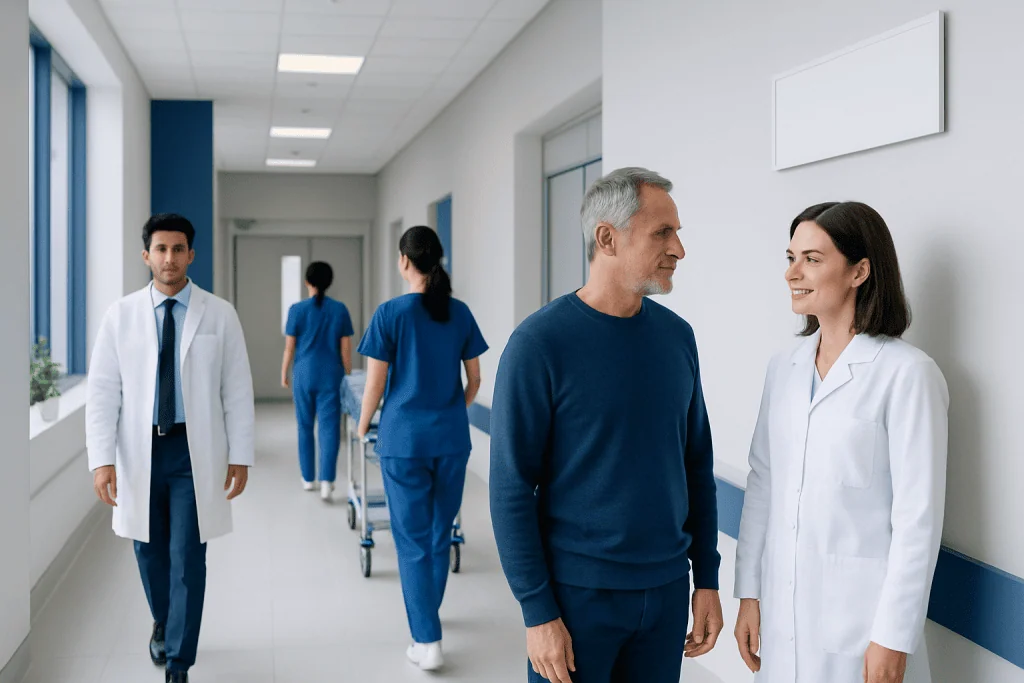
Radiation therapists operate treatment equipment and work closely with radiation oncologists, medical physicists, nurses and other cancer specialists. Common prerequisites include biology, anatomy and physiology, mathematics, communication skills and completion of an accredited education pathway.
Key Takeaways
- Radiation therapists operate treatment equipment and work closely with radiation oncologists, medical physicists, nurses and other cancer specialists.
- Common prerequisites include biology, anatomy and physiology, mathematics, communication skills and completion of an accredited education pathway.
- Programs can be competitive because they combine academic learning with limited clinical-placement opportunities.
- The role requires accurate technical work, compassionate communication and strict attention to radiation safety.
- Radiation therapy is planned individually and may be used alone or alongside surgery, chemotherapy, immunotherapy or other cancer treatments.
Radiation therapist prerequisites usually include a secondary-school diploma or equivalent, foundational science and mathematics coursework, completion of an accredited radiation therapy program, supervised clinical training and certification or licensure requirements that vary by country. Radiation therapists are essential members of the cancer care team, delivering prescribed radiation treatments while supporting patients throughout their treatment course.
Overview: what are radiation therapist prerequisites?
Radiation therapist prerequisites are the educational, practical and professional requirements a person typically needs before working in radiation therapy. Most pathways include completing secondary education, taking relevant science and mathematics courses, graduating from an accredited radiation therapy program, gaining supervised clinical experience and meeting local certification or licensing standards.
A radiation therapist is a trained healthcare professional who delivers radiation treatment prescribed by a radiation oncologist. They position patients carefully, operate highly specialised treatment machines, follow detailed treatment plans and monitor patients during each session. Their work is central to safe, accurate cancer care and combines technical precision with day-to-day patient support.
Requirements differ between countries, states and employers. Anyone considering this career should check the current standards set by the national regulator, licensing authority, professional society and the education programs they are interested in.
How radiation therapy works and the therapist’s role
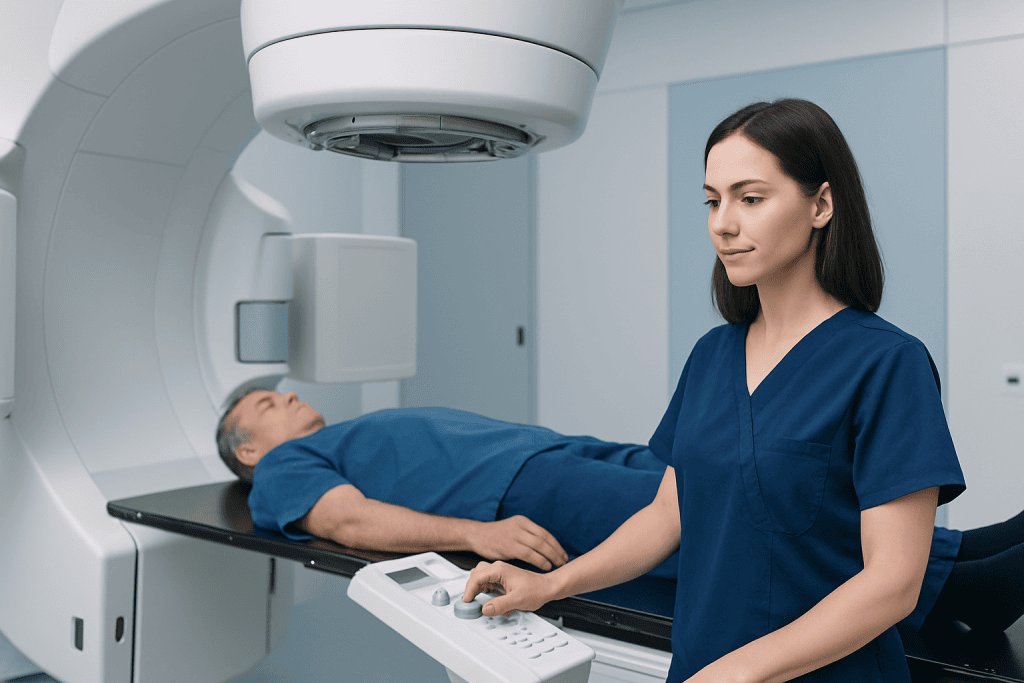
Radiation therapy uses carefully targeted high-energy radiation to damage cancer cells’ ability to divide and grow. Treatment may aim to cure cancer, lower the risk of cancer returning after surgery, shrink a tumour before another treatment or relieve symptoms caused by advanced disease. Healthy tissues are protected as much as possible through detailed planning, imaging and precise treatment delivery.
The radiation oncologist determines whether radiation therapy is appropriate and writes the prescription. Medical physicists, dosimetrists and other planning specialists help calculate and verify how treatment should be delivered. Radiation therapists then carry out each daily treatment according to the approved plan, using verification images and safety checks before radiation is given.
External-beam radiation therapy is often delivered on an outpatient basis. The treatment itself is painless and patients do not feel the radiation beam. Radiation therapists usually leave the treatment room during beam delivery but can see, hear and communicate with the patient throughout the session.
Radiation therapy may be part of care for many types of cancer, including breast cancer and prostate cancer. The treatment approach depends on the cancer type, stage, location, previous treatments and the person’s overall health.
What pre-reqs do you need for radiation therapy?
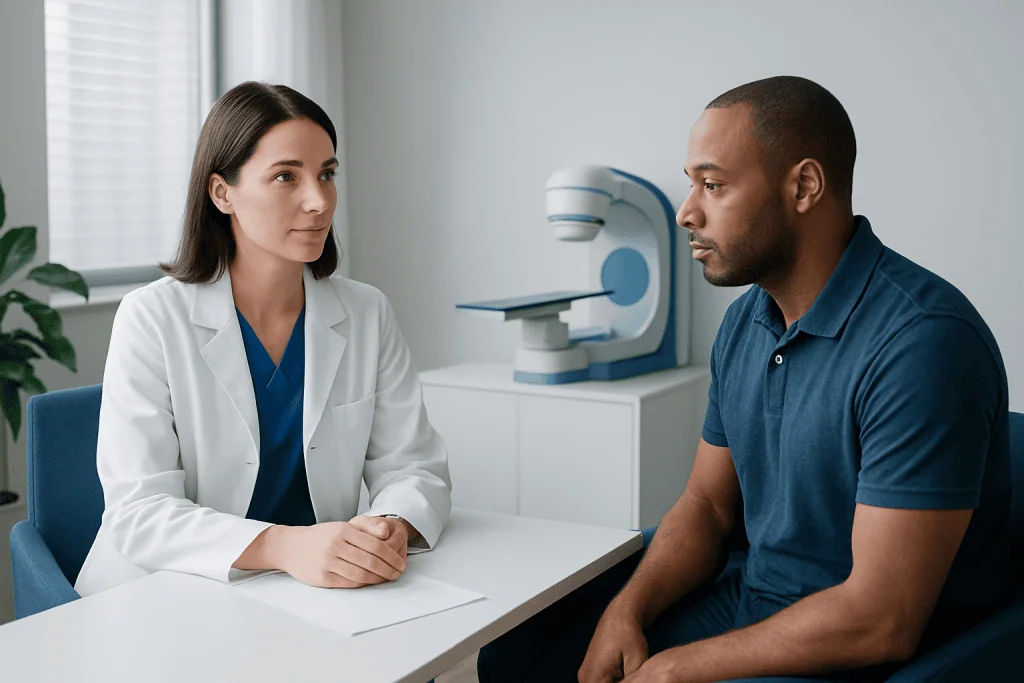
Academic requirements vary, but applicants commonly need a secondary-school diploma or equivalent and evidence of readiness for college-level science courses. Programs may ask for biology, chemistry, algebra or other mathematics, anatomy and physiology, physics, English or communication courses. Some institutions also require a minimum grade point average, an admissions examination, health screening, immunisation records, a background check or proof of language proficiency.
Students generally complete an accredited diploma, associate-degree or bachelor’s-degree program in radiation therapy or radiologic technology with a radiation therapy specialisation. Coursework commonly covers anatomy, cancer biology, radiation physics, treatment techniques, patient care, ethics, radiation protection and quality assurance.
Clinical education is an equally important prerequisite for practice. During placements, students learn under supervision in treatment centres, becoming familiar with patient identification, immobilisation devices, imaging, machine operation, documentation, infection prevention and emergency procedures. Programs expect students to follow professional behaviour and safety standards at all times.
After graduation, many jurisdictions require a certification examination, registration, licensure or all three. Continuing education may also be required to maintain professional standing. Because requirements change, prospective students should confirm details directly with accredited schools and the relevant regulatory authority.
How hard is it to get into radiation therapy?
Getting into radiation therapy can be challenging, but it is achievable with planned preparation. Programs often have limited places because clinical training requires access to specialised equipment, experienced supervisors and suitable patient-care environments. Applicants may therefore be assessed on academic results, prerequisite coursework, interviews, references and evidence that they understand the responsibilities of the profession.
Strong performance in science and mathematics can help, especially in anatomy and physiology, physics and algebra. However, admissions teams also look for reliable communication, empathy, organisation, professionalism and the ability to work carefully under established protocols. Observing in a radiation oncology department, where permitted, can help applicants understand the clinical setting and confirm their interest.
Once enrolled, students need to balance classroom learning with structured clinical placements. The material includes technical and scientific concepts, while placements require punctuality, safe practice and respectful communication with people who may be coping with a cancer diagnosis. Academic advisers can help students plan their prerequisites and application timelines.
Is radiation therapist a lot of math?
Radiation therapy involves mathematics, but students do not usually need advanced mathematics beyond the level required by their education program. Algebra, measurement, unit conversion, percentages and basic scientific calculation are useful foundations. Physics concepts are also important because they help students understand how radiation behaves and how treatment equipment is used safely.
In clinical practice, radiation therapists work with sophisticated planning systems and follow verified treatment parameters. Calculations and treatment plans are developed and independently checked within a multidisciplinary safety process. Therapists still need to understand the numbers displayed, recognise when something does not match the approved plan and pause to seek clarification when needed.
Accuracy matters because radiation therapy is carefully tailored to each patient. A willingness to practise calculations, ask questions and follow safety procedures is generally more important than being naturally advanced at mathematics.
Candidacy and the patient’s treatment pathway
For patients, candidacy for radiation therapy is decided by a cancer care team rather than by a radiation therapist alone. A radiation oncologist reviews the diagnosis, imaging, pathology results, cancer stage, symptoms, medical history and treatment goals. The clinician then discusses potential benefits, likely side effects and alternatives, including whether observation, surgery, systemic therapy or another approach may be more appropriate.
Patients who are recommended radiation therapy first attend a planning appointment, often called simulation. This may include a CT scan in the treatment position and the creation of customised supports, such as a mask for head and neck treatment or a body mould. Small skin marks or other positioning references may be used to help ensure consistent alignment.
Planning can take days to weeks, depending on the treatment type and complexity. The team uses the simulation images to define the treatment area and nearby organs that need protection. Patients should tell their team about pregnancy, implanted medical devices, difficulty lying flat, claustrophobia, medications and any new symptoms before treatment begins.
Step by step: what to expect during radiation treatment
Before the first treatment, the radiation therapist reviews the patient’s identity, treatment plan and positioning instructions. The patient changes clothes if needed and is positioned on the treatment couch using the supports made during simulation. The therapist may take images to confirm the body position before each session or at scheduled intervals.
Once positioning is confirmed, the therapist leaves the room to operate the machine. The machine may rotate around the patient and make whirring sounds, but it does not touch the body during most external-beam treatments. The patient needs to remain still, although the therapist can stop treatment if the patient feels unwell or needs assistance.
A typical appointment may involve more time for preparation and imaging than for the actual radiation delivery. Treatment schedules vary widely: some courses are given daily over several weeks, while others use fewer sessions. The radiation oncologist explains the planned schedule and any instructions about skin care, diet, bladder preparation or medications.
Modern treatment techniques can help shape radiation around the treatment target. Patients can discuss their individual options for radiation therapy with their oncology team, including the expected purpose of treatment and how the plan is monitored.
Benefits, risks and recovery timeline
The potential benefit of radiation therapy is local cancer control or symptom relief, depending on the treatment goal. It may destroy remaining cancer cells after surgery, reduce the size of a tumour, help preserve organ function in selected situations or ease symptoms such as pain or bleeding. Benefits and possible harms must always be considered in relation to the individual diagnosis.
Side effects depend mainly on the area treated, the radiation dose, the number of sessions and whether other treatments are used. Common short-term effects can include tiredness, skin redness or sensitivity in the treatment area and site-specific symptoms such as swallowing discomfort, bowel changes or urinary irritation. The oncology team provides tailored advice and should be informed promptly about troublesome symptoms.
Many short-term effects begin gradually during treatment and can continue for a few weeks after the final session before improving. Some people recover more quickly, while others need longer. Certain treatments can cause late effects months or years later, which is why follow-up appointments remain important even after treatment has finished.
Supportive care can include skin-care guidance, nutrition advice, symptom management, rehabilitation and emotional support. When suitable, cancer care may also involve treatments such as chemotherapy or cancer surgery as part of an individualised multidisciplinary plan.
When to seek medical care
Anyone receiving radiation therapy should contact their treatment team for new, severe or worsening symptoms rather than waiting for the next scheduled visit. This includes inability to drink enough fluids, persistent vomiting, fever, severe pain, rapid worsening of skin reactions, unusual bleeding, shortness of breath, confusion or symptoms that make daily activities difficult.
Urgent medical care is appropriate for severe breathing difficulty, chest pain, fainting, sudden weakness, severe allergic symptoms or any other possible emergency. Patients should follow the emergency contact instructions provided by their local care team, as these may differ outside normal clinic hours.
People considering radiation therapy because of a recent cancer diagnosis should seek advice from a qualified oncology specialist. At Acibadem International, multidisciplinary specialists in JCI-accredited hospitals diagnose and treat cancer for international patients, coordinating assessment, radiation treatment and supportive care when appropriate.
Frequently asked questions
How long does it take to become a radiation therapist?
The timeline depends on the country and education route. Many people complete a diploma, associate degree or bachelor’s degree program that includes clinical placements, then meet certification or licensing requirements. Prerequisite courses may add additional time before formal training begins.
Do radiation therapists diagnose cancer?
No. Cancer diagnosis is made by appropriately qualified clinicians using medical history, examination findings, imaging and laboratory or pathology tests. Radiation therapists deliver prescribed treatment and report observations or concerns to the oncology team.
Who gets paid more, RN or radiation therapist?
Pay varies substantially by country, region, employer, level of experience, shift patterns and professional responsibilities. In some settings registered nurses may earn more, while in others radiation therapists may have similar or higher pay. Current local salary data and job descriptions are the most reliable sources for comparison.
Do radiation therapists work directly with patients?
Yes. Radiation therapists often see patients regularly throughout a course of radiation treatment. They help position patients, explain each appointment, monitor comfort and report treatment-related concerns to the wider cancer care team.
Is radiation treatment painful?
External-beam radiation treatment itself is usually painless, and patients do not feel the radiation beam. However, side effects may develop over time in the treatment area, depending on the body part being treated. The oncology team can explain expected effects and offer support to manage them.
What skills make someone well suited to radiation therapy?
Useful skills include attention to detail, comfort with science and technology, clear communication, empathy and the ability to follow safety procedures consistently. Radiation therapists also need to remain calm, organised and respectful when supporting people through cancer treatment.
References
- World Health Organization
- International Atomic Energy Agency
- American Society for Radiation Oncology
- American Registry of Radiologic Technologists
- National Cancer Institute
This article is for general information only and is not a substitute for professional medical advice. Please consult a qualified doctor about your individual situation.
Oncology care in Turkey — second opinion and treatment plan
JCI-accredited · board-certified surgeons · reply within 24h
Add us as a Preferred Source to see more of our trusted health content across Google Search, AI Overviews and Discover.