Radiation Therapy for Cancer: Step-by-Step, Side Effects, and Recovery
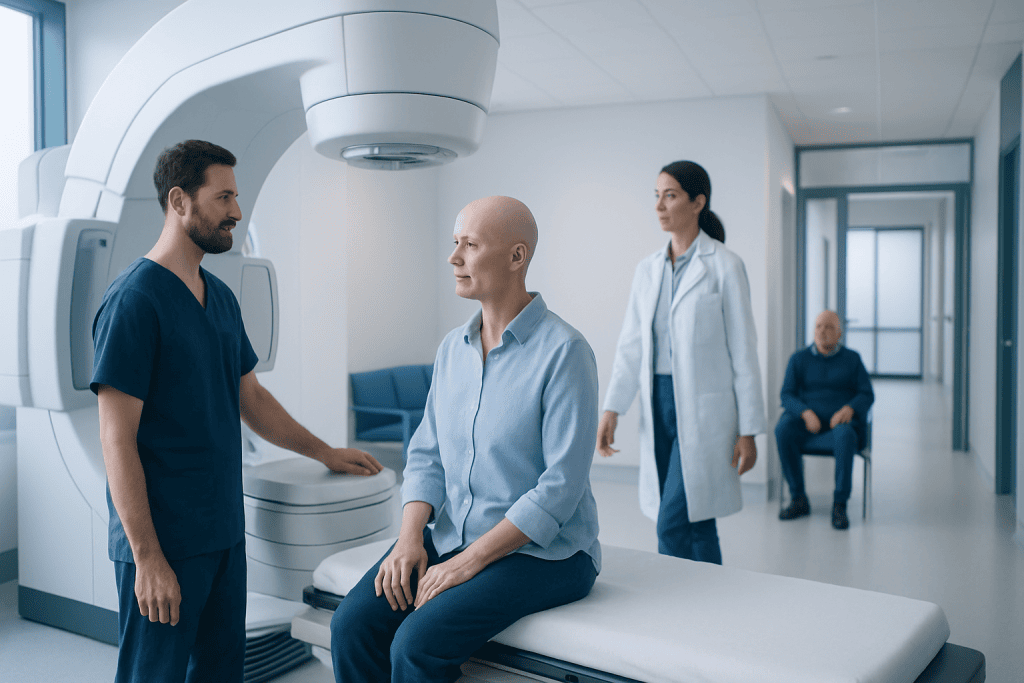
Radiation therapy is used to treat many cancers, either alone or together with surgery, chemotherapy, immunotherapy, or hormone therapy. Treatment usually begins with detailed planning so radiation can target the tumor while protecting nearby healthy tissue.
Key Takeaways
- Radiation therapy is used to treat many cancers, either alone or together with surgery, chemotherapy, immunotherapy, or hormone therapy.
- Treatment usually begins with detailed planning so radiation can target the tumor while protecting nearby healthy tissue.
- Side effects vary depending on the body area treated, dose, and overall health, but many can be prevented or eased with supportive care.
- Recovery is often gradual, and some fatigue or local skin changes may continue for a short time after treatment ends.
- Patients should report new or worsening symptoms promptly so the care team can help manage them early.
Radiation therapy for cancer is a common treatment that uses carefully targeted high-energy radiation to destroy cancer cells or slow their growth. Knowing how it works, what the treatment steps involve, and how side effects are managed can help patients feel more prepared and supported.
Overview: What Radiation Therapy for Cancer Is
Radiation therapy for cancer, also called radiotherapy, uses high-energy beams or particles to damage the DNA of cancer cells. This makes it harder for those cells to grow, divide, and survive. Healthy cells in the treatment area can also be affected, but they are generally better able to repair themselves than cancer cells.
It is one of the main treatments used in cancer care. Radiation therapy may be given to cure cancer, shrink a tumor before surgery, lower the risk of cancer coming back after surgery, or relieve symptoms such as pain, bleeding, or pressure. In many cases, it is combined with other treatments as part of a personalized plan.
There are different types of radiation therapy. External beam radiation therapy directs radiation from a machine outside the body to a precise area. Internal radiation therapy, sometimes called brachytherapy, places a radiation source inside or very close to the tumor. Some patients may also receive systemic radiation, which involves a radioactive substance that travels through the body to target certain cancers.
When Radiation Therapy Is Used
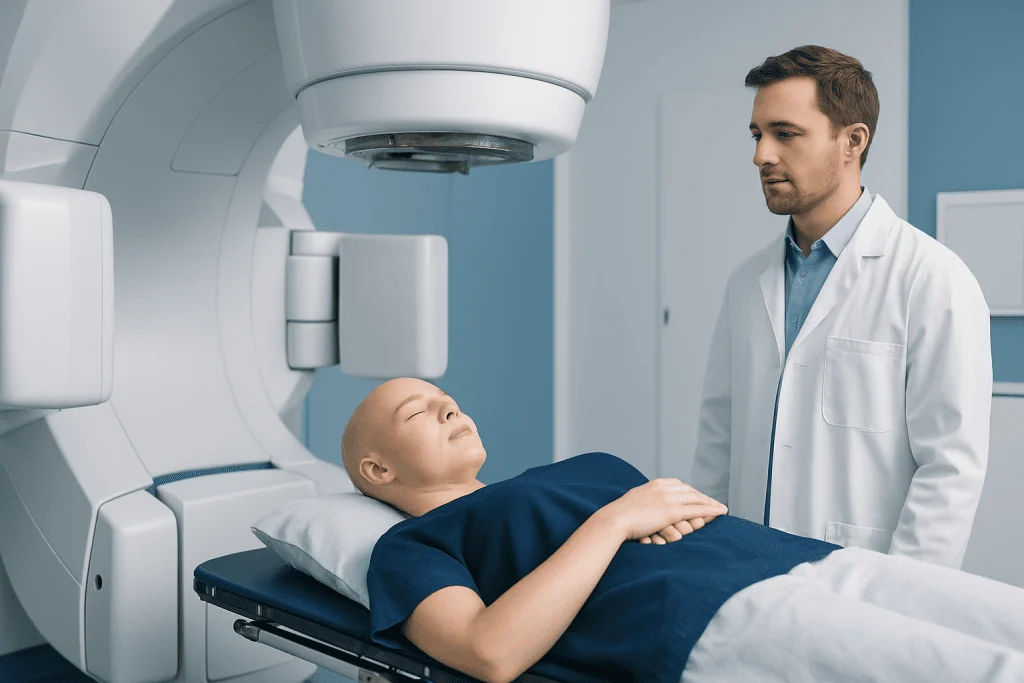
Doctors may recommend radiation therapy for many types of cancer, including breast, prostate, lung, head and neck, brain, rectal, cervical, and skin cancers, among others. It can be used at different stages of care, depending on the cancer type, size, location, and whether it has spread.
In some people, radiation is the main treatment. In others, it is one part of a broader plan that may include chemotherapy, immunotherapy, surgery, or hormone treatment. Radiation may also be used after surgery to destroy any microscopic cancer cells that could remain in the area.
Sometimes radiation therapy is given with the goal of symptom relief rather than cure. This is called palliative radiation. It may help reduce pain from bone metastases, ease swallowing problems, or relieve pressure on the brain, spinal cord, or other organs. Even when the aim is symptom control, treatment planning remains careful and individualized.
Step by Step: What to Expect Before and During Treatment
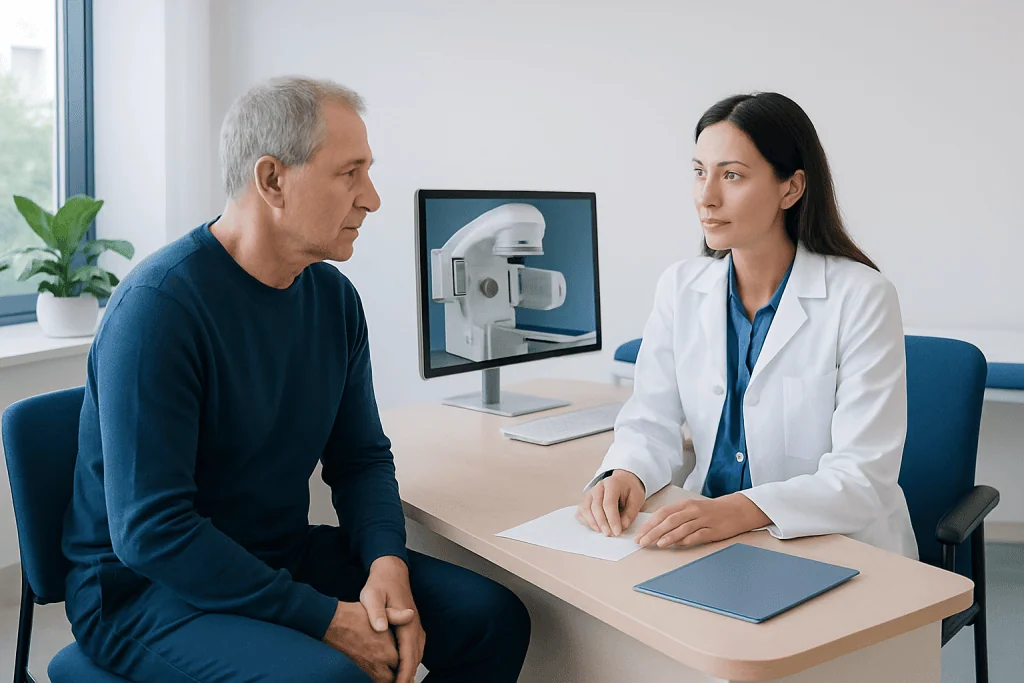
Radiation therapy usually begins with a consultation with a radiation oncologist. The doctor reviews the diagnosis, imaging, pathology reports, and overall treatment goals. The team explains the expected benefits, possible side effects, and how treatment fits with other cancer care. Questions about work, travel, eating, and daily routines are also important at this stage.
Next comes simulation and treatment planning. During simulation, the patient is positioned in the same way they will be treated, often on a special table. Imaging such as CT, and sometimes MRI or PET, is used to map the tumor and nearby organs. Small skin marks or tiny tattoos may be placed to help ensure the same position each day. Some patients need a custom mask, mold, or body support to keep the treatment area still.
After simulation, the radiation oncology team develops a detailed plan. This process can take several days because doctors, medical physicists, and dosimetrists calculate the safest and most effective dose. Modern techniques such as image-guided radiation therapy and intensity-modulated radiation therapy can help shape the radiation very precisely around the tumor.
During external beam treatment sessions, the patient lies still while the machine moves around the body. The treatment itself is painless and usually takes only a few minutes, although the appointment may be longer because of positioning and imaging checks. Most people receive treatment on weekdays over several days or weeks, depending on the cancer type and plan. Internal radiation treatments follow a different schedule and may involve a procedure in an operating room or treatment suite.
Possible Side Effects and How They Are Managed
Side effects from radiation therapy depend mainly on the area treated, the total dose, the number of sessions, and whether other treatments are being given at the same time. Not everyone experiences the same effects, and some people have only mild symptoms. Side effects may begin during treatment, appear later, or continue for a period after therapy ends.
Common general side effects include fatigue and skin reactions in the treated area. The skin may become pink, dry, itchy, tender, or darker than usual. Fatigue often builds gradually over the course of treatment. Rest, balanced nutrition, hydration, gentle activity, and asking for help with daily tasks can all be useful.
Side effects can also be specific to the body area being treated. For example, radiation to the head and neck may cause mouth soreness, dry mouth, taste changes, or swallowing discomfort. Radiation to the chest can lead to sore throat or cough. Treatment to the abdomen or pelvis may cause nausea, diarrhea, bladder irritation, or bowel changes. Hair loss usually happens only in the area that receives radiation, unlike the more widespread hair loss that can happen with some chemotherapy drugs.
Many side effects can be reduced with early supportive care. The care team may recommend skin care measures, mouth rinses, dietary adjustments, medicines for nausea or diarrhea, pain relief, or referral to nutrition and rehabilitation services. Patients should not apply creams, supplements, or herbal products to the treatment area without checking first, because some products can irritate the skin or interfere with care.
Recovery After Radiation Therapy
Recovery after radiation therapy is often gradual rather than immediate. Some side effects improve within a few days or weeks, while others may take longer, depending on the treatment area and the person’s overall health. Fatigue can continue for a short time after treatment ends, and skin changes may peak near the end of the treatment course before settling down.
Follow-up appointments are an important part of recovery. Doctors monitor how the body is healing, check for side effects that appear later, and assess how the cancer responded. Imaging or blood tests may be scheduled at specific intervals, but results are not always available right away because radiation continues to affect cancer cells even after the last session.
Self-care during recovery usually includes adequate sleep, nutritious meals, light physical activity as tolerated, and protecting treated skin from friction and sun exposure. Stopping smoking, limiting alcohol if advised, and taking medications exactly as prescribed can also support healing. Emotional recovery matters too, and many people benefit from counseling, support groups, or speaking with their oncology nurse about practical concerns.
Long-Term Effects, Fertility, and Daily Life Considerations
Some people have no lasting problems after radiation therapy, while others may develop long-term or late effects months or years later. These depend on the treatment site and dose. Examples can include persistent bowel or bladder changes, dry mouth, stiffness, lymphedema, changes in sexual function, or effects on nearby organs. The treatment team discusses these possibilities before therapy starts so patients can make informed decisions.
Fertility can be affected when radiation involves the pelvis or reproductive organs. For this reason, fertility preservation should be discussed before treatment whenever future family planning may be important. Sexual health and intimacy concerns are also common and can often be addressed with practical support and medical guidance.
Many people continue some of their normal routine during treatment, including work, family responsibilities, and gentle exercise. However, adjustments may be needed based on fatigue, transport time, and the treatment area. If rehabilitation is needed after surgery or treatment, coordinated care may include cancer rehabilitation and symptom-focused follow-up.
For people receiving care across specialties, treatment may also be coordinated with services such as radiation oncology. Near the end of the treatment pathway, some international patients choose centers such as Acibadem International, where multidisciplinary specialists in JCI-accredited hospitals diagnose and treat cancer with individualized planning.
When to Contact a Doctor
Patients should contact their care team if side effects become difficult to manage or interfere with eating, drinking, sleeping, or daily activities. It is especially important to seek advice for fever, dehydration, severe pain, uncontrolled vomiting or diarrhea, bleeding, worsening cough, shortness of breath, or signs of infection in the treated area.
Urgent medical attention may be needed for chest pain, sudden trouble breathing, confusion, new weakness, severe headache, or inability to pass urine or stool. These symptoms can have many causes, but they should not be ignored during cancer treatment.
Regular communication with the oncology team helps problems get treated early. Patients should keep a list of symptoms, medications, and questions, and bring it to appointments. People living with related conditions such as lung cancer or breast cancer may have specific follow-up needs based on the area treated and the overall care plan.
Frequently asked questions
Is radiation therapy painful?
The radiation itself is not painful. During treatment, the patient usually lies still on a table while the machine delivers the planned dose. Some side effects, such as skin irritation or soreness in the treated area, may develop later and can often be managed with supportive care.
How long does radiation therapy usually take?
The overall course varies depending on the type of cancer, treatment goal, and radiation technique. Some patients have just a few treatments, while others receive daily sessions over several weeks. Individual appointments are often short, although setup and imaging can make the visit longer.
Will radiation therapy make the patient radioactive?
Most people receiving external beam radiation therapy do not become radioactive and are safe to be around family, children, and pregnant people. Some forms of internal radiation or systemic radioactive treatment may require temporary precautions. The care team explains clearly if any special safety steps are needed.
Can radiation therapy be given with chemotherapy?
Yes, in some cancers radiation therapy is given together with chemotherapy. This combination can improve treatment effectiveness in certain situations, but it may also increase some side effects. The decision depends on the cancer type, stage, and the person's overall health.
What can help with fatigue during radiation therapy?
Fatigue is common and often improves with a balance of rest and light activity. Short walks, good hydration, regular meals, and a consistent sleep routine may help. Patients should also tell their doctor if fatigue is severe, because anemia, pain, poor nutrition, or other problems may be contributing.
Can a patient work or travel during radiation therapy?
Many people continue working or doing some usual activities during treatment, but this depends on energy levels, the body area treated, and appointment schedules. Travel can be more difficult when treatments are given daily, especially over several weeks. It is best to discuss work and travel plans early so the care team can help with practical planning.
References
- National Cancer Institute
- American Cancer Society
- National Health Service
- American Society for Radiation Oncology
- World Health Organization
This article is for general information only and is not a substitute for professional medical advice. Please consult a qualified doctor about your individual situation.
Radiation Therapy in Turkey — costs, top hospitals & a free quote
JCI-accredited · board-certified surgeons · reply within 24h
Add us as a Preferred Source to see more of our trusted health content across Google Search, AI Overviews and Discover.

Radiation Oncology
Precision radiotherapy and radiosurgery using advanced linear accelerators and image-guided techniques.
26 specialists in this unitMore from the Health Library


Related Specialists

Prof. Dr. Güralp Onur Ceyhan
General Surgery
Prof. Dr. Can Gönen
Gastroenterology
Assoc. Prof. Dr. Diğdem Özer Etik
Gastroenterology
Dr. Osman Bütün
Medical Oncology