

Rash on Inner Thigh: Common Causes, Related Conditions, and When to See a Doctor

A rash on inner thigh often comes from chafing, contact irritation, heat, or fungal infection. The appearance of the rash and whether it itches, burns, scales, or spreads can help suggest the cause.
Key Takeaways
- A rash on inner thigh often comes from chafing, contact irritation, heat, or fungal infection.
- The appearance of the rash and whether it itches, burns, scales, or spreads can help suggest the cause.
- Persistent, painful, oozing, or rapidly worsening rashes should be assessed by a doctor.
- Keeping the area clean, dry, and reducing friction can help prevent many inner thigh rashes.
- Diagnosis may require a skin examination and sometimes a skin scraping or patch testing.
A rash on inner thigh is commonly linked to friction, sweat, irritation, or fungal infection, especially in warm, moist skin folds. While many cases improve with skin care and avoiding triggers, some rashes need medical evaluation to confirm the cause and rule out infection or inflammatory skin disease.
Overview: What a Rash on the Inner Thigh Can Mean
A rash on inner thigh usually has a straightforward explanation: the skin in this area is exposed to friction, heat, sweat, and trapped moisture. These conditions can irritate the skin directly or allow yeast and fungi to grow more easily. As a result, common causes include chafing, heat rash, contact dermatitis, and fungal infections such as jock itch.
That said, not every inner thigh rash is the same. Some are mainly red and sore, some are itchy and scaly, and others may form bumps, blisters, or patches with a clear border. The pattern, symptoms, and triggers often give important clues about whether the rash is caused by irritation, infection, allergy, or an underlying skin condition.
Many mild rashes improve with simple measures such as reducing moisture, wearing loose clothing, and avoiding fragranced products. However, if the rash lasts more than a short time, keeps coming back, spreads, or causes significant discomfort, a medical assessment is the safest way to identify the cause and choose the right treatment.
Symptoms and Clues That Help Identify the Cause
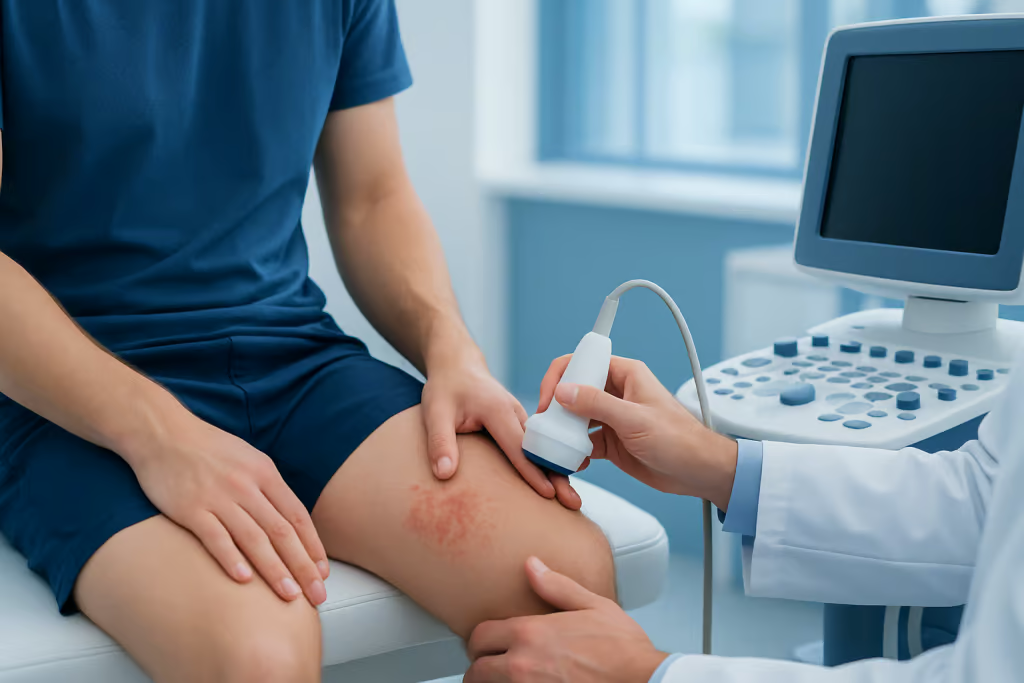
An inner thigh rash can look and feel different depending on the reason behind it. Redness is common, but the skin may also become darker, flaky, raised, shiny, cracked, or tender. Some people mainly notice itching, while others experience burning, stinging, or pain during walking or exercise.
Certain features can help narrow down the possibilities. A rash caused by friction often appears where the thighs rub together and may feel raw or sensitive. A fungal rash may have a defined edge, scaling, and itching, and it can spread outward over time. Contact dermatitis may begin soon after using a new soap, detergent, fabric, or topical product. Heat rash often causes small red bumps or prickling discomfort in hot weather.
Other symptoms may suggest infection or a more complex skin disorder. These include swelling, warmth, pus, crusting, fever, or sores that do not heal. If the rash affects other body areas too, conditions such as eczema, psoriasis, or yeast overgrowth may be considered. Some skin problems in the groin can also resemble psoriasis or other inflammatory skin diseases, which is why a clear diagnosis matters.
Common Causes and Related Conditions

Friction and moisture are among the most frequent reasons for a rash on inner thigh. Chafing can develop from exercise, walking, fitted clothing, or skin rubbing against skin. The area may become red, irritated, and tender, especially in warm climates or after sweating. This type of rash is common and often improves once the skin is protected from further rubbing.
Fungal infection is another common cause. Jock itch, also called tinea cruris, usually causes itching and a reddish, scaly rash in the groin and upper inner thighs. It tends to thrive in moist environments and may occur along with athlete’s foot. A yeast-related rash can also affect skin folds, especially if the area stays damp for long periods.
Contact dermatitis happens when the skin reacts to an irritant or allergen. Triggers may include shaving products, scented cleansers, laundry detergent, fabric dyes, sanitary products, or topical creams. Eczema can also affect this area, causing dry, itchy, inflamed skin. In some cases, an inner thigh rash may be associated with eczema rather than infection.
Less common but important related conditions include bacterial skin infection, folliculitis, inverse psoriasis, hidradenitis suppurativa, and sexually transmitted infections that can cause sores or lesions in the groin region. A doctor may also consider whether obesity, diabetes, immune suppression, or frequent sweating are contributing factors that make skin irritation or infection more likely.
Risk Factors and Why the Inner Thigh Is Vulnerable
The inner thighs are naturally prone to irritation because they are often warm, occluded, and exposed to repetitive rubbing. Skin folds trap sweat and reduce airflow, which weakens the skin barrier over time. This makes the area more sensitive to friction and more favorable to organisms such as fungi and yeast.
Some everyday habits can increase the chance of a rash. These include wearing tight or non-breathable clothing, remaining in damp workout clothes, using heavily fragranced products, and shaving frequently. Long periods of walking or exercise can worsen chafing, especially during hot weather.
Medical and personal factors can also play a role. People with sensitive skin, a history of allergies, eczema, fungal infections, or excessive sweating may be more prone to recurrent rashes. Diabetes and immune system problems can make infections more likely or more persistent. Weight gain may increase friction in the inner thigh area, while prolonged bed rest can also lead to moisture-related skin irritation.
How Doctors Diagnose an Inner Thigh Rash
Diagnosis usually starts with a clinical skin examination. A doctor will look at where the rash is located, whether it has a border or scaling, and whether there are signs of infection such as crusting, oozing, or swelling. The medical history is also important, including when the rash started, whether it itches or hurts, and whether there were any new products, clothing, exercise habits, or sexual exposures.
In many cases, the appearance of the rash strongly suggests the cause. However, when the diagnosis is uncertain or the rash is not improving, additional tests may help. A skin scraping may be examined to check for fungal infection. If allergy is suspected, patch testing may be useful. Sometimes a swab is taken if bacterial infection is possible.
Occasionally, a dermatologist may recommend a biopsy if the rash is unusual, severe, or resistant to treatment. This is not needed for most common rashes, but it can help distinguish inflammatory skin disorders from infections or other conditions. Accurate diagnosis is important because treatments that help one type of rash may worsen another.
Treatment Options and What Usually Helps
Treatment depends on the cause. For chafing and mild irritation, the main steps are to keep the skin dry, reduce rubbing, and avoid harsh products. Loose, breathable clothing and changing out of sweaty clothes promptly can help the skin recover. A doctor may suggest a protective barrier ointment or a soothing topical treatment if the skin is inflamed.
If a fungal infection such as jock itch is suspected, antifungal treatment is typically used. Keeping the area dry is an important part of treatment and prevention. If the rash is persistent, extensive, or repeatedly returns, a specialist may evaluate whether there is another source of fungal infection or another skin condition that looks similar. Broader dermatologic assessment can be helpful for recurrent dermatology care.
When contact dermatitis or eczema is the cause, treatment focuses on avoiding triggers and calming inflammation. This may include gentle skin care and, when appropriate, prescription creams recommended by a physician. If symptoms overlap with infection or involve multiple skin concerns, a clinician may coordinate care with skin diseases treatment.
Bacterial infections, boils, painful lumps, or abscess-like lesions need medical evaluation because they may require prescription treatment or drainage. If there is concern about deeper infection, severe inflammation, or a chronic inflammatory condition, doctors may also use laboratory testing or imaging in selected cases through check-up and specialist evaluation.
Prevention and Self-Care at Home
Prevention often focuses on reducing friction and moisture. Washing gently, drying the groin and inner thighs carefully after bathing, and changing out of sweaty clothes soon after exercise can make a meaningful difference. Breathable fabrics such as cotton or moisture-wicking sportswear may help reduce irritation.
People prone to chafing may benefit from applying a barrier product before walking, running, or exercise. Avoiding tight clothing, rough seams, and prolonged dampness can also protect the skin. If shaving seems to trigger irritation, adjusting hair-removal methods or using gentler products may help.
It is also wise to avoid sharing towels and to treat athlete’s foot promptly, because fungi can spread from the feet to the groin area. Fragrance-free skin products are often better tolerated in sensitive areas. Self-care is reasonable for a mild rash, but home treatment should not continue indefinitely if the rash is worsening, spreading, or not improving.
- Keep the area cool and dry.
- Wear loose, breathable clothing.
- Avoid scented soaps, powders, and creams on irritated skin.
- Change underwear and workout clothes daily or after sweating.
- Seek medical advice before using strong steroid creams in the groin, as they may mask or worsen some infections.
When to Seek Medical Care
A short-lived, mild rash on inner thigh may improve with basic skin care, but some situations deserve professional attention. Medical care is important if the rash is severe, very painful, spreading quickly, or not improving after a reasonable period of self-care. Persistent itching, recurrent episodes, or a rash that keeps returning in the same area also deserves evaluation.
Urgent assessment is advisable if there is fever, pus, bad odor, marked swelling, open sores, bleeding, or signs of a deeper infection. Any rash associated with painful lumps, blisters, genital symptoms, or concern about a sexually transmitted infection should be evaluated promptly. People with diabetes, weakened immunity, or poor wound healing should be especially cautious.
A doctor can help distinguish simple irritation from fungal, bacterial, allergic, or inflammatory causes and recommend appropriate treatment. For patients who need specialist support, Acibadem International’s multidisciplinary specialists in JCI-accredited hospitals diagnose and treat skin conditions for international patients, including evaluation through dermatology care when needed.
Frequently asked questions
What is the most common cause of a rash on inner thigh?
Common causes include chafing, sweat-related irritation, and fungal infection such as jock itch. The inner thigh area is warm and prone to friction, which makes these problems especially common.
How can someone tell if an inner thigh rash is fungal?
A fungal rash often itches and may look red, scaly, and well-defined around the edges. It may spread gradually and can occur along with athlete's foot, but only a doctor can confirm the diagnosis if the appearance is unclear.
Can shaving cause a rash on the inner thighs?
Yes. Shaving can irritate the skin, cause razor burn, or inflame hair follicles, especially in sensitive skin or when fragranced products are used. If bumps become painful or pus-filled, medical advice is a good idea.
Is it safe to use steroid cream on an inner thigh rash?
Not always. Steroid creams may help some inflammatory rashes, but they can worsen or mask certain fungal infections. Because the groin area has delicate skin, it is best to use medicated creams only as advised by a qualified clinician.
When should a rash on inner thigh be checked by a doctor?
A doctor should assess the rash if it is painful, spreading, recurrent, or not improving with basic skin care. Prompt evaluation is also important if there is pus, fever, sores, marked swelling, or concern about infection.
Can heat and exercise trigger an inner thigh rash?
Yes. Heat, sweating, and repetitive friction during walking or exercise commonly trigger chafing and heat rash. Wearing breathable clothing and changing out of damp clothes quickly can help prevent this.
References
- American Academy of Dermatology
- National Health Service
- Mayo Clinic
- Merck Manual Consumer Version
This article is for general information only and is not a substitute for professional medical advice. Please consult a qualified doctor about your individual situation.
Explore treatments in Turkey — costs, top hospitals & a free quote
JCI-accredited · board-certified surgeons · reply within 24h
Add us as a Preferred Source to see more of our trusted health content across Google Search, AI Overviews and Discover.

More from the Health Library



Related Specialists

Dr. Ersen Hürmüzlü
Infectious Diseases & Clinical Microbiology
Dt. Ferhan Ertuğral
Dentistry
Prof. Dr. H. Armağan Arıcan
Radiation Oncology
Prof. Dr. Züleyha Çalikuşu
Internal Medicine