Raw Broccoli — Explained by Medical Evidence, Not Myths
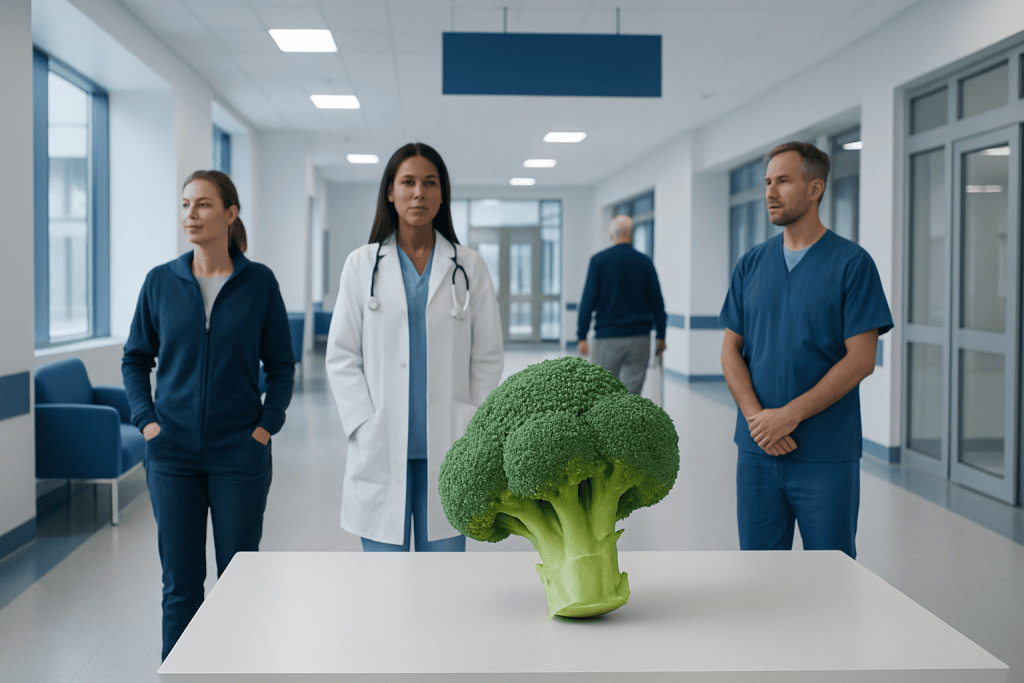
Raw broccoli is a nutrient-dense vegetable that provides fiber, vitamin C, folate, and antioxidants. Eating broccoli raw preserves some heat-sensitive nutrients, but cooking can improve digestibility and the availability of other compounds.
Key Takeaways
- Raw broccoli is a nutrient-dense vegetable that provides fiber, vitamin C, folate, and antioxidants.
- Eating broccoli raw preserves some heat-sensitive nutrients, but cooking can improve digestibility and the availability of other compounds.
- Raw broccoli may cause gas, bloating, or discomfort in some people, especially those with sensitive digestion.
- People taking blood thinners or managing thyroid conditions should ask a doctor about consistent broccoli intake.
- Food safety matters: washing, proper storage, and safe preparation reduce contamination risks.
Raw broccoli is generally healthy, safe, and rich in vitamin C, fiber, and plant compounds that support overall wellness. It is not automatically better than cooked broccoli, however, because digestibility, nutrient absorption, and individual tolerance can differ.
What raw broccoli really means for health
Raw broccoli can be a healthy part of a balanced diet for most people. It provides fiber, vitamin C, folate, potassium, and naturally occurring plant compounds such as glucosinolates, which are studied for their role in supporting normal cell health. For many adults, eating raw broccoli in salads, slaws, or as a snack is a simple way to increase vegetable intake.
At the same time, raw broccoli is not a miracle food, and it is not always the best choice in every situation. Some nutrients are better preserved when broccoli is uncooked, while light cooking may make the vegetable easier to digest and may improve access to certain beneficial compounds. This is why medical evidence supports variety rather than strict rules about only eating vegetables raw.
A practical way to think about raw broccoli is that it is one healthy option among several. Whether it is eaten raw, steamed, roasted, or added to soups, broccoli can contribute to overall nutrition. The best form is often the one a person tolerates well and can eat regularly as part of a varied eating pattern.
Nutrition in raw broccoli
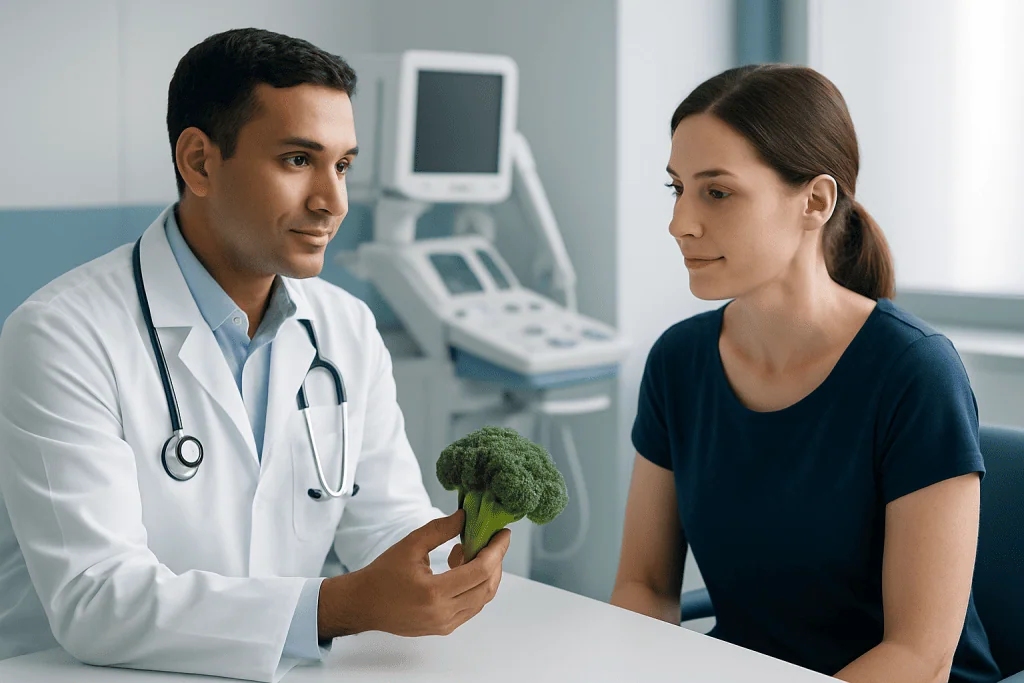
Raw broccoli is low in calories and naturally rich in nutrients. It contains vitamin C, vitamin K, folate, fiber, and small amounts of calcium, iron, and magnesium. It also provides water, which adds volume and can support fullness without adding many calories.
One reason raw broccoli receives attention is its content of phytochemicals, especially glucosinolates and their breakdown products such as sulforaphane. These compounds are being studied for their antioxidant and anti-inflammatory effects. Research in nutrition science suggests that diets rich in cruciferous vegetables, including broccoli, are associated with better long-term health, though no single food prevents disease on its own.
Raw broccoli also contains enzymes involved in forming some of these beneficial compounds when the vegetable is chopped or chewed. However, this does not mean raw is always nutritionally superior. Cooking methods such as steaming can preserve many nutrients while making the vegetable softer and easier to digest, which may help some people eat larger portions more comfortably.
- Vitamin C supports immune function and collagen formation.
- Fiber supports digestion, fullness, and bowel regularity.
- Folate is important for cell growth and tissue health.
- Vitamin K plays a role in normal blood clotting and bone health.
- Plant compounds may help protect cells from oxidative stress.
Raw vs cooked broccoli: which is better?
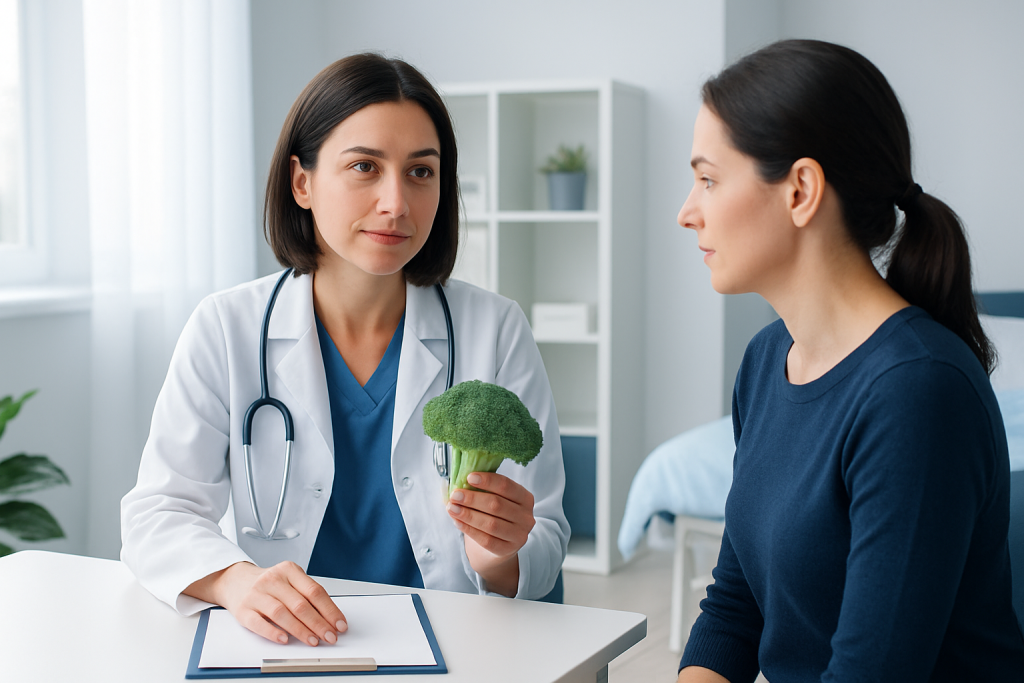
The most accurate answer is that both raw and cooked broccoli can be healthy, but they offer slightly different advantages. Raw broccoli may preserve more vitamin C, which is sensitive to heat. Cooking, especially steaming, can soften the fibrous structure and may make the vegetable easier to chew, digest, and absorb.
Different cooking methods matter. Long boiling can cause some water-soluble nutrients to leach into the cooking water. In contrast, steaming or quick stir-frying often preserves more nutrients while improving texture and flavor. For many people, rotating between raw and lightly cooked broccoli is a practical, evidence-based approach.
Another important point is tolerance. Some people feel well after eating raw broccoli, while others notice gas, bloating, or abdominal discomfort. Those with chronic digestive symptoms may find that cooked broccoli is gentler. If ongoing digestive issues are present, a medical evaluation may be helpful, especially when symptoms overlap with conditions such as irritable bowel syndrome.
Possible downsides and who should be careful
Although raw broccoli is healthy for many people, it can cause digestive symptoms in some. Like other cruciferous vegetables, it contains fermentable carbohydrates and a significant amount of fiber. In sensitive individuals, this may lead to gas, bloating, abdominal pressure, or changes in bowel habits, especially if large portions are eaten quickly.
People with certain health conditions may need a more individualized approach. Broccoli contains vitamin K, which can affect how some blood-thinning medicines work. This does not necessarily mean broccoli must be avoided, but intake should remain consistent and any major dietary change should be discussed with the prescribing doctor.
Raw broccoli also contains compounds called goitrogens, which have been discussed in relation to thyroid function. In normal amounts, raw broccoli is not considered harmful for most people, especially when iodine intake is adequate. However, anyone with known thyroid disease or concerns about an enlarged thyroid gland should ask a clinician for personalized advice. If thyroid symptoms are part of the picture, doctors may assess whether thyroid testing is appropriate.
Food safety is another consideration. Raw vegetables are not exposed to heat that could reduce germs, so washing and safe storage are important. People who are pregnant, immunocompromised, very elderly, or seriously ill should be especially careful with raw produce hygiene.
Best ways to eat raw broccoli safely and comfortably
Good preparation can make raw broccoli more enjoyable and easier to tolerate. Thoroughly rinse the florets and stems under running water, trim away damaged parts, and store broccoli in the refrigerator. If desired, soaking briefly and rinsing again may help remove surface dirt, though routine washing is usually enough for home use.
Texture also matters. Cutting raw broccoli into smaller florets can make it easier to chew and digest. Some people prefer shaved broccoli slaw or thinly sliced stems rather than large raw florets. Pairing it with a dip, yogurt-based dressing, olive oil, lemon, or other vegetables can improve taste and encourage regular intake.
For those who experience bloating, it may help to start with small portions instead of eating a large bowl at once. Chewing thoroughly and combining raw broccoli with other foods may reduce discomfort. If symptoms continue despite small servings, switching to lightly steamed broccoli is a reasonable option.
- Wash before eating or cutting.
- Refrigerate promptly and avoid produce that smells spoiled or feels slimy.
- Cut into small pieces for easier chewing.
- Begin with modest portions if digestion is sensitive.
- Choose steamed broccoli if raw causes repeated discomfort.
How raw broccoli fits into different health goals
Raw broccoli can support several common health goals because it is filling, nutrient-dense, and low in calories. For people trying to improve overall diet quality or manage weight, it can add volume and fiber to meals without requiring complex preparation. It also pairs well with protein-rich foods and whole grains, which can help create balanced meals.
Its fiber content may support digestive regularity in many people, although this benefit depends on overall fluid intake and individual tolerance. When increasing fiber, doing so gradually is often more comfortable. This is especially relevant for people with a history of constipation, bloating, or other digestive concerns.
Raw broccoli may also be a useful choice for people looking to increase vegetable variety and reduce reliance on highly processed snacks. Still, it should not be viewed as a substitute for a comprehensive healthy eating pattern. If a person has ongoing digestive symptoms, unexplained weight change, or trouble tolerating multiple foods, doctors may recommend evaluation that could include a gastroenterology check-up or further digestive testing.
When to seek medical care
Most reactions to raw broccoli are mild and related to digestion, such as temporary gas or bloating. Medical advice is more important if symptoms are severe, persistent, or clearly out of proportion to the amount eaten. Examples include intense abdominal pain, repeated vomiting, dehydration, blood in the stool, trouble swallowing, or unintended weight loss.
Professional assessment is also sensible when eating raw broccoli repeatedly triggers major discomfort, especially if similar symptoms happen with other vegetables or high-fiber foods. This may point to an underlying digestive condition rather than a problem with broccoli alone. In some cases, doctors evaluate for food intolerance, bowel disorders, or upper digestive conditions such as gastroesophageal reflux disease.
People taking blood thinners, those with diagnosed thyroid disease, and individuals with weakened immune systems should seek personalized guidance before making major dietary changes. Near the end of the care pathway, patients may also choose centers with coordinated nutrition and medical support; Acibadem International’s multidisciplinary specialists and JCI-accredited hospitals diagnose and treat digestive and endocrine-related concerns for international patients.
Frequently asked questions
Is raw broccoli healthier than cooked broccoli?
Not always. Raw broccoli may preserve more vitamin C, while cooking can make it easier to digest and may improve access to some beneficial compounds. For most people, both forms can be part of a healthy diet.
Can raw broccoli cause gas or bloating?
Yes, it can in some people. Its fiber and fermentable carbohydrates may lead to gas, bloating, or abdominal discomfort, especially when eaten in large amounts or by people with sensitive digestion.
Is it safe to eat raw broccoli every day?
For most healthy adults, eating raw broccoli regularly is safe as part of a varied diet. The main considerations are digestive tolerance, proper washing, and consistency if a person takes medicines affected by vitamin K.
Does raw broccoli affect thyroid health?
In normal food amounts, raw broccoli is not usually a problem for most people. Those with thyroid disease should ask their doctor for individualized advice, especially if they eat large amounts of cruciferous vegetables or have concerns about iodine intake.
Should people on blood thinners avoid raw broccoli?
They usually do not need to avoid it completely. The key is keeping vitamin K intake relatively consistent and discussing major dietary changes with the prescribing doctor, since sudden changes may affect treatment monitoring.
What is the best way to make raw broccoli easier to digest?
Cutting it into smaller pieces, chewing thoroughly, and starting with small portions may help. If symptoms continue, lightly steaming broccoli is often a simple alternative that many people tolerate better.
References
- World Health Organization
- U.S. Department of Agriculture
- National Institutes of Health
- Academy of Nutrition and Dietetics
- National Institute of Diabetes and Digestive and Kidney Diseases
This article is for general information only and is not a substitute for professional medical advice. Please consult a qualified doctor about your individual situation.
Explore treatments in Turkey — costs, top hospitals & a free quote
JCI-accredited · board-certified surgeons · reply within 24h
Add us as a Preferred Source to see more of our trusted health content across Google Search, AI Overviews and Discover.

More from the Health Library

Macronutrients: What Patients Need to Know

Gender Test at Home: An Evidence-Based Guide for Patients

Cording — Explained by Medical Evidence, Not Myths

Avena: A Complete Medical Overview

Substitute for Vanilla Abstract: What Patients Need to Know