Raw Pumpkin Seeds: An Evidence-Based Guide for Patients

Raw pumpkin seeds are a nutrient-dense food that can fit into many balanced eating patterns. They provide plant protein, unsaturated fats, fiber, magnesium, zinc, and antioxidants.
Key Takeaways
- Raw pumpkin seeds are a nutrient-dense food that can fit into many balanced eating patterns.
- They provide plant protein, unsaturated fats, fiber, magnesium, zinc, and antioxidants.
- Possible downsides include stomach discomfort from overeating, calorie excess, and allergy risk in sensitive people.
- Unsalted, plain seeds are usually the best choice for regular use.
- People with digestive symptoms, kidney concerns, or special diets may benefit from personalized medical advice.
Raw pumpkin seeds are edible seeds that provide protein, fiber, healthy fats, magnesium, zinc, and other nutrients. For many people, they can be a healthy addition to meals and snacks, but portion size, preparation, and individual medical needs still matter.
Overview
Raw pumpkin seeds are the flat, green seeds found inside certain pumpkins. They are often called pepitas when the outer white shell has been removed. In general, raw pumpkin seeds are considered a healthy food because they contain a useful mix of protein, fiber, unsaturated fats, vitamins, minerals, and plant compounds.
For patients asking whether raw pumpkin seeds are good for health, the short answer is yes for most people, when eaten in moderate amounts as part of a balanced diet. They are not a cure for disease, but they can contribute to overall nutrition and may support heart health, blood sugar balance, digestive health, and satiety.
What makes this topic clinically important is not just the nutrient list. It is also how the seeds are used in real life: portion size, sodium content, food safety, chewing ability, digestive tolerance, and a person’s underlying medical conditions all influence whether raw pumpkin seeds are a helpful choice.
Because nutrition advice should be practical, patients may think of raw pumpkin seeds as one small building block of healthy eating rather than a “superfood” that replaces medical care. They can be added to yogurt, salads, soups, or oatmeal, or eaten alone as a snack.
Nutrition and potential health benefits
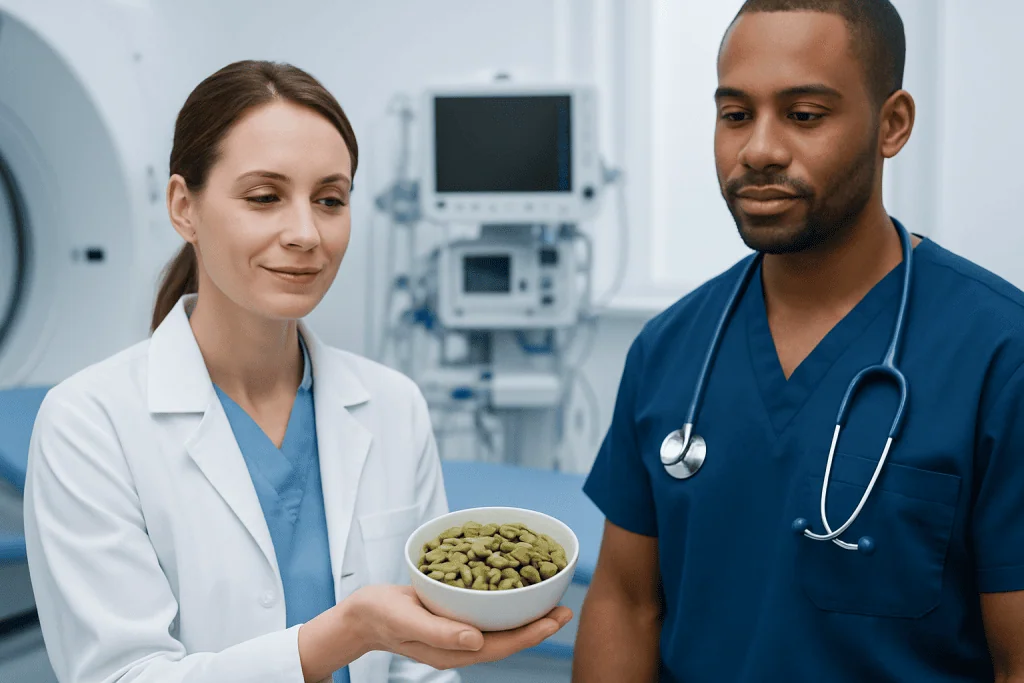
Raw pumpkin seeds are nutrient-dense in a relatively small volume. They typically provide plant-based protein, fiber, and fats that are mostly unsaturated. They are also a notable source of magnesium, zinc, iron, phosphorus, manganese, and vitamin E-related compounds. These nutrients are involved in many normal body functions, including muscle and nerve function, immune support, bone health, and energy metabolism.
One of the main reasons raw pumpkin seeds are often recommended is their magnesium content. Magnesium helps support normal muscle contraction, nerve signaling, blood pressure regulation, and blood sugar control. Many adults do not meet daily magnesium needs consistently, so foods like pumpkin seeds can help close that gap.
Their fat profile is another advantage. Raw pumpkin seeds contain unsaturated fats, which can fit into a heart-conscious eating pattern when they replace less healthy snack choices. Along with fiber and protein, these fats may help a person feel full for longer after eating. That may support appetite control and make it easier to avoid highly processed snacks.
Potential benefits often discussed in research and clinical nutrition include:
- Support for heart health as part of an overall healthy diet
- Help with satiety because of the combination of protein, fiber, and fat
- Support for digestive regularity when eaten with enough fluids
- Contribution to immune function through minerals such as zinc
- Antioxidant support from plant compounds and vitamin E-related substances
How raw pumpkin seeds may affect specific health concerns

Patients often want to know whether raw pumpkin seeds help with a particular condition. The most evidence-based answer is that they may support health, but they do not replace diagnosis or treatment. For example, because they contain fiber, healthy fats, and minerals, they may be a reasonable food choice within an eating plan for people working on cholesterol, blood pressure, or blood sugar goals.
For digestive health, raw pumpkin seeds may be helpful in modest amounts, especially when they replace low-fiber snack foods. However, large servings may lead to bloating or abdominal discomfort in some people, particularly those with sensitive digestion. People with ongoing symptoms such as pain, persistent constipation, diarrhea, or unexplained weight changes should be assessed for underlying conditions rather than relying on diet changes alone, including gastrointestinal disorders.
Some patients also ask whether pumpkin seeds are useful in diabetes-friendly diets. Because they contain protein, fiber, and fat, they may have a gentler effect on blood sugar than refined carbohydrate snacks. Still, they are calorie-dense, so portion awareness remains important for weight management and metabolic health. If a person has known glucose concerns, individualized guidance through diabetes care may be more useful than general nutrition advice.
There is also interest in pumpkin seeds and urinary or prostate health, mostly because of traditional use and their nutrient content. While they can be part of a healthy diet, they should not be viewed as treatment for urinary symptoms, prostate enlargement, or pelvic pain. New or persistent symptoms deserve proper medical evaluation.
Possible risks, side effects, and who should be cautious
Raw pumpkin seeds are safe for most healthy adults when eaten in normal food amounts. Even so, they may cause problems in certain situations. The most common issue is digestive discomfort from eating too much at once. Because they are rich in fiber and fat, large portions may lead to bloating, gas, stomach heaviness, or loose stools in some people.
Another consideration is calorie density. Raw pumpkin seeds are nutritious, but they are not a low-calorie food. Regularly eating large handfuls in addition to normal meals may make it harder to maintain a healthy weight. Choosing a modest serving and using them to replace, not add to, less healthy snacks is usually a more balanced approach.
Patients should also consider sodium and additives. Plain, unsalted raw pumpkin seeds are generally preferable to heavily salted or flavored products. High-sodium snacks may work against blood pressure goals and may be less appropriate for some people with heart or kidney concerns. For patients already being treated for blood pressure or circulation issues, broad dietary planning may be discussed alongside cardiology care.
Caution is also sensible for people with seed allergies, swallowing difficulties, or certain digestive disorders. Small children may be at risk of choking if seeds are not prepared in an age-appropriate form. Patients with chronic kidney disease, severe gastrointestinal disease, or highly individualized medical diets should ask a doctor or dietitian whether pumpkin seeds fit their plan.
How to eat raw pumpkin seeds safely and sensibly
Raw pumpkin seeds can be eaten as they are, sprinkled over food, or blended into recipes. They pair well with oatmeal, salads, soups, yogurt, grain bowls, and homemade trail mixes. They can also be added to smoothies or ground into sauces for people who prefer a softer texture.
Good food safety and storage matter because seeds contain oils that can go rancid over time. They should be stored in a cool, dry place in a tightly sealed container. If they develop an off smell, bitter taste, or stale flavor, they should be discarded. Refrigeration can help extend freshness, especially in warm climates.
Patients who are new to high-fiber foods may do best by starting with a small amount and increasing gradually. Drinking enough water may also help improve tolerance. If whole seeds feel hard to chew or digest, ground seeds or seed butter may be easier options.
Helpful everyday tips include:
- Choose plain, unsalted seeds when possible
- Use small portions, especially if weight control is a goal
- Add them to meals for texture and nutrition rather than relying on them alone
- Check labels for added salt, sugar, or oils in packaged products
- Store them properly to maintain quality and safety
Raw vs roasted pumpkin seeds
Patients often ask whether raw pumpkin seeds are healthier than roasted ones. Both can be nutritious. The main differences usually relate to taste, texture, and how they are prepared. Raw seeds may retain a slightly different nutrient profile, while roasted seeds often have a stronger flavor and crunch that some people prefer.
From a practical health perspective, preparation matters more than the simple raw-versus-roasted label. Dry-roasted seeds without heavy salt or sugary coatings can still be a healthy option. By contrast, heavily seasoned packaged snacks may contain more sodium, refined oils, or flavoring ingredients than a patient expects.
Some people digest roasted seeds more comfortably, while others enjoy raw seeds mixed into softer foods. There is no universal best choice for everyone. The healthiest option is usually the one that fits a person’s nutritional needs, chewing ability, digestive comfort, and overall eating pattern.
Patients with chronic digestive complaints should not assume that changing the form of the seed will solve the problem. If symptoms continue, further medical assessment may be needed, sometimes including gastroenterology evaluation and treatment.
When to seek medical care
Raw pumpkin seeds do not usually require medical attention on their own, but certain symptoms should not be ignored. A patient should contact a doctor if eating seeds is followed by signs of an allergic reaction, such as hives, facial swelling, wheezing, or trouble breathing. These symptoms can become serious and need urgent care.
Medical advice is also important if a person develops ongoing abdominal pain, persistent bloating, vomiting, blood in the stool, or major changes in bowel habits. While these symptoms may not be caused by pumpkin seeds, they can signal another digestive problem that needs evaluation.
Patients with diabetes, chronic kidney disease, swallowing disorders, or medically restricted diets may benefit from asking whether pumpkin seeds are suitable for them and in what amount. Ongoing nutrition concerns may also justify referral for structured support, including nutrition and diet counseling.
For international patients who need further evaluation, Acibadem International’s multidisciplinary specialists and JCI-accredited hospitals diagnose and treat a wide range of digestive, metabolic, and cardiovascular conditions in a coordinated setting.
Frequently asked questions
Are raw pumpkin seeds healthy?
Yes, raw pumpkin seeds are healthy for many people when eaten in moderate amounts. They provide protein, fiber, unsaturated fats, and important minerals such as magnesium and zinc.
How many raw pumpkin seeds should a person eat?
There is no single perfect amount for everyone, but a small serving is often enough to add nutrition without excess calories. Portion needs depend on overall diet, weight goals, digestive tolerance, and medical conditions.
Can raw pumpkin seeds upset the stomach?
They can in some people, especially if a large amount is eaten at once. Bloating, gas, or stomach discomfort may occur because of their fiber and fat content.
Are raw pumpkin seeds better than roasted pumpkin seeds?
Not necessarily. Both can be nutritious, and the healthier choice often depends on whether salt, sugar, or added oils are used during preparation. Plain raw or lightly roasted seeds are both reasonable options for most people.
Can people with diabetes eat raw pumpkin seeds?
Many people with diabetes can include raw pumpkin seeds in a balanced eating plan. Because they contain protein, fiber, and fat, they may be a steadier snack choice than refined carbohydrate foods, but portion size still matters.
Should raw pumpkin seeds be soaked before eating?
Soaking is not medically required for most people. Some people prefer soaking or grinding them for texture or easier digestion, but many can eat them raw without problems.
This article is for general information only and is not a substitute for professional medical advice. Please consult a qualified doctor about your individual situation.
Explore treatments in Turkey — costs, top hospitals & a free quote
JCI-accredited · board-certified surgeons · reply within 24h
Add us as a Preferred Source to see more of our trusted health content across Google Search, AI Overviews and Discover.
Check your numbers in seconds
BMI, calories, due date, blood pressure and 30+ more clinical calculators — free, instant, doctor-reviewed ranges.

More from the Health Library

Burnout: A Complete Medical Overview

Djd of the Knees: An Evidence-Based Guide for Patients

Bump Inside the Tongue: An Evidence-Based Guide for Patients

Dermal Fillers — Explained by Medical Evidence, Not Myths

Heartburn Causes — Explained by Medical Evidence, Not Myths