Really long poop meaning: Common Causes, Warning Signs, and When to See a Doctor

A long stool is often related to how stool forms and moves through the colon rather than a disease by itself. Constipation, dehydration, low fiber intake, and delaying bowel movements are common reasons for unusually long stool.
Key Takeaways
- A long stool is often related to how stool forms and moves through the colon rather than a disease by itself.
- Constipation, dehydration, low fiber intake, and delaying bowel movements are common reasons for unusually long stool.
- A one-time change is usually not serious, but ongoing changes in stool pattern deserve medical attention.
- Red-flag symptoms include blood in the stool, severe pain, unexplained weight loss, fever, or vomiting.
- Healthy hydration, balanced fiber intake, regular activity, and consistent toilet habits can support normal bowel movements.
Really long poop meaning is often simple: stool may become long when it forms slowly in the colon, especially with low fluid intake, constipation, or changes in bowel habits. In many cases this is not dangerous, but persistent changes, pain, bleeding, or weight loss should be assessed by a doctor.
Overview: What Really Long Poop Meaning Usually Is
Really long poop meaning usually comes down to stool spending enough time in the colon to become well formed and shaped into a long piece. The large intestine removes water from waste as it moves along, and the final shape can reflect hydration, diet, bowel rhythm, and how easily the stool passes. A single long bowel movement is often just a normal variation.
Many people notice stool length and wonder whether it signals a blockage or another serious problem. In most cases, length alone does not tell the full story. Doctors are usually more interested in the overall pattern: whether the stool is hard or soft, whether passing it is painful, how often bowel movements happen, and whether there are warning signs such as bleeding or weight loss.
It can also help to think about stool shape rather than size alone. A long, smooth, sausage-like bowel movement may actually reflect a fairly typical stool form. By contrast, very hard, lumpy, narrow, or consistently difficult-to-pass stool may point to constipation, pelvic floor problems, or another digestive issue that deserves evaluation.
How Stool Becomes Long
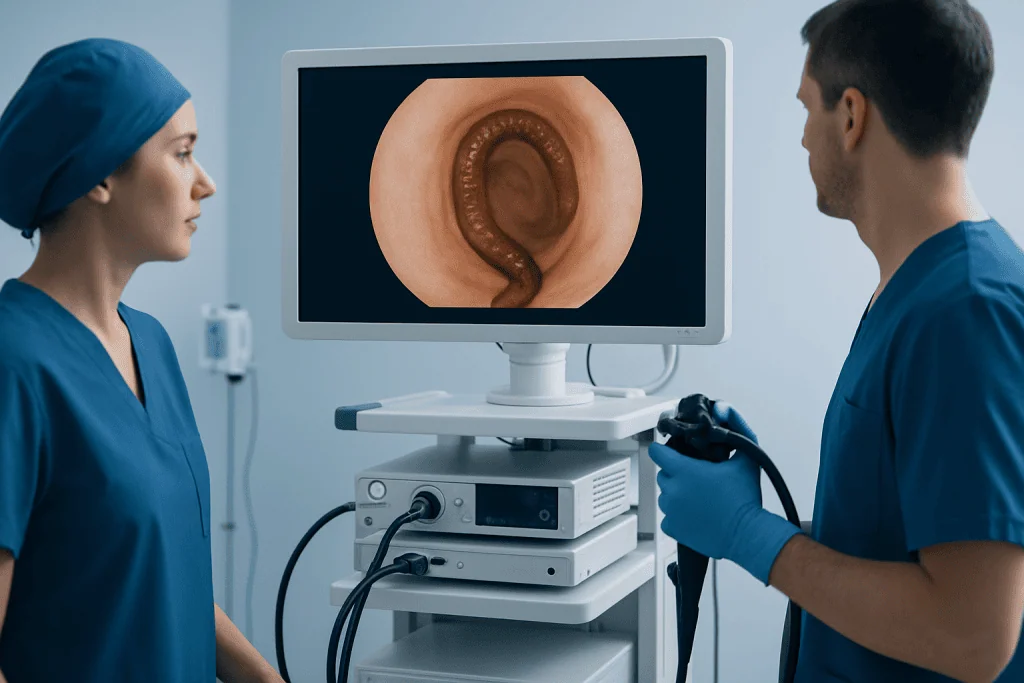
Stool forms as digested food moves through the intestines. In the colon, water is absorbed and the remaining material is compacted. When the muscles of the bowel move waste along in a steady way, stool can collect into one longer, continuous piece before it is passed.
Several everyday factors influence this process. Eating enough fiber can add bulk and help stool hold together. Drinking enough fluids helps keep it soft enough to move comfortably. Going to the toilet when the body signals the need to go also matters, because delaying bowel movements can allow more water to be removed, making stool larger, drier, and harder to pass.
Body position and straining can play a role too. Some people pass a longer stool simply because the bowel emptied more completely that day. This is why one unusually long bowel movement, without other symptoms, is often not a cause for concern.
Common Causes of Long Stool

The most common explanation for long stool is mild constipation or slower-than-usual bowel transit. When stool stays in the colon longer, it can become more formed and elongated. This may happen after travel, changes in routine, low fluid intake, reduced physical activity, or a diet low in fruits, vegetables, beans, and whole grains.
Another possible cause is simply normal variation. Bowel movements naturally differ from day to day depending on meals, stress, hormones, sleep, and exercise. Some people regularly pass longer stools and have no underlying illness if the stool is easy to pass and bowel habits are otherwise stable.
Digestive conditions can also affect stool shape and bowel rhythm. For example, people with irritable bowel syndrome may notice changes in stool size, consistency, and frequency that come and go. Conditions linked with chronic constipation, pelvic floor dysfunction, or slow-transit bowel patterns may cause stools to be large, long, or difficult to pass.
Medications can contribute as well. Iron supplements, some pain medicines, and certain other drugs may slow bowel movements or harden stool. If a new medicine seems to coincide with a change in stool pattern, a doctor or pharmacist can help review whether it may be contributing.
When Long Stool May Suggest Constipation or Another Problem
Length itself is usually less important than the way the stool looks and feels to pass. Long stool may suggest constipation if it is hard, dry, cracked, or associated with straining, a sense of incomplete emptying, or fewer bowel movements than usual. Repeated episodes can sometimes lead to hemorrhoids or small tears around the anus because of pressure during passing.
Some people worry that a very long stool means a dangerous blockage. A true bowel obstruction typically causes much more than an unusual stool shape. Warning symptoms may include severe abdominal pain, bloating, vomiting, inability to pass gas, or the sudden absence of bowel movements. Those symptoms need prompt medical evaluation.
On the other hand, stool that becomes persistently very thin or pencil-like is different from stool that is simply long. Narrow stool can have harmless explanations, but if the change continues or appears with bleeding, abdominal pain, anemia, or weight loss, doctors may investigate the colon more closely, sometimes using tests such as colonoscopy.
Ongoing constipation may occasionally be linked with other digestive conditions, including colon cancer, although constipation alone is much more often caused by benign factors. The key point is persistence and the presence of associated symptoms, not stool length by itself.
Associated Symptoms to Notice
Looking at the bigger picture can help make sense of a bowel change. Important details include how often bowel movements happen, whether there is straining, whether the stool is hard or soft, and whether there is urgency, mucus, pain, bloating, or a feeling that the rectum has not emptied fully. These clues are often more useful than stool length alone.
Color also matters. Black stool, red blood, or pale clay-colored stool should not be ignored, especially if the change is new or repeated. Blood may come from hemorrhoids or small anal tears, but it can also be related to conditions higher in the digestive tract. Stool changes together with fatigue or dizziness may point to blood loss or dehydration and should be evaluated.
If constipation is part of the picture, symptoms may include abdominal discomfort, reduced appetite, and the need to strain. In some cases, doctors may recommend further testing to understand bowel function or rule out structural problems. Depending on the situation, evaluation can include lab work, imaging, or endoscopic procedures such as endoscopy when upper digestive symptoms are also present.
How Doctors Evaluate Persistent Stool Changes
Doctors usually begin with a medical history and physical examination. They may ask how long the change has been present, whether it happens with every bowel movement, what the stool looks like, and whether there are symptoms such as bleeding, pain, fever, nausea, or weight loss. Diet, medications, hydration, exercise, stress, and family history also matter.
Many cases can be assessed based on symptoms alone, especially when constipation is mild and there are no red flags. If symptoms persist, testing may be considered to look for inflammation, bleeding, infection, or structural causes. This might include blood tests, stool tests, or direct evaluation of the colon if age, family history, or symptoms suggest the need.
The goal is not simply to explain why a stool was long once, but to identify whether there is a pattern that points to constipation, functional bowel disorders, pelvic floor issues, or a more significant digestive condition. A careful assessment helps guide treatment and avoid unnecessary worry.
Self-Care and Treatment Options
If a long stool is linked with constipation or mild bowel sluggishness, initial treatment often focuses on lifestyle measures. Drinking enough fluids, gradually increasing dietary fiber, staying physically active, and setting aside time for unhurried toilet visits can all help support more regular bowel movements. It is often useful to respond to the urge to go rather than delaying it.
Fiber should usually be increased gradually to reduce bloating and gas. Good sources include vegetables, fruit, legumes, oats, and whole grains. Some people also benefit from guidance on bowel habit retraining or from medical treatment for constipation if lifestyle changes are not enough. Doctors may suggest stool-softening or bowel-regulating treatments depending on the person’s age, health history, and symptoms.
If an underlying condition is found, treatment is directed at that cause. Management may be different for chronic constipation, IBS, inflammatory bowel disease, medication-related bowel changes, or structural problems in the colon or rectum. For patients who need specialist care, Acibadem International’s multidisciplinary specialists in JCI-accredited hospitals diagnose and treat digestive conditions for international patients.
When to Seek Medical Care
A long bowel movement by itself is often not an emergency, especially if it is occasional and easy to pass. Medical advice is more important if the change keeps happening for more than a few weeks, bowel habits are clearly different from usual, or constipation is frequent and uncomfortable despite self-care.
Prompt medical care is recommended if there is blood in the stool, black stool, severe or worsening abdominal pain, persistent vomiting, fever, unexplained weight loss, weakness, dizziness, or inability to pass stool or gas. These symptoms do not always mean a serious disease, but they should be assessed without delay.
People with a family history of colon cancer, inflammatory bowel disease, or significant digestive disorders should be especially careful about persistent bowel changes. A qualified doctor can decide whether the symptoms reflect a minor change in bowel habits or whether further tests are needed.
Frequently asked questions
Is really long poop normal?
Yes, it can be normal. Stool length varies from day to day, and a long, smooth bowel movement may simply reflect how stool formed in the colon that day. It is more important to notice pain, straining, bleeding, or a lasting change in bowel habits.
Does a long stool mean constipation?
Sometimes, but not always. Long stool may occur with constipation if stool spends more time in the colon and becomes larger or harder. If it is easy to pass and bowel movements are regular, it may still be within normal variation.
What is the difference between long stool and narrow stool?
Long stool refers to overall length, while narrow stool refers to reduced width. A long stool can be completely harmless, but stool that becomes persistently thin or pencil-like may need medical review, especially if it occurs with bleeding, pain, or weight loss.
Can diet cause really long poop?
Yes. Fiber intake, hydration, meal timing, and overall bowel habits can all affect stool size and shape. Low fluid intake and irregular toilet habits can contribute to harder, larger, or longer stools, while balanced fiber and fluids often support easier bowel movements.
When should someone worry about a change in stool shape?
Concern is more appropriate when the change is persistent or accompanied by other symptoms. Blood in the stool, black stool, severe abdominal pain, vomiting, unexplained weight loss, fever, or a new ongoing change in bowel pattern should be discussed with a doctor.
Can stress affect stool size or bowel movements?
Yes, stress can affect the digestive system and change bowel rhythm. Some people develop constipation, looser stools, or fluctuating patterns during stressful periods. If symptoms are frequent or disruptive, medical advice can help identify whether stress alone explains the change.
References
- National Institute of Diabetes and Digestive and Kidney Diseases
- American College of Gastroenterology
- Mayo Clinic
- National Health Service
- Cleveland Clinic
This article is for general information only and is not a substitute for professional medical advice. Please consult a qualified doctor about your individual situation.
Medical weight-loss options in Turkey — costs & eligibility
JCI-accredited · board-certified surgeons · reply within 24h
Add us as a Preferred Source to see more of our trusted health content across Google Search, AI Overviews and Discover.