Reclast: A Complete Medical Overview

Reclast is an IV bisphosphonate used for osteoporosis and some other bone disorders. It works by slowing the breakdown of bone, which can improve bone strength over time.
Key Takeaways
- Reclast is an IV bisphosphonate used for osteoporosis and some other bone disorders.
- It works by slowing the breakdown of bone, which can improve bone strength over time.
- Doctors usually check kidney function, calcium and vitamin D status, and dental history before treatment.
- Common short-term side effects include flu-like symptoms, headache, muscle aches, or fever after infusion.
- Rare but important risks include kidney problems, low calcium, jaw complications, and unusual thigh bone fractures.
Reclast is the brand name for zoledronic acid, an intravenous medicine that helps strengthen bone and reduce fracture risk in certain bone conditions. It is usually given as a scheduled infusion under medical supervision, with benefits, side effects, and follow-up needs that should be reviewed carefully with a doctor.
Overview: What Reclast Is and What It Treats
Reclast is a prescription medicine whose active ingredient is zoledronic acid. It belongs to a group of drugs called bisphosphonates, which help reduce bone breakdown. Unlike many bone medicines that are taken by mouth, Reclast is given through a vein as an infusion in a medical setting.
Its main role is to treat or help prevent bone loss in people at increased risk of fractures. Doctors commonly use it for osteoporosis in postmenopausal women, osteoporosis in men, and bone loss linked to long-term steroid use. It may also be used for Paget’s disease of bone, a condition in which bone remodeling becomes abnormal.
Reclast is not a cure for weak bones, but it can be an effective part of long-term bone care. Treatment decisions depend on a person’s fracture risk, bone density results, age, kidney function, and overall health. In some cases, doctors may compare it with other options used for osteoporosis management.
How Reclast Works in the Body
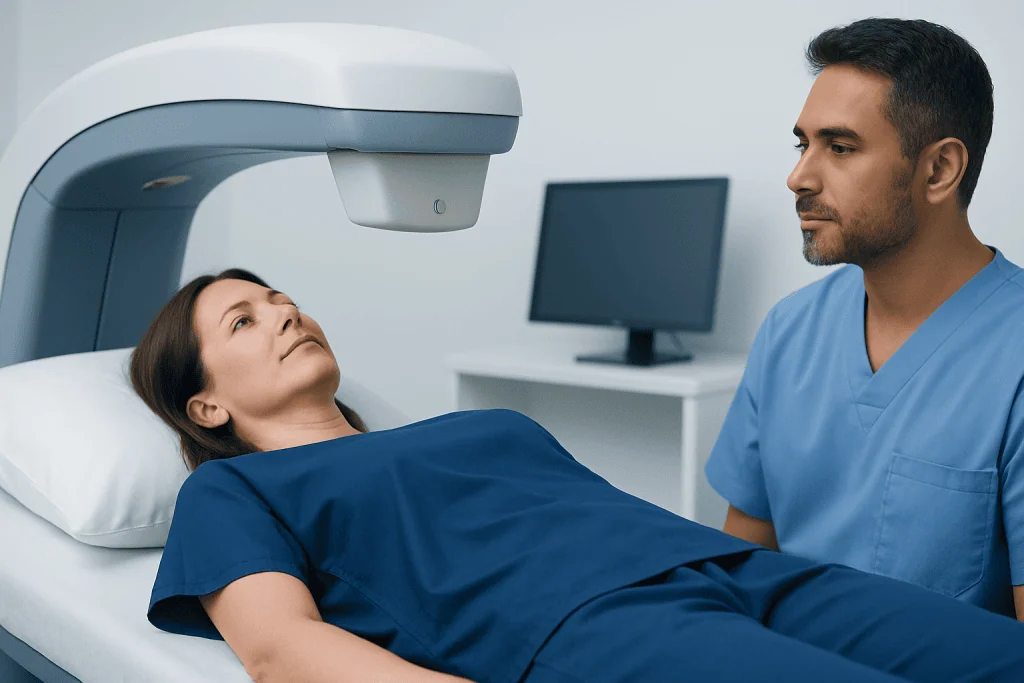
Bone is living tissue that is constantly being broken down and rebuilt. In osteoporosis and some other bone disorders, breakdown happens faster than rebuilding. This leads to thinner, weaker bones that are more likely to fracture.
Reclast slows the activity of the cells that remove bone. By reducing this process, it helps the body preserve bone mass and maintain stronger bone structure. Over time, this may lower the risk of fractures, especially in the spine and hip in appropriate patients.
Because it is given intravenously, Reclast avoids some of the swallowing or stomach-related issues associated with oral bisphosphonates. However, it still requires careful medical assessment before each dose. The medicine stays active in bone for a long time, which is why dosing is usually much less frequent than with daily or weekly tablets.
Who May Benefit From Reclast

Doctors may recommend Reclast for adults with osteoporosis who need treatment to reduce fracture risk or to help maintain bone strength. It can be especially useful for people who have trouble taking oral bone medicines, such as those who cannot remain upright after tablets or who have digestive side effects from them.
It may also be considered for people who have already had a fragility fracture, have very low bone density, or are taking steroid medicines that weaken bone over time. In these settings, the goal is not only to improve bone density numbers, but also to reduce the chance of future fractures and preserve independence and mobility.
Not everyone is a good candidate. People with significant kidney problems, low blood calcium, certain dental concerns, or specific medication interactions may need a different plan. A specialist may review bone scans and the wider medical picture before deciding whether osteoporosis treatment with Reclast is suitable.
Before Treatment: Evaluation and Preparation
Before giving Reclast, doctors usually confirm the reason for treatment and check for factors that could raise the risk of side effects. Blood tests often include kidney function and calcium levels. Vitamin D status may also be reviewed because low vitamin D can increase the risk of low calcium after treatment.
A bone density scan may help guide treatment decisions, especially in osteoporosis. The doctor may also ask about past fractures, family history, use of steroids, smoking, alcohol intake, and other conditions that affect bone health. If Paget’s disease is suspected, further blood tests or imaging may be needed.
Dental health matters as well. Although rare, a serious jaw problem called osteonecrosis of the jaw has been reported with bisphosphonates, including Reclast. For this reason, patients should tell their doctor about planned dental extractions, gum disease, jaw pain, or poorly fitting dentures. In some situations, clinicians may coordinate care with dental and orthopedic teams, including services related to orthopedic rehabilitation after fracture-related recovery.
- Discuss all medicines, supplements, and allergies before infusion.
- Ask whether calcium and vitamin D intake is adequate.
- Follow instructions about hydration before the appointment.
- Report recent illness, fever, or changes in kidney health.
How Reclast Is Given and What to Expect After the Infusion
Reclast is given as an intravenous infusion by a healthcare professional. The infusion itself is usually completed during an outpatient visit. The exact schedule depends on the condition being treated and the doctor’s judgment, so patients should follow their individual treatment plan rather than compare their timeline with others.
Many people tolerate the infusion well, but some develop temporary symptoms in the first few days afterward. These can include fever, body aches, chills, tiredness, headache, or joint and muscle pain. This is sometimes called an acute-phase reaction and is often most noticeable after the first dose.
Staying well hydrated, resting, and following the doctor’s advice about simple supportive care may help. Most short-term side effects improve within a few days. Patients should also keep taking calcium and vitamin D if their doctor recommends them, since these nutrients support healthy bone metabolism during treatment.
Benefits, Side Effects, and Important Risks
The main benefit of Reclast is stronger bone protection in people who are at meaningful risk of fracture. It can improve bone density and reduce the likelihood of some fractures when used appropriately. For many patients, less frequent dosing is a practical advantage and may support treatment adherence.
Common side effects include flu-like symptoms, back pain, headache, nausea, fatigue, and muscle or joint aches. These effects are often temporary, but they should still be reported if severe or persistent. Some people may also notice injection-site discomfort or general weakness after infusion.
There are also uncommon but important risks. Reclast can affect kidney function, so doctors monitor this closely. It may also cause low calcium levels, especially in people with vitamin D deficiency or other mineral imbalances. Rarely, patients may develop osteonecrosis of the jaw or unusual fractures of the thigh bone after long-term use. Persistent groin or thigh pain should be assessed promptly, as it can sometimes be an early warning sign.
Because bone health treatment is individualized, doctors may balance Reclast against other approaches such as endocrinology and metabolic diseases treatment or broader plans for Paget's disease of bone when appropriate.
Self-care, Monitoring, and Bone Health Habits
Reclast works best as part of a wider bone health plan. Medication can lower fracture risk, but lifestyle and follow-up are still important. People treated for osteoporosis should continue with regular medical reviews, which may include repeat bone density testing and blood tests based on the clinician’s advice.
Daily habits can also protect bone. Adequate calcium and vitamin D intake, weight-bearing exercise, strength training, and fall prevention can all support treatment results. Smoking cessation and limiting excess alcohol are also important because both can weaken bone over time.
Home safety matters, especially in older adults. Simple changes such as better lighting, removing loose rugs, wearing supportive footwear, and checking vision can lower the risk of falls. Patients should also tell their doctor about new pain, changes in posture, loss of height, or any new fracture, even if it seems minor.
Near the end of treatment planning, some people may benefit from care in a multidisciplinary setting. Acibadem International’s specialists in JCI-accredited hospitals diagnose and treat bone conditions for international patients when coordinated evaluation is needed.
When to Seek Medical Care
Medical advice should be sought promptly if side effects after Reclast are severe, unusual, or do not improve. This includes ongoing vomiting, marked weakness, severe muscle cramps, confusion, reduced urination, or signs of dehydration. These symptoms can sometimes point to problems such as kidney strain or low calcium levels.
Urgent assessment is also important for chest symptoms, trouble breathing, facial swelling, or rash that suggests an allergic reaction. Jaw pain, swelling, loose teeth, or slow healing after dental work should be reported, as should new groin or thigh pain that may signal a rare bone complication.
People should contact a doctor if they are unsure whether Reclast is appropriate for them, especially if they have kidney disease, dental issues, low calcium, or are planning pregnancy. Ongoing communication helps make treatment safer and more effective over time.
Frequently asked questions
What is Reclast used for?
Reclast is used to treat certain bone conditions, most commonly osteoporosis and Paget's disease of bone. It helps reduce bone loss and may lower the risk of fractures in people who are at higher risk.
Is Reclast the same as zoledronic acid?
Reclast is a brand name for zoledronic acid. Zoledronic acid is the active drug, while Reclast is one branded formulation used for specific bone-related indications.
How long do Reclast side effects last?
Common short-term side effects such as fever, body aches, or headache often begin within the first few days after infusion and usually improve within several days. If symptoms are severe, persistent, or concerning, a doctor should be contacted.
Who should not take Reclast?
Reclast may not be suitable for people with certain kidney problems, low calcium levels, or some dental and jaw conditions. A doctor should also review pregnancy considerations, allergies, and other medications before treatment.
Do patients need calcium and vitamin D with Reclast?
Many patients are advised to maintain adequate calcium and vitamin D intake before and after Reclast, because these nutrients support bone health and help reduce the risk of low calcium. The exact plan should be based on the treating doctor's guidance.
Can Reclast cause jaw problems?
A rare but serious complication called osteonecrosis of the jaw has been reported with bisphosphonate medicines, including Reclast. Good dental care, reporting jaw symptoms early, and discussing planned dental procedures with a doctor can help lower risk.
References
- National Institutes of Health
- National Institute of Arthritis and Musculoskeletal and Skin Diseases
- U.S. Food and Drug Administration
- National Osteoporosis Foundation
- Mayo Clinic
This article is for general information only and is not a substitute for professional medical advice. Please consult a qualified doctor about your individual situation.
Joint and spine care in Turkey — expert assessment & treatment
JCI-accredited · board-certified surgeons · reply within 24h
Add us as a Preferred Source to see more of our trusted health content across Google Search, AI Overviews and Discover.

More from the Health Library

Charcot Foot — Explained by Medical Evidence, Not Myths

Mushroom Coffee: A Complete Medical Overview

Periungual Wart: An Evidence-Based Guide for Patients

Extrovert: A Complete Medical Overview

How to get rid of mucus in throat? A Doctor-Reviewed Answer