Recognizing Narcissistic Abuse Syndrome and Recovery

Narcissistic abuse syndrome is not a formal medical diagnosis, but it may describe significant trauma-related distress after emotional abuse. Common effects include anxiety, self-doubt, low mood, hypervigilance, sleep problems, and difficulty trusting one’s own perceptions.
Key Takeaways
- Narcissistic abuse syndrome is not a formal medical diagnosis, but it may describe significant trauma-related distress after emotional abuse.
- Common effects include anxiety, self-doubt, low mood, hypervigilance, sleep problems, and difficulty trusting one’s own perceptions.
- A diagnosis of narcissistic personality disorder cannot be made based on a partner’s behavior alone and requires assessment by a qualified clinician.
- Trauma-informed therapy, supportive relationships, practical safety planning, and treatment for related mental health symptoms can support recovery.
- Urgent help is important when there is immediate danger, suicidal thinking, threats, stalking, or escalating control or violence.
Narcissistic abuse syndrome is a non-diagnostic term sometimes used to describe the emotional, psychological, and physical effects of repeated manipulation, control, or emotional abuse in a relationship. The effects are real and treatable, and a qualified mental health professional can help a person understand what happened, regain safety, and recover.
Overview: what is narcissistic abuse syndrome?
Narcissistic abuse syndrome is an informal term used to describe the effects a person may experience after a relationship marked by persistent emotional manipulation, intimidation, exploitation, or control. It is not a recognized diagnosis in diagnostic manuals such as the DSM-5-TR. However, the distress associated with emotional abuse is valid, and it may affect mental health, physical well-being, work, relationships, and daily functioning.
The term is often used when abusive behavior is thought to involve traits such as an excessive need for admiration, low empathy, entitlement, or a pattern of shifting blame. Importantly, only a qualified mental health professional can diagnose narcissistic personality disorder. A person does not need to prove that an abuser has any particular diagnosis in order to seek help for harmful behavior and its effects.
Emotional abuse can occur in intimate relationships, families, friendships, workplaces, or other settings. The focus of care should be on the affected person’s safety, symptoms, support network, and recovery rather than on labeling another person.
Possible symptoms and emotional effects
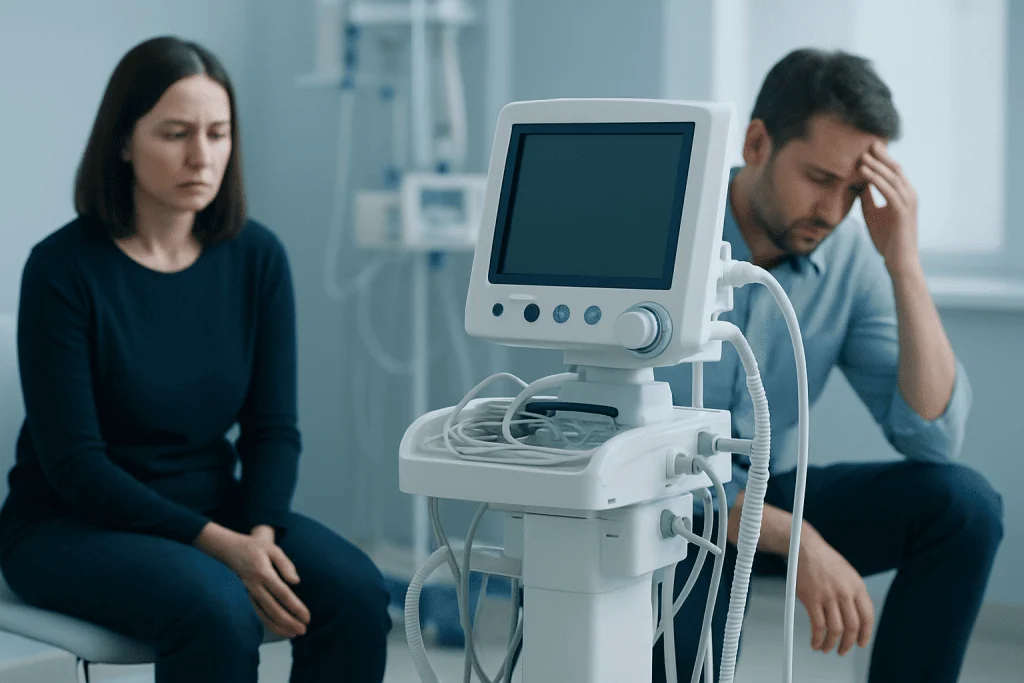
People respond to prolonged emotional abuse in different ways. Some may feel confused or numb during the relationship and notice symptoms only after leaving or creating distance. Others experience ongoing stress while the relationship continues, particularly when they feel unable to predict another person’s reactions.
Possible symptoms include persistent worry, sadness, shame, guilt, irritability, loss of confidence, difficulty making decisions, and feeling detached from oneself or others. A person may repeatedly question their memory or judgment after being denied, dismissed, or blamed for events that they clearly experienced. Sleep disturbance, fatigue, headaches, digestive discomfort, poor concentration, and changes in appetite can also occur during periods of chronic stress.
Some people develop trauma-related symptoms, such as intrusive memories, nightmares, avoidance of reminders, heightened alertness, or a strong startle response. These symptoms can overlap with post-traumatic stress disorder or with anxiety and depressive disorders, but they require a careful individual assessment rather than self-diagnosis.
- Feeling constantly “on guard” or fearful of upsetting someone
- Withdrawing from friends, family, work, or activities once enjoyed
- Apologizing excessively or feeling responsible for another person’s behavior
- Difficulty setting boundaries or trusting new relationships
- Feeling relief, grief, anger, or confusion after the relationship changes or ends
How harmful relationship patterns can develop

Emotional abuse is usually a pattern rather than one isolated disagreement. It may include repeated criticism, humiliation, insults, threats, jealousy, monitoring, financial control, isolation from support, blame shifting, or denying events in a way that makes the other person doubt their own reality. These behaviors can happen alongside periods of affection, apologies, gifts, or promises to change, which may make the situation harder to recognize and leave.
People sometimes use the term “gaslighting” to describe deliberate or repeated behavior that causes someone to question their memories, perceptions, or judgment. Whether intentional or not, this pattern can be damaging. Healthy relationships allow both people to express concerns, disagree safely, maintain outside support, and set boundaries without fear of retaliation.
There is no single cause of abusive behavior, and it is not caused by the affected person’s personality, choices, or perceived shortcomings. Relationship stress, a difficult past, or mental health symptoms do not excuse coercion, intimidation, or abuse. Responsibility for abusive conduct rests with the person engaging in it.
Risk factors and why leaving can be difficult
Anyone can experience emotional abuse. It can affect people of any gender, age, sexual orientation, culture, income level, or relationship status. Vulnerability may increase when a person is financially dependent, socially isolated, caring for children or relatives, managing illness, navigating immigration concerns, or worried about housing, employment, or community reactions.
Leaving or reducing contact is often not a simple or safe process. A person may still care about the other individual, hope that behavior will improve, fear retaliation, or feel tied to shared finances, parenting, housing, or work. In some situations, abusive behavior escalates when control is challenged, so decisions about contact should be guided by personal safety rather than pressure from others.
Supportive, nonjudgmental responses can make a meaningful difference. Trusted friends or relatives, domestic violence services, community organizations, primary care professionals, and mental health clinicians may help a person identify options. If privacy is a concern, it may be helpful to use a safe device, secure accounts, and avoid leaving records that could increase risk.
Assessment and diagnosis
There is no test for narcissistic abuse syndrome. A doctor, psychologist, psychiatrist, or other qualified mental health professional can listen to the person’s experiences, assess current symptoms, and consider whether anxiety, depression, trauma-related conditions, sleep difficulties, or other health concerns are present. The assessment may also explore safety, substance use, medical history, social support, and the impact on work or family life.
A clinician should not diagnose an absent partner, family member, or colleague based only on someone else’s report. Instead, they can document harmful behaviors and their impact, help the person identify patterns, and recommend appropriate care. This approach avoids over-labeling while taking emotional abuse seriously.
Physical symptoms such as chest discomfort, severe headaches, weight changes, ongoing insomnia, or digestive problems deserve medical attention as well. Stress may contribute to these symptoms, but medical causes should not be assumed away. A primary care evaluation can help determine whether further testing or specialist care is needed.
Treatment options and recovery support
Recovery is possible, and care is individualized. Treatment often begins with restoring a sense of safety, reducing immediate stress, and addressing symptoms that interfere with sleep, concentration, mood, or daily life. A trauma-informed therapist can help a person make sense of their experiences without judgment and build coping skills at a manageable pace.
Talking therapies may include trauma-focused cognitive behavioral therapy, cognitive processing therapy, eye movement desensitization and reprocessing when clinically appropriate, or other evidence-based approaches. Therapy can support emotional regulation, self-trust, boundary setting, grief processing, and rebuilding supportive relationships. Treatment for depression, anxiety, or sleep problems may also include medication when a clinician considers it appropriate.
Safety planning can be an important part of care when abuse is ongoing. This may involve identifying trusted contacts, planning where to go in an emergency, keeping important documents accessible, and contacting local domestic violence resources. A therapist can provide support, but emergency services or specialized crisis services may be more appropriate when there is an immediate threat.
For people seeking coordinated mental health care, psychiatric assessment and treatment and psychotherapy may address both trauma-related symptoms and coexisting conditions. Acibadem International’s multidisciplinary specialists and JCI-accredited hospitals provide assessment and treatment for international patients who need mental health support.
Practical self-care while seeking support
Self-care does not replace professional help or a safety plan, but small, consistent actions can support recovery. A regular routine for meals, sleep, movement, and hydration may help the nervous system settle after prolonged stress. Gentle physical activity, relaxation exercises, and time in safe social settings can also be helpful.
Some people find it useful to keep a private record of experiences, feelings, and practical concerns, particularly if this helps them recognize patterns and prepare for a clinical appointment. If there is a risk that another person could access devices or written notes, privacy and safety should come first. It may be safer to store information with a trusted person or use secure resources.
Recovery often includes practicing boundaries in small steps. Examples can include limiting conversations that become hostile, choosing not to respond immediately to provoking messages, or asking a trusted person to be present during difficult interactions. The safest boundary is the one that fits the person’s circumstances; there is no single approach that works for everyone.
When to seek medical care
A person should speak with a doctor or mental health professional when distress persists, affects sleep or daily functioning, causes panic or low mood, or makes it difficult to work, study, care for family, or maintain relationships. Early support can help prevent symptoms from becoming more entrenched and can provide a confidential space to discuss options.
Urgent help is needed if there is immediate danger, physical violence, sexual violence, threats, stalking, forced isolation, access to weapons, or concern for a child or vulnerable adult. In an emergency, contact local emergency services or a local crisis or domestic violence service. If suicidal thoughts, self-harm urges, or a feeling of being unable to stay safe are present, seek emergency mental health support immediately.
A person does not need to wait for a crisis or have proof of abuse to ask for help. Feeling afraid, controlled, repeatedly belittled, or emotionally unsafe is enough reason to speak with a qualified professional or a trusted support service.
Frequently asked questions
Is narcissistic abuse syndrome a recognized mental health diagnosis?
No. Narcissistic abuse syndrome is not a formal diagnosis in major diagnostic classification systems. It is a commonly used term that may describe trauma-related and emotional effects associated with a pattern of manipulation or abuse.
Can someone have narcissistic traits without being abusive?
Yes. Personality traits exist on a spectrum, and having some self-focused or attention-seeking traits does not automatically mean a person is abusive. Abuse is defined by harmful patterns of control, intimidation, coercion, or mistreatment, not by a label alone.
Can narcissistic abuse cause PTSD?
Prolonged emotional abuse can contribute to trauma-related symptoms in some people, including symptoms consistent with PTSD. Only a qualified clinician can determine whether PTSD or another condition is present after a full assessment.
How long does recovery from emotional abuse take?
Recovery has no fixed timeline. It can depend on the duration and severity of the experience, current safety, social support, previous trauma, and access to appropriate care. Many people improve gradually with consistent support and treatment.
Should a person confront an emotionally abusive partner or family member?
Confrontation is not always safe or helpful, especially if the other person may retaliate, escalate control, or become violent. A safer approach may be to discuss options with a therapist, domestic violence advocate, or trusted support person before making changes.
What kind of therapist can help after narcissistic abuse?
A licensed mental health professional with experience in trauma, emotional abuse, relationship violence, anxiety, or depression may be helpful. It is reasonable to ask about the clinician’s approach to trauma-informed care and whether they can help with safety planning if needed.
References
- American Psychiatric Association
- National Institute of Mental Health
- World Health Organization
- National Domestic Violence Hotline
- American Psychological Association
This article is for general information only and is not a substitute for professional medical advice. Please consult a qualified doctor about your individual situation.
Explore treatments in Turkey — costs, top hospitals & a free quote
JCI-accredited · board-certified surgeons · reply within 24h
Add us as a Preferred Source to see more of our trusted health content across Google Search, AI Overviews and Discover.