Recovery After a Stroke: What a Vascular Neurologist Monitors in the First Weeks and Months
Early follow-up after stroke helps track healing, complications, and progress in function. A vascular neurologist checks movement, speech, thinking, swallowing, mood, and fatigue over time.
Key Takeaways
- Early follow-up after stroke helps track healing, complications, and progress in function.
- A vascular neurologist checks movement, speech, thinking, swallowing, mood, and fatigue over time.
- Preventing another stroke is a central part of recovery and often includes medicines and risk-factor control.
- Rehabilitation plans are adjusted as the person’s needs change during the first weeks and months.
- Caregivers often play an important role in observing symptoms, supporting therapy, and attending appointments.
Recovery after a stroke is an active process that continues well beyond the hospital stay. In the first weeks and months, a vascular neurologist monitors brain recovery, treatment response, rehabilitation progress, and the risk of another stroke.
Overview: Why Early Stroke Follow-Up Matters
Recovery after a stroke does not end at hospital discharge. In the first days, weeks, and months, the brain and body continue to adjust, and symptoms may improve at different speeds. A vascular neurologist helps guide this period by watching for complications, reviewing the cause of the stroke, and making sure treatment and rehabilitation plans remain appropriate.
Stroke recovery can involve physical, cognitive, emotional, and practical changes. Some people mainly notice weakness or speech difficulty, while others struggle more with fatigue, memory, mood, or balance. Because every stroke is different, follow-up care is individualized and often includes coordination with rehabilitation physicians, physical therapists, occupational therapists, speech and language therapists, nurses, and primary care doctors.
The first weeks are especially important because this is when medications are being adjusted, risk factors are being addressed, and the rehabilitation plan begins to take shape. Over the next months, the focus often expands to long-term function, independence, return to daily activities, and prevention of another stroke.
What a Vascular Neurologist Monitors in the First Weeks
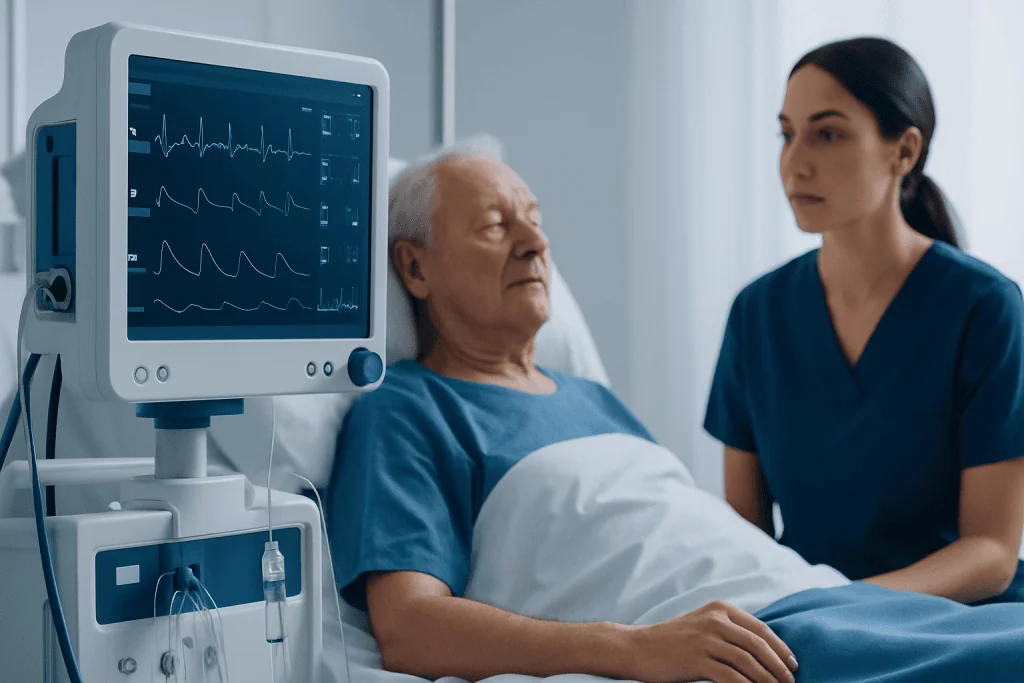
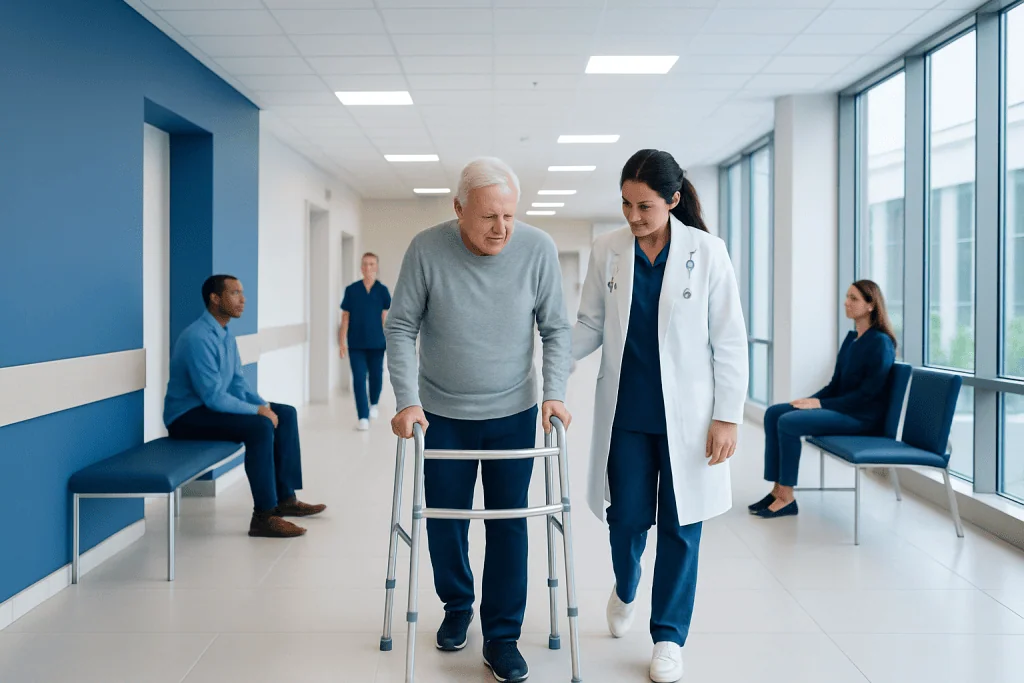
Early after a stroke, the neurologist looks closely at how the nervous system is recovering. This includes checking strength, sensation, coordination, walking, speech, language, vision, and alertness. Even small changes can be meaningful, so regular examinations help show whether improvement is happening as expected or whether a new problem needs attention.
Swallowing is another key area. Some people have trouble swallowing safely after a stroke, which can raise the risk of choking, dehydration, or chest infection. The doctor may review swallowing assessments, diet texture recommendations, and whether speech and swallowing therapy should continue or be intensified.
The first weeks are also a time to watch for complications such as stiffness, pain, falls, pressure injuries, blood clots, bladder or bowel problems, and seizures in some patients. Mood and sleep are also reviewed, because anxiety, depression, sleep disruption, and post-stroke fatigue can strongly affect quality of life and participation in rehabilitation.
- Neurological exam: strength, coordination, sensation, reflexes, speech, and vision
- Safety checks: swallowing, mobility, falls risk, and home support needs
- Medical review: medicines, blood pressure, blood sugar, cholesterol, and heart rhythm monitoring
- Recovery planning: therapy goals, caregiver support, and follow-up testing if needed
How Recovery Is Assessed Over the First Months
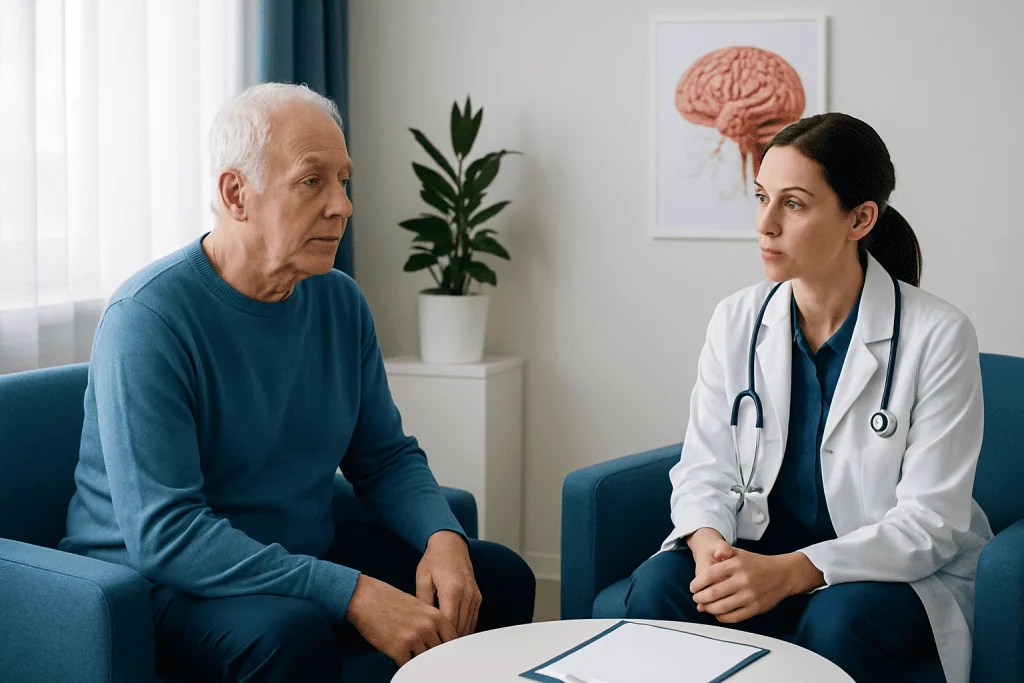
As recovery continues, the neurologist monitors not only what symptoms remain, but also how daily life is affected. A person may be able to move an arm better but still have trouble dressing, cooking, writing, or returning to work. Follow-up visits often explore function in real-world tasks, not just findings on an examination table.
Cognition and communication may become more noticeable over time, especially after the person returns home and tries to resume usual routines. Attention, memory, planning, reading, word-finding, and understanding language can all be affected by stroke. These changes may be subtle, and family members often provide helpful observations. If needed, the neurologist may recommend formal cognitive testing or additional therapy support.
Progress is rarely perfectly linear. Some people improve quickly at first and then more gradually, while others need more time before gains become clear. A vascular neurologist helps interpret this pattern, decides whether recovery is on track, and considers whether another issue—such as untreated pain, depression, infection, or medication side effects—is slowing progress.
Looking for the Cause and Preventing Another Stroke
A major part of post-stroke care is understanding why the stroke happened. The cause may involve a blocked artery, heart rhythm problems such as atrial fibrillation, disease in small blood vessels of the brain, or less common conditions affecting blood clotting or the vessel wall. Knowing the cause helps guide the right prevention plan. In some cases, the neurologist may review prior brain scans, blood vessel imaging, heart tests, or prolonged rhythm monitoring to refine the diagnosis of stroke.
Secondary prevention often includes medicines such as antiplatelet therapy, anticoagulation for selected patients, cholesterol-lowering treatment, and medication to control blood pressure or diabetes when appropriate. The neurologist checks whether these medicines are being tolerated well and whether they are achieving the intended effect. This is also the time to review smoking, alcohol use, nutrition, physical activity, and sleep habits, especially if they influence vascular risk.
Some patients need additional evaluation or procedures to reduce future stroke risk. Depending on the cause, this may include review by specialists for carotid artery treatment, minimally invasive vessel-based procedures, or a broader neurological review after stroke treatment. The goal is not only to treat the recent event, but also to lower the chance of another one.
Rehabilitation, Daily Function, and Emotional Recovery
Rehabilitation is a central part of recovery after a stroke. A vascular neurologist helps monitor whether the current level of therapy is appropriate and whether goals should change over time. Physical therapy may focus on walking, balance, transfers, and strength. Occupational therapy often addresses dressing, bathing, hand use, and household tasks. Speech and language therapy can help with communication, swallowing, and certain thinking skills.
Emotional recovery deserves the same attention as physical healing. Depression, anxiety, irritability, emotional lability, and frustration are common after stroke and are not a sign of weakness. They may result from both the stress of the experience and changes in the brain itself. Recognizing these issues early can make a major difference, because treatment may include counseling, support strategies, rehabilitation psychology, or medication when appropriate.
Fatigue is another common concern. Post-stroke fatigue can feel disproportionate and may continue even when strength is improving. The neurologist may look for contributors such as poor sleep, pain, mood symptoms, medication effects, infection, thyroid problems, or anemia, while also helping the patient pace activities and build endurance safely.
Tests, Medicines, and Warning Signs to Review
Follow-up after stroke often includes review of test results and sometimes further investigations. Brain imaging may be revisited to clarify the type and location of the stroke. Blood vessel imaging, heart ultrasound, blood tests, or heart rhythm monitoring may be completed after discharge if the cause remains uncertain. These results help the neurologist confirm that the prevention plan is well matched to the patient’s risk profile.
Medication review is essential because treatment after stroke may involve several drugs started within a short period of time. The neurologist asks about bruising, dizziness, sleepiness, stomach upset, muscle symptoms, or difficulty keeping to the schedule. Sometimes small adjustments improve safety and adherence. Patients should not stop blood thinners, antiplatelet medicines, or blood pressure medicines without medical advice unless instructed urgently by a clinician.
Patients and caregivers are also taught what warning signs should prompt urgent medical attention. Sudden weakness, facial droop, speech difficulty, severe new headache, sudden vision loss, confusion, or loss of balance can signal another stroke or transient ischemic attack. New chest pain, shortness of breath, fainting, or seizures also need prompt evaluation. Even during recovery, new neurological symptoms should never be ignored.
Self-Care, Family Support, and When to Seek Help
Practical self-care supports recovery between appointments. Taking medicines exactly as prescribed, attending therapy sessions, monitoring blood pressure if advised, staying hydrated, eating a balanced diet, and gradually increasing safe activity can all help. Home modifications such as grab bars, clear walking paths, proper lighting, and assistive devices may reduce falls and make daily tasks easier.
Family members and caregivers often notice changes before the patient does, especially in memory, communication, mood, or safety awareness. Keeping a notebook of symptoms, questions, blood pressure readings, and therapy progress can make follow-up visits more productive. Caregivers also need support, rest, and clear information, since stroke recovery affects the whole household.
Medical review is important if recovery seems to stall, if function worsens, or if new symptoms appear. A person should also seek help for difficulty swallowing, frequent falls, persistent sadness, uncontrolled blood pressure, medication side effects, or trouble managing daily life at home. In centers such as Acibadem International, multidisciplinary specialists in JCI-accredited hospitals care for international patients who need coordinated evaluation, rehabilitation, and prevention planning after stroke.
For some patients, follow-up may also involve assessment for related vascular or neurological conditions if symptoms suggest them, including transient ischemic attack. The overall aim is to help the person recover as fully and safely as possible while lowering future risk.
Frequently asked questions
How soon should a person see a vascular neurologist after a stroke?
The timing depends on the type of stroke, the person’s condition, and the discharge plan, but follow-up is usually arranged early in recovery. The first appointment often happens within days to a few weeks after leaving the hospital so medications, risk factors, and rehabilitation needs can be reviewed.
What symptoms are normal during recovery after a stroke?
Many people experience weakness, speech difficulty, fatigue, balance problems, slowed thinking, mood changes, or trouble with concentration during recovery. Symptoms can improve gradually, but any sudden worsening or brand-new neurological symptom should be treated as urgent and assessed promptly.
Can stroke recovery continue for months?
Yes. Recovery is often most noticeable in the first weeks and months, but progress can continue beyond that, especially with rehabilitation and good medical follow-up. Improvement may be physical, cognitive, emotional, or practical, and each person’s pattern is different.
Why is preventing another stroke such a big part of follow-up?
Having one stroke can increase the risk of another, so prevention is a major goal of care. A vascular neurologist looks for the cause of the stroke and recommends treatment to reduce future risk, which may include medicines and control of blood pressure, diabetes, cholesterol, and lifestyle factors.
What should caregivers watch for at home?
Caregivers should watch for changes in strength, speech, swallowing, alertness, walking safety, mood, and the ability to manage daily activities. They should also note medication side effects, falls, missed doses, or signs of another stroke, and share these concerns during follow-up visits.
Is emotional distress common after a stroke?
Yes. Depression, anxiety, irritability, and emotional ups and downs are common after stroke and can affect both patients and families. These symptoms are medical concerns, not personal failures, and they can often improve with proper support and treatment.
References
- World Stroke Organization
- American Heart Association
- National Institute of Neurological Disorders and Stroke
- Centers for Disease Control and Prevention
- National Health Service
This article is for general information only and is not a substitute for professional medical advice. Please consult a qualified doctor about your individual situation.
Explore treatments in Turkey — costs, top hospitals & a free quote
JCI-accredited · board-certified surgeons · reply within 24h
Add us as a Preferred Source to see more of our trusted health content across Google Search, AI Overviews and Discover.
Check your numbers in seconds
BMI, calories, due date, blood pressure and 30+ more clinical calculators — free, instant, doctor-reviewed ranges.

More from the Health Library



Related Specialists

Assoc. Prof. Dr. Altuğ Yücekul
Spine Health
Assoc. Prof. Dr. Mehmet Barburoğlu
Interventional Neuroradiology
Merve Güvendi
Physical Medicine & Rehabilitation
Dr. Doğuş Durmuş
General Surgery