Recovery After Heart Bypass Surgery: What the First Weeks Look Like

Most people recover in stages, with energy, comfort, and activity improving gradually over several weeks. Walking, breathing exercises, wound care, and taking medicines as prescribed are central parts of early recovery.
Key Takeaways
- Most people recover in stages, with energy, comfort, and activity improving gradually over several weeks.
- Walking, breathing exercises, wound care, and taking medicines as prescribed are central parts of early recovery.
- Some tiredness, swelling, sleep changes, and mood ups and downs are common after bypass surgery.
- Cardiac rehabilitation can help patients rebuild strength safely and reduce future heart risks.
- Urgent medical review is needed for warning signs such as chest pain, severe shortness of breath, fever, or wound infection.
Recovery after heart bypass surgery is a gradual process that often begins in the hospital and continues at home over several weeks. Knowing what is normal, what support is needed, and when to seek medical advice can help patients and families feel more prepared and confident.
Overview: what recovery usually involves
Recovery after heart bypass surgery, also called coronary artery bypass grafting or CABG, happens in phases. The first phase starts in the hospital, where the medical team monitors the heart, breathing, pain, and wound healing. The next phase continues at home, where the focus shifts to rest, safe movement, nutrition, medicines, and gradually returning to daily routines.
Each person recovers at a different pace. Age, overall health, the reason for surgery, whether there were complications, and how active the person was before the operation can all influence recovery time. Some people feel noticeably stronger within a few weeks, while others need longer to rebuild stamina and confidence.
It is also important to remember that heart bypass surgery treats reduced blood flow caused by blocked coronary arteries, but it does not remove the underlying tendency to heart disease. Recovery is therefore not only about healing from the operation. It is also a chance to support long-term heart health through lifestyle changes, follow-up care, and risk-factor control.
The first days in the hospital
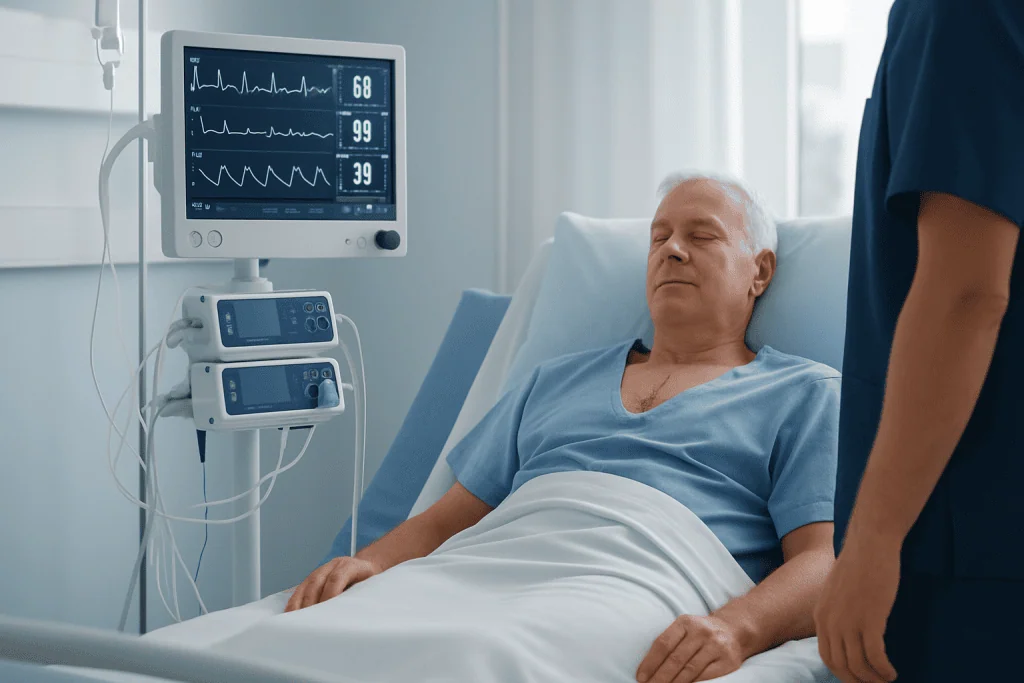
After surgery, patients usually spend time in an intensive care or closely monitored unit before moving to a regular hospital room. Tubes and monitors are common at first and can look worrying, but they are part of routine care. The team checks blood pressure, heart rhythm, oxygen levels, urine output, and signs of bleeding or infection.
Pain or soreness around the chest incision is expected, especially if the breastbone was divided during surgery. There may also be discomfort where blood vessels were taken from the leg or arm for grafts. Good pain control matters because it helps the person breathe deeply, cough effectively, and begin moving sooner.
Patients are usually encouraged to sit up, stand, and walk short distances as soon as it is safe. Breathing exercises, including use of an incentive spirometer if provided, help keep the lungs clear and lower the risk of pneumonia. Many people are surprised that tiredness is intense in the beginning, but this is a normal part of early healing.
- Monitoring of heart rhythm and blood pressure
- Pain management and wound checks
- Breathing exercises and coughing support
- Gradual walking and mobility
- Education about medicines and home care
What the first weeks at home can feel like

The first weeks at home are often a balance between activity and rest. Many people feel weak more quickly than expected and may need short naps during the day. It is common to have reduced appetite at first, mild swelling in the legs or ankles, constipation, sleep disturbance, or emotional ups and downs. These symptoms often improve gradually as strength returns.
If the breastbone was opened, chest movement can feel tight or sore when changing position, coughing, or laughing. The incision may itch as it heals. Patients are usually advised to avoid heavy lifting, pushing, or pulling until the surgical team says the breastbone is stable. Simple strategies such as holding a pillow against the chest when coughing can make movement more comfortable.
Walking is one of the most helpful activities during early recovery. Short, regular walks are often better than long periods of bed rest. Many patients slowly increase their walking time and distance every few days according to their doctor’s instructions. Driving, returning to work, and resuming sexual activity should be discussed with the care team, because the timing varies from person to person.
Family support can make a real difference. Help with shopping, meal preparation, transport, and medication reminders can reduce stress and allow the patient to focus on healing. Recovery is rarely perfectly linear, so having a slower day does not always mean something is wrong.
Symptoms and changes that are often normal
Some symptoms during recovery can be expected and are not always a sign of a problem. Mild to moderate incision pain, bruising, tiredness, and reduced stamina are common. Some patients notice clicking or odd sensations around the chest early on, though persistent or worsening symptoms should still be reported. Temporary difficulty sleeping is also frequent, especially in the first few weeks.
Swelling in the leg where a vein was taken can happen, particularly after standing for long periods. Elevating the leg when resting and wearing compression stockings if advised may help. Mild mood changes are also common. People may feel more emotional, anxious, irritable, or low in mood as they recover from a major procedure and adapt to new routines.
Even when symptoms seem expected, follow-up matters. It can be helpful to keep a simple daily record of walking, appetite, pain, bowel movements, temperature if advised, and wound appearance. This can make changes easier to notice and discuss at appointments.
- Tiredness and low energy
- Incision soreness or itching
- Temporary sleep problems
- Mild leg swelling after vein harvest
- Emotional ups and downs during recovery
Medicines, wound care, and cardiac rehabilitation
After bypass surgery, medicines are an important part of recovery and long-term heart protection. A doctor may prescribe medicines to reduce blood clotting risk, control blood pressure, lower cholesterol, manage fluid balance, or steady the heart rhythm. Patients should take medicines exactly as instructed and ask before stopping or adding anything, including over-the-counter products or supplements.
Wound care instructions should be followed carefully. Incisions are usually kept clean and dry, and patients are told what kind of washing or dressing changes are appropriate. Redness, warmth, discharge, increasing pain, or a bad smell from the wound should be reported promptly. If diabetes is present, good blood sugar control is especially important because it can affect healing.
Cardiac rehabilitation is often one of the most valuable parts of recovery. This supervised program combines safe exercise, education, and support for heart-healthy habits. It can help patients improve stamina, understand symptoms, and reduce future cardiovascular risk after procedures such as coronary artery bypass grafting.
Some patients may also need longer-term follow-up for related heart conditions such as coronary artery disease. In selected cases, the wider treatment plan may involve medicines, lifestyle measures, or other procedures such as coronary angiography or coronary angioplasty and stent placement if doctors need to assess or treat other narrowed arteries.
Prevention and self-care during recovery
Self-care after heart bypass surgery aims to support healing while protecting the heart over the long term. A balanced eating pattern, smoking cessation, good blood pressure control, diabetes management, and regular physical activity all play a role. Patients do not need to make every change at once, but steady progress is important.
Helpful daily habits include walking regularly, drinking enough fluids unless a doctor has limited fluids, eating smaller nutritious meals if appetite is low, and following advice on salt intake. Sleep can take time to improve, so a regular bedtime routine, limiting caffeine late in the day, and avoiding long daytime naps may help. Alcohol use should be discussed with the medical team.
Protecting the chest while it heals is another key part of self-care. Patients should follow guidance about lifting restrictions and avoid strenuous housework or gym activity until cleared. If they smoke, stopping is one of the most powerful ways to protect the grafts and reduce the risk of future heart disease.
Near the end of recovery planning, some patients and families seek coordinated follow-up abroad or closer to home. Acibadem International’s multidisciplinary specialists and JCI-accredited hospitals diagnose and treat heart conditions for international patients and can support evaluation and aftercare planning when appropriate.
When to contact a doctor urgently
While many symptoms are part of normal recovery, some warning signs need prompt medical advice. Severe or worsening shortness of breath, fainting, a fast or irregular heartbeat, chest pain that is new or different from incision pain, or sudden swelling should not be ignored. These symptoms can have different causes, and timely review is important.
Signs of infection also need attention. Fever, chills, increasing redness around the incision, pus-like drainage, or a wound that opens can suggest a problem with healing. Pain in the calf, marked leg swelling, or sudden breathlessness may also need urgent assessment because they can be linked to circulation issues.
Patients should also contact their care team if they are unable to eat or drink well, have ongoing vomiting, become confused, or feel that their recovery has stalled unexpectedly. When in doubt, it is safer to ask. Clear discharge instructions and emergency contact numbers should always be kept close at hand during the first weeks at home.
Frequently asked questions
How long does recovery after heart bypass surgery usually take?
Early recovery often takes several weeks, but full recovery may take a few months depending on the person and the type of surgery. Energy and stamina usually return gradually rather than all at once. The surgical team can give more individual guidance based on age, health, and any complications.
Is it normal to feel very tired after bypass surgery?
Yes. Fatigue is very common after a major heart operation and may continue for several weeks. Short periods of activity followed by rest are often more manageable than trying to do too much at once.
When can a person walk and be active again?
Walking usually starts very early, often in the hospital, and continues at home with gradual increases. The pace and distance should follow medical advice, especially if there are limits related to the breastbone or other health conditions. Structured cardiac rehabilitation can help activity progress safely.
What symptoms after bypass surgery should not be ignored?
New chest pain, severe shortness of breath, fainting, fever, wound redness with drainage, or a fast irregular heartbeat should be assessed promptly. Sudden leg swelling or calf pain also needs medical review. If symptoms feel concerning or are getting worse, contacting a doctor is the safest step.
When can someone drive after heart bypass surgery?
The timing varies and depends on healing, comfort, reaction time, and whether the breastbone has recovered enough. Many patients need to wait several weeks before driving. The surgeon or cardiologist should confirm when it is safe.
Why is cardiac rehabilitation important after CABG?
Cardiac rehabilitation helps patients rebuild strength in a supervised way and learn how to protect their heart in the future. It usually includes exercise, education, and support for healthy habits such as nutrition, smoking cessation, and stress management. Many people find it improves confidence as well as fitness.
References
- American Heart Association
- National Heart, Lung, and Blood Institute
- Society of Thoracic Surgeons
- Mayo Clinic
This article is for general information only and is not a substitute for professional medical advice. Please consult a qualified doctor about your individual situation.
Heart Bypass Surgery in Turkey — costs, top hospitals & a free quote
JCI-accredited · board-certified surgeons · reply within 24h
Add us as a Preferred Source to see more of our trusted health content across Google Search, AI Overviews and Discover.
Check your numbers in seconds
BMI, calories, due date, blood pressure and 30+ more clinical calculators — free, instant, doctor-reviewed ranges.