Rectal Fissure Cure: An Evidence-Based Guide for Patients

Most rectal fissures heal without major surgery when constipation and straining are addressed early. Pain during bowel movements and small amounts of bright red bleeding are common symptoms.
Key Takeaways
- Most rectal fissures heal without major surgery when constipation and straining are addressed early.
- Pain during bowel movements and small amounts of bright red bleeding are common symptoms.
- A chronic fissure may need prescription topical treatment, botulinum toxin, or surgery.
- Preventing hard stools is central to both treatment and long-term prevention.
- Medical assessment is important if symptoms last more than a few weeks or bleeding keeps recurring.
A rectal fissure cure is often possible, but the best approach depends on whether the fissure is new or chronic. Most acute fissures heal with bowel habit changes, pain relief, and prescription creams, while persistent cases may need a procedure or surgery.
Rectal fissure cure: what patients should know first
A rectal fissure cure usually means healing a small tear in the lining of the anus so pain, bleeding, and spasm stop. In many people, especially when symptoms are recent, the fissure heals with conservative treatment such as softer stools, warm sitz baths, better hydration, and prescription ointments that relax the anal sphincter.
If the tear has been present for several weeks or keeps coming back, it may be considered chronic. Chronic fissures are still treatable, but they often need a more structured plan that can include topical medicines, botulinum toxin injection, or surgery when non-surgical methods do not work.
Patients sometimes worry that a fissure means a more serious bowel disease. While ongoing or unusual symptoms do need medical review, a fissure is a common and usually manageable condition. The key is to break the cycle of pain, muscle spasm, and constipation that prevents healing.
What a rectal fissure is and why it hurts so much
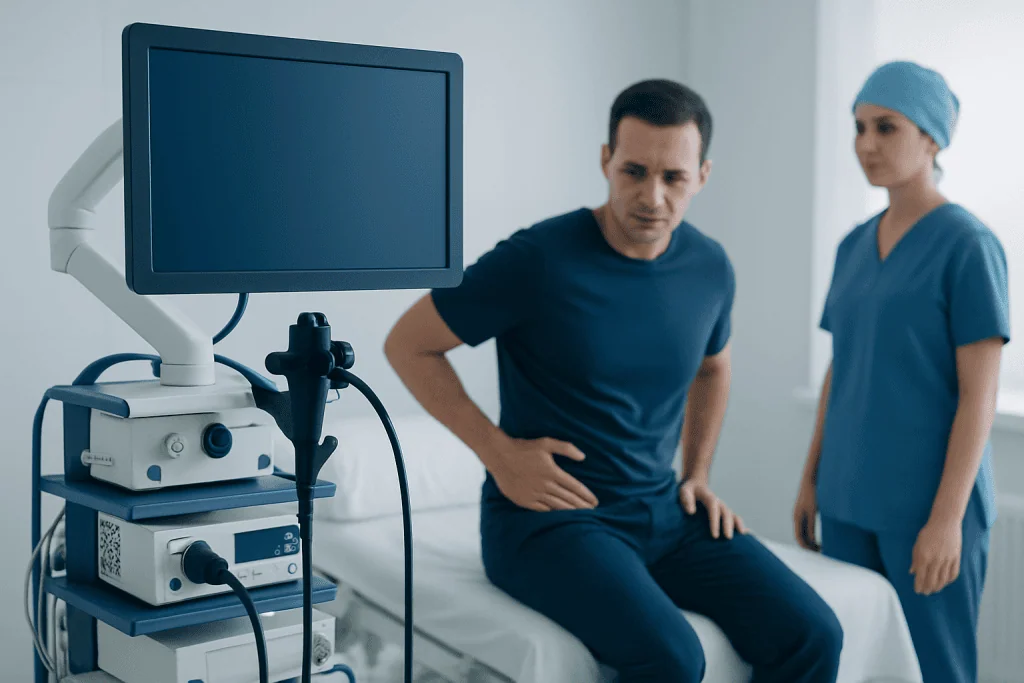
A rectal fissure, also called an anal fissure, is a small split in the delicate tissue lining the anal canal. Even a tiny tear can be very painful because the area contains many nerves and because bowel movements can stretch the tissue before it has healed.
After the tear develops, the internal anal sphincter may go into spasm. This spasm reduces blood flow to the area and can make healing slower. That is one reason the discomfort can feel out of proportion to the size of the fissure.
Fissures are often described as acute or chronic. Acute fissures are newer and generally have a smooth, fresh appearance. Chronic fissures last longer, may develop more visible edges, and are less likely to heal without targeted treatment. Some people who have symptoms such as hemorrhoids may actually have a fissure instead, so a correct diagnosis matters. If hemorrhoids are also suspected, a clinician may also consider related conditions such as hemorrhoids.
Symptoms and how to recognize a fissure

The most common symptom is sharp pain during a bowel movement, often followed by burning or throbbing that can last minutes to hours. Many people also notice a small amount of bright red blood on toilet paper or on the surface of the stool.
Other symptoms can include a visible crack near the anus, itching, irritation, or a sense of tightness from muscle spasm. Some patients avoid going to the toilet because they expect pain, but delaying bowel movements often makes stool harder and can worsen the problem.
Symptoms can overlap with other anorectal disorders. Bleeding, pain, discharge, swelling, or a lump near the anus are not specific to a fissure. A doctor may need to rule out infections, inflammatory bowel disease, skin conditions, or other causes of anal pain and bleeding. In some cases, persistent symptoms may need evaluation by specialists involved in gastroenterology care.
- Sharp pain with passing stool
- Bright red spotting or streaks of blood
- Burning pain after a bowel movement
- Constipation caused by fear of pain
- Visible tear or local irritation around the anus
Causes and risk factors
The most common cause is trauma from passing hard, dry, or large stools. Constipation and straining are major triggers. Repeated diarrhea can also irritate and injure the anal lining, especially when the area is already inflamed.
Other risk factors include childbirth, chronic bowel habit changes, dehydration, low-fiber eating patterns, and prolonged sitting on the toilet. In some people, increased resting tone of the anal sphincter contributes to poor blood flow and delayed healing.
Less often, a fissure may be linked to an underlying condition. Examples include inflammatory bowel disease such as Crohn’s disease, local infection, or unusual skin disorders. Fissures that occur off the usual midline position, recur frequently, or do not respond to standard treatment are more likely to prompt further investigation. When doctors suspect another digestive condition, they may evaluate for diseases such as Crohn's disease.
How doctors diagnose a rectal fissure
Diagnosis often begins with a careful history. A doctor will ask about pain with bowel movements, bleeding, constipation, diarrhea, childbirth history, and any previous fissures or anorectal conditions. This conversation helps distinguish a fissure from hemorrhoids, abscess, fistula, or inflammatory bowel disease.
A gentle inspection of the anal area is usually enough to identify a fissure. Because the area may be very tender, the examination is often done carefully and may be limited at first. A digital rectal examination or anoscopy might be delayed if pain is severe, or performed later once symptoms are better controlled.
Additional tests are not always needed, but they can be important when symptoms are atypical, longstanding, or associated with weight loss, fever, ongoing diarrhea, significant bleeding, or concern for another condition. Depending on age and symptoms, a doctor may recommend further bowel evaluation, imaging, or endoscopic assessment through colonoscopy if there is a reason to look for another source of bleeding or inflammation.
Treatment options: from home care to procedures
The first goal of treatment is to allow the tear to heal by making bowel movements easier and reducing sphincter spasm. Conservative treatment often includes increasing fiber gradually, drinking enough fluids, using stool-softening measures recommended by a doctor, and taking warm sitz baths several times a day and after bowel movements. Avoiding straining is essential.
Doctors may prescribe topical medicines to relax the anal sphincter and improve blood flow, which can support healing in chronic fissures. A topical anesthetic may also be used for pain relief. Because the best choice depends on the patient’s health history and side effect profile, these treatments should be used under medical guidance.
If symptoms do not improve, other options may be considered. Botulinum toxin injection can reduce sphincter spasm for a period of time and help the fissure heal. For chronic fissures that resist medical treatment, surgery may offer the most reliable long-term relief. The most established operation is lateral internal sphincterotomy, which lowers sphincter pressure. It is generally considered when symptoms persist despite appropriate non-surgical care, and discussion should include expected benefits and possible risks such as temporary or, less commonly, ongoing continence changes. In selected cases, surgical evaluation through general surgery may be appropriate.
- Acute fissure: bowel regulation, baths, pain control, prescription ointment
- Chronic fissure: topical therapy, sometimes botulinum toxin
- Persistent or recurrent fissure: surgery may be recommended
Prevention and self-care after healing
Preventing recurrence focuses on keeping stools soft and easy to pass. A steady routine usually works better than short-term fixes. This includes eating enough fiber from foods such as vegetables, fruits, legumes, and whole grains, drinking fluids regularly, and responding to the urge to have a bowel movement without long delays.
Good toilet habits also matter. Patients are often advised to avoid prolonged sitting on the toilet and to avoid straining. Gentle physical activity can support healthy bowel function, and some people benefit from reviewing medications with a doctor if those medicines contribute to constipation.
Skin care should be simple and non-irritating. Harsh wiping, fragranced products, and frequent use of strong laxatives without guidance may aggravate symptoms. If a fissure returns repeatedly, medical review is important because recurrence may mean bowel habits still need adjustment or another condition is present.
When to seek medical care
Medical care should be sought if anal pain is severe, if bleeding keeps happening, or if symptoms last more than a few weeks despite careful self-care. A doctor should also review symptoms when there is a lump, fever, pus, new bowel habit change, ongoing diarrhea, or bleeding that seems more than minor streaking.
People with a history of inflammatory bowel disease, immune system problems, recent anorectal surgery, or pregnancy-related concerns may need earlier assessment. It is also wise to seek care if symptoms return again and again, because recurrent fissures may need prescription treatment or a closer look at the underlying cause.
For international patients who need evaluation and treatment, Acibadem International’s multidisciplinary specialists in JCI-accredited hospitals diagnose and manage anorectal conditions with individualized care plans. Early assessment often makes treatment simpler and may help prevent a temporary fissure from becoming chronic.
Frequently asked questions
Can a rectal fissure heal on its own?
Yes, many acute rectal fissures heal on their own or with simple conservative care. The most important steps are preventing hard stools, avoiding straining, and reducing irritation so the tear can close.
How long does it take for a rectal fissure to heal?
A new fissure may improve within days and heal over several weeks with the right care. Chronic fissures often take longer and may need prescription treatment or a procedure if healing stalls.
What is the best treatment for a chronic rectal fissure?
There is no single best option for every patient. Chronic fissures are commonly treated with bowel habit changes plus prescription topical medicines, and some cases need botulinum toxin or surgery if symptoms continue.
Is surgery the only permanent rectal fissure cure?
No, many fissures heal fully without surgery, especially when treated early. Surgery is usually reserved for persistent or recurrent chronic fissures that do not respond well to medical treatment.
Can hemorrhoids and a fissure happen together?
Yes, a person can have both conditions at the same time. Because the symptoms can overlap, a medical examination helps identify the real source of pain or bleeding and guide treatment.
What foods help a rectal fissure heal?
Foods that support softer, regular stools are usually most helpful. These include high-fiber foods such as fruits, vegetables, legumes, and whole grains, along with adequate fluid intake.
References
- National Institute of Diabetes and Digestive and Kidney Diseases
- American Society of Colon and Rectal Surgeons
- Mayo Clinic
- National Health Service
- Cleveland Clinic
This article is for general information only and is not a substitute for professional medical advice. Please consult a qualified doctor about your individual situation.
Persistent digestive symptoms? Get evaluated in Turkey
JCI-accredited · board-certified surgeons · reply within 24h
Add us as a Preferred Source to see more of our trusted health content across Google Search, AI Overviews and Discover.

More from the Health Library

Tirzepatide Injection — Explained by Medical Evidence, Not Myths

Half Creamer — Explained by Medical Evidence, Not Myths

Smart Popcorn: A Complete Medical Overview

Nose Tingly: An Evidence-Based Guide for Patients
Copper IUD: What Patients Need to Know

Yoga for Stress Management: What Patients Need to Know
Related Specialists

Ody. Özlem Gedik Soyuyüce
Audiology
Dr. Sevda Berberoğlu
Pediatrics
Fzt. Nursena Altınkaya
Physical Medicine & Rehabilitation
Dr. Gürkan Metinyurt
Clinical Laboratory