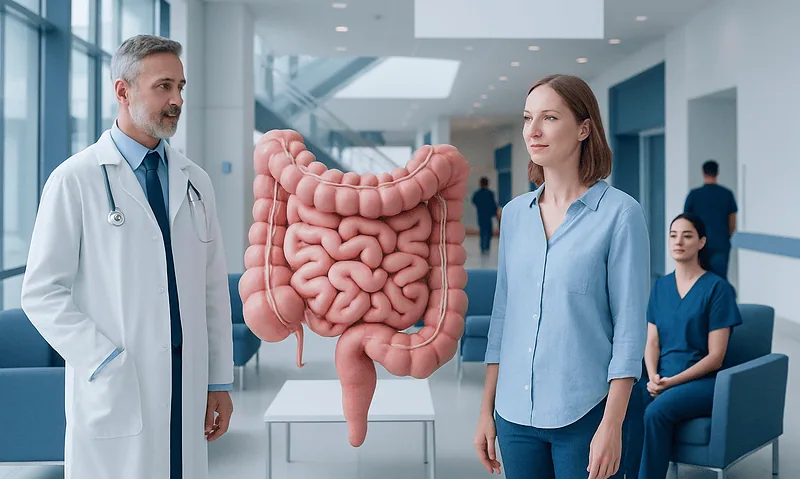
Rectal Prolapse: An Evidence-Based Guide for Patients

Rectal prolapse means the rectum drops from its normal position and may come out through the anus. Common symptoms include a bulge from the anus, mucus discharge, bleeding, constipation, and fecal leakage.
Key Takeaways
- Rectal prolapse means the rectum drops from its normal position and may come out through the anus.
- Common symptoms include a bulge from the anus, mucus discharge, bleeding, constipation, and fecal leakage.
- Diagnosis is based on symptoms, physical examination, and sometimes tests that assess bowel function and pelvic support.
- Treatment depends on severity, but full-thickness rectal prolapse in adults is often treated surgically.
- Managing constipation, avoiding straining, and addressing pelvic floor problems may help symptoms and support recovery.
- Prompt medical assessment is important if there is severe pain, trapped prolapse, heavy bleeding, or worsening bowel control.
Rectal prolapse is a condition in which the rectum loses its normal support and slides down, sometimes protruding through the anus. It can cause a visible bulge, mucus leakage, bleeding, or trouble controlling bowel movements, and effective treatment is available.
Understanding Rectal Prolapse
Rectal prolapse is when the rectum, the last part of the large intestine, slips downward and may turn inside out through the anus. In mild cases, the tissue may only bulge during a bowel movement and then go back in on its own. In more advanced cases, the rectum may remain outside the body until it is gently pushed back, or it may stay protruded continuously.
Although it can feel frightening or embarrassing, rectal prolapse is a recognized medical condition with well-established diagnostic and treatment options. It is different from hemorrhoids, which are swollen blood vessels in or around the anus. Because both conditions can cause a lump, bleeding, or discomfort, many people initially confuse one for the other.
Rectal prolapse can affect adults and children, but the causes and treatment approach may differ by age. In adults, it is more often linked to weakening of the pelvic floor and supportive tissues over time. A proper assessment helps confirm the diagnosis and rule out related problems such as hemorrhoids or other pelvic floor disorders.
Symptoms and How It May Feel
The most noticeable symptom of rectal prolapse is a soft, reddish bulge coming out of the anus, especially during or after a bowel movement. At first, the bulge may appear only with straining and then retract on its own. Over time, it may happen more often, with coughing, walking, or standing, and may need to be manually pushed back.
Other symptoms can include mucus discharge, rectal bleeding, a feeling of incomplete emptying, constipation, and discomfort around the anus. Some people describe pressure or heaviness in the pelvic area rather than pain. Fecal incontinence, difficulty controlling gas, or staining of underwear may also occur because the anal sphincter muscles may become stretched or weakened.
Symptoms do not always reflect severity perfectly. A small prolapse can still be troublesome if it causes leakage or repeated irritation, while some larger prolapses cause less pain than expected. Because symptom patterns overlap with hemorrhoids, anal prolapse of mucosal tissue, and other bowel conditions, a medical evaluation is the best way to identify the exact cause.
Causes and Risk Factors
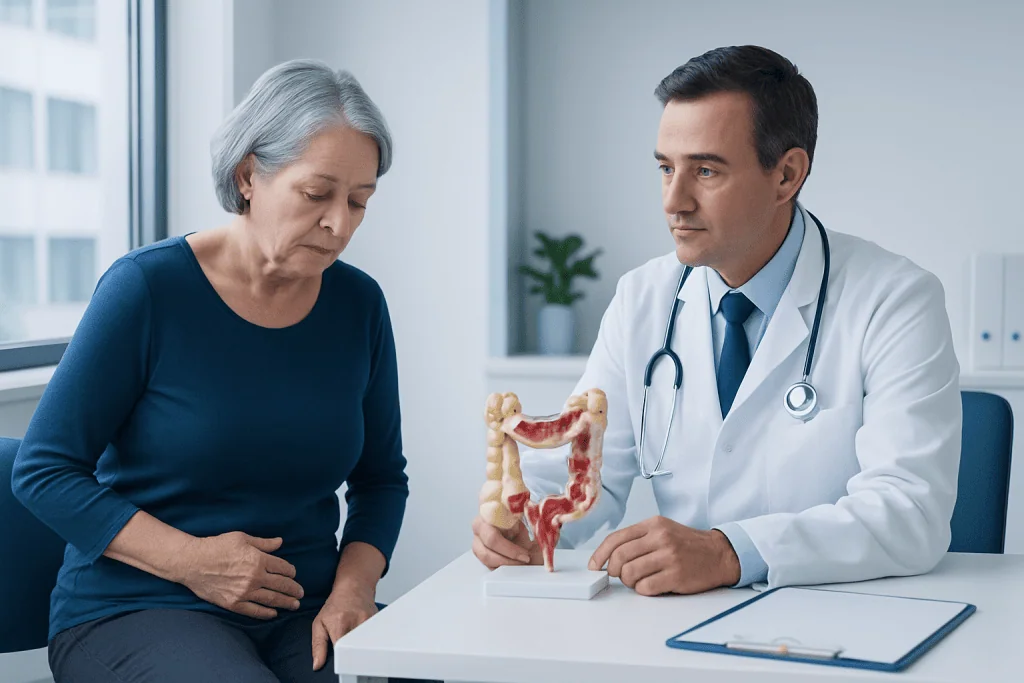
Rectal prolapse usually develops when the muscles, ligaments, and connective tissues that support the rectum become weakened or stretched. This can happen gradually over time. Chronic straining during bowel movements, longstanding constipation, repeated diarrhea, and conditions that increase abdominal pressure may all contribute.
Risk rises with aging, pelvic floor weakness, prior pelvic surgery, nerve damage, and disorders that affect the tissues or nerves of the bowel and pelvis. People who have given birth vaginally may have added pelvic floor strain, although rectal prolapse can also occur in those who have never been pregnant. In some individuals, the condition is linked to broader pelvic support problems such as prolapse involving other organs.
Doctors also consider associated conditions that affect bowel movement coordination or structural support. Examples include severe constipation, rectal intussusception, and pelvic floor dysfunction. In selected cases, further evaluation may look for related digestive problems such as constipation or the need for specialist gastroenterology care.
- Chronic constipation and repeated straining
- Frequent diarrhea
- Older age
- Pelvic floor weakness or nerve injury
- Previous pelvic or anorectal surgery
- Neurologic or connective tissue disorders
How Doctors Diagnose Rectal Prolapse
Diagnosis starts with a detailed discussion of symptoms, bowel habits, and when the bulge appears. A doctor will usually perform a physical examination of the anal and rectal area. Sometimes the prolapse is visible during the visit, while in other cases the patient may be asked to strain as if having a bowel movement so the tissue can be seen safely.
A digital rectal examination can help assess muscle tone and identify other possible causes of symptoms. If the diagnosis is not fully clear, or if surgery is being considered, additional tests may be recommended. These tests help evaluate anatomy, bowel emptying, continence, and whether there are other pelvic floor conditions that need attention at the same time.
Depending on the situation, assessment may include colonoscopy to rule out bleeding sources or a mass, imaging of defecation mechanics, or tests of anal sphincter function. Some patients benefit from review by specialists in colorectal surgery or general surgery to plan the most appropriate approach. The goal is not only to confirm rectal prolapse, but also to understand why it developed and which treatment is most likely to improve function and quality of life.
Treatment Options and What to Expect
Treatment depends on the type of prolapse, its severity, the person’s age and overall health, and whether symptoms include constipation or incontinence. In adults with full-thickness rectal prolapse, surgery is often the definitive treatment because the condition usually does not resolve permanently on its own. Non-surgical measures may still play an important supporting role, especially before surgery or in people who are not immediate surgical candidates.
Conservative care focuses on reducing strain and protecting bowel function. This may include treating constipation, increasing fluid intake, adjusting dietary fiber under medical guidance, using stool-softening strategies when appropriate, and learning techniques to avoid prolonged straining on the toilet. If a prolapse comes out and can be gently reduced, a clinician may explain how to do this safely at home, but persistent or painful prolapse needs prompt review.
Surgical options vary. Abdominal procedures aim to restore rectal support, sometimes using minimally invasive techniques, while perineal procedures are performed through the anus and perineum and may be considered for selected patients. The right choice depends on anatomy, recurrence risk, bowel function, and surgical fitness. A personalized plan may involve colorectal surgery and, when pelvic floor symptoms are also present, coordinated assessment with specialists familiar with pelvic floor rehabilitation.
Recovery expectations differ by procedure, but the goals are consistent: correct the prolapse, improve continence where possible, and reduce constipation or obstructed defecation. Follow-up is important because bowel habits and pelvic floor function often need continued attention even after technically successful surgery.
Self-Care, Bowel Habits, and Prevention
While self-care cannot reliably reverse a full rectal prolapse in adults, it can reduce symptoms, lower strain on the rectum, and support recovery after treatment. The most helpful step is often improving bowel habits. This means avoiding constipation, staying well hydrated, and limiting long periods of sitting and straining on the toilet.
Dietary measures may help many people, but they should be individualized. Some benefit from gradually increasing fiber, while others with significant bloating or obstructed defecation need a more tailored plan. A clinician may advise keeping a bowel diary, responding to the natural urge to pass stool rather than delaying, and using a footstool to create a more comfortable position for bowel movements.
Pelvic floor exercises and bowel retraining can be useful for selected patients, especially when weakness or poor coordination contributes to symptoms. However, exercises are not a substitute for evaluation if a visible prolapse is present. General prevention focuses on treating chronic constipation or diarrhea early, addressing persistent cough, and seeking care for ongoing pelvic floor symptoms rather than trying to manage them indefinitely without guidance.
When to Seek Medical Care
Medical assessment is recommended whenever a person notices tissue coming out of the anus, repeated rectal bleeding, mucus leakage, or loss of bowel control. Even if symptoms seem mild, a correct diagnosis matters because rectal prolapse can be mistaken for hemorrhoids or other anorectal problems. Earlier evaluation may also make treatment planning simpler.
Urgent care is needed if the prolapsed tissue becomes very painful, dark, swollen, or cannot be pushed back in, because this can suggest compromised blood flow or trapping of the tissue. Heavy bleeding, fever, severe abdominal pain, or sudden inability to pass stool or gas also requires prompt medical attention.
For international patients who need coordinated evaluation, Acibadem International’s multidisciplinary specialists and JCI-accredited hospitals diagnose and treat rectal prolapse using individualized medical and surgical plans. A doctor can explain whether symptoms suggest a straightforward prolapse or a more complex pelvic floor condition that needs broader assessment.
Frequently asked questions
Is rectal prolapse the same as hemorrhoids?
No. Rectal prolapse involves part or all of the rectum slipping out through the anus, while hemorrhoids are swollen veins in the anal or rectal area. The symptoms can overlap, so a medical examination is often needed to tell them apart.
Can rectal prolapse go away on its own?
A mild prolapse may slide back inside temporarily, especially early on, but full-thickness rectal prolapse in adults usually does not permanently resolve without treatment. Symptoms may gradually worsen over time. A doctor can advise whether observation, supportive care, or surgery is most appropriate.
Does rectal prolapse always require surgery?
Not always, but surgery is commonly recommended for adult full-thickness rectal prolapse because it addresses the underlying structural problem. Non-surgical care may help control constipation, reduce straining, and improve comfort. The treatment plan depends on severity, symptoms, overall health, and surgical risk.
Is rectal prolapse dangerous?
It is often not an immediate emergency, but it should not be ignored. Ongoing prolapse can lead to bleeding, mucus leakage, irritation, and worsening bowel control. Rarely, the tissue can become trapped or lose blood supply, which needs urgent medical care.
Who is most likely to develop rectal prolapse?
Risk is higher in people with chronic constipation, repeated straining, pelvic floor weakness, nerve injury, or older age. It can also occur in people with longstanding bowel dysfunction or after pelvic stress. However, it may develop in a range of patients, so symptoms should be evaluated rather than assumed.
What tests might be needed before treatment?
Many people are diagnosed with history and physical examination alone. Depending on symptoms, doctors may recommend tests such as colonoscopy, imaging of bowel emptying, or studies of anal muscle function. These tests help confirm the diagnosis and guide the most suitable treatment plan.
References
- National Institute of Diabetes and Digestive and Kidney Diseases
- American Society of Colon and Rectal Surgeons
- National Health Service
- MedlinePlus
- Mayo Clinic
This article is for general information only and is not a substitute for professional medical advice. Please consult a qualified doctor about your individual situation.
Explore treatments in Turkey — costs, top hospitals & a free quote
JCI-accredited · board-certified surgeons · reply within 24h
Add us as a Preferred Source to see more of our trusted health content across Google Search, AI Overviews and Discover.

More from the Health Library

Isomalt: A Complete Medical Overview

Lipozene — Explained by Medical Evidence, Not Myths

Zenker’s Diverticulum: A Complete Medical Overview

Infected Penise: An Evidence-Based Guide for Patients

Kaju Milk: An Evidence-Based Guide for Patients