Recurrent Implantation Failure in IVF: Possible Causes and Next Tests

There is no single worldwide definition of recurrent implantation failure, so evaluation should be individualized by age, embryo quality and treatment history. Possible causes include embryo chromosome issues, uterine cavity abnormalities, thin or poorly receptive endometrium, chronic endometritis, hormonal imbalance and sperm factors.
Key Takeaways
- There is no single worldwide definition of recurrent implantation failure, so evaluation should be individualized by age, embryo quality and treatment history.
- Possible causes include embryo chromosome issues, uterine cavity abnormalities, thin or poorly receptive endometrium, chronic endometritis, hormonal imbalance and sperm factors.
- Recommended next tests often include a detailed review of previous IVF cycles, ultrasound or hysteroscopy, endocrine blood tests and selected genetic or sperm assessments.
- Some popular tests and immune treatments have limited evidence and should be discussed carefully with a fertility specialist.
- The goal is not to repeat every test, but to build a practical plan that improves the chance of a healthy pregnancy while avoiding unnecessary procedures.
Recurrent implantation failure describes repeated embryo transfers that do not lead to an ongoing pregnancy, even when embryos appear suitable for transfer. A careful, step-by-step review can help identify treatable embryo, uterine, hormonal, genetic, sperm-related or lifestyle factors before planning the next IVF cycle.
Overview
Recurrent implantation failure, often shortened to RIF, is a term used when embryo transfers in in vitro fertilization do not result in a clinical pregnancy after several attempts. It is important to know that there is no universally accepted definition. Some clinics consider the number of failed transfers, while others also consider the number and quality of embryos transferred, whether embryos were tested, and the age of the person providing the eggs.
Implantation is a complex process. A healthy embryo must reach the right developmental stage, communicate with a receptive uterine lining, and continue growing after attachment. When this does not happen, it does not mean that pregnancy is impossible. It usually means the fertility team should pause, review the full history, and decide which investigations are most likely to guide the next step in IVF treatment.
What Counts as Recurrent Implantation Failure?
Because definitions vary, RIF should be interpreted in context rather than as a fixed diagnosis. A 39-year-old patient with repeated transfers of untested embryos is in a different situation from a 32-year-old patient who has transferred several high-quality, chromosome-screened embryos. The same label may apply, but the most useful next tests may be different.
Before ordering new investigations, a fertility specialist usually reviews the details of previous cycles. This includes ovarian response, egg maturity, fertilization method, embryo development, embryo grading, day of transfer, transfer technique, endometrial thickness, medication use and whether pregnancy hormone was ever detected. This structured review may reveal simple, correctable issues, such as timing, medication absorption or technical difficulty during embryo transfer.
Possible Embryo-Related Causes

Embryo factors are among the most common explanations for failed implantation. Even embryos that look good under the microscope may have chromosome abnormalities, especially as maternal age increases. These abnormalities can prevent implantation or lead to very early pregnancy loss before a positive test is seen. In some cases, preimplantation genetic testing for aneuploidy, known as PGT-A, may be discussed, although it is not automatically recommended for every patient.
Fertilization and early embryo development can also be influenced by sperm quality. Standard semen analysis measures count, movement and shape, but it may not show all functional sperm problems. If there have been repeated poor fertilization results, slow embryo development or miscarriages, the doctor may consider sperm DNA fragmentation testing or changes in laboratory approach, such as intracytoplasmic sperm injection. The value of each option depends on the couple’s history and prior laboratory results.
Possible Uterine and Endometrial Causes
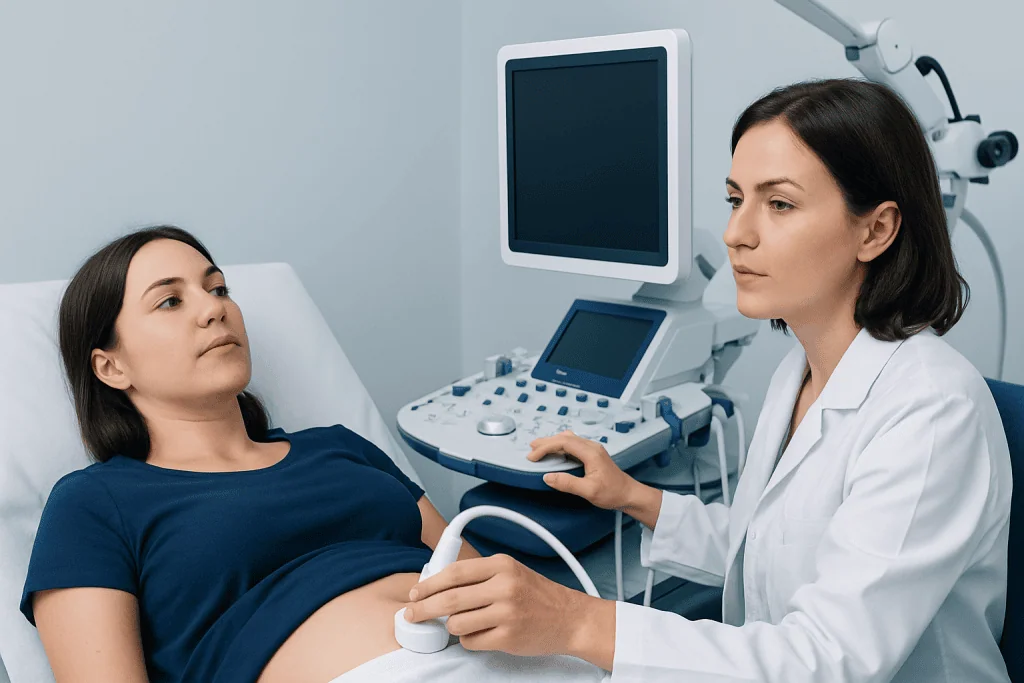
The uterus must provide a suitable environment for implantation. Polyps, fibroids that distort the uterine cavity, adhesions, congenital uterine differences or fluid in the fallopian tubes can reduce the chance that an embryo will attach. Some of these findings are not obvious on a routine pelvic scan, so further imaging may be needed after repeated failed transfers.
The endometrium, or uterine lining, is also important. A lining that remains thin despite appropriate estrogen support, signs of chronic inflammation, or suspected chronic endometritis may prompt additional testing. Chronic endometritis is a low-grade inflammation of the uterine lining and is different from endometriosis. It is usually investigated with an endometrial biopsy and specific laboratory staining when clinically appropriate. Evaluation of female infertility often includes this type of uterine assessment when the history suggests a uterine factor.
Hormonal, Genetic, Immune and Lifestyle Factors
Hormonal balance supports ovulation, endometrial development and early pregnancy. Thyroid disorders, elevated prolactin, poorly controlled diabetes or insulin resistance, and some features of polycystic ovary syndrome may affect fertility treatment outcomes. These factors are not always the main cause of RIF, but they are generally worth checking because treatment can improve overall reproductive health.
Genetic and immune testing should be selective. Parental karyotyping may be considered if there are repeated miscarriages, severe embryo development problems or a family history suggesting a chromosome rearrangement. Antiphospholipid syndrome testing may be appropriate in certain miscarriage patterns, but broad immune panels, natural killer cell testing and many empiric immune treatments remain controversial. Lifestyle factors such as smoking, excess alcohol, sleep disruption, significant weight changes and high stress levels can also influence fertility, although they should be addressed without blaming the patient.
Next Tests After Failed Embryo Transfers
The best next tests are chosen after reviewing what has already been done. Repeating the same investigations without a clear reason can add cost and stress. A practical approach is to look first for common, treatable factors and then consider more specialized tests if the history supports them.
Depending on previous results, the fertility team may discuss:
- A detailed audit of prior IVF cycles, including embryo grading, lab performance and transfer notes.
- Transvaginal ultrasound, saline infusion sonography or hysteroscopy to assess the uterine cavity.
- Endometrial biopsy if chronic endometritis or another lining problem is suspected.
- Blood tests for thyroid function, prolactin, HbA1c or other endocrine concerns.
- Updated semen analysis and selected sperm DNA testing in relevant cases.
- Genetic counseling, PGT-A or parental karyotypes when age, embryo history or pregnancy losses suggest benefit.
Endometrial receptivity testing is sometimes promoted to personalize the transfer day. Current evidence is mixed, especially for routine use. It may be considered in selected cases, but patients should understand its limitations before changing a transfer plan based on one result.
Treatment Options and Planning the Next IVF Cycle
Treatment depends on what is found. A polyp or adhesion may be treated with hysteroscopic surgery. A hydrosalpinx, which is fluid in a damaged fallopian tube, may need surgical management before another transfer. Chronic endometritis may be treated with antibiotics if confirmed. Thyroid, prolactin or blood sugar problems may be managed before embryo transfer to create a more favorable environment.
If embryo factors are likely, the plan may include changing ovarian stimulation, using a different fertilization method, considering blastocyst culture, discussing genetic testing, or transferring a single suitable embryo to reduce multiple pregnancy risk. Patients with complex histories may benefit from care by a multidisciplinary infertility team. Acibadem International’s specialists in JCI-accredited hospitals evaluate and treat fertility problems for international patients, including those with repeated failed embryo transfers.
Prevention, Self-Care and When to See a Doctor
Not every failed implantation can be prevented. However, patients can support treatment by taking medications exactly as prescribed, attending monitoring visits, avoiding smoking, limiting alcohol, maintaining a balanced diet, and discussing supplements before using them. Folic acid is commonly recommended before pregnancy, but other supplements should be individualized because more is not always better.
A follow-up appointment is recommended after two or more unsuccessful embryo transfers, after transfer of a chromosome-screened embryo without pregnancy, or sooner if there are known uterine problems, repeated miscarriages, severe male factor infertility or significant medical conditions. Patients should seek medical advice promptly if they have heavy bleeding, fever, severe pelvic pain or symptoms after fertility procedures. A calm, evidence-based review often helps patients move from uncertainty toward a clearer plan.
Frequently asked questions
Is recurrent implantation failure the same as infertility?
Recurrent implantation failure is a specific situation within infertility care, usually involving repeated embryo transfers that do not lead to pregnancy. Infertility is a broader term that includes difficulty conceiving naturally or with treatment. A fertility specialist can help determine whether the main issue is embryo-related, uterine, hormonal, sperm-related or unexplained.
How many failed IVF transfers are considered recurrent implantation failure?
There is no single accepted number. Some clinics use two or three failed transfers, while others consider the number of good-quality embryos transferred and whether they were genetically tested. Age, embryo quality and previous pregnancy history all influence how the term is applied.
Can a good-quality embryo still fail to implant?
Yes. Embryo grading is based on appearance and development, but it cannot fully confirm chromosome status or future potential. Even a high-quality embryo may not implant if it has genetic problems or if the uterine environment is not optimal during the transfer window.
Should everyone have PGT-A after failed implantation?
Not necessarily. PGT-A may be helpful in selected patients, especially when maternal age is higher or there have been repeated embryo losses, but it is not a universal solution. The benefits, limitations, embryo number and possible risks should be reviewed with a fertility specialist.
Are immune treatments recommended for recurrent implantation failure?
Most immune tests and treatments used for implantation failure remain controversial because evidence is limited or inconsistent. Some conditions, such as antiphospholipid syndrome, have clearer diagnostic criteria and treatment pathways. Patients should avoid starting immune medications without specialist guidance.
What can patients do before the next embryo transfer?
Patients can schedule a detailed review of previous cycles, confirm that uterine and hormonal factors have been assessed, and follow the medication plan carefully. Healthy lifestyle habits, avoiding smoking and discussing any supplements or medications with the doctor are also useful. Emotional support or counseling can help reduce the burden of repeated treatment.
References
- European Society of Human Reproduction and Embryology
- American Society for Reproductive Medicine
- Royal College of Obstetricians and Gynaecologists
- National Institute for Health and Care Excellence
- World Health Organization
This article is for general information only and is not a substitute for professional medical advice. Please consult a qualified doctor about your individual situation.
IVF & fertility treatment in Turkey — success rates and costs
JCI-accredited · board-certified surgeons · reply within 24h
Check your numbers in seconds
BMI, calories, due date, blood pressure and 30+ more clinical calculators — free, instant, doctor-reviewed ranges.

Related Treatments
Related Conditions
More from the Health Library



Related Specialists

Prof. Dr. Bülent Tıraş
Gynecology & Obstetrics
Prof. Dr. Mete Güngör
Gynecology & Obstetrics
Prof. Dr. Faruk Suat Dede
Gynecology & Obstetrics
Prof. Dr. Tansu Küçük
Gynecology & Obstetrics