Red Light Therapy: Symptoms, Causes, and Treatment Options
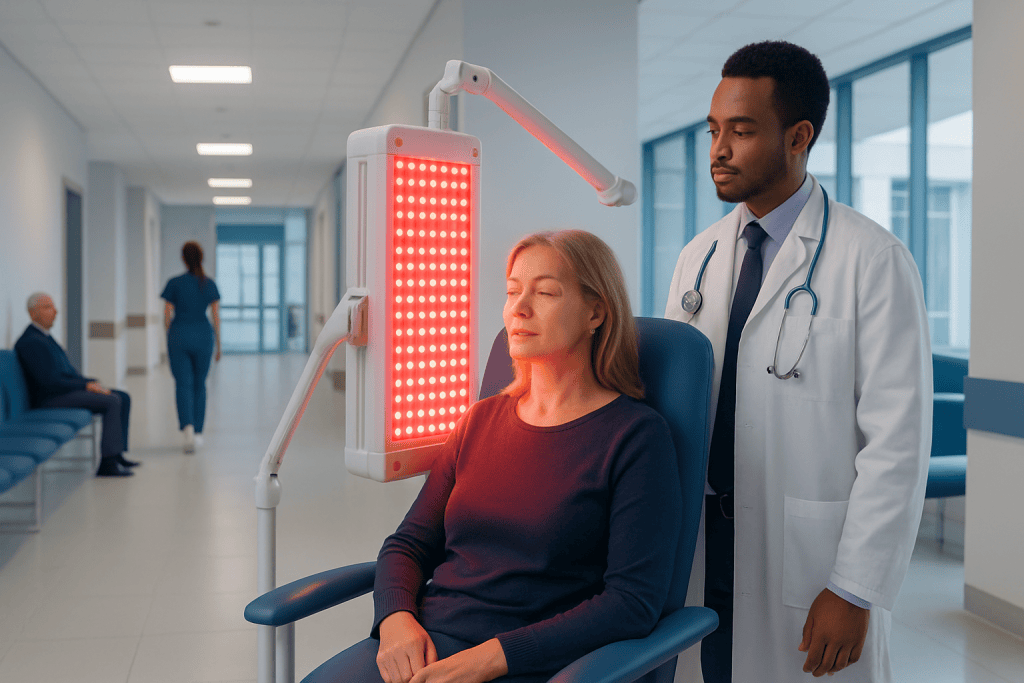
Red light therapy uses low-level red or near-infrared light to affect cells in a gentle, noninvasive way. It is most often used for skin concerns, wound support, inflammation, and some types of musculoskeletal pain.
Key Takeaways
- Red light therapy uses low-level red or near-infrared light to affect cells in a gentle, noninvasive way.
- It is most often used for skin concerns, wound support, inflammation, and some types of musculoskeletal pain.
- Benefits depend on the condition being treated, the device used, and the treatment plan.
- Side effects are usually mild, but eye protection and proper medical supervision are important.
- It should complement, not replace, diagnosis and evidence-based medical care for ongoing symptoms.
Red light therapy is a noninvasive treatment that uses specific wavelengths of red or near-infrared light to support healing and reduce inflammation in some conditions. It is not a cure-all, but it may be helpful for selected skin concerns, pain conditions, and recovery when used appropriately and under medical guidance.
What red light therapy is
Red light therapy is a treatment that exposes the body to low levels of red or near-infrared light. This process is also called photobiomodulation or low-level light therapy. Unlike ultraviolet light from the sun, it does not aim to tan or burn the skin. Instead, it is used to influence how cells function, especially in tissues close to the skin surface.
In clinical settings, red light therapy may be used to support skin repair, ease inflammation, and help with certain pain-related conditions. It has also been studied for wound healing, recovery after some procedures, and selected chronic conditions. Research is promising in some areas, but results are not identical for every diagnosis.
The treatment itself is usually painless. A patient sits or lies near a light panel, or a clinician applies a device directly to the treatment area for a planned amount of time. Sessions vary depending on the goal, the body area, and whether treatment is given in a medical office, rehabilitation setting, or at home using an approved device.
How it works in the body
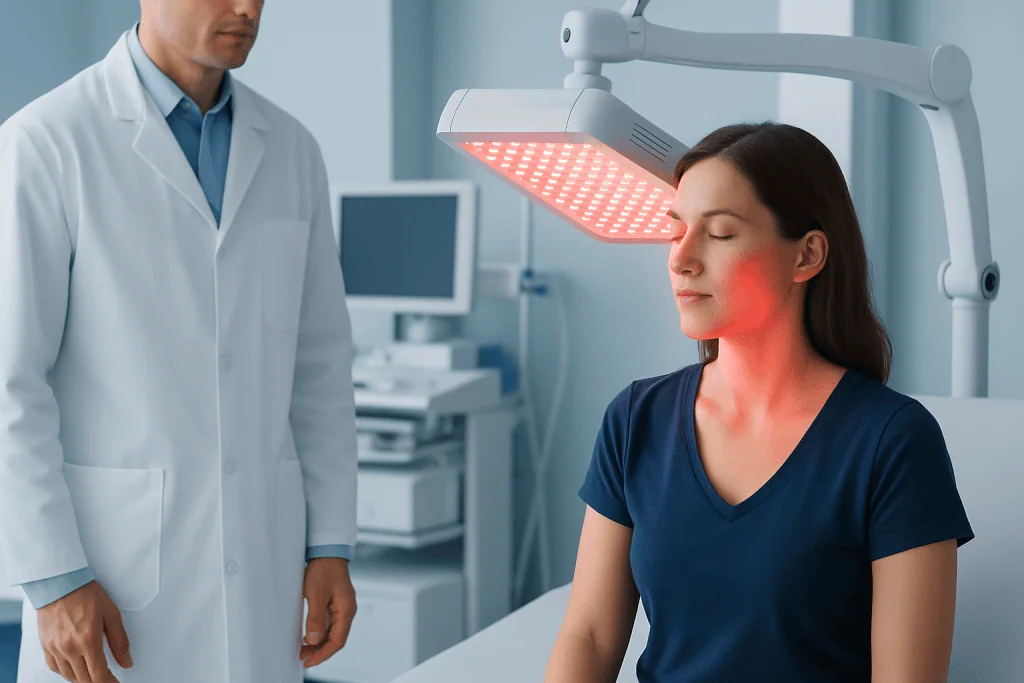
Red light therapy is thought to work by delivering light energy that is absorbed by structures inside cells, especially the mitochondria. Mitochondria help produce cellular energy. When light is absorbed at the right wavelength and dose, cells may function more efficiently, which can support tissue repair and help regulate inflammation.
Researchers are studying several effects, including improved circulation in treated tissues, reduced oxidative stress, and changes in inflammatory signaling. These effects may help explain why some people notice improvement in skin texture, healing, joint discomfort, or muscle recovery. However, the biological response depends on correct use. More light is not always better, and treatment plans need to be matched to the condition.
This is one reason medical evaluation matters. Symptoms such as chronic pain, slow-healing wounds, or persistent skin changes can have many causes. Red light therapy may sometimes be part of care, but an underlying condition still needs proper diagnosis and treatment.
What conditions it may help

Red light therapy is used in several areas of medicine, though strength of evidence varies by condition. It is most commonly discussed for skin health, including support for acne, signs of photoaging, and recovery after certain dermatologic procedures. Some clinicians also use it to assist with wound healing or scar management.
It may also be considered for inflammatory or pain-related conditions. Examples include muscle soreness, some tendon or soft tissue problems, and selected joint symptoms. In broader rehabilitation plans, it may be used alongside exercise therapy, physical medicine, or other supportive treatments rather than as a stand-alone solution.
For skin concerns, a doctor may evaluate whether another diagnosis is contributing to symptoms, such as psoriasis or eczema. For people with acne scarring or skin texture concerns, red light therapy may be discussed together with options such as laser treatment when appropriate. The best approach depends on skin type, severity, overall health, and treatment goals.
- Skin rejuvenation and fine lines
- Acne and inflammation-related skin changes
- Wound healing support
- Muscle soreness and recovery
- Some joint or soft tissue pain conditions
- Post-procedure skin recovery in selected cases
What symptoms or concerns lead people to consider it
People usually seek red light therapy because they want help with a symptom or visible concern rather than because they have a single disease called “red light therapy.” Common reasons include persistent acne, facial redness, mild fine lines, slow skin recovery, localized pain, stiffness, or recurring muscle soreness after activity. Some also ask about it when looking for noninvasive support during rehabilitation.
These symptoms can have many causes. Acne may be influenced by hormones, skin care products, medications, or inflammation. Pain and stiffness may relate to overuse, arthritis, poor biomechanics, or nerve-related issues. Slow wound healing can be associated with diabetes, circulation problems, infection, nutritional deficiencies, or smoking. Because of this, symptoms should be assessed in context rather than self-treated indefinitely.
Red light therapy may be most useful when there is a clear treatment goal, such as reducing inflammation, supporting tissue repair, or complementing a broader care plan. It is less helpful when symptoms have not been evaluated or when there is an untreated medical cause that needs direct attention.
Benefits, limits, and possible side effects
The appeal of red light therapy is that it is noninvasive and usually well tolerated. Sessions are generally comfortable, require little to no recovery time, and may be repeated as part of a structured plan. Some patients notice gradual improvement in skin appearance, tenderness, or recovery over a series of sessions rather than after a single treatment.
Even so, it has clear limits. It does not replace treatment for infection, severe inflammatory disease, cancer, fracture, major tendon injury, or uncontrolled chronic illness. It is also not a guaranteed solution for hair loss, weight loss, chronic fatigue, or generalized pain, despite broad claims sometimes seen online. The quality of the evidence depends heavily on the condition, the device, and the treatment protocol.
Side effects are usually mild when devices are used correctly, but they can include temporary redness, warmth, dryness, irritation, or headache. Eye protection may be necessary, especially with stronger devices or treatment near the face. People who take medicines that increase light sensitivity, have active skin disorders, or are unsure whether a lesion is benign should speak with a doctor before starting treatment. If another therapy is more suitable, options such as physical therapy and rehabilitation or specialist skin care may be recommended.
How doctors evaluate whether it is appropriate
Before recommending red light therapy, a clinician first identifies the actual problem being treated. This starts with a medical history and physical examination. For skin complaints, the doctor may assess lesion type, severity, duration, triggers, and previous treatments. For pain or mobility issues, they may examine joints, muscles, tendons, posture, and range of motion.
Some people need additional tests before treatment is considered. Depending on symptoms, this may include blood work, wound assessment, imaging, or referral to a dermatologist, rehabilitation specialist, orthopedist, or pain specialist. The aim is to avoid missing conditions that need more specific care.
Once the diagnosis is clear, the doctor can decide whether red light therapy is reasonable, what type of device to use, how often sessions should occur, and how progress should be measured. In some cases, it may be combined with treatments such as dermatology care or structured exercise therapy for better overall results.
Treatment options and self-care
If red light therapy is chosen, it is usually part of a broader treatment plan. For skin conditions, this may include gentle cleansing, sun protection, prescription or nonprescription creams, and follow-up to monitor response. For pain or rehabilitation goals, treatment may be paired with stretching, strengthening, posture correction, activity modification, and physical therapy.
Home-use devices are widely available, but quality and power vary. A medical-grade device in a supervised setting may be more suitable for some conditions because the treatment parameters can be tailored more accurately. People should avoid overuse, follow product instructions carefully, and never use a device on the eyes unless it is specifically designed and supervised for that purpose.
Self-care still matters whether or not red light therapy is used. Helpful steps include protecting the skin from excess sun exposure, avoiding smoking, managing chronic conditions such as diabetes, staying active within comfort, getting adequate sleep, and following the treatment plan advised by a doctor. Near the end of a diagnostic or treatment journey, some international patients choose centers such as Acibadem International, where multidisciplinary specialists in JCI-accredited hospitals evaluate whether therapies like red light therapy fit into a broader evidence-based care plan.
When to seek medical care
Medical care is important if symptoms are severe, persistent, or unexplained. A person should speak with a doctor if they have a nonhealing wound, a rapidly changing skin lesion, significant swelling, worsening pain, reduced function, fever, signs of infection, or symptoms that interfere with daily life. These problems may need direct medical treatment rather than supportive light therapy alone.
It is also sensible to seek advice before starting red light therapy during pregnancy, while taking photosensitizing medications, or when living with a chronic illness that affects healing or circulation. Professional guidance can help determine whether the treatment is safe, useful, and properly timed.
Prompt evaluation can be especially helpful when symptoms have lasted for weeks, recur often, or have not improved with routine self-care. A doctor can confirm the diagnosis, rule out more serious causes, and recommend the most appropriate next step.
Frequently asked questions
Does red light therapy really work?
Red light therapy may help some conditions, especially certain skin concerns, inflammation-related symptoms, and aspects of tissue recovery. Its effectiveness depends on the diagnosis, the device, the treatment settings, and whether it is used as part of an overall care plan.
Is red light therapy safe?
It is generally considered safe when used correctly and for appropriate indications. Side effects are usually mild, but improper use can irritate the skin or affect the eyes, so medical guidance and eye protection are important.
How long does it take to see results from red light therapy?
Results are usually gradual rather than immediate. Some people notice changes after several sessions, while others may need a longer course depending on the condition being treated and how the body responds.
Can red light therapy treat acne or aging skin?
It may help reduce inflammation associated with acne and may support improvements in skin texture or fine lines in some people. However, it works best when matched to the right skin concern and combined with appropriate skin care or medical treatment.
Can red light therapy help with pain?
It may provide relief for some people with muscle soreness, soft tissue irritation, or selected joint symptoms. Pain has many causes, so a proper diagnosis is important before relying on light therapy alone.
Who should avoid red light therapy or ask a doctor first?
Anyone with unexplained skin lesions, active infection, severe symptoms, photosensitivity, or medications that increase light sensitivity should seek medical advice first. People who are pregnant or have chronic conditions affecting healing should also ask a qualified doctor before starting treatment.
References
- World Health Organization
- American Academy of Dermatology
- National Center for Complementary and Integrative Health
- MedlinePlus
- National Institutes of Health
This article is for general information only and is not a substitute for professional medical advice. Please consult a qualified doctor about your individual situation.
Explore treatments in Turkey — costs, top hospitals & a free quote
JCI-accredited · board-certified surgeons · reply within 24h
Add us as a Preferred Source to see more of our trusted health content across Google Search, AI Overviews and Discover.