Red Splotches on Top of Mouth — Explained by Medical Evidence, Not Myths
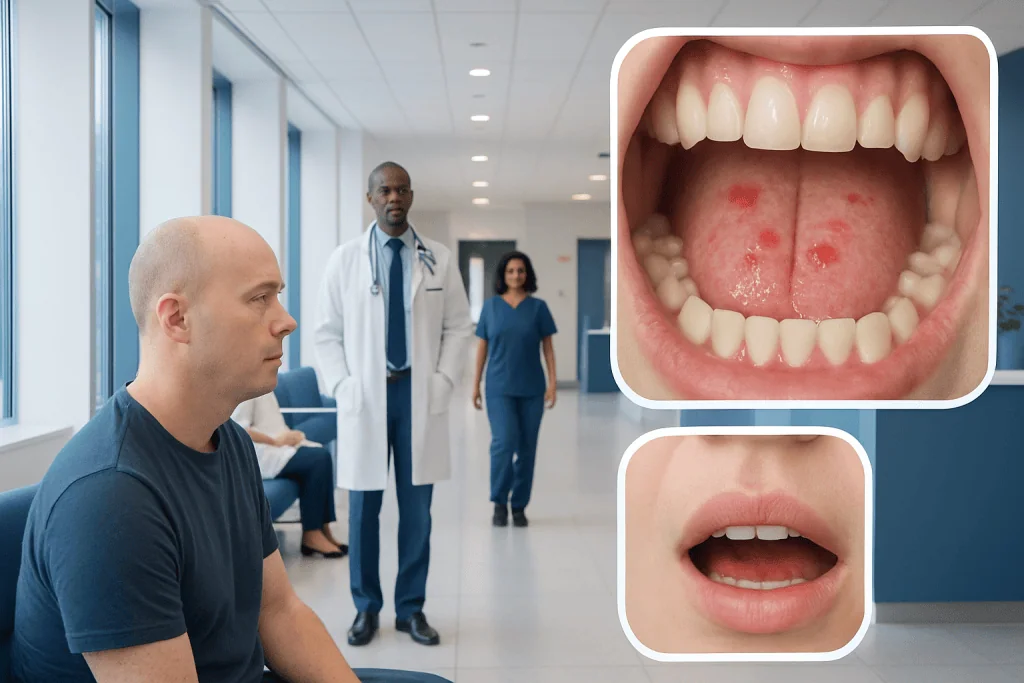
Red splotches on top of mouth can result from harmless irritation, hot-food burns, infections, allergies, or inflammatory conditions. Spots that last more than two weeks, bleed, enlarge, or come with fever, severe pain, or trouble swallowing should be assessed by a doctor or dentist.
Key Takeaways
- Red splotches on top of mouth can result from harmless irritation, hot-food burns, infections, allergies, or inflammatory conditions.
- Spots that last more than two weeks, bleed, enlarge, or come with fever, severe pain, or trouble swallowing should be assessed by a doctor or dentist.
- Diagnosis usually relies on a mouth exam and medical history, though swabs, blood tests, or a biopsy may sometimes be needed.
- Treatment depends on the cause and may include removing irritants, improving oral hygiene, treating infection, or managing inflammation.
- Avoiding tobacco, very hot foods, and trauma to the palate can help reduce repeat irritation.
Red splotches on top of the mouth are usually linked to irritation, minor injury, infection, inflammation, or less commonly a condition that needs medical attention. The cause often depends on how the spots look, whether they hurt, and how long they have been present.
What red splotches on top of mouth usually mean
Red splotches on top of mouth most often reflect inflammation in the tissue of the palate, which is the roof of the mouth. In many people, the cause is minor and temporary, such as a hot-food burn, friction from hard foods, irritation from smoking or vaping, or sensitivity to oral care products. These changes can appear as flat red patches, small pinpoint spots, or larger uneven areas.
Not every red patch means the same thing. Some are painful or tender, while others are barely noticeable and found by chance in the mirror. A clinician usually considers the color, size, location, texture, and duration of the spots, along with other symptoms such as sore throat, fever, bad breath, ulcers, white coating, or bleeding gums.
Because several different conditions can look similar inside the mouth, self-diagnosis is not always reliable. Many cases improve once the irritating trigger is removed, but persistent, recurrent, or unexplained red areas deserve evaluation to rule out infection, immune-related conditions, and less common but more serious causes.
How these spots can look and feel

The appearance of red splotches on top of mouth varies from person to person. Some people notice tiny red dots, which can be related to small broken blood vessels or localized irritation. Others see broad red patches on the hard palate or soft palate, sometimes with swelling, tenderness, or a burning feeling.
Symptoms may offer clues. A sudden painful patch after eating pizza, soup, or another very hot food often suggests a thermal burn. Redness with a white coating or soreness may point toward a yeast infection. Spots that come with cold symptoms, fever, or throat pain can occur with viral or bacterial infections. If the palate feels dry, rough, or easily irritated, dehydration or mouth breathing may also contribute.
It is also possible to have red areas without pain. Painless spots can still be caused by irritation, but they are more likely to need professional review if they do not fade within about two weeks. Any lesion that becomes raised, firm, ulcerated, or starts bleeding should not be ignored.
- Flat red patch
- Pinpoint red dots
- Burning or stinging sensation
- Soreness with swallowing
- Associated white patches, ulcers, or swelling
Common causes, from irritation to infection

Everyday irritation is one of the most common explanations for red splotches on top of mouth. Hot drinks and foods can injure the delicate lining of the palate. Crunchy foods, sharp chips, crusty bread, or accidental scraping with a toothbrush may also lead to temporary redness. Tobacco, vaping, alcohol, and strongly flavored mouthwashes can irritate the area as well.
Infections are another major category. Viral illnesses may cause red spots in the mouth along with fever, sore throat, or fatigue. Bacterial infections, including strep throat in some cases, may involve palate redness or tiny red dots. Fungal overgrowth such as oral thrush can cause sore red tissue, often with white patches that may wipe off. Related conditions can overlap with oral thrush or tonsillitis depending on the wider symptom pattern.
Inflammatory and immune-related conditions can also affect the palate. Allergic reactions to foods, dental materials, medications, or oral hygiene products may produce redness, swelling, or burning. Canker sores, lichen planus, dry mouth, nutritional deficiencies, and some skin disorders can involve the oral lining. In a smaller number of cases, persistent red patches may represent a precancerous change or oral cancer, especially in people who use tobacco, drink heavily, or have long-standing lesions.
Petechiae, which are tiny pinpoint red or purple spots caused by small blood vessel bleeding, may appear after coughing, vomiting, intense suction, or infection. Less commonly, they can be linked to blood or platelet disorders. If there is unusual bruising, nosebleeds, or widespread spots elsewhere on the body, medical review is important.
Risk factors that make mouth redness more likely
Several factors increase the chance of developing red patches on the palate. Smoking and vaping are common contributors because heat and chemical exposure can irritate the lining of the mouth. Poorly fitting dentures, orthodontic appliances, rough dental edges, or frequent rubbing from hard foods can create repeated trauma in the same location.
General health also matters. People with diabetes, dry mouth, weakened immunity, recent antibiotic use, or steroid inhaler use may be more prone to oral infections, including fungal overgrowth. Allergies, eczema, asthma, and autoimmune conditions may increase susceptibility to inflammatory mouth symptoms. Stress and poor sleep can sometimes worsen recurring oral sores in people who are already prone to them.
Hydration and nutrition play a role too. Low fluid intake, frequent mouth breathing, and deficiencies in iron, folate, or vitamin B12 may contribute to a sore or inflamed oral lining. Heavy alcohol use can worsen irritation, especially when combined with tobacco. These factors do not confirm a diagnosis, but they help explain why some people experience repeated mouth changes.
How doctors and dentists diagnose the cause
Diagnosis begins with a close examination of the mouth and throat. A dentist, primary care doctor, or ear, nose, and throat specialist will usually ask when the spots began, whether they are painful, whether there was a burn or recent illness, and whether tobacco, new medications, or oral care products may be involved. They may also ask about fever, rashes, bleeding, weight loss, swallowing problems, or repeated episodes.
Many cases can be identified from the history and exam alone. If infection is suspected, a throat swab, fungal assessment, or other tests may be used. Blood tests may be considered when nutritional deficiencies, immune problems, or blood-related causes are possible. If a red patch is persistent, unusual in appearance, or concerning for precancerous change, the clinician may recommend a small tissue sample for analysis. This is often part of evaluating oral cancer and other persistent oral lesions.
Sometimes the most useful diagnostic step is simple follow-up. If the likely cause is irritation, the clinician may advise avoiding triggers and rechecking the area after one to two weeks. If it clears, no further testing may be needed. If it does not improve, the next step may include specialist assessment, especially when lesions are deep red, velvety, firm, or unexplained.
Treatment depends on the underlying cause
There is no single treatment for red splotches on top of mouth because the best approach depends on why they appeared. If the problem is irritation or a mild burn, care usually focuses on removing the trigger and giving the tissue time to heal. That may include avoiding very hot foods, spicy or acidic items, tobacco, alcohol, and harsh mouth rinses for several days.
When infection is responsible, treatment may target the specific cause. Fungal overgrowth may need antifungal care, while bacterial infection may require a clinician-directed plan. Viral illnesses often improve with supportive care, though some situations call for prescription treatment. If the spots are associated with significant throat symptoms, swallowing pain, or repeated infections, an evaluation by an ENT specialist assessment may be appropriate.
Inflammatory or allergic causes may improve after stopping the triggering toothpaste, mouthwash, food, or medication, under medical guidance. Good oral hygiene, gentle brushing, staying well hydrated, and managing dry mouth can support healing. If there is concern about a persistent lesion, doctors may recommend further evaluation and, when needed, biopsy assessment to clarify the diagnosis.
For people whose symptoms are linked to dental appliances, bite issues, or irritation from oral structures, a dental or oral surgery review may help. In selected cases, referral for oral and maxillofacial surgery evaluation is used to assess problematic lesions, trauma, or structural causes affecting the mouth.
Prevention and self-care at home
Simple self-care can reduce irritation and support recovery. Eating foods that are warm rather than very hot, chewing carefully, and avoiding hard or sharp foods when the mouth is sore can help the palate heal. Many people also benefit from pausing tobacco and vaping, since these can delay recovery and provoke ongoing inflammation.
Gentle oral hygiene matters. A soft toothbrush, regular dental care, and non-irritating toothpaste can make the mouth less prone to trauma. If a particular mouthwash seems to sting, switching to a milder product may help. Staying hydrated can reduce dryness and friction, especially for people who breathe through the mouth at night.
It is best not to pick at, scrape, or repeatedly inspect a red patch, as this can worsen irritation. If a clinician has ruled out a serious cause, keeping a symptom diary may help identify food triggers, oral products, or habits that make flare-ups more likely. People with recurrent symptoms may also benefit from evaluation for allergies, dental fit problems, or underlying conditions that affect the mouth.
When to seek medical care
Medical or dental assessment is advisable if red splotches on top of mouth last longer than two weeks, keep coming back, or do not improve after obvious irritants are removed. Care is also recommended if the spots are very painful, interfere with eating or drinking, or are accompanied by fever, significant sore throat, swollen glands, or bad breath that does not resolve.
Prompt evaluation is especially important if there is bleeding, an ulcer that does not heal, a firm lump, unexplained weight loss, difficulty swallowing, or a patch that looks dark red and velvety. These features do not automatically mean something serious, but they should be examined. At Acibadem International, multidisciplinary specialists in JCI-accredited hospitals evaluate oral and throat symptoms for international patients and guide diagnosis and treatment based on the underlying cause.
Emergency care is appropriate if mouth changes occur with trouble breathing, facial swelling, severe dehydration, or signs of a strong allergic reaction. When in doubt, consulting a qualified doctor or dentist is the safest way to understand what the spots mean and whether treatment is needed.
Frequently asked questions
Are red splotches on top of mouth usually serious?
Often they are not serious and are related to irritation, burns, infection, or inflammation. However, a spot that persists for more than two weeks, enlarges, bleeds, or feels firm should be checked by a clinician.
Can hot food cause red spots on the roof of the mouth?
Yes. Very hot foods and drinks can burn the palate and create sore red patches or peeling areas. These usually improve within several days if the area is not re-irritated.
Do red patches in the mouth mean infection?
Sometimes, but not always. Viral, bacterial, and fungal infections can all cause mouth redness, yet allergies, friction, smoking, and immune-related conditions can look similar.
What is the difference between red spots and oral thrush?
Oral thrush often causes soreness with creamy white patches and red tissue underneath or around them. Red spots without white coating may be due to many other causes, so the full appearance and symptoms matter.
Should a person see a doctor or a dentist for red splotches on top of mouth?
Either can be a good starting point, especially if they are experienced in oral lesions. Dentists, primary care doctors, and ENT specialists can all assess mouth changes and refer for further testing if needed.
Can stress cause red splotches on top of mouth?
Stress is not usually a direct cause, but it can contribute to behaviors and body changes that make mouth symptoms more likely. For example, stress may worsen dry mouth, teeth grinding, or recurring sores in some people.
References
- World Health Organization
- American Dental Association
- National Institute of Dental and Craniofacial Research
- Centers for Disease Control and Prevention
- Mayo Clinic
This article is for general information only and is not a substitute for professional medical advice. Please consult a qualified doctor about your individual situation.
Explore treatments in Turkey — costs, top hospitals & a free quote
JCI-accredited · board-certified surgeons · reply within 24h
Add us as a Preferred Source to see more of our trusted health content across Google Search, AI Overviews and Discover.

More from the Health Library



Related Specialists

Prof. Dr. Hakan Özveri
Urology
Assoc. Prof. Dr. Ertuğrul Emre Güntürk
Cardiology
Fzt. Hamdi Kandemir
Physical Medicine & Rehabilitation
Prof. Dr. Yüksel Ersoy
Physical Medicine & Rehabilitation