Reduce Dry Mouth During Cancer Therapy: How It Works, Results and What to Expect

Cancer therapy-related dry mouth, also called xerostomia, is especially common with radiation to the head and neck but may also occur with medicines, chemotherapy and dehydration. Protecting the mouth matters because low saliva can increase discomfort, tooth decay, oral infections, difficulty eating and speech changes.
Key Takeaways
- Cancer therapy-related dry mouth, also called xerostomia, is especially common with radiation to the head and neck but may also occur with medicines, chemotherapy and dehydration.
- Protecting the mouth matters because low saliva can increase discomfort, tooth decay, oral infections, difficulty eating and speech changes.
- Self-care measures can help, but persistent symptoms should be reviewed by the cancer team or an oral-health professional.
- Some people may benefit from prescription saliva-stimulating medicines or treatment planning techniques that limit radiation exposure to salivary glands.
- Urgent assessment is important for dehydration, inability to swallow fluids, fever, mouth bleeding or severe pain.
Dry mouth during cancer therapy can often be reduced with regular mouth care, frequent sips of fluid, saliva substitutes or stimulants, and timely support from the oncology and dental teams. The best approach depends on the treatment causing the symptom, its severity, and whether saliva gland function may recover after therapy.
How to reduce dry mouth during cancer therapy
Dry mouth during cancer therapy can often be eased by keeping the mouth moist throughout the day, using saliva-replacement products, choosing gentle oral-care products and addressing the treatment-related cause with the cancer team. Small, frequent sips of water, sugar-free gum or lozenges when safe, and moist foods may improve day-to-day comfort. A clinician can recommend additional options when symptoms are persistent or severe.
Saliva does much more than make the mouth feel comfortable. It helps with tasting, chewing, swallowing, speaking, protecting teeth and limiting infection-causing organisms. When saliva production falls, the mouth may feel sticky or burning, food may be difficult to swallow, and sleep may be interrupted by thirst. Early support can reduce complications and make cancer treatment easier to tolerate.
The medical term for a sensation of oral dryness is xerostomia. It may occur even when some saliva is still produced, while reduced saliva flow is called hyposalivation. Symptoms may improve after some treatments end, but dry mouth can be long-lasting after radiation affecting major salivary glands. Individual assessment is therefore important.
How cancer therapy causes dry mouth
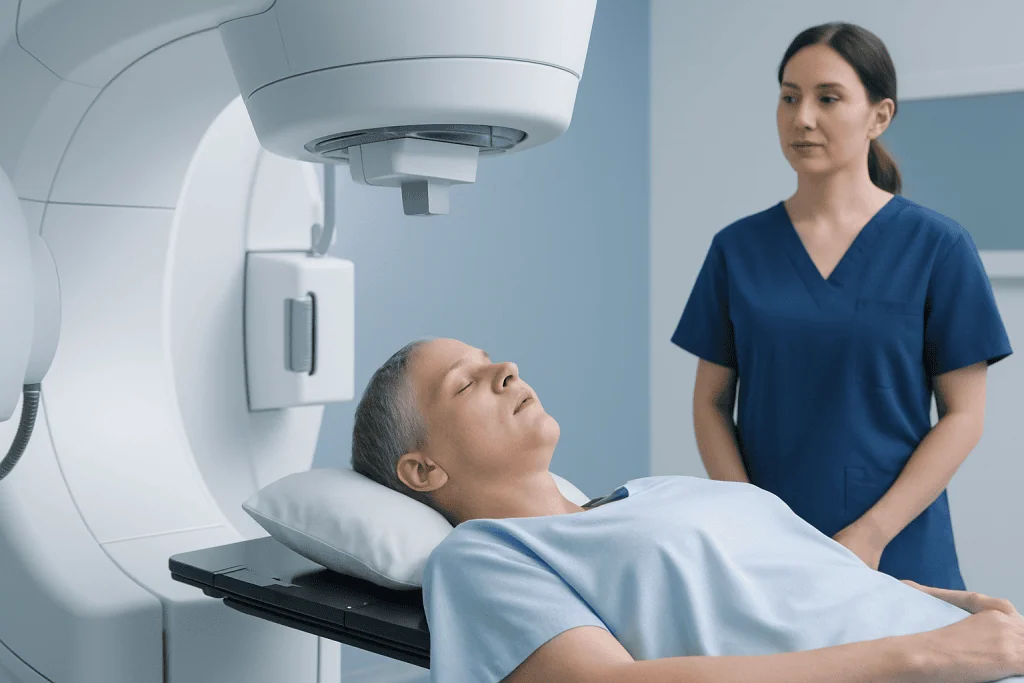
Radiotherapy to the head and neck is a leading cause of cancer treatment-related dry mouth because radiation can affect the salivary glands. The likelihood and duration depend on which glands receive radiation, the total exposure and the person’s baseline oral health. Modern treatment planning aims to protect healthy tissues when this is clinically appropriate; radiotherapy treatment planning can be discussed with the radiation oncology team.
Chemotherapy may contribute indirectly through dehydration, nausea, reduced fluid intake, mouth sores or changes in oral tissues. Some targeted therapies, immunotherapies and supportive medicines can also cause dryness. These may include certain pain medicines, anti-nausea medicines, antihistamines, antidepressants and medicines used for sleep or anxiety. No medicine should be stopped or changed without medical advice.
Dry mouth may also have more than one cause. Diabetes, autoimmune conditions, mouth breathing, tobacco use, alcohol, caffeine, infections and reduced fluid intake can worsen it. Identifying these contributing factors allows care to be tailored rather than relying on one solution for everyone.
Who may benefit from a dry-mouth care plan

Anyone who develops dry mouth before, during or after cancer therapy may benefit from a personalized care plan. This is particularly important for people receiving treatment for cancers of the mouth, throat, voice box, nasal area or nearby structures, and for those with pre-existing dental disease, dentures, swallowing difficulties or limited fluid intake.
Before head and neck radiotherapy, a dental assessment is commonly recommended. The dental and oncology teams can identify teeth or gum problems, discuss fluoride protection and explain how to maintain oral health during treatment. People being treated for head and neck cancer may need coordinated input from oncology, dentistry, dietetics, speech and swallowing specialists, and nursing teams.
Prescription treatments that stimulate saliva are not suitable for every person. A clinician will consider the person’s cancer treatment plan, medical history, current medicines and conditions such as uncontrolled asthma, certain heart conditions, glaucoma or gastrointestinal disorders. The goal is safe symptom relief while maintaining effective cancer care.
What to expect: assessment and step-by-step care
Care usually begins with a discussion of when dryness started, how it affects eating, speaking, sleep and oral hygiene, and whether there are associated symptoms such as ulcers, pain, altered taste or difficulty swallowing. The clinician may examine the mouth, teeth, gums and tongue, review medicines and assess hydration. Dental evaluation may be arranged where needed.
Next, the team identifies practical measures that fit the person’s treatment and symptoms. These may include a regular hydration routine, a saliva substitute in spray, gel or rinse form, alcohol-free mouth rinses, fluoride products and dietary adjustments. If residual salivary gland function is present, a clinician may consider a saliva-stimulating medicine or recommend sugar-free gum or lozenges, provided chewing and swallowing are safe.
During radiotherapy, the oncology team monitors side effects and may adjust supportive care as symptoms change. A dietitian can suggest moist, nutrient-dense foods if eating becomes difficult, while a speech and swallowing therapist can help when swallowing is affected. Supportive care is a routine part of cancer treatment, not a sign that therapy is failing or has to stop.
At Acibadem International, multidisciplinary specialists in JCI-accredited hospitals can coordinate cancer, dental, nutrition and rehabilitation support for international patients who need assessment and treatment for therapy-related dry mouth.
Recovery timeline, benefits and possible risks
The recovery timeline varies. Dryness related to dehydration, temporary medicines or chemotherapy may improve over days to weeks once the trigger settles. After head and neck radiotherapy, salivary function may recover gradually over months for some people, while others experience longer-term dryness. The cancer team can give the most realistic outlook based on the treatment area and plan.
The benefits of treatment are improved comfort, easier chewing and swallowing, better sleep and communication, and lower risk of dental decay and oral infection. Regular oral care also helps preserve teeth and gums during a period when the mouth may be more sensitive. Relief is often greatest when several measures are used consistently.
Most non-prescription saliva substitutes and alcohol-free mouth products have few side effects, although some people dislike a product’s taste or texture. Sugar-containing sweets and acidic drinks can increase the risk of tooth damage, so they are not preferred for frequent use. Prescription saliva stimulants can cause side effects such as sweating, flushing, nausea, frequent urination or dizziness and require medical supervision.
Daily self-care for a dry mouth
Keeping water nearby and taking frequent small sips is a simple starting point. Ice chips may be soothing for some people. Adding sauces, broth, gravy or yogurt to meals can make food easier to chew and swallow. Soft, cool foods may be more comfortable when the mouth is also sore, while very dry, spicy, salty, acidic or sugary foods may aggravate symptoms.
Good mouth care should be gentle and consistent. Brush with a soft toothbrush and fluoride toothpaste, clean between teeth if advised by a dental professional, and use an alcohol-free mouth rinse. A dentist may recommend daily fluoride gel, trays or varnish to reduce the increased risk of cavities. Dentures should be cleaned regularly and removed at night unless a clinician advises otherwise.
It may help to avoid tobacco, alcohol-containing mouthwash and excess alcohol, as these can dry and irritate the mouth. A cool-mist humidifier in the bedroom can be useful for mouth breathing at night. Sugar-free gum or lozenges containing xylitol may stimulate saliva for some people, but should be avoided if there is choking risk, severe mouth pain, jaw problems or medical advice against them.
- Carry water or a saliva spray when away from home.
- Choose alcohol-free oral-care products.
- Ask about fluoride protection before and during head and neck treatment.
- Contact the care team if eating, drinking or swallowing becomes difficult.
When to seek medical care
Dry mouth should be mentioned to the cancer team at the next appointment, especially if it is affecting food intake, sleep, speech or dental hygiene. Prompt review is advisable for new mouth sores, white patches, redness, bleeding gums, tooth pain, bad breath, worsening taste changes or pain when swallowing. These symptoms may indicate infection, mucositis, dental problems or another condition that needs treatment.
Seek urgent medical advice if the person cannot keep fluids down, is unable to swallow liquids, has signs of dehydration such as marked dizziness or very little urine, develops a fever, has severe mouth or throat pain, or experiences swelling that affects breathing. The treating oncology service should provide specific instructions for out-of-hours concerns.
Regular follow-up with the oncology team and dentist remains important after therapy. Long-term saliva changes can require ongoing preventive dental care, even when the original dryness becomes less noticeable.
What does “reduce” mean in this context?
In this article, “reduce dry mouth during cancer therapy” means to make the dryness less severe, less frequent or easier to manage. It does not always mean that saliva production can be fully restored immediately. Treatment focuses on improving comfort, protecting oral health and addressing reversible causes where possible.
People should not feel they have to manage this symptom alone. The cancer team can help select measures that are compatible with the person’s treatment, swallowing ability and overall health.
What is another word for “reduce”? Another word for “reduce” is “decrease.” Depending on the context, “lessen,” “lower,” “minimize” and “ease” can also be appropriate.
What is the meaning of reduce? Reduce means to make something smaller in amount, degree, size or intensity. In health care, it may refer to decreasing a symptom, risk or side effect.
What is reduce short answer? Reduce means make less. For dry mouth, it means making the feeling of dryness and its effects less troublesome.
What is a reduce tumbler? “Reduce Tumbler” is commonly used as a brand name for reusable drinkware, rather than as a medical term. A reusable tumbler can make it easier to keep water close by, but it does not replace clinical care or saliva-supporting treatments for cancer therapy-related dry mouth.
Frequently asked questions
Can dry mouth from cancer treatment go away?
It can improve, particularly when it is related to temporary medicines, dehydration or chemotherapy-related side effects. After radiation to the head and neck, improvement may occur gradually over months, but some people have persistent symptoms. The oncology team can explain the expected outlook based on the treatment plan.
What is the best drink for dry mouth during cancer therapy?
Plain water is usually a suitable first choice, taken in frequent small sips. Some people also find ice chips or non-acidic, sugar-free drinks helpful. The care team may give individualized advice if there are fluid restrictions, diabetes, swallowing difficulties or kidney or heart conditions.
Can sugar-free gum help with dry mouth?
Sugar-free gum or lozenges can stimulate saliva in people who still have some salivary gland function. Xylitol-containing options may be useful for dental health, but they are not appropriate for everyone. A clinician should be asked first if there are swallowing problems, mouth sores, jaw pain or choking concerns.
Why is dental care important when the mouth is dry?
Saliva helps wash away food particles and protect tooth enamel. When saliva is reduced, cavities, gum irritation and oral infections may develop more easily. Regular dental care and fluoride protection can help prevent these complications.
Are saliva substitutes safe during cancer treatment?
Many saliva substitutes, including gels, sprays and rinses, are designed for symptom relief and can be used during cancer treatment. Product choice should be discussed with the oncology or dental team, particularly if there are allergies, severe mouth sores or swallowing problems. Alcohol-free products are generally preferred because alcohol can worsen dryness.
Should cancer treatment be stopped because of dry mouth?
Dry mouth is an important side effect that should be reported, but it does not automatically mean cancer treatment must stop. The oncology team can provide supportive treatments and assess whether any treatment-related changes are appropriate. Patients should never delay, alter or stop prescribed therapy without speaking with their treating clinician.
References
- National Cancer Institute
- American Cancer Society
- American Dental Association
- Multinational Association of Supportive Care in Cancer
- World Health Organization
This article is for general information only and is not a substitute for professional medical advice. Please consult a qualified doctor about your individual situation.
Oncology care in Turkey — second opinion and treatment plan
JCI-accredited · board-certified surgeons · reply within 24h
Add us as a Preferred Source to see more of our trusted health content across Google Search, AI Overviews and Discover.