Redundant Colon: An Evidence-Based Guide for Patients
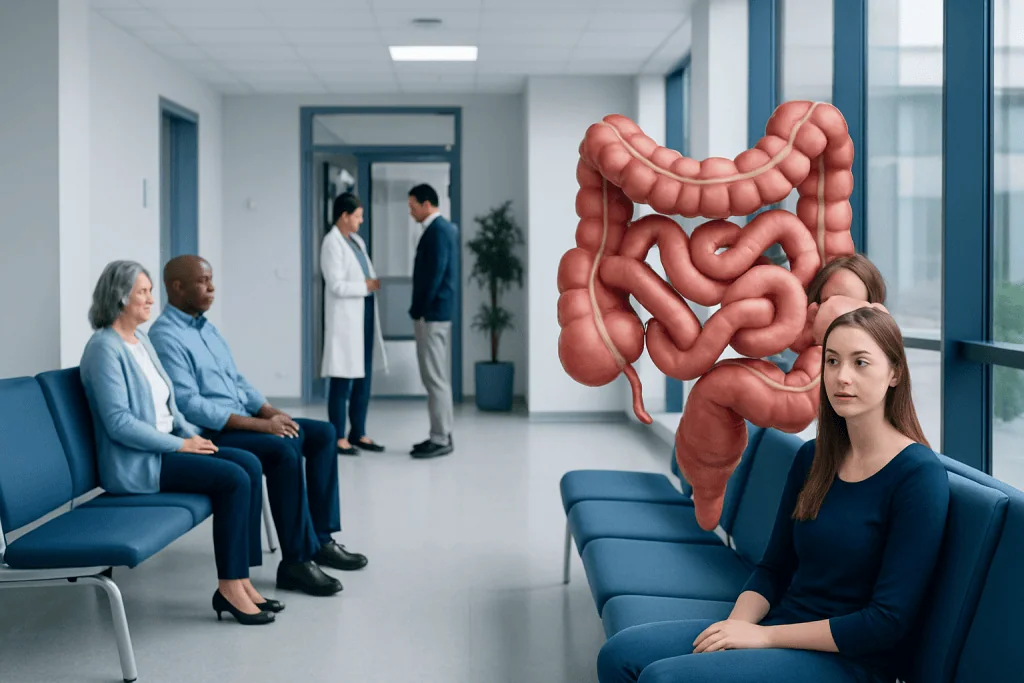
A redundant colon means the large intestine is longer than usual and may have extra loops. Some people have no symptoms, while others develop constipation, bloating, abdominal pain, or difficulty fully emptying the bowel.
Key Takeaways
- A redundant colon means the large intestine is longer than usual and may have extra loops.
- Some people have no symptoms, while others develop constipation, bloating, abdominal pain, or difficulty fully emptying the bowel.
- Diagnosis often involves imaging or colon evaluation to rule out other causes of symptoms.
- Treatment usually focuses on bowel habits, diet, hydration, and management of constipation.
- Urgent medical care is needed for severe pain, vomiting, a swollen abdomen, or inability to pass stool or gas.
A redundant colon is a colon that is longer than usual, often with extra loops or bends. It may cause constipation, bloating, or abdominal discomfort in some people, while others have no symptoms and only learn about it during testing.
What Is a Redundant Colon?
A redundant colon is a colon that is longer than average. Because it has extra length, it may form additional loops, twists, or sharp bends as it fits inside the abdomen. This is sometimes also described as an elongated colon or a tortuous colon.
For many people, a redundant colon is simply an anatomical variation rather than a disease by itself. It may never cause problems and may only be noticed during imaging, colonoscopy, or surgery done for another reason. In others, the extra length can slow the movement of stool through the bowel and contribute to digestive symptoms.
The colon is part of the large intestine and helps absorb water, store stool, and move waste toward the rectum. When the pathway is longer and more winding, stool may take more time to travel through it. This can make bowel movements less regular and, in some cases, more difficult.
Symptoms and How It May Feel
Symptoms of a redundant colon vary widely. Some people feel completely well, while others notice long-term bowel changes. The most common complaint is constipation, especially when bowel movements are infrequent, hard, or difficult to pass.
Other symptoms may include bloating, abdominal fullness, cramping, gas, or a sense of incomplete emptying after using the bathroom. These symptoms can overlap with other digestive conditions, including irritable bowel syndrome. Because of this, a medical evaluation is often needed before symptoms are attributed to a redundant colon alone.
Symptoms that may occur include:
- Constipation
- Bloating or visible abdominal distension
- Abdominal discomfort or cramping
- Excess gas
- Difficulty passing stool
- A feeling that the bowel does not empty completely
Symptoms may be more noticeable when fluid intake is low, fiber intake changes suddenly, physical activity is limited, or medications slow bowel movement. If symptoms become severe or new, another cause should be considered rather than assuming the redundant colon is responsible.
Causes, Risk Factors, and Related Conditions

The exact reason one person has a redundant colon and another does not is not always clear. In many cases, it appears to reflect natural variation in anatomy. Some people may be born with a longer colon, while others may develop worsening symptoms over time due to bowel motility problems, chronic constipation, or pelvic floor dysfunction.
A redundant colon itself is not always harmful, but it can be associated with slow transit constipation. Stool that remains in the colon longer becomes drier and harder, which can make passing it more difficult. Over time, repeated straining may add to discomfort and bowel habit problems.
Doctors may also consider conditions that can mimic or worsen symptoms, such as Crohn's disease, obstruction, thyroid disorders, side effects of medications, or structural issues in the rectum and pelvic floor. It is important not to assume constipation is due to anatomy alone without proper assessment.
In uncommon situations, a very mobile or elongated section of colon can increase the risk of twisting on itself, called volvulus. This is a medical emergency because it can block the bowel and reduce blood flow. Although this is not common, it is one reason severe abdominal symptoms should be taken seriously.
How Doctors Diagnose a Redundant Colon
Diagnosis starts with a medical history and physical examination. A doctor will usually ask about bowel habits, abdominal pain, diet, fluid intake, medications, and any alarm symptoms such as bleeding, weight loss, vomiting, or a sudden change in bowel function.
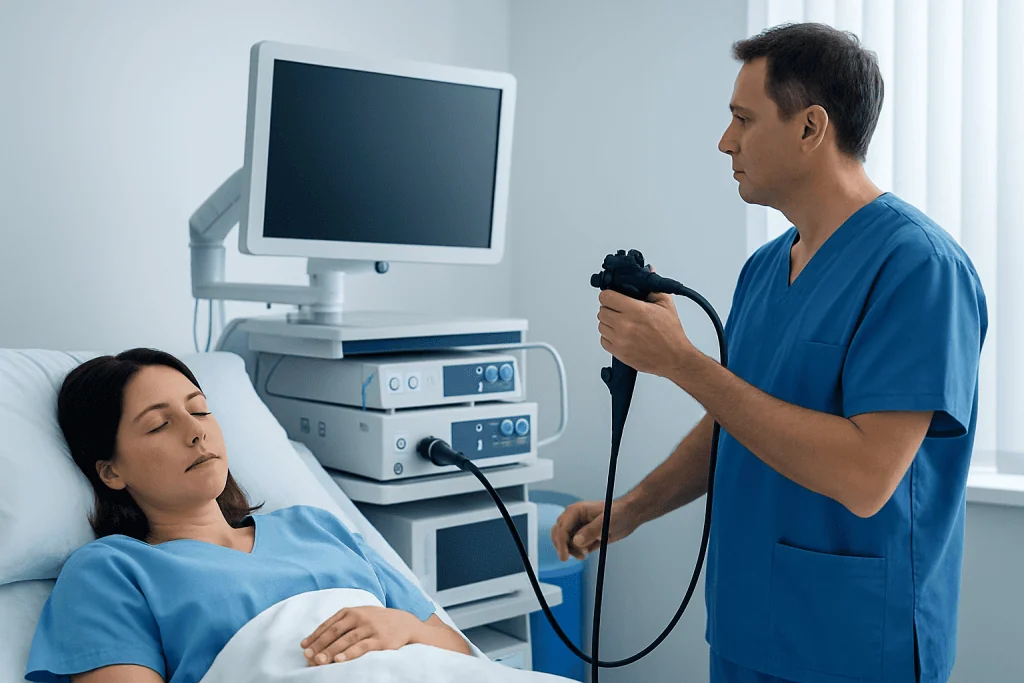
A redundant colon may be identified during tests performed for constipation or abdominal symptoms. These may include abdominal X-rays, CT scans, contrast studies of the colon, or endoscopic evaluation such as colonoscopy. Colonoscopy can help assess the inside of the colon and rule out other causes of symptoms, although a very long or looped colon can sometimes make the procedure technically more challenging.
Depending on the person’s symptoms, doctors may also evaluate how well the bowel and pelvic floor are working. In selected cases, transit studies, anorectal testing, or additional imaging may be recommended. The goal is not only to identify a long colon but also to understand whether it is actually causing the symptoms.
Because constipation has many causes, the diagnosis often focuses on excluding serious disease and identifying contributing factors. This helps guide treatment and prevents unnecessary interventions.
Treatment Options and Daily Management
Treatment for a redundant colon depends on symptoms rather than anatomy alone. If a person has no symptoms, treatment may not be needed. When constipation or discomfort is present, the first step is usually conservative management aimed at making bowel movements easier and more regular.
Doctors often recommend adequate hydration, gradual increases in dietary fiber when appropriate, regular physical activity, and a consistent toilet routine. Some people benefit from stool-softening or laxative strategies under medical guidance. If symptoms are linked to a functional bowel disorder or severe constipation, a gastroenterologist may tailor treatment to bowel transit and pelvic floor function.
Tests such as endoscopic evaluation or follow-up imaging may be used when symptoms change or when another digestive disorder needs to be excluded. In rare cases, surgery may be considered if there is recurrent volvulus, repeated obstruction, or severe symptoms that do not respond to carefully supervised medical treatment. Surgical decisions are individualized and made after thorough evaluation.
At centers such as Acibadem International, multidisciplinary specialists in gastroenterology, radiology, surgery, and digestive care evaluate patients with complex bowel symptoms in JCI-accredited hospitals and help determine whether a redundant colon is an incidental finding or a meaningful cause of symptoms.
Prevention and Self-Care
A redundant colon itself usually cannot be prevented because it is often related to a person’s natural anatomy. However, many people can reduce constipation and improve comfort through daily habits that support healthy bowel function.
Helpful self-care steps include drinking enough fluids, staying physically active, responding to the urge to have a bowel movement, and avoiding frequent straining. Fiber can help some people, but it should be increased gradually because too much too quickly may worsen bloating. A doctor or dietitian can help decide whether more fiber is likely to help in a specific case.
People with recurring constipation may benefit from keeping a symptom diary. Recording bowel frequency, stool consistency, pain, bloating, and foods can help identify triggers and guide treatment discussions. If symptoms continue despite lifestyle measures, professional evaluation is important rather than repeatedly self-treating.
It is also wise to review medications with a doctor, since some pain medicines, iron supplements, anticholinergic drugs, and other treatments can worsen constipation. Addressing these factors may improve symptoms even when a redundant colon is present.
When to Seek Medical Care
Medical care is important when bowel symptoms are persistent, worsening, or interfering with daily life. A doctor should assess ongoing constipation, repeated abdominal pain, major bloating, or a new change in bowel habits, especially in older adults or in anyone with a personal or family history of colon disease.
Prompt medical attention is needed for severe abdominal pain, repeated vomiting, a markedly swollen abdomen, fever, rectal bleeding, inability to pass stool or gas, or signs of dehydration. These symptoms can suggest bowel obstruction, volvulus, or another urgent digestive problem.
Patients may also need evaluation if constipation does not improve with basic lifestyle changes or if symptoms are accompanied by weight loss, anemia, or fatigue. In some situations, doctors may recommend tests such as CT scan or other imaging to look for blockage or complications.
Early assessment can help distinguish a manageable bowel pattern problem from a condition that needs more specific treatment. When symptoms are unexplained or persistent, consulting a qualified doctor is the safest next step.
Frequently asked questions
Is a redundant colon dangerous?
Usually, no. A redundant colon is often just a normal anatomical variation and many people never have symptoms. It becomes medically important when it contributes to constipation, significant discomfort, or, rarely, bowel twisting or blockage.
Can a redundant colon cause constipation?
Yes, it can. Because the colon is longer and may have extra loops, stool may move more slowly through it, which can lead to constipation, bloating, and difficult bowel movements. However, constipation often has several causes, so a doctor may look for other contributing factors too.
How is a redundant colon found?
It is often found during testing for digestive symptoms or during routine bowel evaluation. Imaging studies, contrast studies, CT scans, or colonoscopy may show that the colon is longer or more looped than usual.
Does a redundant colon always need treatment?
No. If it does not cause symptoms, treatment may not be necessary. Care is usually focused on symptom relief, especially for constipation or abdominal discomfort.
Can diet help with redundant colon symptoms?
Yes, diet can help some people, especially when constipation is part of the problem. Adequate fluids and carefully adjusted fiber intake may improve bowel regularity, but fiber should be increased gradually because it can worsen bloating in some cases.
When is surgery considered for a redundant colon?
Surgery is uncommon and is generally reserved for serious or persistent problems. It may be considered in cases of recurrent volvulus, repeated bowel obstruction, or severe symptoms that have not improved with thorough medical treatment.
References
- National Institute of Diabetes and Digestive and Kidney Diseases
- American College of Gastroenterology
- National Health Service
- Mayo Clinic
- Cleveland Clinic
This article is for general information only and is not a substitute for professional medical advice. Please consult a qualified doctor about your individual situation.
Persistent digestive symptoms? Get evaluated in Turkey
JCI-accredited · board-certified surgeons · reply within 24h
Add us as a Preferred Source to see more of our trusted health content across Google Search, AI Overviews and Discover.