Reflux in Babies: What Patients Need to Know

Reflux in babies usually means milk flows back from the stomach into the esophagus, causing spit-up after feeds. Many infants outgrow uncomplicated reflux as they grow, sit upright more, and start solid foods.
Key Takeaways
- Reflux in babies usually means milk flows back from the stomach into the esophagus, causing spit-up after feeds.
- Many infants outgrow uncomplicated reflux as they grow, sit upright more, and start solid foods.
- Frequent vomiting with poor weight gain, feeding refusal, blood, or breathing problems should be assessed by a doctor.
- Management often starts with feeding adjustments, positioning advice, and monitoring growth and comfort.
- Tests and medicines are not needed for every baby; treatment depends on symptoms and overall health.
Reflux in babies is common, and in many infants it is a normal stage of development that improves as the digestive system matures. Most babies who spit up are otherwise healthy, but some have symptoms that need medical evaluation and treatment.
Overview: What reflux in babies means
Reflux in babies happens when stomach contents flow back up into the esophagus, the tube that carries food from the mouth to the stomach. This can lead to spitting up, wet burps, or milk coming back after feeds. In many infants, this is a common and temporary pattern rather than a disease.
Babies are especially prone to reflux because their lower esophageal sphincter, the muscle that helps keep stomach contents down, is still developing. They also spend much of the day lying flat and consume an all-liquid diet, which makes spit-up more likely. As a result, many otherwise healthy babies have episodes of reflux, especially in the first months of life.
It is helpful to distinguish simple infant reflux from gastroesophageal reflux disease, often called GERD. With simple reflux, the baby may spit up but still feed well, grow normally, and seem comfortable. GERD is more likely when reflux causes troublesome symptoms such as significant irritability during feeds, poor weight gain, feeding refusal, or complications affecting the lungs or esophagus.
For families, the most reassuring point is that reflux in babies often improves with time. Still, if symptoms seem severe or the baby is not thriving, a pediatrician can help decide whether this is normal infant reflux or a condition needing closer evaluation, including assessment for related digestive problems such as reflux.
Symptoms and signs parents may notice
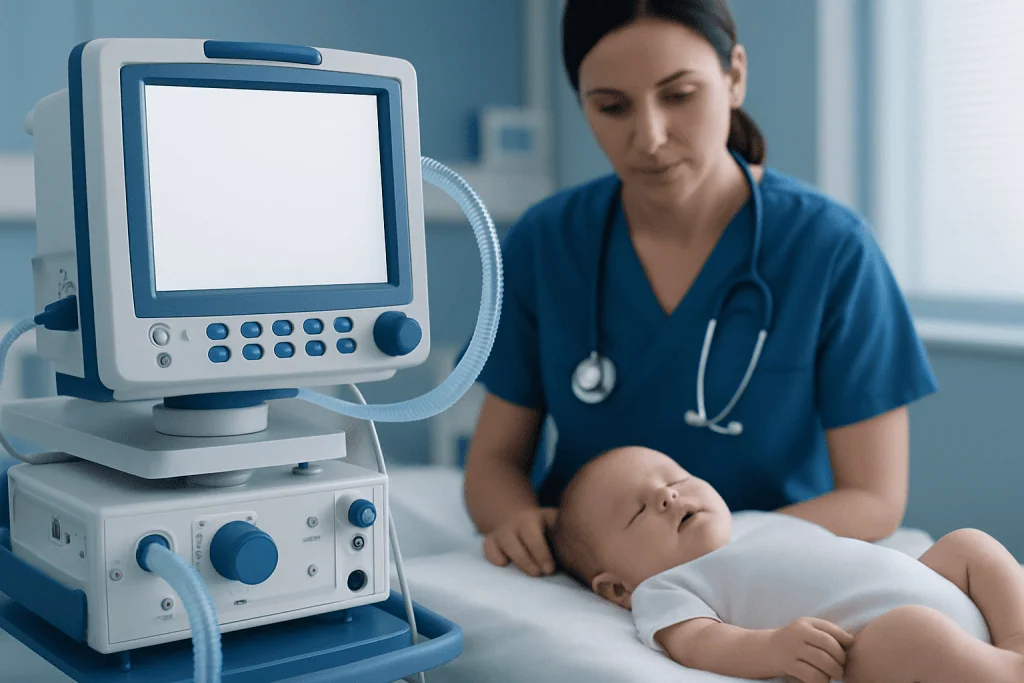
The most common sign of reflux in babies is spitting up after feeding. Some babies spit up only small amounts, while others bring up milk more often. They may also swallow repeatedly, arch their back, cough during or after feeds, or seem unsettled when lying flat soon after eating.
Not every fussy baby has reflux, and not every baby with reflux is distressed. Many infants with simple reflux remain cheerful, continue feeding well, and gain weight normally. In these babies, spit-up can look dramatic but may not signal a serious problem.
Symptoms that may suggest more than simple reflux include persistent crying associated with feeding, frequent choking or gagging, refusing feeds, poor sleep because of discomfort, or slow weight gain. Some infants may seem to have pain when swallowing if the esophagus becomes irritated.
- Frequent spit-up or vomiting after feeds
- Wet burps, hiccups, or coughing
- Back arching or irritability during feeding
- Feeding refusal or shorter feeds
- Poor weight gain or weight loss
- Wheezing, recurrent chest symptoms, or pauses in breathing
If symptoms are frequent and disruptive, the doctor will consider whether the baby may have infant GERD or another condition with similar features, such as allergy, infection, or a structural digestive problem. In some children, specialists may also assess for upper digestive irritation or inflammation similar to gastritis, depending on the pattern of symptoms and age.
Why reflux happens: causes and risk factors

The main reason reflux in babies occurs is immaturity of the digestive system. The valve between the esophagus and stomach relaxes more easily in infants, allowing milk to flow upward. A small stomach capacity and regular feeding schedule also mean the stomach fills quickly, which can increase the chance of spit-up.
Some factors make reflux more noticeable. Overfeeding, swallowing air during feeds, lying flat right after eating, or pressure on the stomach from tight diapers or car-seat positioning can contribute. Premature babies may be more affected because many body systems, including digestion, are still maturing.
In a smaller number of babies, reflux-like symptoms are linked to another condition. These can include cow’s milk protein allergy, anatomical narrowing in the digestive tract, infections, or disorders that affect swallowing and coordination. This is one reason doctors look at the whole clinical picture rather than spit-up alone.
Family history may also play a role, especially in babies who later develop more persistent reflux symptoms. However, in most infants, reflux is not caused by anything a parent did wrong. Understanding the contributing factors can help guide simple, practical steps to reduce symptoms at home while monitoring for signs that need medical care.
How doctors diagnose reflux in babies
Doctors usually diagnose reflux in babies by listening carefully to the parents’ description of symptoms, feeding patterns, growth, and behavior. A physical examination and weight check are often the most important parts of the assessment. In many cases, no tests are needed if the baby is otherwise healthy and growing well.
The clinician may ask how often the baby spits up, whether there is forceful vomiting, if feeds are refused, and whether any breathing or sleep problems occur. They may also ask about the type of milk, bottle flow, feeding volume, and whether there is blood in the spit-up or stool. These details help distinguish uncomplicated reflux from GERD or another illness.
Tests are considered when symptoms are severe, unusual, or do not improve as expected. Depending on the situation, a doctor may recommend imaging, pH or impedance monitoring, or an endoscopy to look at the esophagus and upper digestive tract. If swallowing difficulty, aspiration, or anatomical concerns are suspected, further evaluation can be useful. Some children may be referred for gastroenterology evaluation to guide diagnosis and treatment.
Because many conditions can mimic reflux, diagnosis is best made in context. Projectile vomiting, fever, persistent diarrhea, dehydration, or blood loss may point to problems other than simple reflux. The goal is to identify which babies need reassurance and routine follow-up and which need closer medical attention.
Treatment options and day-to-day management
Treatment for reflux in babies depends on how troublesome the symptoms are. If the baby is feeding well, gaining weight, and seems comfortable, treatment may involve reassurance and practical feeding changes rather than medicine. Parents are often advised to feed smaller amounts more frequently if appropriate, pause for burping, and keep the baby upright for a short period after feeds.
Feeding technique matters. Ensuring a proper latch during breastfeeding or checking bottle nipple flow can reduce swallowed air. If a milk protein allergy is suspected, the doctor may recommend a supervised trial of dietary changes. Thickened feeds may sometimes be suggested for selected babies, but this should be discussed with a healthcare professional because suitability varies by age and feeding method.
Medicines are reserved for babies with signs of GERD or complications, not simply for normal spit-up. Acid-reducing medicines may be considered when there is clear evidence of pain, feeding difficulty, esophagitis, or poor growth, but they are not routinely needed for every infant. If symptoms are persistent or complicated, the child may benefit from specialist care through pediatric gastroenterology.
Surgery is rarely needed and is usually considered only in severe, carefully selected cases when medical treatment fails or serious complications are present. When a baby has ongoing feeding or swallowing concerns, clinicians may also coordinate care with nutrition, pediatric, and digestive specialists. For international patients who need assessment, Acibadem International’s multidisciplinary specialists in JCI-accredited hospitals diagnose and treat reflux-related conditions in children and adults.
Prevention and self-care tips for families
Although reflux in babies cannot always be prevented, certain habits may reduce spit-up and improve comfort. Feeding the baby before they become very hungry can sometimes help because frantic feeding may lead to swallowed air. Burping during and after feeds may also reduce pressure in the stomach.
After feeds, parents can hold the baby upright on the shoulder or in their arms for a short time. It is important, however, to follow safe sleep guidance: babies should always be placed on their backs on a flat, firm sleep surface for sleep, even if they have reflux. Devices or sleep positioners designed to keep babies elevated are generally not recommended unless specifically advised by a doctor.
Families may find it useful to keep a simple record of feeding times, amounts, spit-up episodes, and symptoms. This can help identify patterns and support discussions with the pediatrician. Clothing and diapers should not be so tight that they put extra pressure on the abdomen.
Parents should also avoid changing formulas or starting treatments repeatedly without medical guidance. Many babies improve gradually as they mature, and too many changes can make it harder to understand what is helping. If symptoms continue, a pediatric review can clarify whether the baby needs further digestive assessment, and in selected cases this may include endoscopy or related testing.
When to seek medical care
Most cases of reflux in babies are not an emergency, but certain signs deserve prompt medical advice. Parents should contact a doctor if the baby is not gaining weight well, seems dehydrated, refuses feeds repeatedly, or cries in pain during or after most feeds. These symptoms may suggest GERD or another condition that needs evaluation.
Medical care is also important if vomiting is forceful or projectile, green or yellow, or contains blood. Babies who have breathing difficulty, persistent cough, wheezing, choking episodes, bluish color changes, or unusual sleepiness should be assessed without delay. Fever, a swollen belly, or fewer wet diapers are also concerning signs.
Parents should trust their judgment if something seems different from the baby’s usual pattern. Reflux can coexist with other childhood problems, and symptoms do not always have a single cause. Early review helps protect feeding, growth, and comfort while avoiding unnecessary treatment when reassurance is enough.
If symptoms are persistent, recurrent, or difficult to interpret, a pediatrician can decide whether simple reflux is the most likely explanation or whether referral is needed. A careful assessment can also help exclude digestive or feeding disorders that may need more specific treatment.
Frequently asked questions
Is reflux in babies normal?
Yes, reflux in babies is very common, especially in the first months of life. Many infants spit up because the muscle between the esophagus and stomach is still developing, and this often improves as the baby grows.
What is the difference between normal baby reflux and GERD?
Normal reflux usually causes spit-up without affecting feeding, comfort, or growth. GERD is more likely when reflux leads to troublesome symptoms such as poor weight gain, pain with feeds, persistent irritability, or breathing-related problems.
At what age does baby reflux usually get better?
Many babies improve gradually over the first year as they sit more upright, eat solid foods, and the digestive system matures. For many infants, symptoms are most noticeable in early infancy and lessen over time.
Should a baby with reflux sleep elevated?
No, babies should still be placed on their backs on a flat, firm surface for sleep. Even with reflux, safe sleep guidance remains important, and special sleep positioners or wedges are generally not recommended unless a doctor advises otherwise.
Can breastfeeding continue if a baby has reflux?
Yes, breastfeeding can usually continue and is often encouraged. A doctor or lactation professional may suggest small feeding adjustments, positioning tips, or further evaluation if allergy or feeding difficulty is suspected.
When should parents worry about vomiting instead of simple spit-up?
Parents should seek medical advice if vomiting is forceful, green, yellow, bloody, or associated with fever, dehydration, breathing issues, or poor weight gain. These signs can point to something more serious than routine reflux.
References
- American Academy of Pediatrics
- National Institute of Diabetes and Digestive and Kidney Diseases
- North American Society for Pediatric Gastroenterology, Hepatology and Nutrition
- National Health Service
- Merck Manual Consumer Version
This article is for general information only and is not a substitute for professional medical advice. Please consult a qualified doctor about your individual situation.
Persistent digestive symptoms? Get evaluated in Turkey
JCI-accredited · board-certified surgeons · reply within 24h
Add us as a Preferred Source to see more of our trusted health content across Google Search, AI Overviews and Discover.

More from the Health Library



Related Specialists

Dr. Ümit Ege Canyurt
Acibadem Life Clinical Service
Prof. Dr. Mehdi S.Öğüt
Ophthalmology
Dr. Ersen Hürmüzlü
Infectious Diseases & Clinical Microbiology
Dr. Nazrın Yusıflı
Pediatrics