Remedy Herpes: A Complete Medical Overview

There is no cure that eliminates herpes, but effective treatment can shorten outbreaks and ease symptoms. Herpes is caused by the herpes simplex virus and may affect the mouth, lips, genitals, or nearby skin.
Key Takeaways
- There is no cure that eliminates herpes, but effective treatment can shorten outbreaks and ease symptoms.
- Herpes is caused by the herpes simplex virus and may affect the mouth, lips, genitals, or nearby skin.
- Antiviral medicines work best when started early, especially at the first sign of tingling, burning, or sores.
- Avoiding sexual or skin-to-skin contact during outbreaks helps reduce transmission.
- A doctor should assess severe symptoms, frequent recurrences, pregnancy, or symptoms in a newborn.
A remedy for herpes usually means controlling the virus rather than permanently removing it from the body. Most people improve with antiviral medicines, practical self-care, and steps that reduce outbreaks and lower the chance of passing herpes to others.
Overview: what “remedy herpes” really means
When people search for a remedy for herpes, they are usually looking for the fastest and safest way to stop symptoms and prevent future outbreaks. In medical terms, herpes can be managed very effectively, but current treatments do not remove the herpes simplex virus from the body completely.
Herpes simplex virus has two common types: HSV-1 and HSV-2. Both can cause blisters or sores around the mouth or genital area. Some people have noticeable outbreaks, while others have very mild symptoms or none at all, yet they can still carry the virus.
The practical approach to remedy herpes includes three parts: confirming the diagnosis, treating active outbreaks, and reducing future flare-ups and transmission. This means combining antiviral medication with symptom relief, skin care, and healthy habits rather than relying on unproven “quick cures.”
Symptoms and how herpes may appear
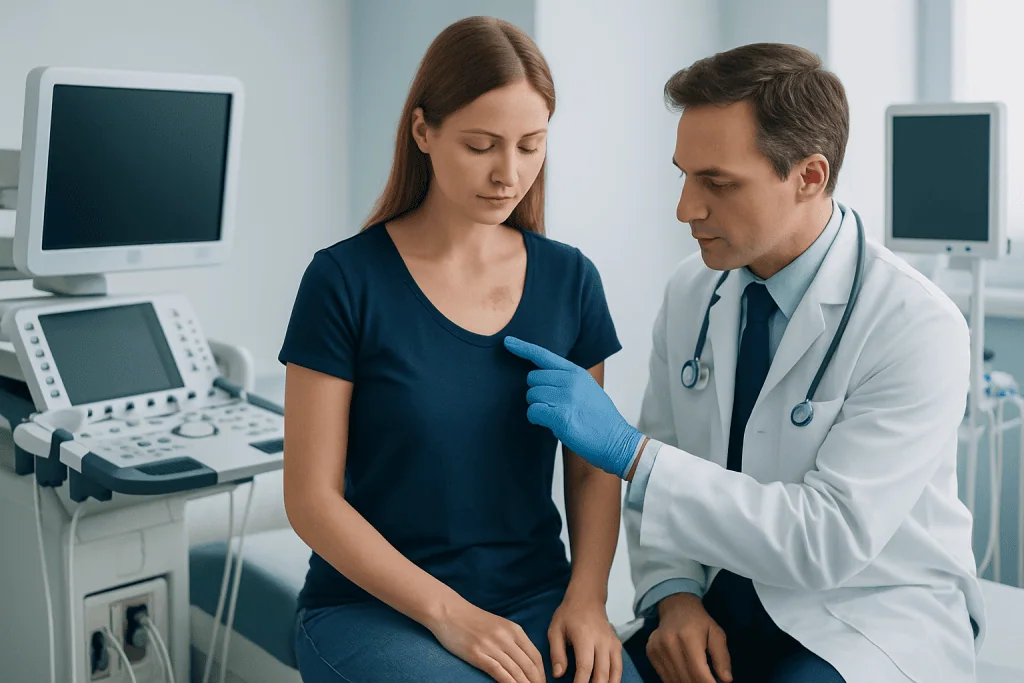
Herpes symptoms vary from person to person. A first outbreak is often more uncomfortable than later ones and may include tingling, burning, itching, small fluid-filled blisters, and painful open sores. Some people also develop swollen lymph nodes, fever, body aches, or pain when urinating.
Oral herpes often appears as cold sores on or around the lips, but it may also affect the gums, tongue, or inside of the mouth. Genital herpes may cause sores on the genitals, buttocks, upper thighs, or around the anus. In some cases, symptoms are so mild that they are mistaken for irritation, ingrown hairs, or another skin condition.
After the first episode, the virus stays in nearby nerve cells and can reactivate later. Recurrences may begin with warning signs such as tingling, sensitivity, or itching in the same area before sores appear. Anyone with recurring unexplained sores should seek a medical assessment, as other infections and skin disorders can look similar.
Some related skin and mucosal conditions may need to be considered during diagnosis, especially if sores do not behave in a typical way. In selected cases, clinicians may also look at broader skin diseases that can mimic herpes.
Causes, spread, and risk factors
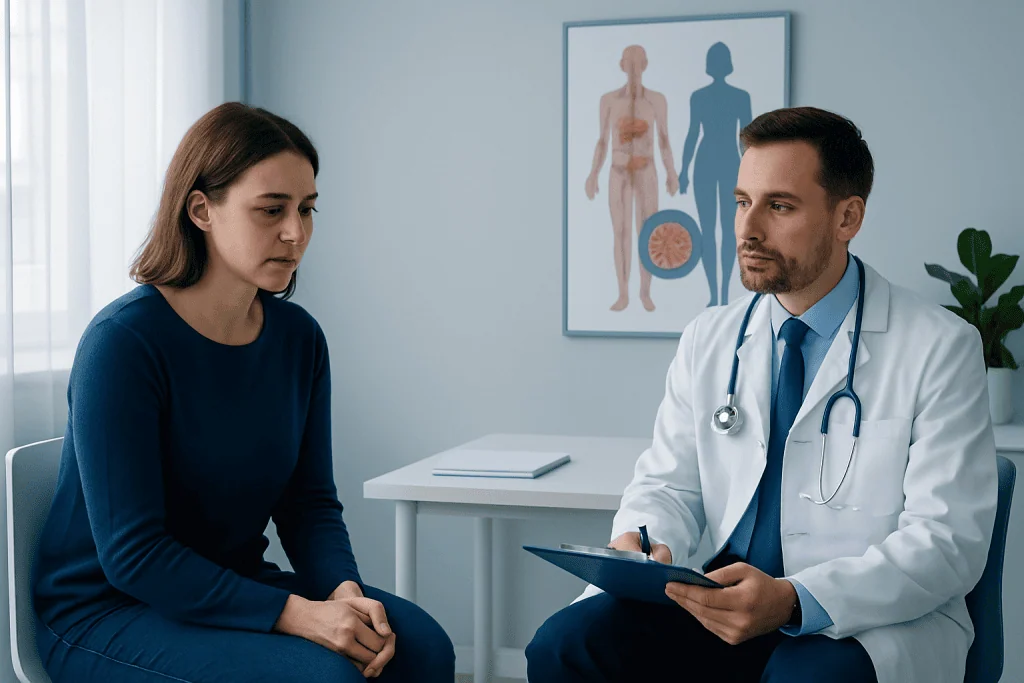
Herpes is caused by herpes simplex virus and spreads through direct contact with infected skin, saliva, or genital secretions. It can be transmitted during kissing, oral sex, vaginal sex, anal sex, or close skin-to-skin contact. Transmission is most likely when sores are present, but it can also happen when the skin looks normal because of viral shedding.
HSV-1 is commonly linked with oral herpes, and HSV-2 is more often associated with genital herpes, but either type can affect either area. This is why testing can be helpful, especially when symptoms are new or the location is unusual.
Factors that may trigger an outbreak include illness, stress, fever, skin friction, sun exposure, fatigue, and hormonal changes. People with weakened immune systems may have more severe or prolonged episodes. The risk of passing the virus to a partner is higher during active outbreaks and lower, though not zero, with condom or barrier use and suppressive antiviral therapy.
- Direct contact with sores or affected skin
- Contact during oral, vaginal, or anal sex
- Kissing when oral sores are present
- Asymptomatic viral shedding
- Triggers such as stress, illness, or sun exposure
How herpes is diagnosed
Doctors often diagnose herpes by reviewing symptoms, examining the sores, and asking about recent exposures. If fresh blisters or ulcers are present, a sample from the lesion may be tested to confirm herpes simplex virus. This is especially useful when symptoms are new or severe.
Blood tests can help identify past exposure to HSV-1 or HSV-2, but they are not always the best test for a current outbreak. The most suitable test depends on whether sores are present, how long symptoms have been there, and whether the goal is to confirm a first infection or evaluate past exposure.
A clear diagnosis matters because herpes can resemble other conditions, including friction injuries, fungal infections, aphthous ulcers, syphilis, or inflammatory skin disorders. In some situations, clinicians may evaluate the area with a broader dermatologic perspective, and a dermatology evaluation may help if the diagnosis is uncertain or symptoms are atypical.
People should avoid self-diagnosing based only on online photos. Early medical review can make testing more accurate and treatment more effective, especially when lesions are newly formed.
Treatment options: what helps during an outbreak
The main medical remedy herpes care relies on is antiviral medicine. These treatments can shorten the duration of an outbreak, reduce pain, help sores heal faster, and lower the frequency of recurrences in some people. They work best when started as early as possible, ideally when tingling or burning begins.
Doctors may prescribe episodic treatment for occasional outbreaks or suppressive treatment for frequent recurrences or for people who want to reduce the risk of transmitting herpes to a partner. The choice depends on symptom pattern, overall health, pregnancy status, and personal preferences.
Supportive care also matters. Keeping the area clean and dry, wearing loose clothing, avoiding picking at sores, and using simple pain-relief measures can improve comfort. People with oral symptoms may find cool fluids or soft foods easier while sores are healing. A clinician may also coordinate care through infectious diseases care when outbreaks are severe, recurrent, or complicated by immune problems.
Home remedies should be approached carefully. Measures such as rest, hydration, and gentle skin care are reasonable, but products that promise to “kill the virus forever” are not evidence-based. If herpes affects the genital or urinary tract severely, or if diagnosis is uncertain, further review by urology specialists may be appropriate in selected cases.
Prevention, recurrence control, and self-care
Preventing herpes transmission and reducing outbreaks is an important part of long-term management. Avoiding intimate contact during active symptoms is one of the most effective steps. Condoms and dental dams can lower risk, though they do not cover all potentially infectious skin.
For people with frequent outbreaks, a doctor may recommend daily suppressive antiviral therapy. This can reduce recurrences and lower transmission risk. Learning personal triggers may also help. Common triggers include stress, fatigue, illness, friction, and, for oral herpes, prolonged sun exposure.
General self-care can support skin healing and overall well-being:
- Wash hands after touching the affected area
- Avoid sharing lip balm, razors, towels, or sex toys during outbreaks
- Use barrier protection during sexual activity
- Get adequate sleep and manage stress
- Protect lips and facial skin from intense sun exposure
People should also be careful around newborns and anyone with a weakened immune system, because herpes can be more serious in these groups. Honest communication with partners and regular medical follow-up can make herpes easier to manage over time.
When to seek medical care
Medical advice should be sought if this is a first outbreak, if sores are very painful, if symptoms keep returning, or if they do not seem to heal as expected. Prompt evaluation is also important for eye symptoms, severe pain with urination, widespread rash, high fever, or signs of dehydration.
Pregnant people should contact a doctor if they have herpes symptoms or a known history of genital herpes, because planning around delivery may be needed. Newborns with poor feeding, fever, sleepiness, rash, or blisters need urgent medical assessment, as herpes in infants can be serious.
People with cancer treatment, transplant medicines, HIV, or other causes of reduced immunity should not delay care if they think they have herpes. In these situations, outbreaks may be more severe or last longer. If symptoms involve the mouth, skin, eyes, or genitals in a complex way, doctors may involve multiple specialists. Acibadem International’s multidisciplinary specialists at JCI-accredited hospitals diagnose and treat herpes-related conditions for international patients when specialist assessment is needed.
Frequently asked questions
Can herpes be cured permanently?
There is currently no treatment that removes herpes simplex virus from the body permanently. However, antiviral medicines can control symptoms, shorten outbreaks, and reduce the chance of passing the virus to others.
What is the best remedy herpes treatment during a flare-up?
The most effective evidence-based treatment is an antiviral medicine prescribed by a doctor. It works best when started early, often at the first sign of tingling, burning, or itching before sores fully appear.
Can herpes spread even when there are no sores?
Yes. Herpes can spread through asymptomatic viral shedding, which means the virus may be present on the skin even when there are no visible blisters or ulcers. This is why barrier protection and, in some cases, suppressive therapy are important.
Are oral herpes and genital herpes different diseases?
They are caused by the same family of viruses, HSV-1 and HSV-2, but they affect different body areas. Either type can infect the mouth or the genital area, so testing may be useful when the diagnosis is not clear.
Do home remedies work for herpes?
Simple self-care measures such as rest, hydration, gentle skin care, and keeping the area clean and dry can help with comfort. Home remedies do not cure herpes, and products advertised as permanent cures should be viewed with caution.
When should someone see a doctor for herpes?
A doctor should be seen for a first outbreak, severe pain, frequent recurrences, eye symptoms, or sores that are not healing. Pregnant people, newborns, and people with weakened immune systems should seek medical advice promptly.
This article is for general information only and is not a substitute for professional medical advice. Please consult a qualified doctor about your individual situation.
Explore treatments in Turkey — costs, top hospitals & a free quote
JCI-accredited · board-certified surgeons · reply within 24h
Add us as a Preferred Source to see more of our trusted health content across Google Search, AI Overviews and Discover.

More from the Health Library

Transvaginal Ultrasound: A Complete Medical Overview

Miracle Poison Ivy Cure: A Complete Medical Overview

BMI Chart: An Evidence-Based Guide for Patients

Yellow Eyes: An Evidence-Based Guide for Patients

Shift Work Sleep Problems: What Patients Need to Know