Remineralize Teeth: An Evidence-Based Guide for Patients
Early enamel mineral loss may be reversible, but a cavity that has formed cannot grow back on its own. Fluoride toothpaste is a well-supported way to help teeth regain minerals and resist acid attacks.
Key Takeaways
- Early enamel mineral loss may be reversible, but a cavity that has formed cannot grow back on its own.
- Fluoride toothpaste is a well-supported way to help teeth regain minerals and resist acid attacks.
- How often a person eats or drinks sugary or acidic items can matter as much as the total amount.
- Saliva naturally protects teeth, so persistent dry mouth should be assessed by a dental or medical professional.
- Regular dental examinations can identify early decay before it progresses into a cavity.
Teeth can remineralize at their earliest stage of decay, when minerals are lost from enamel but no cavity has formed. Fluoride, saliva, regular oral hygiene, and reducing frequent exposure to sugars and acids can help strengthen enamel; established holes or damaged teeth require professional dental treatment.
Can Teeth Really Remineralize?
It is possible to remineralize teeth when enamel has started to lose minerals but remains intact. This early stage is sometimes seen as a dull, chalky white area on a tooth, especially near the gumline or around orthodontic brackets. Minerals such as calcium and phosphate can return to the enamel surface through saliva and fluoride exposure, making it more resistant to future acid damage.
Remineralization is not the same as regrowing a tooth or repairing a cavity with a visible hole. Once decay has progressed through enamel and created a structural defect, the tooth usually needs dental treatment, such as a filling or another restoration. The practical goal is to recognize early changes, reduce the causes of mineral loss, and create conditions that allow enamel to recover where possible.
Enamel is the hard outer layer of a tooth. It does not contain living cells, so it cannot heal in the same way as skin or bone. However, its mineral crystals can dissolve and be redeposited repeatedly. Daily care therefore helps shift this balance toward protection and repair.
The Daily Balance Between Demineralization and Repair
Every time a person consumes foods or drinks containing fermentable carbohydrates, particularly sugars, bacteria in dental plaque produce acids. Acidic beverages and foods can also lower the pH in the mouth directly. When the pH falls, minerals can leave enamel; this process is called demineralization.
After the acid exposure ends, saliva begins to neutralize acids and supplies minerals that can be redeposited on the enamel. Fluoride strengthens this process by helping form enamel that is less soluble in acid. Teeth are therefore not constantly getting weaker or stronger: they are exposed to repeated cycles of mineral loss and repair throughout the day.
Frequency is particularly important. Sipping sweetened coffee, juice, soda, sports drinks, or flavored water over many hours creates repeated acid challenges and gives saliva less time to restore a healthy oral environment. Limiting these exposures to mealtimes, when practical, may be more protective than focusing only on the total amount consumed.
- Demineralization occurs when plaque acids or dietary acids draw minerals out of enamel.
- Remineralization occurs when saliva, fluoride, calcium, and phosphate support mineral replacement.
- Early decay develops when mineral loss happens more often or more intensely than repair.
Signs That May Suggest Early Enamel Mineral Loss
Early enamel changes do not always cause pain. A dentist may notice them during a routine examination, sometimes with X-rays or other assessment tools. A white, matte, chalky patch can be an early sign, although white spots may also have other causes, including natural enamel variation or previous developmental changes.
Some people notice tooth sensitivity to cold, sweets, or acidic foods. Sensitivity does not prove that a tooth is demineralizing, because it can also be related to gum recession, exposed dentin, tooth wear, cracks, or recent dental procedures. New or persistent sensitivity is worth discussing with a dentist rather than treating as a diagnosis at home.
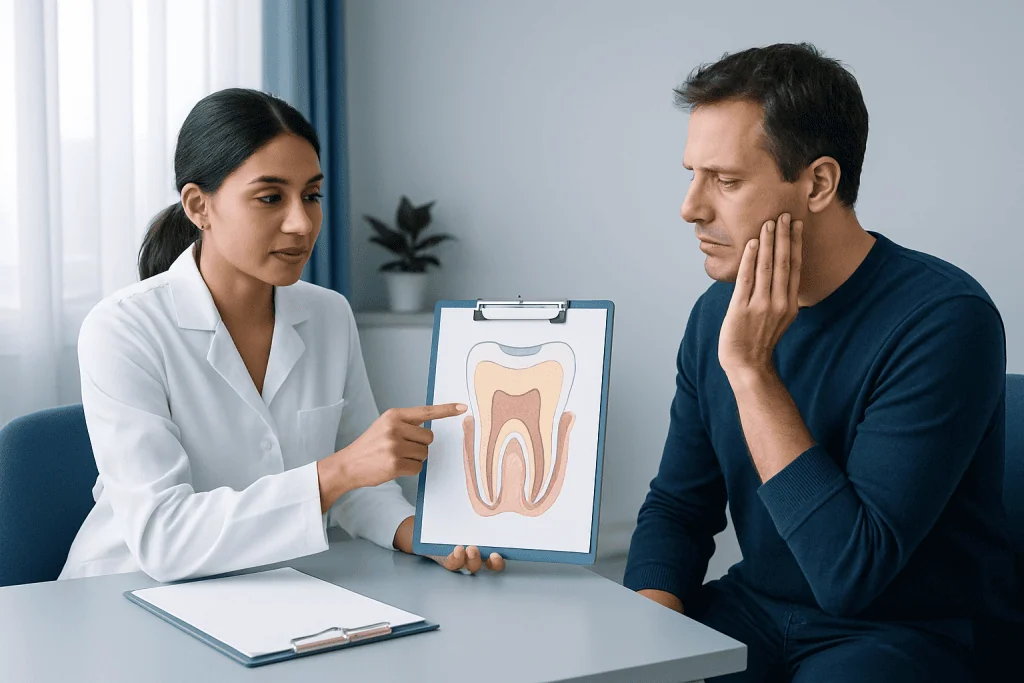
Brown or black discoloration, a rough area that catches floss, a visible pit, pain when biting, or food repeatedly trapping in one location can suggest more advanced decay or another dental problem. These signs should not be managed by relying on remineralizing products alone. A dental examination can determine whether the enamel is intact and whether treatment is needed.
Evidence-Based Ways to Support Tooth Remineralization
Brushing twice daily with fluoride toothpaste is one of the most effective and accessible measures for reducing tooth decay and supporting remineralization. After brushing, it is generally helpful to spit out excess toothpaste rather than rinsing thoroughly with water, because this leaves a small amount of fluoride on the teeth. Children should use an age-appropriate amount of fluoride toothpaste with adult supervision to reduce swallowing.
Cleaning between teeth once daily with floss or an interdental cleaner helps remove plaque from surfaces a toothbrush may not reach. This matters because decay often begins between teeth, where food and plaque can remain undisturbed. A dentist or dental hygienist can recommend the most suitable interdental method based on spacing, gum health, and dental work.
Fluoride varnish, gels, rinses, or prescription-strength toothpaste may be appropriate for people at higher risk of tooth decay. These options should be selected with a dental professional, particularly for children, people with dry mouth, those who have frequent cavities, or people undergoing treatments that affect oral health. Products marketed as remineralizing may contain calcium-phosphate compounds, but fluoride remains a central evidence-based prevention tool.
Chewing sugar-free gum after meals can stimulate saliva for some people, provided it is safe for their jaw and dental situation. Water is usually the best routine drink. If acidic foods or drinks are consumed, avoiding immediate brushing may be sensible because enamel can be temporarily softened; rinsing with water and waiting before brushing can be gentler on the tooth surface.
Diet, Saliva, and Risk Factors That Affect Enamel
Dental health is influenced by dietary pattern rather than one single food. Frequent sweets, sweetened drinks, refined starches that stick to teeth, and repeated snacking can increase the time teeth spend in an acidic environment. Choosing water between meals, keeping sugary foods and drinks less frequent, and including them with meals when possible can reduce this repeated exposure.
Acid erosion is different from bacterial tooth decay, although both can weaken enamel. Citrus drinks, carbonated beverages, vinegar-containing drinks, and recurrent vomiting or reflux may expose teeth to acid. A dentist can help distinguish erosion from decay and advise on protective measures. People with frequent heartburn, regurgitation, or vomiting should also speak with a qualified medical professional about the underlying cause.
Saliva is a major natural defense because it washes away food particles, buffers acids, and carries minerals. Dry mouth can raise cavity risk and may be associated with medicines, dehydration, mouth breathing, smoking, certain medical conditions, or treatments such as radiation therapy to the head and neck. Regular water intake, avoiding tobacco, and seeking advice for ongoing dry mouth can help protect teeth.
A balanced diet that provides adequate calcium, phosphate, protein, and vitamin D supports overall oral and bone health. However, taking supplements solely to remineralize teeth is not a substitute for fluoride exposure, plaque control, and dental assessment. Supplements should be discussed with a clinician when there is concern about nutritional deficiency.
What a Dentist Can Do for Early Decay
Dentists assess cavity risk by considering the appearance of teeth, plaque levels, diet, fluoride exposure, saliva flow, past cavities, medications, and sometimes dental X-rays. Early non-cavitated lesions may be managed with a tailored prevention plan, monitoring, fluoride treatment, and practical guidance on brushing and diet. This approach aims to stop or slow the lesion before a filling becomes necessary.
If a cavity has formed, professional treatment is usually needed to remove decayed tooth material where appropriate and restore the tooth. The type of treatment depends on the size and location of the defect and the health of the tooth pulp. Delaying care can allow decay to progress, potentially leading to pain, infection, or the need for more extensive treatment.
Regular checkups are useful because early decay can be difficult to see or feel without an examination. The appropriate recall interval differs between individuals: someone with dry mouth, orthodontic appliances, previous cavities, or other risk factors may need closer monitoring than someone at low risk. Acibadem International’s multidisciplinary specialists and JCI-accredited hospitals diagnose and treat dental concerns for international patients.
When to Seek Medical Care
A dentist should be contacted promptly for toothache, swelling of the gums or face, fever with dental symptoms, a visible hole in a tooth, a broken tooth, pus or a bad taste near a tooth, or pain that disrupts sleep, eating, or daily activities. Facial swelling, trouble swallowing, trouble breathing, or rapidly worsening swelling requires urgent medical assessment, as these symptoms can indicate a potentially serious infection.
A routine dental appointment is appropriate for new sensitivity, white or dark spots on teeth, persistent dry mouth, bleeding gums, frequent cavities, or concerns about enamel erosion. Early assessment is usually simpler and more comfortable than waiting until a tooth becomes painful.
People who are pregnant, have diabetes, take medicines that cause dry mouth, have undergone head and neck radiation, or have conditions affecting saliva or immunity may benefit from individualized preventive dental advice. A qualified dentist can recommend care that fits the person’s health history and level of cavity risk.
Frequently asked questions
How long does it take to remineralize teeth?
Early enamel mineral changes may improve over weeks to months when the causes of acid exposure are reduced and fluoride-based care is used consistently. The timing varies with the location and severity of the lesion, saliva flow, diet, and oral hygiene. A dentist can monitor whether a specific area is stabilizing or progressing.
Can a cavity be reversed naturally?
A very early area of mineral loss may be arrested or remineralized if the enamel surface is still intact. A cavity with a hole, soft area, or structural loss cannot be rebuilt naturally and generally needs dental treatment. Delaying assessment may allow the decay to become deeper.
Does fluoride toothpaste help remineralize teeth?
Yes. Fluoride toothpaste helps enamel resist acid and supports remineralization after early mineral loss. Brushing twice daily with an appropriate fluoride toothpaste is widely recommended for cavity prevention.
Can adults remineralize their teeth?
Yes. The mineral exchange process occurs throughout life, so adults can benefit from fluoride, saliva, plaque control, and dietary changes. Adults may have additional risks, such as dry mouth, gum recession, medications, or exposed root surfaces, making regular dental care especially important.
Are calcium supplements enough to repair enamel?
No. Calcium is important for overall health, but supplements alone do not reliably repair enamel or prevent cavities. Oral hygiene with fluoride, reduced frequent sugar and acid exposure, healthy saliva flow, and dental checkups remain more directly important for preventing tooth decay.
Should a person brush immediately after drinking soda or eating citrus fruit?
It may be better to rinse with water first and wait before brushing, because acids can temporarily soften the enamel surface. Brushing gently after the mouth has had time to recover is less likely to add wear. A dentist can provide individualized advice for people with significant erosion or sensitivity.
References
- American Dental Association
- Centers for Disease Control and Prevention
- National Institute of Dental and Craniofacial Research
- World Health Organization
- FDI World Dental Federation
This article is for general information only and is not a substitute for professional medical advice. Please consult a qualified doctor about your individual situation.
Explore treatments in Turkey — costs, top hospitals & a free quote
JCI-accredited · board-certified surgeons · reply within 24h
Add us as a Preferred Source to see more of our trusted health content across Google Search, AI Overviews and Discover.