Resilience and Longevity: Can Recovery From Illness Affect Healthy Aging?

Recovery from illness may influence healthy aging by affecting physical function, mental well-being, and independence. Resilience is not only emotional; it also includes the body’s ability to heal, adapt, and regain function.
Key Takeaways
- Recovery from illness may influence healthy aging by affecting physical function, mental well-being, and independence.
- Resilience is not only emotional; it also includes the body’s ability to heal, adapt, and regain function.
- Good recovery often depends on timely treatment, rehabilitation, nutrition, sleep, movement, and social support.
- Chronic conditions, severe infections, surgery, and prolonged inactivity can slow recovery, especially in older adults.
- A personalized plan with medical follow-up can help reduce complications and support long-term healthy aging.
Recovery from illness can shape healthy aging by affecting strength, mobility, mood, sleep, and long-term resilience. With proper medical care, rehabilitation, and healthy habits, many people can recover well and continue to support longevity and quality of life.
Overview: How Recovery and Healthy Aging Are Connected
Healthy aging is not defined simply by the absence of disease. It also involves maintaining physical function, mental clarity, emotional balance, and the ability to stay engaged in daily life. Recovery from illness can play an important role in this process because an illness may temporarily or permanently affect the body’s systems, energy levels, and independence.
Whether a person is recovering from an infection, surgery, injury, or a chronic disease flare, the recovery period can influence later health. Some people return fully to their previous level of activity, while others may notice lingering fatigue, weakness, sleep changes, reduced stamina, or mood symptoms. These effects can shape how well the body adapts to aging over time.
Resilience is a useful concept in this context. In medicine, resilience refers to the ability to withstand stress, recover from setbacks, and regain balance. This includes both biological resilience, such as healing and restoring strength, and psychological resilience, such as coping with uncertainty and rebuilding confidence. Both types matter for longevity.
Importantly, recovery is not always passive. With appropriate treatment, rehabilitation, healthy daily routines, and regular follow-up, many people can improve function significantly after illness. A thoughtful recovery plan may help protect mobility, cognition, cardiovascular health, and overall quality of life as a person grows older.
What Illness Recovery Can Affect in the Aging Process
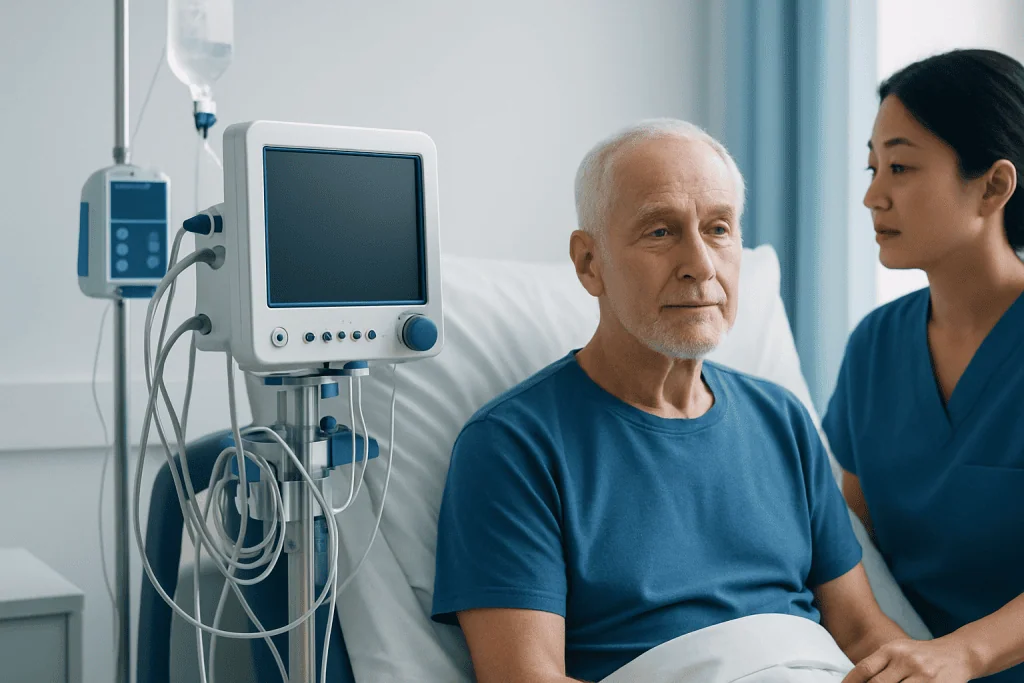
The recovery period after illness may affect several areas that are closely linked to long-term health. Muscle strength often declines during bed rest or reduced activity, and even a short period of inactivity can make balance, walking, and everyday tasks more difficult, particularly in older adults. Regaining mobility can therefore be a key part of protecting healthy aging.
Illness can also affect the brain and emotional well-being. Pain, inflammation, sleep disruption, stress, medications, and hospitalization may contribute to temporary confusion, low mood, anxiety, or reduced concentration. Although these symptoms often improve, they should not be ignored, especially if they interfere with normal routines or social interaction.
Energy balance is another important area. During illness, the body may need more calories and protein for healing, yet appetite is often reduced. If nutrition remains poor, recovery can be slower and frailty may worsen. In addition, chronic inflammation or poorly controlled medical conditions can place long-term strain on the heart, lungs, kidneys, and other organs.
The aspects of recovery that commonly influence aging include:
- Muscle strength and physical endurance
- Balance, coordination, and fall risk
- Memory, attention, and mental sharpness
- Sleep quality and daytime energy
- Appetite, weight stability, and nutritional status
- Mood, confidence, and social participation
Factors That Shape Resilience After Illness

Recovery is affected by more than the illness itself. Age, pre-existing health conditions, overall fitness, nutrition, and access to medical care all influence how quickly and fully the body heals. For example, a person with diabetes, heart disease, or lung disease may need a longer recovery period because these conditions can affect circulation, inflammation, or exercise tolerance.
The severity and duration of illness also matter. A short, mild illness may have little effect on long-term health, while a serious infection, major operation, stroke, or prolonged hospital stay can lead to deconditioning and loss of independence. In some cases, rehabilitation is needed to rebuild strength and function. After events that affect movement or neurological function, structured physical therapy and rehabilitation may be an important part of recovery.
Psychological and social factors are equally important. People who have strong family support, stable housing, access to healthy food, and a sense of purpose often recover more effectively. In contrast, loneliness, depression, chronic stress, and financial barriers can make it harder to follow treatment plans and maintain healthy habits.
Resilience can be strengthened over time. Vaccination, regular physical activity, balanced nutrition, adequate sleep, and chronic disease management help the body respond better to illness. Emotional resilience can also improve through counseling, mindfulness practices, social connection, and practical support during and after recovery.
How Doctors Evaluate Recovery and Long-Term Health
When recovery is slower than expected, doctors usually look beyond the original illness to understand what may be delaying improvement. The evaluation may include a review of symptoms, medications, sleep, appetite, mood, physical activity, and pre-existing medical conditions. Blood tests, imaging, or heart and lung assessments may be used when needed.
Functional assessment is especially important for healthy aging. A clinician may ask how easily a person can walk, climb stairs, bathe, dress, prepare meals, or return to work and social activities. Even when lab results look reassuring, reduced function can signal that additional support is needed. In older adults, this kind of assessment can help identify early frailty.
Some illnesses require targeted follow-up because they may have lingering effects on circulation, breathing, or organ function. For example, a doctor may review recovery after pneumonia, hospitalization, or surgery to make sure the patient is regaining strength safely. In people with multiple conditions, a coordinated care plan may be more effective than addressing each issue separately.
If recovery problems seem related to a specific disease, additional evaluation may be recommended. Depending on symptoms, doctors may also screen for conditions such as anemia or sleep apnea, both of which can contribute to fatigue, poor concentration, and lower exercise tolerance if left untreated.
Treatment and Support Options for Better Recovery
There is no single treatment that guarantees healthy aging after illness. Instead, care usually focuses on identifying the barriers to recovery and creating a tailored plan. This may involve treating the original condition, adjusting medications, improving nutrition, increasing safe physical activity, and addressing sleep or mood concerns.
Rehabilitation is often one of the most effective tools. Depending on the illness, patients may benefit from exercise therapy, balance training, breathing exercises, occupational therapy, or speech therapy. When surgery has been part of treatment, appropriate rehabilitation support or supervised recovery planning may help a person regain confidence and independence more steadily.
Medical treatment may also be needed for underlying conditions that interfere with resilience. For example, better control of blood sugar, blood pressure, or chronic lung disease can improve stamina and reduce setbacks. In selected cases, specialist evaluation may be useful if symptoms suggest heart rhythm changes, lung scarring, or persistent weakness. If the recovery pathway becomes complex, advanced preventive health check-up planning and follow-up can help organize ongoing care.
Near the later stages of recovery, the focus often shifts from healing to long-term maintenance. This includes preserving mobility, preventing falls, rebuilding social routines, and supporting emotional well-being. Acibadem International’s multidisciplinary specialists and JCI-accredited hospitals diagnose and treat conditions that affect recovery and healthy aging for international patients.
Prevention and Self-Care to Support Longevity
Many of the same habits that support longevity also support recovery. Regular movement helps rebuild muscle, improves circulation, supports bone strength, and benefits mood and sleep. The type and intensity of activity should match the person’s condition and medical advice, but consistency is often more important than intensity.
Nutrition matters throughout the recovery process. Meals that include adequate protein, fruits, vegetables, whole grains, and healthy fats can support tissue repair and energy. Hydration is also essential, especially in older adults who may not feel thirsty even when they need fluids. If appetite is poor, a doctor or dietitian may suggest practical ways to improve intake.
Sleep and stress management should not be overlooked. Good sleep helps immune function, tissue repair, and memory, while chronic stress can worsen inflammation and fatigue. Helpful strategies may include a regular sleep schedule, limiting late caffeine, gentle daytime activity, and seeking support for anxiety or low mood when needed.
Useful self-care steps after illness include:
- Following the prescribed treatment and follow-up plan
- Increasing activity gradually rather than returning too quickly
- Eating balanced meals with enough protein and fluids
- Monitoring for new or worsening symptoms
- Staying socially connected and asking for help when needed
- Keeping vaccinations and routine health screenings up to date
When to Seek Medical Advice During Recovery
It is sensible to seek medical advice if recovery seems to stall, symptoms return, or new problems appear. While tiredness can be expected after many illnesses, persistent exhaustion, worsening breathlessness, chest discomfort, frequent falls, confusion, or unexplained weight loss should be assessed. These symptoms may signal an unrecognized complication or an underlying health issue.
Changes in mood and thinking also deserve attention. Depression, anxiety, memory problems, and disturbed sleep can reduce quality of life and make physical recovery more difficult. Early support can help prevent these issues from becoming more disruptive over time.
Older adults, people with chronic diseases, and those recovering from severe illness may benefit from earlier follow-up, even if symptoms seem mild. A timely review can help identify nutritional deficits, medication side effects, balance problems, or reduced heart and lung function before they lead to greater loss of independence.
When in doubt, a qualified doctor can help determine whether recovery is progressing normally and what steps may improve it. Prompt care does not only address current symptoms; it may also help protect long-term function and support healthier aging in the years ahead.
Frequently asked questions
Can recovering from an illness affect long-term healthy aging?
Yes. Recovery from illness can influence muscle strength, mobility, energy, mood, sleep, and independence, all of which are important parts of healthy aging. Good recovery support may help reduce long-term decline and improve quality of life.
What does resilience mean in healthy aging?
Resilience refers to the ability to adapt to physical and emotional stress and recover from setbacks. In healthy aging, it includes healing after illness, maintaining function, and coping well with change. Resilience can be supported through medical care, exercise, nutrition, sleep, and social connection.
Why do some people recover faster than others?
Recovery speed can vary based on age, baseline fitness, nutrition, the severity of illness, and other medical conditions. Access to timely treatment, rehabilitation, and family or community support also makes a difference. A slower recovery does not always mean permanent decline, but it may need closer evaluation.
Can bed rest during illness affect aging?
Yes, prolonged bed rest can lead to muscle loss, lower endurance, balance problems, and greater fall risk, especially in older adults. Even short periods of inactivity may affect strength. Gradual, medically guided movement is often important during recovery.
How can someone support healthy aging after being sick?
Helpful steps include following medical advice, attending follow-up appointments, eating well, staying hydrated, and returning to activity gradually. Good sleep, stress management, and social support also matter. If symptoms persist, a doctor can assess whether further treatment or rehabilitation is needed.
When should persistent fatigue after illness be checked by a doctor?
A doctor should evaluate fatigue that is severe, lasts longer than expected, worsens over time, or comes with symptoms such as shortness of breath, chest pain, confusion, dizziness, or weight loss. Ongoing fatigue may reflect poor sleep, anemia, medication effects, mood changes, or another medical issue. Early assessment can help guide recovery.
References
- World Health Organization
- National Institute on Aging
- Centers for Disease Control and Prevention
- National Health Service
- American Geriatrics Society
This article is for general information only and is not a substitute for professional medical advice. Please consult a qualified doctor about your individual situation.
Longevity in Turkey — costs, top hospitals & a free quote
JCI-accredited · board-certified surgeons · reply within 24h
Add us as a Preferred Source to see more of our trusted health content across Google Search, AI Overviews and Discover.

Check-up & Preventive Medicine
Comprehensive health screenings designed for early detection and prevention.
3 specialists in this unit