Resorption: An Evidence-Based Guide for Patients

Resorption means the body is removing or dissolving tissue that would normally remain in place. It commonly affects teeth and bone, but the causes, symptoms, and treatment differ by location.
Key Takeaways
- Resorption means the body is removing or dissolving tissue that would normally remain in place.
- It commonly affects teeth and bone, but the causes, symptoms, and treatment differ by location.
- Early resorption may cause few symptoms, so imaging and dental or medical evaluation are often important.
- Treatment focuses on stopping further tissue loss, treating the cause, and preserving function whenever possible.
- Prompt evaluation is important for pain, swelling, loose teeth, fractures, or unexplained bone loss.
Resorption is a process in which the body breaks down and absorbs its own tissue. In everyday medical use, it most often refers to tooth or bone tissue loss, and treatment depends on where it occurs, why it started, and how advanced it is.
Overview: what resorption means
Resorption is the body’s natural process of breaking down and absorbing tissue. This can be normal in some situations, such as when baby tooth roots dissolve so primary teeth can fall out. In other situations, however, resorption affects tissue that should remain healthy, such as the root of an adult tooth or the structure of bone.
Because the word is broad, it helps to understand resorption by location. In dental care, resorption usually means loss of tooth structure from the inside or outside of the tooth. In general medicine, bone resorption refers to the breakdown of bone tissue by specialized cells as part of normal remodeling or as part of disease.
Resorption is not a diagnosis by itself. It is a process that can happen for different reasons, including inflammation, injury, pressure, infection, hormonal changes, or certain medical conditions. The right treatment depends on identifying the exact type, site, and cause.
Where resorption happens and the main types
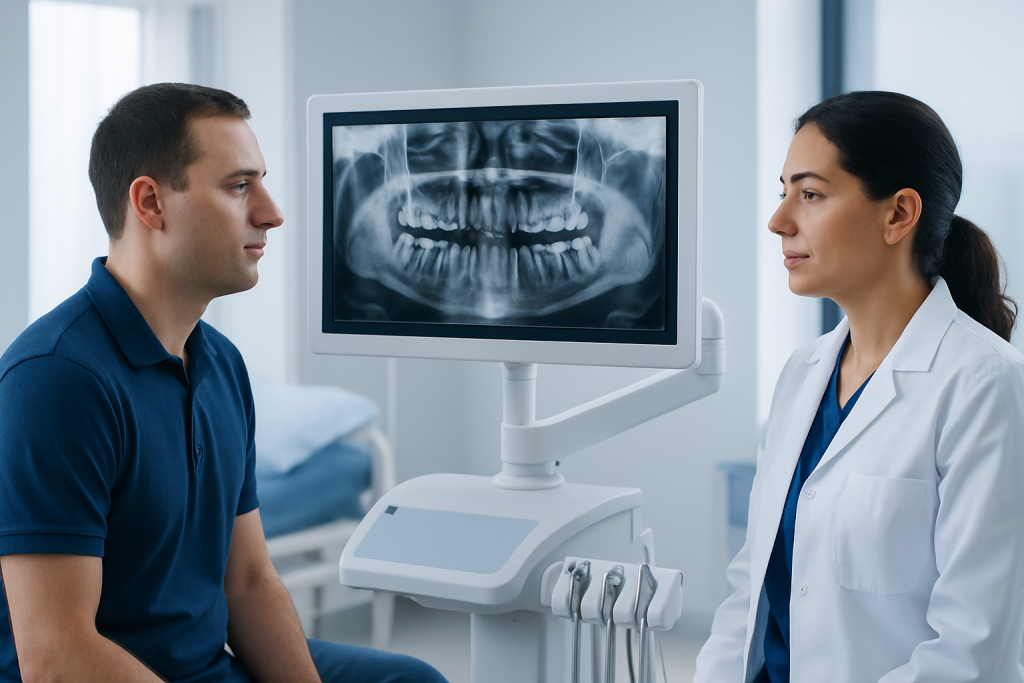
The two areas patients hear about most often are teeth and bones. Tooth resorption is commonly divided into internal resorption and external resorption. Internal resorption begins inside the tooth, usually in the pulp space. External resorption starts on the outer surface of the tooth root and may affect the root, surrounding tissues, or both.
Bone resorption is a normal part of bone turnover. Healthy bone is constantly being broken down and rebuilt. Problems arise when breakdown outpaces rebuilding, which may happen with aging, hormonal changes, reduced mobility, nutritional deficiencies, inflammatory diseases, or bone-related disorders such as osteoporosis.
Doctors and dentists may also use the term in more specialized ways depending on the organ or tissue involved. For patients, the key point is that resorption is a tissue-loss process, not a single disease. Understanding where it is happening is the first step toward proper care.
- Internal tooth resorption: starts within the tooth.
- External tooth resorption: begins on the outside surface of the root.
- Bone resorption: increased breakdown of bone tissue.
- Physiologic resorption: normal tissue loss, such as in baby teeth.
- Pathologic resorption: abnormal tissue loss that needs evaluation.
Symptoms and how resorption may feel

Resorption does not always cause symptoms early on. Many people learn they have it only after a dental X-ray or a scan ordered for another reason. When symptoms do occur, they vary by location and severity.
In tooth resorption, a patient may notice tooth pain, sensitivity to hot or cold, tenderness when biting, gum swelling, discoloration, or a tooth that feels slightly loose. Some external tooth changes are only visible to a dentist on imaging. In advanced cases, the tooth structure may weaken enough to crack or become difficult to save.
With bone resorption, symptoms may be subtle for a long time. Some people have no symptoms until they develop reduced bone density, height loss, posture changes, bone pain, or a fracture after a minor fall or strain. Bone resorption can also contribute to changes in the jaw after tooth loss, which may affect chewing or denture fit.
Symptoms that deserve prompt medical or dental attention include persistent pain, facial or gum swelling, drainage, numbness, sudden tooth looseness, repeated fractures, or ongoing unexplained bone pain. These signs do not always mean serious disease, but they should be assessed by a qualified professional.
Causes and risk factors
The causes of resorption depend on the tissue involved. Tooth resorption may be associated with dental trauma, orthodontic tooth movement, inflammation around the root, impacted teeth, chronic infection, pressure from cysts or tumors, previous dental procedures, or loss of the protective layer over the root. In some cases, no clear cause is found.
Bone resorption becomes more likely when the balance between bone loss and bone formation is disrupted. Common contributing factors include aging, menopause-related estrogen decline, low calcium or vitamin D intake, long-term inactivity, smoking, excess alcohol use, chronic inflammatory disease, certain endocrine disorders, and long-term use of some medications such as corticosteroids.
Jawbone resorption is often seen after tooth loss because the bone no longer receives the same mechanical stimulation from chewing. Gum disease may also damage the supporting structures around teeth and lead to bone loss; patients with signs of periodontal disease may be evaluated for this type of damage. Risk can also increase if oral hygiene is poor or regular dental follow-up is missed.
Knowing the cause matters because treatment is not only about repairing damage. It also aims to remove triggers, control inflammation, support healing, and reduce the chance that more tissue will be lost over time.
How resorption is diagnosed
Diagnosis starts with a careful history and examination. A dentist or doctor will ask about symptoms, prior injuries, recent dental work, medical conditions, medications, and family history. This context can help distinguish routine tissue remodeling from abnormal resorption that needs treatment.
For suspected tooth resorption, dental imaging is essential. Standard dental X-rays may show root changes, areas of tissue loss, or surrounding inflammation. In more complex cases, three-dimensional imaging may be used to better define the location and extent of damage before treatment planning. A dentist may also perform pulp testing and examine the gums and tooth stability.
For bone resorption, evaluation may include blood tests, bone density assessment, and imaging depending on the symptoms and suspected cause. If the concern is generalized bone loss, a clinician may look for nutritional, hormonal, inflammatory, or metabolic contributors. If the problem appears localized, such as in the jaw or around a joint, imaging helps identify the pattern and possible cause.
The main goal of diagnosis is to answer three questions: what tissue is affected, how advanced the tissue loss is, and what is driving it. Once those are clear, treatment can be tailored more precisely and safely.
Treatment options and what care may involve
Treatment depends entirely on the type of resorption, how severe it is, and whether the tissue can still be preserved. In tooth resorption, early treatment may sometimes stop or slow the process. Internal resorption is often managed by removing inflamed pulp tissue and sealing the tooth with root canal treatment if the tooth is still restorable. External resorption may require treatment of the underlying cause, local repair, monitoring, or extraction if the damage is extensive.
If a tooth cannot be saved, replacement options may be discussed to restore chewing function and appearance. Depending on the case, a patient may be advised about restorative options such as dental implant treatment after the area has healed and the supporting tissues have been assessed. When jawbone support has been reduced, bone-preserving or bone-building procedures may also be considered in selected cases.
For bone resorption, treatment usually focuses on reducing bone loss and supporting bone strength. This may include addressing vitamin D or calcium deficiency, reviewing medications, increasing safe weight-bearing activity, managing hormonal or inflammatory causes, and using bone-protective medicines when appropriate. Some patients may benefit from structured evaluation and follow-up through services related to osteoporosis treatment.
When resorption is linked to gum disease, trauma, bite problems, or an underlying health condition, those problems also need attention. In complex cases, care may involve more than one specialty. Near the end of the care pathway, some international patients choose centers such as Acibadem International, where multidisciplinary specialists in JCI-accredited hospitals evaluate and treat dental and bone-related conditions.
Prevention and self-care
Not all resorption can be prevented, but healthy habits can lower risk and support early detection. For oral health, regular dental checkups are important because tooth resorption may begin without obvious symptoms. Daily brushing with fluoride toothpaste, cleaning between teeth, and managing gum inflammation can help protect the tissues that support the teeth.
Using a mouthguard during contact sports may reduce trauma-related tooth damage. Patients having orthodontic treatment should keep follow-up appointments so tooth movement can be monitored appropriately. It is also sensible to mention any previous dental trauma, root canal treatment, or unexplained tooth sensitivity to the dental team.
For bone health, adequate calcium and vitamin D, regular weight-bearing exercise, and avoiding smoking can support healthy remodeling. Limiting excess alcohol and discussing long-term medication risks with a doctor may also help. People at higher risk of bone loss, including many postmenopausal adults and older adults, may benefit from periodic bone health assessment.
Self-care is supportive, but it cannot confirm or treat resorption on its own. Persistent symptoms, visible dental changes, or concern about bone strength should be discussed with a qualified clinician rather than managed only at home.
When to seek medical care
Medical or dental review is appropriate if a person has ongoing tooth pain, sensitivity that does not improve, gum swelling, a loose adult tooth, changes in tooth color, or pain when chewing. These symptoms may have several causes, but resorption is one possibility that benefits from early assessment.
A person should also seek care for repeated fractures, loss of height, unexplained back pain, bone pain, or known risk factors for significant bone loss. Prompt evaluation is especially important if symptoms follow injury or if there is swelling, fever, drainage, or numbness.
Urgent care may be needed for severe facial swelling, significant trauma, uncontrolled pain, or sudden inability to bite normally. A healthcare professional can decide whether the issue relates to resorption, infection, fracture, or another condition that needs timely treatment.
Frequently asked questions
What does resorption mean in simple terms?
Resorption means the body is breaking down and absorbing tissue. This can be a normal process in some situations, such as baby teeth loosening, or an abnormal process when it affects adult teeth or bone.
Is resorption the same as decay or osteoporosis?
No. Tooth decay is caused by acids from bacteria damaging tooth enamel and dentin, while tooth resorption is the body’s own tissue-removal process. Osteoporosis is a condition of reduced bone strength that often involves increased bone resorption, but the two terms are not identical.
Can tooth resorption be reversed?
Established tooth resorption usually cannot be reversed in the sense of restoring lost tooth structure naturally. However, early diagnosis may allow treatment that stops or slows the process and helps preserve the tooth for as long as possible.
Does resorption always cause pain?
No. Many cases are found on imaging before a person notices symptoms. Pain, sensitivity, swelling, or looseness may develop later depending on the location and severity.
How is bone resorption treated?
Treatment aims to reduce ongoing bone loss and support stronger bone remodeling. It may include lifestyle measures, correcting nutritional deficiencies, treating underlying conditions, and using medication when a doctor believes it is appropriate.
When should someone worry about resorption?
A person should arrange evaluation if they have unexplained tooth pain, gum swelling, a loose adult tooth, repeated fractures, or signs of bone loss. Early assessment can help identify the cause and guide treatment before more tissue is lost.
This article is for general information only and is not a substitute for professional medical advice. Please consult a qualified doctor about your individual situation.
Explore treatments in Turkey — costs, top hospitals & a free quote
JCI-accredited · board-certified surgeons · reply within 24h
Add us as a Preferred Source to see more of our trusted health content across Google Search, AI Overviews and Discover.

More from the Health Library

Reticulocyte: An Evidence-Based Guide for Patients

Soy Formula: A Complete Medical Overview

Anterolisthesis: An Evidence-Based Guide for Patients

Rhogam Shot — Explained by Medical Evidence, Not Myths

Gluten Free Chicken Nuggets: A Complete Medical Overview