Respiratory System: Parts, Functions, and How Breathing Works

The respiratory system includes the upper airways, lower airways, lungs, and breathing muscles. Its main job is to deliver oxygen to the blood and remove carbon dioxide from the body.
Key Takeaways
- The respiratory system includes the upper airways, lower airways, lungs, and breathing muscles.
- Its main job is to deliver oxygen to the blood and remove carbon dioxide from the body.
- Breathing depends on pressure changes created mainly by the diaphragm and chest muscles.
- Common respiratory symptoms include cough, wheezing, shortness of breath, and chest tightness.
- Avoiding smoking, reducing irritant exposure, staying active, and getting recommended vaccines help protect lung health.
The respiratory system allows the body to take in oxygen and remove carbon dioxide. It includes the nose, throat, airways, lungs, and breathing muscles working together with the heart and blood to support every cell.
Overview of the respiratory system
The respiratory system is the body’s breathing system. Its central role is to move air into and out of the lungs so oxygen can enter the bloodstream and carbon dioxide can leave the body. This process happens automatically throughout the day and night, but it can also be influenced by exercise, emotions, altitude, illness, and environmental factors such as air quality.
The system includes more than just the lungs. Air first enters through the nose or mouth, then passes through the throat and voice box into the windpipe and branching airways. These airways lead to the lungs, where tiny air sacs exchange gases with the blood. The diaphragm and chest muscles help expand and empty the lungs during each breath.
The respiratory system works closely with other body systems. The heart and blood vessels carry oxygen-rich blood from the lungs to tissues and return carbon dioxide-rich blood back to the lungs. The brain helps control breathing rate and depth, adjusting it continuously to meet the body’s changing needs.
Parts of the respiratory system
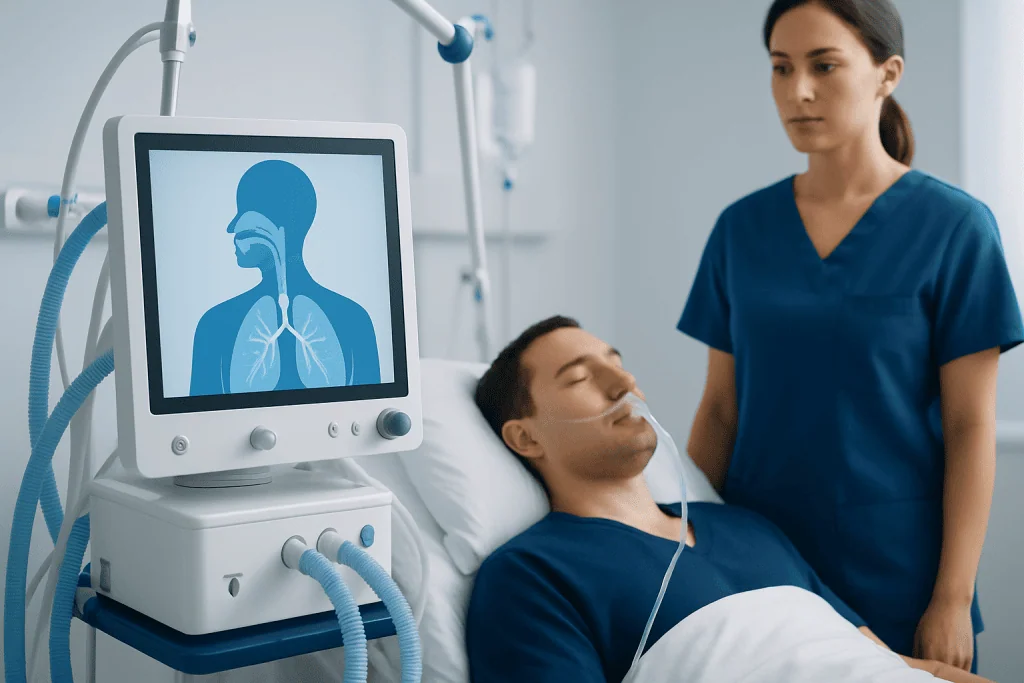
The respiratory system is often divided into the upper and lower respiratory tracts. The upper tract includes the nose, nasal passages, sinuses, mouth, and throat. These structures help filter, warm, and humidify incoming air before it reaches the lungs. Tiny hairs and mucus trap dust, germs, and other particles, helping protect the delicate tissues deeper in the airways.
The lower respiratory tract includes the larynx, trachea, bronchi, bronchioles, and lungs. The trachea, or windpipe, splits into two main bronchi, one going to each lung. Inside the lungs, the bronchi branch into smaller bronchioles, ending in clusters of alveoli. These tiny air sacs are where oxygen and carbon dioxide are exchanged.
The lungs sit inside the chest and are covered by a thin lining called the pleura. They are soft, spongy organs with a large surface area for gas exchange. The right lung has three lobes, while the left has two to make room for the heart. The diaphragm, a dome-shaped muscle below the lungs, is the main muscle of breathing.
- Nose and nasal passages: filter, warm, and moisten air
- Pharynx and larynx: guide air and support voice production
- Trachea and bronchi: carry air to and from the lungs
- Bronchioles and alveoli: allow airflow and gas exchange
- Diaphragm and chest muscles: drive breathing movements
Functions of the respiratory system

The best-known function of the respiratory system is gas exchange. Oxygen from inhaled air passes through the walls of the alveoli into nearby blood vessels. At the same time, carbon dioxide, a waste product made by the body’s cells, moves from the blood into the alveoli and is breathed out. This exchange is essential for energy production and normal organ function.
The respiratory system also has several protective and supportive functions. The nose and airways help filter particles and microorganisms. Mucus traps unwanted material, and tiny hair-like structures called cilia move it upward so it can be swallowed or coughed out. Coughing and sneezing are reflexes that help clear the airways when needed.
Breathing also supports speech and smell. Air passing through the larynx allows the vocal cords to produce sound, while air moving through the nasal passages helps the sense of smell. In addition, the lungs help maintain acid-base balance by controlling how much carbon dioxide stays in the body, which is important for keeping body chemistry stable.
How breathing works
Breathing has two main phases: inhalation and exhalation. During inhalation, the diaphragm contracts and moves downward while the muscles between the ribs help expand the chest. This creates more space in the chest cavity, lowers pressure inside the lungs, and draws air in. During exhalation at rest, these muscles relax, the chest returns to its usual size, and air flows out.
Once air reaches the alveoli, oxygen moves across a very thin membrane into the blood, where it binds to hemoglobin in red blood cells. Carbon dioxide travels in the opposite direction and is removed during exhalation. This exchange is efficient because the alveoli have a very large combined surface area and are closely surrounded by tiny blood vessels.
The brainstem controls breathing automatically. It monitors carbon dioxide, oxygen, and blood acidity, then adjusts breathing rate and depth to keep the body in balance. For example, breathing usually becomes faster during exercise, fever, anxiety, or lung disease. It may become slower during sleep or when certain medicines affect the breathing center.
Healthy airflow also depends on open airways and flexible lung tissue. If airways become narrowed or inflamed, as in asthma, breathing may feel more difficult. If the lungs are affected by infection, irritation, or chronic disease such as COPD, gas exchange can become less efficient.
Common respiratory symptoms and what they may mean
Respiratory symptoms can range from mild and temporary to persistent or more serious. Common symptoms include cough, shortness of breath, wheezing, chest tightness, noisy breathing, excess mucus, and pain with breathing. These symptoms do not always mean there is a major problem, but they should not be ignored if they are ongoing, worsening, or interfering with daily life.
A short-term cough or nasal congestion often happens with a cold, allergies, or mild irritation. Wheezing may occur when the airways narrow. Shortness of breath can appear with exercise, respiratory infections, asthma, heart conditions, anemia, or anxiety. Coughing up blood, blue lips, severe breathing difficulty, or sudden chest pain needs urgent medical attention.
Respiratory symptoms may be linked to many conditions, including upper respiratory infections, bronchitis, pneumonia, asthma, allergies, or chronic lung diseases. Doctors may evaluate symptoms with a physical exam and tests such as lung function testing or chest X-ray when clinically appropriate. Early assessment can help identify the cause and guide the right treatment plan.
Conditions that can affect the respiratory system
Many different health conditions can affect breathing. Infections such as the common cold, flu, bronchitis, and pneumonia can inflame the airways or lungs. Allergies may trigger nasal symptoms or worsen lower airway sensitivity. Some conditions are short-lived, while others, such as asthma or chronic obstructive pulmonary disease, may require long-term management.
Other respiratory problems include sleep-related breathing disorders, interstitial lung diseases, pulmonary embolism, and lung cancer. Structural issues, irritant exposure, smoking, occupational dust, and air pollution can also damage the lungs over time. Children, older adults, and people with chronic illness may be more vulnerable to respiratory complications.
Doctors use symptoms, examination findings, and test results to understand whether a problem affects the upper airways, lower airways, or the lung tissue itself. Depending on the situation, evaluation may include pulmonary function tests or more advanced imaging such as CT scan. Understanding the underlying cause is the first step toward effective care.
How respiratory conditions are diagnosed and treated
Diagnosis usually begins with a medical history and physical examination. A doctor may ask about symptoms, smoking history, allergies, workplace exposures, infections, exercise tolerance, and family history. Listening to the lungs and checking oxygen levels can provide important clues, but additional tests are often needed to confirm the diagnosis.
Common diagnostic tools include chest imaging, blood tests, oxygen measurement, sputum testing, and breathing tests. In some cases, a specialist may recommend bronchoscopy to look inside the airways. Treatment depends on the cause and may include inhaled medicines, antibiotics when a bacterial infection is present, allergy management, pulmonary rehabilitation, oxygen support, or procedures for more complex problems.
Long-term respiratory care often focuses on controlling symptoms, preventing flare-ups, and protecting lung function. This may include learning how to use inhalers correctly, avoiding triggers, stopping smoking, and following a personalized action plan. Near the end of the care pathway, international patients may also seek support from centers such as Acibadem International, where multidisciplinary specialists in JCI-accredited hospitals diagnose and treat respiratory conditions.
Prevention, self-care, and when to see a doctor
Many respiratory problems can be reduced or better managed with healthy daily habits. Not smoking is one of the most important steps for lung protection. Avoiding secondhand smoke, reducing exposure to dust and fumes, improving indoor ventilation, staying physically active, and drinking enough fluids may also support normal breathing and mucus clearance.
Vaccination can help prevent infections that affect the lungs, especially in people at higher risk. Hand hygiene, managing allergies, and following treatment plans for chronic conditions are also important. People who use inhalers or other respiratory medicines benefit from regular review to make sure their technique and treatment remain appropriate.
Medical advice is recommended if breathing symptoms are frequent, unexplained, or getting worse. A doctor should evaluate persistent cough, repeated wheezing, shortness of breath with usual activities, recurring chest infections, or disturbed sleep due to breathing problems. Emergency care is important for severe shortness of breath, confusion, bluish lips or face, or chest pain that comes on suddenly.
Frequently asked questions
What is the main function of the respiratory system?
The respiratory system mainly brings oxygen into the body and removes carbon dioxide. It also helps with speaking, smelling, and protecting the body from harmful particles and germs in the air.
What organs are part of the respiratory system?
The respiratory system includes the nose, mouth, throat, larynx, trachea, bronchi, bronchioles, lungs, and alveoli. The diaphragm and chest muscles are also essential because they help move air in and out of the lungs.
How does oxygen get from the lungs to the body?
After air reaches the alveoli, oxygen passes into tiny blood vessels surrounding them. Red blood cells then carry that oxygen through the bloodstream to tissues and organs throughout the body.
Why is the nose important for breathing?
The nose does more than provide an entry for air. It helps filter dust and germs, warms the air, and adds moisture, which protects the lower airways and lungs.
What are common signs of a respiratory problem?
Common signs include cough, wheezing, shortness of breath, chest tightness, noisy breathing, or excess mucus. Symptoms that are severe, persistent, or getting worse should be assessed by a qualified doctor.
Can the respiratory system be kept healthy?
Yes, many habits support lung health. Avoiding smoking, staying active, reducing exposure to irritants, practicing hand hygiene, and keeping recommended vaccines up to date can all help protect the respiratory system.
References
- World Health Organization
- National Heart, Lung, and Blood Institute
- American Lung Association
- NHS
- MedlinePlus
This article is for general information only and is not a substitute for professional medical advice. Please consult a qualified doctor about your individual situation.
Explore treatments in Turkey — costs, top hospitals & a free quote
JCI-accredited · board-certified surgeons · reply within 24h
Add us as a Preferred Source to see more of our trusted health content across Google Search, AI Overviews and Discover.