Rest Tank: What Patients Need to Know

A rest tank is designed to reduce external stimulation while supporting effortless floating. People often use rest tanks for relaxation, stress relief, and temporary muscle or joint comfort.
Key Takeaways
- A rest tank is designed to reduce external stimulation while supporting effortless floating.
- People often use rest tanks for relaxation, stress relief, and temporary muscle or joint comfort.
- Rest tank sessions are generally considered wellness practices, not stand-alone medical treatments.
- Some people should seek medical advice before use, especially if they have certain neurological, psychiatric, skin, ear, or heart conditions.
- Good hygiene, provider screening, and realistic expectations help make rest tank use safer and more comfortable.
A rest tank is a light- and sound-reduced flotation tank filled with warm salt water that allows the body to float with minimal effort. Some people use it for relaxation, stress management, muscle comfort, or mindfulness, but it is not a replacement for medical diagnosis or treatment.
What a Rest Tank Is
A rest tank is a pod, room, or enclosed pool used for flotation in a low-stimulation setting. It typically contains shallow water with a very high concentration of Epsom salt, which makes the body float easily. The environment is usually warm, dim, and quiet, with the goal of reducing external sensory input.
Many people also know a rest tank as a sensory deprivation tank, isolation tank, or float tank. In practice, modern systems are not always completely sensory-free. Users may choose soft lighting, some air circulation, or the option to open the lid or door, which can make the experience more comfortable for first-time users.
The main idea is simple: when the body is well supported and there is less noise, light, and pressure on the joints, some people feel deeply relaxed. Others use rest tank sessions as part of a broader self-care routine that may include sleep hygiene, exercise, counseling, or rehabilitation.
How a Rest Tank May Affect the Body and Mind
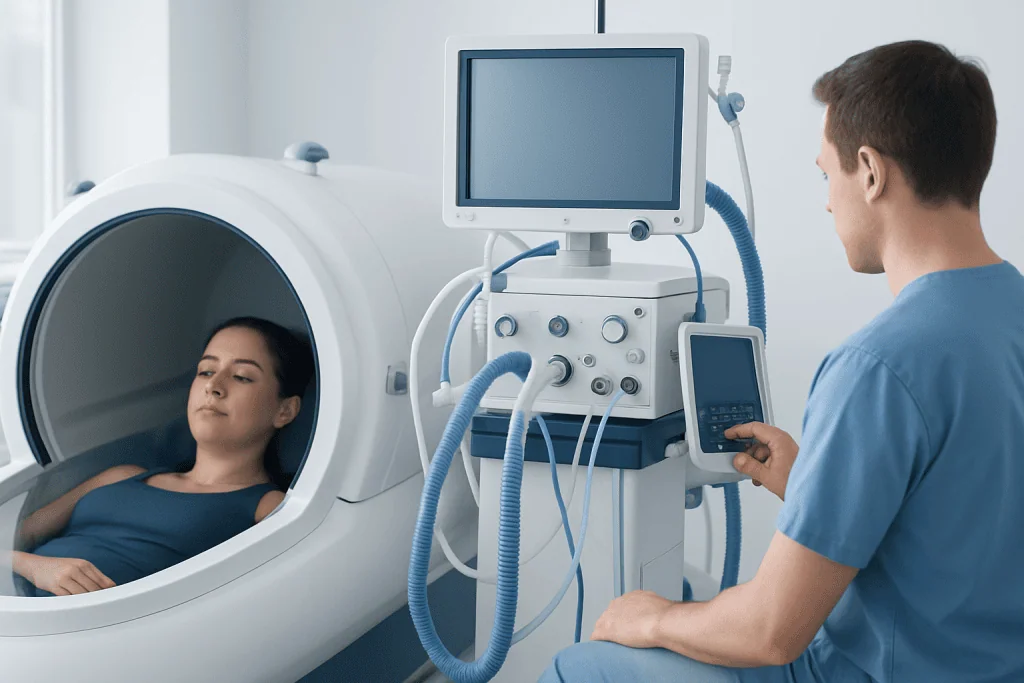
Floating in a rest tank can create a temporary sense of weightlessness. Because the body does not need to work to stay afloat, muscles may relax and pressure on some joints may feel reduced during the session. This may be especially appealing to people with tension from daily stress, prolonged sitting, or physical exertion.
The low-stimulation setting may also help quiet mental distractions. Some users describe a calmer state of mind, improved focus afterward, or a meditative experience. Others simply feel rested. These responses can vary widely from person to person, and not everyone finds the experience pleasant or helpful.
It is important to keep expectations realistic. A rest tank is not a cure for chronic pain, anxiety disorders, depression, insomnia, or neurological disease. For people with ongoing symptoms, a doctor may look for underlying causes such as migraine, sleep disorders, or musculoskeletal conditions and may recommend medical care alongside lifestyle measures.
Common Reasons People Use a Rest Tank

People usually choose a rest tank for wellness reasons rather than for treatment of a specific disease. Common goals include relaxation, mental decompression, support for mindfulness practices, and temporary relief from muscle tightness after exercise or a stressful day.
Some users also seek flotation as one part of managing physical discomfort. During floating, the lack of gravity-like pressure may feel soothing to some people with back, neck, or joint strain. However, symptom relief during or after a session does not identify the cause of pain, and persistent pain should still be medically assessed.
A rest tank may also be used by people who want quiet time away from screens and busy environments. For some, that setting can support breathing exercises or guided relaxation. If symptoms are ongoing or affecting daily life, structured care such as physical therapy and rehabilitation or a medical review may be more appropriate than relying only on wellness sessions.
Potential Benefits, Limits, and Side Effects
Potential benefits of a rest tank may include a feeling of relaxation, short-term reduction in perceived stress, temporary comfort for muscle tension, and a sense of mental reset. Some people also report sleeping better on the night after a session or feeling more aware of breathing and body position.
At the same time, the limits of flotation should be clearly understood. Research on float therapy is still developing, and results can differ based on the person, the condition being studied, and the setting. A rest tank should not be viewed as a substitute for treatment when there are clear symptoms, functional limitations, or signs of disease.
Side effects are usually mild when a facility follows good hygiene and safety standards, but they can happen. Examples include temporary dizziness when standing up, mild skin irritation from salty water, discomfort if there are cuts or shaved skin, and anxiety or claustrophobic feelings in enclosed spaces. Ear irritation may also occur in some users.
- Possible short-term benefits: relaxation, quiet focus, temporary muscle comfort
- Common limitations: variable effects, no diagnosis, no cure for chronic conditions
- Possible side effects: skin stinging, dizziness, anxiety, ear discomfort
Who Should Be Cautious Before Using a Rest Tank
A rest tank is not suitable for everyone. People with open wounds, active skin infections, uncontrolled epilepsy, severe claustrophobia, or conditions that can affect awareness or balance should speak with a doctor before use. The same is true for people with significant ear disease, severe motion sensitivity, or poorly controlled cardiovascular problems.
Anyone with a history of panic attacks, psychosis, severe untreated anxiety, or trauma-related symptoms may find a low-stimulation enclosed environment difficult rather than soothing. In these cases, professional guidance matters. For some people, a more structured and supervised approach through psychiatry or psychological care may be a better choice.
Pregnant individuals, people using sedating substances, and anyone with incontinence should follow local safety guidance and ask a healthcare professional if unsure. Children and adolescents should only use such facilities if the provider allows it and if a clinician and caregiver consider it appropriate.
How to Prepare for a Session and Use It Safely
Good preparation can make a rest tank session more comfortable. It is generally helpful to avoid caffeine immediately beforehand if it tends to increase restlessness, and to avoid shaving or waxing the same day because salt water can sting. Eating a very heavy meal right before the session may also reduce comfort.
Before entering the tank, users should shower and carefully follow facility instructions on cleanliness, ear protection, and emergency signaling. It is also wise to tell the provider about any medical conditions, implanted devices, skin sensitivity, recent infections, or concern about enclosed spaces.
After the session, it is sensible to stand up slowly and drink water if needed. If pain, dizziness, ear symptoms, anxiety, or skin irritation continue after leaving the facility, further use should be paused until a healthcare professional has advised whether it is suitable. Persistent pain may call for a broader assessment, sometimes including neurology or rehabilitation depending on the symptoms.
When to Seek Medical Care
A rest tank should not delay medical attention when symptoms may point to an underlying health problem. Medical care is important if there is severe or recurring pain, fainting, chest discomfort, new weakness, persistent numbness, confusion, seizures, significant shortness of breath, or symptoms that interfere with work, sleep, or daily activities.
People should also seek medical advice if they develop ear pain, drainage, skin rash, signs of infection, or prolonged dizziness after a session. A doctor can assess whether the symptoms are related to the float environment or to another condition that needs treatment.
For ongoing headaches, major mood changes, unexplained body pain, or repeated sleep problems, proper evaluation matters more than repeated wellness sessions. Depending on the symptom pattern, clinicians may assess for causes such as insomnia or other neurological, psychological, or musculoskeletal conditions. Near the end of a care journey, some international patients may choose centers such as Acibadem International, where multidisciplinary specialists in JCI-accredited hospitals diagnose and treat a wide range of related conditions.
Frequently asked questions
Is a rest tank the same as a sensory deprivation tank?
Yes. The terms rest tank, sensory deprivation tank, isolation tank, and float tank are often used for the same type of flotation environment. Modern facilities may offer adjustable light or sound, so the experience is not always complete sensory deprivation.
What does a rest tank feel like?
Most people feel effortlessly buoyant because the salty water supports the body. The setting is usually quiet and warm, and many people describe a sense of physical release or mental stillness, although some may feel uneasy in the enclosed space.
Can a rest tank treat pain or anxiety?
A rest tank may help some people feel temporarily more relaxed or more comfortable, but it does not treat the underlying cause of chronic pain or an anxiety disorder. If symptoms are persistent, severe, or worsening, a qualified doctor should assess them.
Who should avoid using a rest tank?
People with open wounds, active infections, uncontrolled seizures, severe claustrophobia, major balance problems, or certain psychiatric symptoms should get medical advice before use. Anyone who is unsure because of pregnancy, heart disease, ear conditions, or medication effects should also ask a healthcare professional first.
Are rest tanks sanitary?
They can be sanitary if the facility uses appropriate filtration, disinfection, water testing, and cleaning procedures between users. Patients should choose reputable providers, follow showering instructions, and avoid sessions if they have a contagious illness or skin infection.
How often can someone use a rest tank?
There is no single schedule that suits everyone. Some people use it occasionally for relaxation, while others try regular sessions as part of a wellness routine, but frequency should be guided by comfort, cost, and any medical advice relevant to the person's health.
This article is for general information only and is not a substitute for professional medical advice. Please consult a qualified doctor about your individual situation.
Explore treatments in Turkey — costs, top hospitals & a free quote
JCI-accredited · board-certified surgeons · reply within 24h
Add us as a Preferred Source to see more of our trusted health content across Google Search, AI Overviews and Discover.

More from the Health Library

Baby Seizures: An Evidence-Based Guide for Patients

Popped Blood Vessel in Eye: A Complete Medical Overview

Osmotic Laxative: An Evidence-Based Guide for Patients

Red Spots on Feet: An Evidence-Based Guide for Patients

At Home Strep Test: An Evidence-Based Guide for Patients