Restless Legs Syndrome: Symptoms, Triggers, and Neurological Treatment Options

Restless legs syndrome usually causes an urge to move the legs that worsens during rest and improves with movement. Symptoms are often stronger in the evening or at night and can interfere with falling asleep or staying asleep.
Key Takeaways
- Restless legs syndrome usually causes an urge to move the legs that worsens during rest and improves with movement.
- Symptoms are often stronger in the evening or at night and can interfere with falling asleep or staying asleep.
- Low iron stores, pregnancy, kidney disease, certain medications, and family history can contribute to restless legs syndrome.
- Diagnosis is mainly based on symptoms, but blood tests and evaluation for related conditions may be important.
- Treatment may include sleep habit changes, correcting iron deficiency, avoiding triggers, and medications when symptoms are persistent or severe.
Restless legs syndrome is a common neurological sleep-related condition that causes an uncomfortable urge to move the legs, especially during rest or in the evening. With proper evaluation, many people can reduce symptoms through lifestyle changes, treatment of underlying causes, and medical care when needed.
Overview
Restless legs syndrome, also called RLS or Willis-Ekbom disease, is a neurological condition that creates an uncomfortable urge to move the legs. People often describe the feeling as crawling, tingling, pulling, throbbing, itching, or an inner restlessness deep in the legs. The sensations usually begin or become more noticeable when sitting still, lying down, or trying to sleep.
A key feature of restless legs syndrome is that movement brings at least temporary relief. Walking, stretching, rubbing the legs, or changing position may help for a short time, but the symptoms can return again during rest. Because symptoms are often strongest in the evening and at night, the condition is closely linked with sleep problems and daytime fatigue.
Restless legs syndrome can affect quality of life in different ways. Some people have occasional mild symptoms, while others have frequent discomfort that disrupts sleep, travel, work, and concentration. Although it can be frustrating, it is a recognized medical condition, and many people improve when triggers and underlying causes are identified and treated.
Symptoms
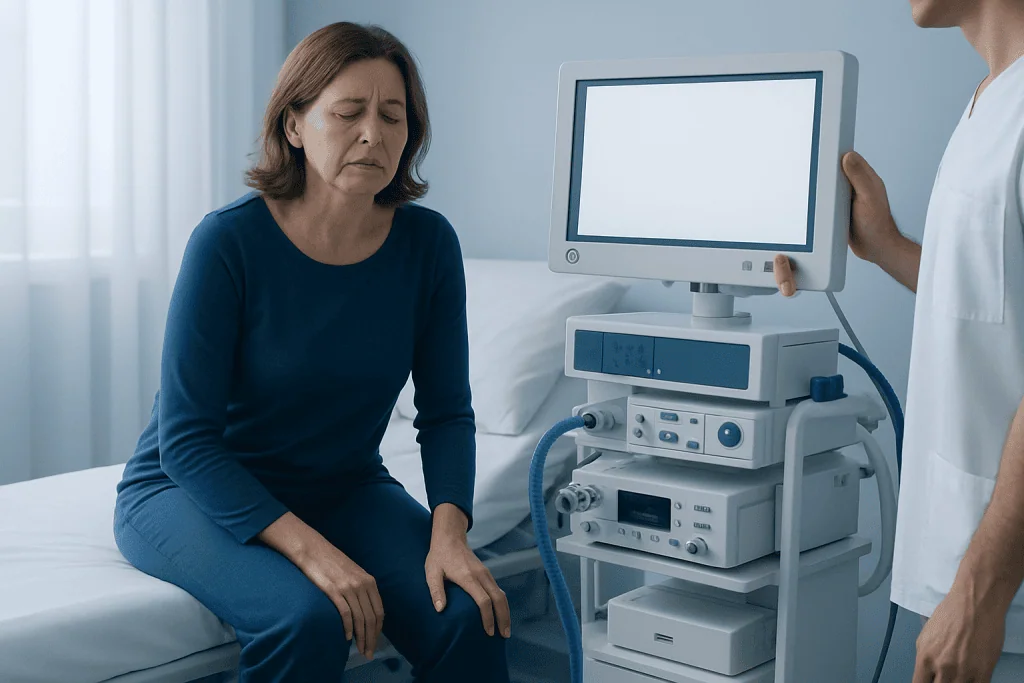
The main symptom of restless legs syndrome is a strong urge to move the legs, usually accompanied by unpleasant sensations. These symptoms tend to appear during periods of inactivity, such as sitting for long periods, relaxing in the evening, or lying in bed. They are often described in both legs, though one side may feel worse than the other.
Doctors typically look for several hallmark features: symptoms begin or get worse during rest, movement provides relief, symptoms are more noticeable in the evening or night, and the pattern is not fully explained by another condition alone. In some people, the arms can also be affected, especially in more severe cases.
Common symptoms and related effects include:
- An uncomfortable urge to move the legs
- Creeping, tingling, aching, pulling, or buzzing sensations
- Difficulty falling asleep or returning to sleep
- Repeated leg movements during sleep, known as periodic limb movements
- Daytime tiredness, irritability, or reduced concentration
Because symptoms often disturb sleep, restless legs syndrome may overlap with other sleep concerns. A specialist may also consider related disorders such as sleep apnea when symptoms include loud snoring, breathing pauses during sleep, or marked daytime sleepiness.
Causes and Risk Factors

In many people, restless legs syndrome does not have one single clear cause. Experts believe it may involve how the brain uses dopamine, a chemical messenger that helps control movement, along with the role of iron in the brain and nervous system. There can also be a hereditary component, especially when symptoms start at a younger age or when close family members are affected.
Several medical conditions and life stages are linked with restless legs syndrome. Low iron stores are one of the most important reversible factors, even when anemia is not present. Symptoms may also occur more often during pregnancy, especially later in pregnancy, and may improve after delivery. Other associated conditions include chronic kidney disease, peripheral neuropathy, and some neurological disorders.
Certain medicines and lifestyle factors can make symptoms worse in some people. These may include some antihistamines, certain antidepressants, dopamine-blocking nausea medicines, alcohol, caffeine, nicotine, and sleep deprivation. Risk can also increase with age, though restless legs syndrome can occur in younger adults and children as well.
Conditions that can mimic or accompany restless legs syndrome may need separate evaluation, including peripheral neuropathy or circulation-related discomfort. Identifying these distinctions helps guide the most appropriate treatment plan.
How Restless Legs Syndrome Is Diagnosed
There is no single scan or laboratory test that confirms restless legs syndrome on its own. Diagnosis is usually made through a careful medical history that focuses on the symptom pattern. A doctor will ask when the sensations occur, what they feel like, whether movement helps, how often symptoms happen, and how much they affect sleep and daily life.
The evaluation also looks for medical issues that may trigger or worsen symptoms. Blood tests are commonly used to check iron status, including ferritin, and sometimes to look for anemia, kidney problems, vitamin deficiencies, or other contributing conditions. Reviewing all medications is also important because some drugs can aggravate symptoms.
In many cases, a sleep study is not required to diagnose restless legs syndrome. However, it may be useful when the diagnosis is unclear, when another sleep disorder is suspected, or when periodic limb movements are causing significant sleep disruption. Depending on the situation, the care team may also recommend a sleep study or additional neurological evaluation if symptoms suggest another movement or nerve condition.
Treatment Options
Treatment for restless legs syndrome depends on symptom severity, frequency, and whether an underlying cause is present. For many people, the first step is to correct contributing factors, especially low iron stores. If blood tests show iron deficiency or low ferritin, a doctor may recommend iron replacement and follow-up testing. Managing related conditions, such as kidney disease or neuropathy, can also make symptoms easier to control.
Lifestyle measures are often helpful, particularly for mild or intermittent symptoms. These may include reducing caffeine and alcohol, avoiding nicotine, keeping a regular sleep schedule, using gentle stretching, taking a warm bath, massaging the legs, and staying physically active without overexertion. Long periods of sitting may worsen symptoms, so planned movement breaks during travel or desk work can help.
When symptoms are frequent, disruptive, or resistant to self-care, medication may be considered. A doctor may choose treatment based on a person’s age, other health conditions, sleep concerns, and the pattern of symptoms. Medicines sometimes used for restless legs syndrome include certain calcium channel alpha-2-delta ligands and, in selected cases, dopamine-related medications. Treatment plans are individualized because some medicines can lose effectiveness over time or lead to symptom worsening known as augmentation.
If symptoms are complex or accompanied by significant sleep disruption, a person may benefit from specialist assessment in a neurology consultation or a sleep medicine consultation. Near the end of the care pathway, some international patients may choose evaluation at Acibadem International, where multidisciplinary specialists in JCI-accredited hospitals assess neurological and sleep-related conditions in a coordinated way.
Prevention and Self-care
Not every case of restless legs syndrome can be prevented, but symptom flares can often be reduced. A consistent daily routine is one of the most practical steps. Going to bed and waking at the same time each day may support better sleep and reduce evening worsening. Good hydration, regular moderate exercise, and avoiding heavy late-night meals may also help some people feel more comfortable.
It can be useful to keep a symptom diary for a few weeks. Recording when symptoms begin, how long they last, what foods or drinks were consumed, and which medicines were taken may reveal personal triggers. This information can help a doctor tailor treatment and may show patterns such as symptom flares after poor sleep, long travel, or certain over-the-counter cold or allergy medicines.
Helpful self-care strategies may include:
- Limiting caffeine, alcohol, and nicotine, especially later in the day
- Taking short walking or stretching breaks during inactivity
- Using a warm bath, heating pad, or leg massage before bed if approved by a doctor
- Maintaining regular physical activity without intense late-evening exercise
- Reviewing medicines with a clinician if symptoms worsened after starting a new drug
Self-care can improve comfort, but it should not replace medical evaluation when symptoms are frequent, severe, or newly developed. Ongoing symptoms deserve assessment so that iron deficiency, nerve problems, kidney disease, and other contributing conditions are not missed.
When to See a Doctor
A person should consider medical advice if the urge to move the legs is happening often, disturbing sleep, causing daytime tiredness, or affecting work and quality of life. Symptoms that suddenly become much worse, begin after a medication change, or are accompanied by weakness, numbness, swelling, or severe pain should also be reviewed. These features may suggest another condition that needs attention.
Medical review is particularly important during pregnancy, in people with kidney disease, and in those with known iron deficiency or anemia. Children and teenagers with sleep problems, leg discomfort, or difficulty sitting still may also need assessment, as restless legs syndrome can sometimes be overlooked in younger age groups.
Prompt evaluation can help clarify the diagnosis and offer reassurance. With proper assessment and treatment, many people are able to sleep better, reduce discomfort, and manage restless legs syndrome more effectively over time.
Frequently asked questions
Is restless legs syndrome a neurological disorder?
Yes. Restless legs syndrome is considered a neurological condition that affects movement sensations and is strongly connected to sleep. It is not simply a habit or anxiety-related fidgeting, although stress and poor sleep can make symptoms more noticeable.
What time of day is restless legs syndrome usually worse?
Symptoms are usually worse in the evening or at night. Many people notice them most when relaxing on the sofa, sitting during travel, or lying down to sleep.
Can iron deficiency cause restless legs syndrome?
Low iron stores are one of the most important contributors to restless legs syndrome and are often checked during evaluation. Even without obvious anemia, reduced iron levels may worsen symptoms, so a doctor may order blood tests and recommend treatment if needed.
Is restless legs syndrome dangerous?
Restless legs syndrome is usually not dangerous, but it can significantly affect sleep, mood, concentration, and daily comfort. It is still important to seek medical advice because similar symptoms can sometimes be caused by another health problem.
Do all people with restless legs syndrome need medication?
No. Some people improve with trigger avoidance, better sleep habits, iron correction, and treatment of underlying conditions. Medication is usually considered when symptoms are frequent, severe, or continue despite these measures.
Can pregnancy trigger restless legs syndrome?
Yes. Restless legs syndrome can occur during pregnancy, especially later in pregnancy, and often improves after delivery. A pregnant person with symptoms should speak with a doctor to review iron status and choose safe management options.
References
- National Institute of Neurological Disorders and Stroke
- American Academy of Sleep Medicine
- National Institute for Health and Care Excellence
- Mayo Clinic
- International Restless Legs Syndrome Study Group
This article is for general information only and is not a substitute for professional medical advice. Please consult a qualified doctor about your individual situation.
Explore treatments in Turkey — costs, top hospitals & a free quote
JCI-accredited · board-certified surgeons · reply within 24h
Add us as a Preferred Source to see more of our trusted health content across Google Search, AI Overviews and Discover.