Restless Legs Syndrome vs Narcolepsy: Why Daytime Sleepiness Has Different Causes

Restless legs syndrome usually disrupts sleep because of an uncomfortable urge to move the legs, especially in the evening or at night. Narcolepsy is a neurological sleep-wake disorder marked by excessive daytime sleepiness and, in some people, sudden muscle weakness called cataplexy.
Key Takeaways
- Restless legs syndrome usually disrupts sleep because of an uncomfortable urge to move the legs, especially in the evening or at night.
- Narcolepsy is a neurological sleep-wake disorder marked by excessive daytime sleepiness and, in some people, sudden muscle weakness called cataplexy.
- Daytime fatigue from restless legs syndrome often comes from poor-quality sleep, while narcolepsy causes sleepiness because the brain has difficulty regulating wakefulness.
- A careful history, sleep testing, and review of medications, iron status, and other health conditions help doctors tell these disorders apart.
- Both conditions can often be managed with lifestyle measures, sleep habits, and tailored medical treatment under specialist care.
Restless legs syndrome and narcolepsy can both leave a person feeling tired during the day, but they do so in very different ways. Understanding the difference helps guide the right testing, treatment, and self-care.
Overview: Why These Two Conditions Are Often Confused
Restless legs syndrome vs narcolepsy is a common comparison because both conditions can affect how alert a person feels during the day. Someone may say they are exhausted, unrefreshed, or struggling to stay focused, and from the outside those complaints can sound similar. However, the reason behind the tiredness is usually very different.
Restless legs syndrome, also called RLS or Willis-Ekbom disease, is a sensory-motor condition. It causes an uncomfortable urge to move the legs, typically during rest and more often in the evening or at night. The movement may bring temporary relief, but the repeated need to move can interrupt falling asleep and staying asleep.
Narcolepsy is a chronic neurological sleep-wake disorder. Its central feature is excessive daytime sleepiness, meaning a person feels persistently sleepy even after what seems like enough nighttime sleep. Some people with narcolepsy also have cataplexy, a sudden brief loss of muscle tone triggered by emotions such as laughter or surprise.
The key distinction is that RLS usually causes daytime tiredness indirectly by disturbing nighttime sleep, while narcolepsy causes daytime sleepiness more directly because the brain’s regulation of sleep and wakefulness is altered. That difference is important, because treatment and testing are not the same.
Symptoms: How Restless Legs Syndrome and Narcolepsy Feel Different
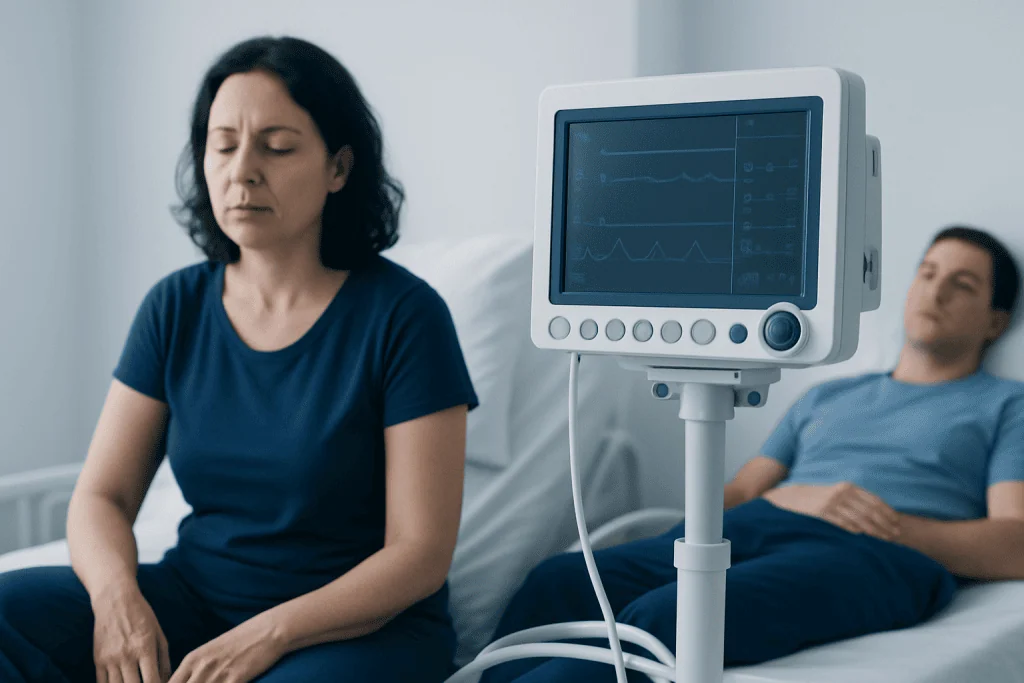
The hallmark symptom of restless legs syndrome is an urge to move the legs that is difficult to resist. People often describe crawling, tingling, pulling, itching, throbbing, or “electric” sensations deep in the legs. Symptoms tend to begin or worsen during rest, improve at least temporarily with movement, and become more noticeable in the evening or at night.
Because of these symptoms, a person with RLS may pace, stretch, rub the legs, or repeatedly change position in bed. Sleep onset can be delayed, and sleep may become fragmented. Some people also have periodic limb movements during sleep, which are repetitive leg jerks that can further reduce sleep quality.
Narcolepsy usually presents very differently. The main symptom is excessive daytime sleepiness that can lead to unplanned naps, trouble staying awake during quiet activities, and a strong sense of sleep pressure even after sleeping at night. People may fall asleep while reading, watching television, sitting in meetings, or riding as a passenger in a car.
Other symptoms may point more strongly to narcolepsy than RLS. These include cataplexy, vivid dream-like experiences when falling asleep or waking up, sleep paralysis, and disrupted nighttime sleep. Not every person has all of these features, but their presence helps doctors think about narcolepsy rather than RLS alone.
Causes and Risk Factors

The exact cause of restless legs syndrome is not always known. Research suggests that brain pathways involving dopamine and iron play an important role. RLS can run in families, especially when symptoms begin earlier in life, and it may also occur secondarily with other conditions such as iron deficiency, pregnancy, kidney disease, or peripheral neuropathy.
Certain medications can worsen or trigger RLS symptoms in some people. These may include some antidepressants, antihistamines, antipsychotics, and anti-nausea medicines. Caffeine, alcohol, sleep deprivation, and long periods of inactivity can also make symptoms more noticeable. In these cases, addressing the trigger may reduce sleep disruption.
Narcolepsy has a different biological basis. In narcolepsy type 1, the brain has a loss of cells that produce hypocretin, also called orexin, a chemical that helps stabilize wakefulness and REM sleep. Genetic factors and immune-related mechanisms may contribute, but narcolepsy is not caused by poor sleep habits or lack of motivation.
Risk factors for narcolepsy include a family history in some cases and onset often during adolescence or young adulthood, although it can begin at other ages. Symptoms may be overlooked for years because they are mistaken for stress, depression, insufficient sleep, or another sleep disorder. That is one reason expert evaluation matters when daytime sleepiness is persistent.
Diagnosis: How Doctors Tell Them Apart
Diagnosis begins with a detailed symptom history. For restless legs syndrome, doctors look for the classic pattern: an urge to move the legs, symptoms that begin or worsen at rest, improvement with movement, and symptoms that are worse in the evening or night. A doctor will also ask about sleep quality, family history, pregnancy, kidney disease, neuropathy, and medications.
Blood tests may be used to check for contributing factors, especially iron deficiency. Even when a person is not anemic, low iron stores can matter in RLS. In some cases, a sleep study may be recommended if another condition such as sleep apnea or periodic limb movements is suspected, or if the diagnosis is uncertain.
For narcolepsy, assessment often includes sleep diaries or actigraphy, overnight polysomnography, and a multiple sleep latency test performed the next day. These tests help determine how quickly a person falls asleep and whether REM sleep occurs unusually early. In selected cases, doctors may also use additional testing, including cerebrospinal fluid hypocretin measurement.
It is also important to rule out other explanations for fatigue or sleepiness. These can include insufficient sleep, obstructive sleep apnea, circadian rhythm disorders, medication effects, mood disorders, thyroid disease, and chronic medical illness. A comprehensive neurology consultation or sleep medicine evaluation can help clarify the diagnosis and guide next steps.
Treatment Options for Each Condition
Treatment for restless legs syndrome focuses on relieving symptoms and improving sleep. If iron deficiency or low iron stores are present, correcting that deficiency may help significantly. Doctors may also review medications that can worsen symptoms and suggest alternatives when appropriate. For ongoing RLS, prescription medicines may be considered based on symptom severity, frequency, and the person’s overall health.
Non-drug measures also matter in RLS. Regular exercise, avoiding excess caffeine or alcohol, keeping a consistent sleep schedule, and using stretching, massage, or warm baths before bed may reduce evening discomfort for some people. Long periods of sitting, such as on flights or during desk work, may need planning with movement breaks.
Narcolepsy treatment aims to improve daytime alertness and manage associated symptoms such as cataplexy or fragmented nighttime sleep. Management may include scheduled naps, wake-promoting medication, and medicines targeted to cataplexy when needed. Treatment is individualized, because symptoms and daily life demands differ from person to person.
When excessive sleepiness is severe or the diagnosis is complex, formal sleep testing such as sleep study (polysomnography) may be part of care planning, and some patients may benefit from specialist follow-up in sleep medicine services. In some cases, doctors also evaluate for coexisting sleep problems such as sleep apnea, because more than one disorder can affect sleep quality and daytime function.
Prevention and Self-Care: What Can Help Day to Day
Neither restless legs syndrome nor narcolepsy can always be prevented, but daily habits can reduce symptom burden and improve quality of life. The foundation is regular sleep-wake timing. Going to bed and waking up at similar times each day helps support stable sleep patterns and makes it easier to judge whether symptoms are improving with treatment.
For restless legs syndrome, self-care often focuses on minimizing common triggers. People may benefit from limiting caffeine later in the day, reducing alcohol if it worsens symptoms, and avoiding unnecessary sedating antihistamines unless a doctor advises otherwise. Gentle physical activity, stretching, and movement breaks during travel or sedentary work can also be helpful.
For narcolepsy, safety planning is an important part of self-care. Short planned naps may reduce sudden sleep episodes in some people, and people who feel sleepy while driving or operating machinery should stop and seek medical advice promptly. School or workplace accommodations may be useful, especially when diagnosis and treatment are still being adjusted.
Keeping a symptom and sleep journal can help both conditions. Recording bedtime, wake time, naps, leg sensations, sleep interruptions, medicines, caffeine intake, and daytime alertness gives the healthcare team practical information. This often makes patterns easier to see and helps tailor treatment over time.
When to See a Doctor
A person should speak with a doctor if daytime sleepiness is frequent, unexplained, or affecting work, school, mood, concentration, or safety. Tiredness that persists despite adequate time in bed deserves attention, especially if there are sudden sleep episodes, cataplexy-like weakness, or leg symptoms that repeatedly interfere with sleep.
Medical review is also important if the urge to move the legs becomes regular, painful, or disruptive, or if it appears during pregnancy or alongside kidney disease, neuropathy, or possible iron deficiency. Many people assume these symptoms are simply stress or poor circulation, but a clear diagnosis can open the door to effective treatment.
Urgent assessment may be needed if daytime sleepiness creates driving risks or near-miss accidents, or if symptoms are accompanied by significant weakness, fainting, chest symptoms, or another concerning change in health. These features are not typical of straightforward RLS and may suggest a different condition that needs prompt evaluation.
For international patients seeking specialist assessment, Acibadem International’s multidisciplinary teams in JCI-accredited hospitals diagnose and treat sleep-related neurological conditions with coordinated care. The most helpful first step is a qualified medical evaluation that considers the full pattern of symptoms rather than daytime tiredness alone.
Frequently asked questions
Can restless legs syndrome cause daytime sleepiness?
Yes. Restless legs syndrome can make it hard to fall asleep or stay asleep, so a person may feel tired or less refreshed during the day. The sleepiness usually comes from poor nighttime sleep rather than from a primary problem with wakefulness.
Is narcolepsy the same as being very tired?
No. Narcolepsy is more than ordinary tiredness after a busy day or short sleep. It is a neurological sleep-wake disorder that causes excessive daytime sleepiness and may include symptoms such as cataplexy, sleep paralysis, or vivid dream-like experiences.
Can someone have both restless legs syndrome and narcolepsy?
Yes, it is possible to have more than one sleep-related condition. A doctor may look for overlapping problems when symptoms do not fit a single diagnosis or when treatment for one condition does not fully explain ongoing sleepiness.
What tests are used to diagnose narcolepsy?
Doctors often use an overnight sleep study followed by a multiple sleep latency test the next day. These tests help measure how quickly a person falls asleep and whether REM sleep begins earlier than expected. Sleep diaries and a review of medications and sleep habits are also important.
Do iron levels matter in restless legs syndrome?
Yes. Low iron stores can contribute to restless legs syndrome, even when a person does not have obvious anemia. That is why doctors may order blood tests and consider iron replacement if a deficiency is found.
When should daytime sleepiness be taken seriously?
Daytime sleepiness should be evaluated if it is persistent, unexplained, or affecting concentration, work, school, or safe driving. It also deserves prompt medical attention if it comes with sudden muscle weakness, frequent unplanned naps, or repeated nighttime leg symptoms that disturb sleep.
References
- American Academy of Sleep Medicine
- National Institute of Neurological Disorders and Stroke
- National Heart, Lung, and Blood Institute
- Mayo Clinic
- National Health Service
This article is for general information only and is not a substitute for professional medical advice. Please consult a qualified doctor about your individual situation.
Narcolepsy in Turkey — costs, top hospitals & a free quote
JCI-accredited · board-certified surgeons · reply within 24h
Add us as a Preferred Source to see more of our trusted health content across Google Search, AI Overviews and Discover.