Retainer: An Evidence-Based Guide for Patients

A retainer helps prevent teeth from shifting after orthodontic treatment. Retainers may be removable or fixed, and the best option depends on a person’s needs.
Key Takeaways
- A retainer helps prevent teeth from shifting after orthodontic treatment.
- Retainers may be removable or fixed, and the best option depends on a person’s needs.
- Consistent wear and careful cleaning help maintain fit, hygiene, and treatment results.
- A retainer that feels tight, loose, cracked, or painful should be checked by a dental professional.
- Not every mouthguard or night guard is a retainer, although some devices may look similar.
A retainer is a custom dental appliance that helps keep teeth aligned after braces or clear aligners. Different types of retainers have different benefits, and proper wear and cleaning are important for comfort, fit, and long-term results.
What a Retainer Is and Why It Matters
A retainer is a custom-made device worn in the mouth to help keep teeth in their corrected position after orthodontic treatment. Teeth can naturally drift over time because of pressure from chewing, growth, aging, and the surrounding gums and bone. A retainer helps stabilize the result after braces or aligners and supports the mouth as tissues adapt.
This is why retainers are usually considered part of treatment rather than an optional extra. Even when teeth look straight at the end of orthodontic care, the supporting structures need time to settle. Without regular retainer use, teeth may move enough to affect bite, appearance, or comfort.
Some people also use dental appliances that resemble retainers for other reasons, such as protecting teeth from nighttime grinding. However, a retainer is not the same as every mouthguard or night guard. The purpose, material, and fit can differ, so it is important to follow guidance specific to the device prescribed.
Types of Retainers
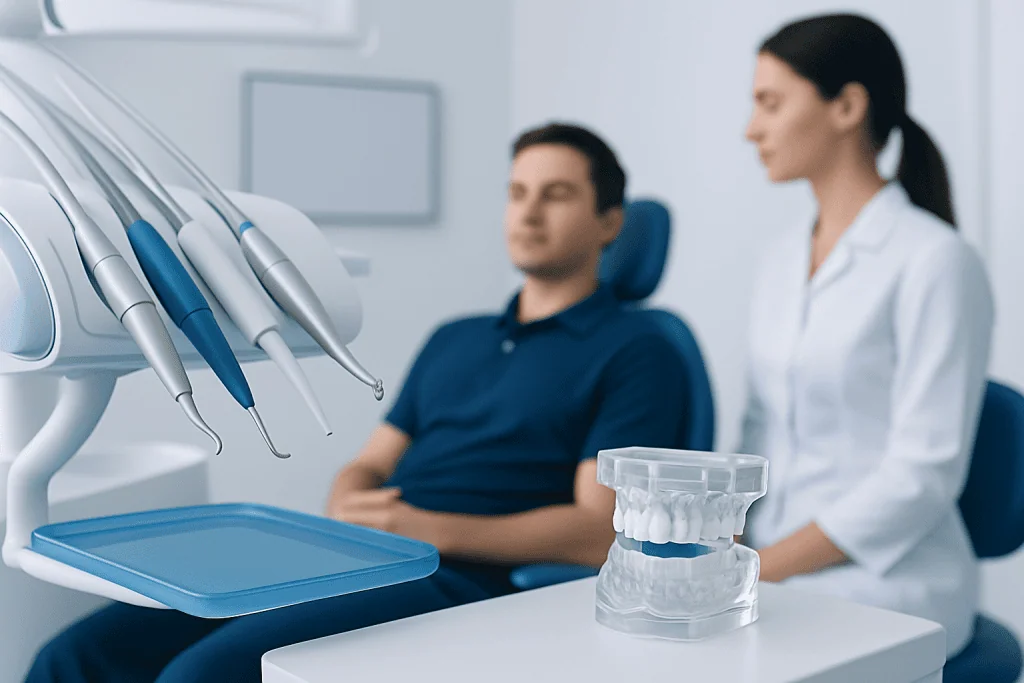
Retainers are broadly divided into removable and fixed types. Removable retainers can be taken out for eating, brushing, and cleaning. Fixed retainers are usually bonded to the back of the front teeth and stay in place continuously unless removed by a dentist or orthodontist.
Common removable retainers include clear plastic retainers and acrylic-and-wire designs. Clear retainers are discreet and fit closely over the teeth, while wire retainers may be more adjustable and sometimes more durable in certain situations. Each style has advantages and possible drawbacks related to comfort, speech, visibility, and maintenance.
Fixed retainers may be recommended when there is a higher risk of relapse, especially for the lower front teeth. Because they remain in place all the time, they do not rely on remembering to wear them. On the other hand, they can make flossing more challenging and need careful hygiene to reduce plaque buildup around the bonded area.
- Clear removable retainer: nearly invisible, easy to remove, may warp with heat
- Wire-and-acrylic retainer: durable, adjustable, more visible
- Fixed retainer: always on, useful for long-term stability, requires meticulous cleaning
When a Retainer Is Used

The most common reason for a retainer is to maintain tooth alignment after braces or clear aligners. After orthodontic movement, the gums, ligament, and bone around the teeth need time to reorganize. This period can last months and, for many people, some level of retention is needed long term to preserve results.
A dentist or orthodontist may also recommend a retainer in selected situations beyond standard post-braces care. For example, a person who has had small tooth movements corrected, spacing closed, or bite changes managed with aligners may still need retention. In some cases, a custom appliance may also help protect teeth if clenching or grinding is present, though that device may be better described as a night guard than a retainer.
Because treatment goals vary, wear schedules differ from person to person. Some patients are advised to wear a removable retainer full time for a period and then switch to nights only. Others may need longer or more consistent wear, especially if teeth have shown a tendency to shift in the past.
How Long to Wear a Retainer
There is no single wear schedule that fits everyone. Many people start by wearing a removable retainer for most of the day and night, taking it out only for meals and oral hygiene, then later transition to nighttime wear. The exact plan depends on age, bite pattern, the type of tooth movement achieved, and the orthodontist’s judgment.
Long-term retention is often important because teeth can shift throughout life, even years after treatment. This does not necessarily mean wearing a retainer constantly forever, but it does mean many patients benefit from regular nighttime use over the long term. A person who stops wearing a retainer for weeks or months may notice it no longer fits comfortably.
If a retainer feels tight after a lapse in use, it should not be forced into place. That can damage the appliance or place too much pressure on the teeth. Instead, the patient should contact a dental professional for advice. In some cases a replacement retainer or reassessment is needed, and more active treatment may be required if teeth have moved significantly. Patients who need further alignment may be evaluated alongside services such as orthodontic treatment.
Cleaning, Storage, and Daily Care
Good retainer care helps reduce odor, staining, plaque buildup, and breakage. Removable retainers should generally be cleaned regularly using lukewarm water and the cleaning method recommended by the treating dentist or orthodontist. Hot water should be avoided because it can distort some materials, especially clear plastic retainers.
Retainers should be stored in a protective case when not in use. Wrapping them in a tissue or napkin can lead to accidental loss, and leaving them within reach of pets may result in damage. They should also be kept away from heat sources such as car dashboards, radiators, or direct sun exposure.
Oral hygiene remains important with any retainer. Teeth should be brushed thoroughly, and people with fixed retainers may need floss threaders, interdental brushes, or other tools to clean around the wire. Routine dental checkups can identify early signs of plaque accumulation, gum irritation, or retainer wear before they become bigger problems. Maintaining overall oral health may also include evaluation in general dental care.
Common Problems and What They May Mean
A retainer may occasionally feel tight, loose, rough, or uncomfortable. Mild pressure can be normal when a removable retainer is first worn again after a short break, but pain, sharp edges, or persistent soreness are not expected. Cracks, warping, or changes in fit may mean the device is no longer working correctly.
Speech changes and extra saliva are common for a short time when starting a new retainer, especially with removable designs. These issues usually improve as the mouth adapts. If swallowing feels difficult, the appliance repeatedly falls out, or the wire or plastic causes rubbing, a professional adjustment may be needed.
Fixed retainers can loosen or partially detach. Sometimes the patient notices a wire edge with the tongue, food trapping, or movement of a front tooth. Prompt review is helpful because a loose bonded retainer may stop doing its job and can make cleaning more difficult. If gum bleeding, swelling, or signs of irritation develop, a dentist should check for inflammation, plaque retention, or fit-related issues. In some cases, symptoms overlap with gum disease.
Diagnosis, Follow-Up, and Treatment if a Retainer Stops Fitting
Assessment of a retainer problem usually begins with a dental or orthodontic examination. The clinician checks how the appliance fits, whether teeth have shifted, and whether the gums and supporting tissues are healthy. They may compare the current tooth position with previous records or impressions if these are available.
Treatment depends on the cause. A damaged removable retainer may need repair or replacement, while a fixed retainer may need rebonding or replacement if it has detached. If the teeth have moved only slightly, a new retention plan may be enough. More noticeable movement may require further corrective treatment before a new retainer can hold the result.
Imaging is not always necessary, but it can be used in selected cases to assess tooth position, roots, bone support, or related dental issues. If pain seems to come from another cause, the clinician may evaluate for cavities, bite problems, jaw strain, or teeth grinding. Some patients also need assessment for related concerns such as temporomandibular joint disorders.
When to Seek Medical Care
A retainer issue is usually not an emergency, but timely dental care is important if the appliance breaks, no longer fits, or causes pain. Review is also advisable if teeth appear to be shifting, a fixed wire has come loose, or there are sores, swelling, or ongoing gum bleeding. These problems are often easier to manage early.
Urgent assessment may be needed if there is facial swelling, severe tooth pain, trauma to the mouth, trouble swallowing, or signs of infection such as fever along with dental symptoms. A retainer should not be adjusted at home with tools, glue, or heat. Home fixes can worsen the fit and may injure the teeth or soft tissues.
Regular follow-up helps prevent minor issues from turning into larger ones. People who are unsure whether their appliance is still suitable should contact a qualified dentist or orthodontist. Near the end of the care journey, multidisciplinary specialists at Acibadem International’s JCI-accredited hospitals can evaluate retainer concerns and broader oral health needs for international patients.
Frequently asked questions
What does a retainer do?
A retainer helps keep teeth in the position achieved after orthodontic treatment. It supports the teeth while the surrounding gums and bone adapt, reducing the chance of unwanted shifting.
How long does someone need to wear a retainer?
The schedule varies, but many people need regular retainer wear for a long time to maintain alignment. Some start with full-time wear and later switch to nighttime use, based on professional advice.
Is a retainer the same as a night guard?
Not exactly. A retainer is mainly designed to hold teeth in position, while a night guard is usually designed to protect teeth from grinding or clenching. Some devices can look similar, so the intended use matters.
What should someone do if a retainer feels too tight?
A slightly snug feeling can happen if a removable retainer has not been worn for a short time. If it feels painful, very tight, or does not seat properly, it should not be forced into place and a dentist or orthodontist should be contacted.
How should a removable retainer be cleaned?
It should be cleaned using the method recommended by the dental professional, usually with gentle cleaning and lukewarm water. Hot water should be avoided because it may warp certain materials, especially clear retainers.
Can teeth move even years after braces?
Yes. Teeth can shift gradually over time because of natural changes in the mouth, bite forces, and aging. That is why long-term retention is commonly advised, even after successful orthodontic treatment.
References
- American Association of Orthodontists
- American Dental Association
- National Institute of Dental and Craniofacial Research
- NHS
- Mayo Clinic
This article is for general information only and is not a substitute for professional medical advice. Please consult a qualified doctor about your individual situation.
Explore treatments in Turkey — costs, top hospitals & a free quote
JCI-accredited · board-certified surgeons · reply within 24h
Add us as a Preferred Source to see more of our trusted health content across Google Search, AI Overviews and Discover.

More from the Health Library



Related Specialists

Dr. Aylin Tatlıadım
Gynecology & Obstetrics
Prof. Dr. İftahar Köksal
Infectious Diseases & Clinical Microbiology
Dr. Sinan Aksu
Orthopedic Surgery & Traumatology
Prof. Dr. Hayati Özkan
Cardiovascular Surgery