Retinitis Pigmentosa Treatment: How It Works, Results and What to Expect

Retinitis pigmentosa is a group of inherited retinal disorders that gradually affects night vision, peripheral vision and sometimes central vision. There is no universal cure in 2026, but approved gene therapy is available for a specific inherited form caused by eligible RPE65 variants.
Key Takeaways
- Retinitis pigmentosa is a group of inherited retinal disorders that gradually affects night vision, peripheral vision and sometimes central vision.
- There is no universal cure in 2026, but approved gene therapy is available for a specific inherited form caused by eligible RPE65 variants.
- Treatment may include management of cataracts, macular swelling and other complications, alongside low-vision rehabilitation.
- Genetic testing helps confirm the diagnosis, estimate inheritance patterns and identify possible treatment or clinical-trial eligibility.
- Vision loss usually progresses gradually, but the pace and final level of vision differ substantially by genetic type and individual.
- Regular retinal follow-up and urgent assessment of sudden visual changes are important.
Retinitis pigmentosa treatment does not yet restore vision for most people, but it can address treatable complications, support remaining sight and, for a small number of inherited forms, use gene-targeted therapy. Care is individualized after detailed retinal and genetic assessment because progression and treatment options vary widely between people.
Retinitis Pigmentosa Treatment: What It Can Do
Retinitis pigmentosa treatment focuses on protecting useful vision where possible, treating complications that further reduce sight and helping a person remain independent as vision changes. Retinitis pigmentosa (RP) is not one single disease: it is a group of inherited conditions in which light-sensitive cells in the retina, especially rod cells, gradually stop working.
For most forms of RP, there is not yet a treatment that reverses widespread retinal cell loss. However, modern care is more than observation. A retinal specialist may treat associated cataracts or swelling in the central retina, arrange low-vision support and recommend genetic counseling. For a small, genetically defined group of patients, gene therapy may be an option.
Care starts with identifying the particular pattern and likely cause of disease. This helps the care team give realistic expectations, discuss family planning where appropriate and look for therapies or research studies that may match the person’s genetic result.
How Retinitis Pigmentosa Affects Vision
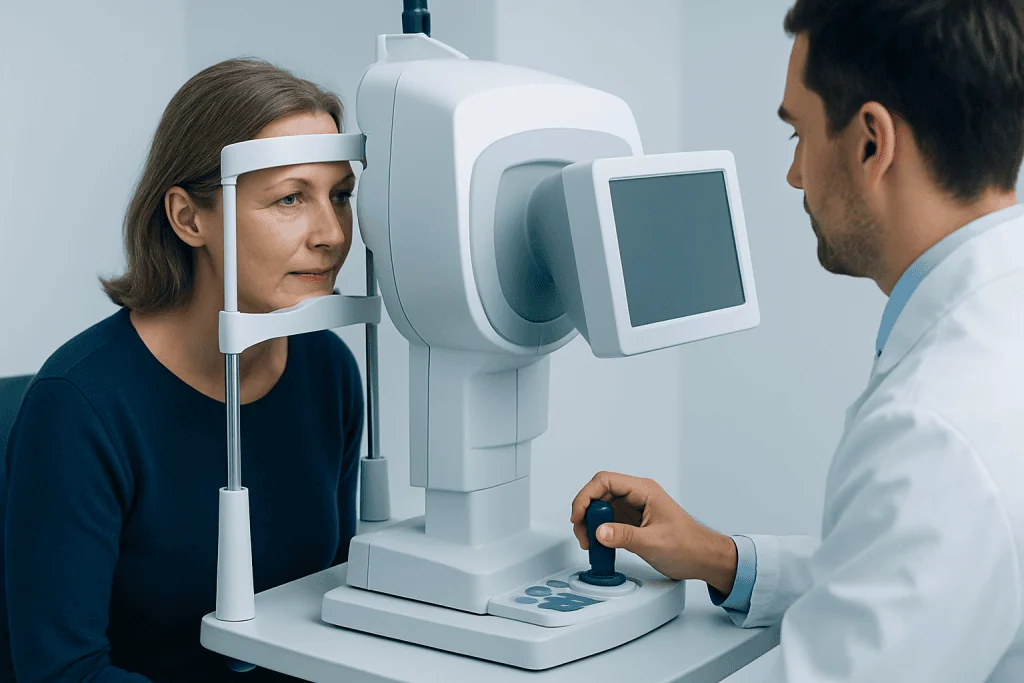
RP commonly begins with difficulty seeing in low light or taking longer to adjust when moving from bright to dim surroundings. Peripheral vision may narrow over time, sometimes described as tunnel vision. Some people also notice glare sensitivity, reduced contrast or problems with mobility in unfamiliar settings.
The condition can be inherited in several ways, including autosomal dominant, autosomal recessive and X-linked patterns. It may occur on its own or as part of a syndrome that affects other parts of the body. Because many genes can cause similar retinal changes, symptoms alone cannot establish the exact type.
The central part of vision may remain useful for many years in some people, while others develop central-vision changes earlier. A related but distinct inherited retinal condition, retinitis pigmentosa, should be assessed by an ophthalmologist with experience in retinal disease.
How Does Retinitis Pigmentosa Treatment Work?
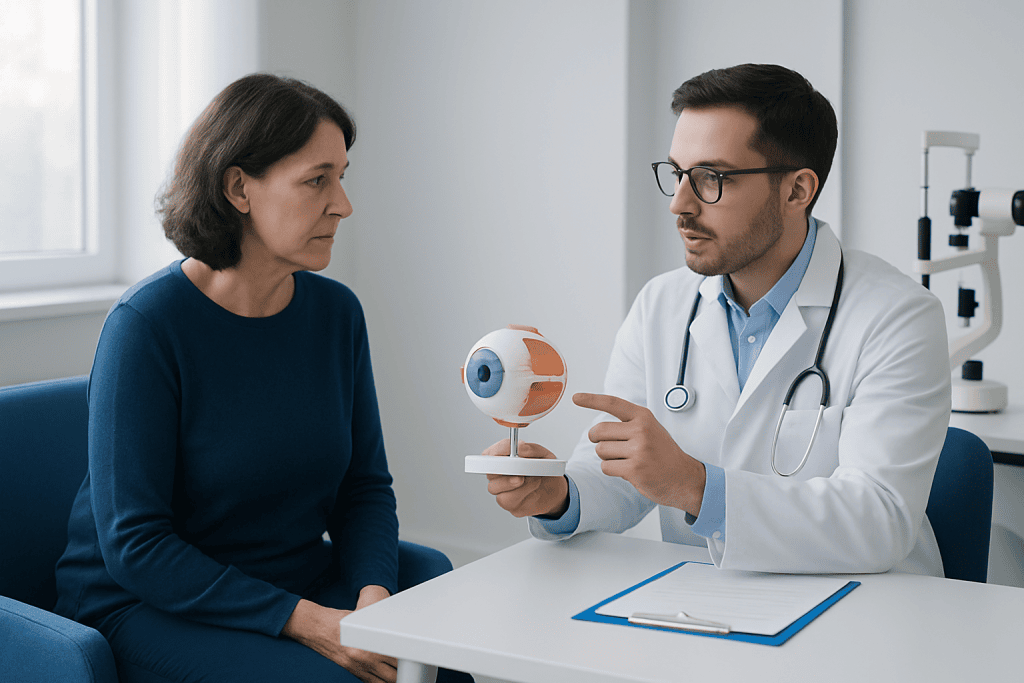
Treatment is selected according to the cause of vision loss at a particular stage. If a person has a cataract, cataract surgery may improve clarity when the retina still has usable function. If retinal swelling, called cystoid macular edema, is present, a retina specialist may consider medicines intended to reduce swelling. The response can vary, so monitoring is needed.
Gene therapy works differently from treatments for complications. It aims to provide a working copy of a specific gene to retinal cells. The currently approved retinal gene therapy in some countries is intended only for people with confirmed disease-causing variants in both copies of the RPE65 gene and sufficient surviving retinal cells. It is not a general treatment for all RP.
Low-vision rehabilitation is also an important part of treatment. It may include magnifiers, improved lighting, electronic reading aids, orientation and mobility training, workplace adaptations and advice on assistive technology. These measures do not change the genetic disease, but they can make daily activities safer and more manageable.
Research is ongoing into additional gene therapies, RNA-based treatments, retinal cell approaches, neuroprotective strategies and retinal prosthetic technologies. These approaches remain condition- and study-specific, and availability outside carefully regulated trials may be limited.
Who May Be a Candidate for Gene Therapy or Other Procedures?
Candidacy depends on the person’s diagnosis, retinal structure, level of remaining vision, general health and goals. A comprehensive retinal assessment commonly includes a dilated eye examination, visual-field testing, optical coherence tomography (OCT), retinal imaging and sometimes electroretinography, which measures retinal electrical responses.
Genetic testing is particularly valuable in inherited retinal disease. It can identify a disease-causing variant, clarify the inheritance pattern and determine whether an approved gene-specific treatment or a relevant research study could be suitable. Not every genetic result is definitive; genetic counseling can help explain uncertain findings.
For an eligible person, gene therapy is usually delivered by a retinal surgeon in an operating room. The surgeon performs a vitrectomy, removes the eye’s gel-like vitreous and places the treatment beneath the retina using a very fine instrument. One eye is generally treated at a time, with the second eye considered later if appropriate.
The clinician will also consider whether an eye has active inflammation, advanced retinal thinning, another condition affecting vision or surgical factors that may alter the expected benefit. Shared decision-making is essential because the aim is usually functional improvement or preservation of vision, not complete restoration of normal sight.
What Happens Before, During and After Treatment?
Before a procedure, the ophthalmology team reviews imaging, genetic results, medications and general health. Patients receive instructions about preparing for surgery, anesthesia and eye drops. They should ask about the purpose of treatment, realistic outcomes, alternatives and follow-up requirements.
During retinal surgery, the eye is numbed with local anesthesia, sedation or general anesthesia depending on the procedure and individual needs. For gene therapy, the treatment is carefully placed in the space beneath the retina. The exact steps and post-operative plan vary by treatment protocol and the surgeon’s assessment.
After surgery, temporary blurred vision, redness, discomfort or light sensitivity can occur. Eye drops may be prescribed to reduce inflammation and prevent infection, and follow-up appointments are used to check healing, eye pressure and retinal status. Recovery often occurs over weeks, although visual adaptation and assessment of benefit may continue over a longer period.
Potential surgical risks include infection, inflammation, raised eye pressure, cataract, retinal tear or detachment, bleeding and changes in vision. Gene therapy may also cause immune-related inflammation. These events are uncommon but important to discuss, and prompt review is needed if pain, worsening redness, flashes, a curtain-like shadow or sudden decline in vision occurs.
How Close Is a Cure for Retinitis Pigmentosa?
A universal cure for retinitis pigmentosa is not currently close because RP includes many different genetic diseases, each with its own biology and course. Replacing or correcting one gene will not treat all forms, and therapies must work safely in living retinal tissue that may already have lost many light-sensitive cells.
There is meaningful progress. Gene-targeted treatment has shown that inherited retinal disease can be treated in selected patients, and multiple research programs are investigating therapies for other genes and disease mechanisms. However, promising research should not be interpreted as a guaranteed or near-term cure for every person with RP.
The most helpful next step is a specialist retinal evaluation with genetic testing when appropriate. This provides a clearer answer about current treatment options and whether future trials may be relevant.
Is There a Cure for Retinitis Pigmentosa in 2026?
In 2026, there is no cure that works for all forms of retinitis pigmentosa or reliably restores retinal cells that have already been lost. There is an approved gene therapy for eligible patients with biallelic RPE65-related inherited retinal dystrophy in locations where it is available, but this represents only a small subset of inherited retinal disease.
For many people, treatment remains focused on monitoring, managing complications and optimizing functional vision. A confirmed genetic diagnosis is the best way to understand whether a disease-specific therapy may be available now or in the future.
How Quickly Does Retinitis Pigmentosa Progress?
Retinitis pigmentosa usually progresses gradually, often over years or decades, but there is no single timeline. The pace can differ according to the gene involved, inheritance pattern, age when symptoms begin, associated eye conditions and individual variation within the same family.
Night-vision difficulty and peripheral visual-field loss may appear first. Central vision can remain relatively preserved for a long time in some forms, while in others it becomes affected earlier. Regular visual-field and retinal imaging tests help clinicians track change more reliably than symptoms alone.
What Percentage of Retinitis Pigmentosa Patients Go Blind?
There is no single reliable percentage because studies use different definitions of blindness and include people with different genetic forms and stages of RP. Many people retain some central or functional vision for a substantial period, while others develop severe visual impairment. An individual prognosis should be based on retinal examinations, visual testing and genetic findings rather than a population estimate.
Low-vision services should be offered early, not only after severe vision loss. Learning strategies and using appropriate aids while vision remains can support education, work, travel and confidence in daily life.
Self-Care, Follow-Up and When to Seek Medical Care
People with RP benefit from regular follow-up with an ophthalmologist or retinal specialist. They should protect their eyes from injury, use appropriate lighting and discuss driving safety if night vision or visual fields are reduced. A balanced diet and general health care are sensible, but supplements should not be started as a substitute for specialist advice because their benefits and risks vary.
Family members may benefit from genetic counseling, particularly when planning a pregnancy or when they have visual symptoms. Emotional support, peer groups, occupational therapy and rehabilitation services can also be valuable because adapting to changing vision can affect wellbeing as well as practical routines.
Medical care should be sought promptly for sudden vision loss, a new curtain or shadow in vision, many new floaters, flashes of light, significant eye pain, marked redness or a rapid change in vision. These symptoms are not typical gradual progression and may signal a separate eye problem that requires urgent assessment.
Acibadem International’s multidisciplinary eye specialists and JCI-accredited hospitals can assess inherited retinal conditions and coordinate retinal imaging, genetic evaluation and supportive care for international patients.
Frequently asked questions
Can retinitis pigmentosa be treated?
Yes, treatment can address certain complications, such as cataracts or retinal swelling, and can provide low-vision support. A gene-targeted therapy may be suitable for a small group of patients with confirmed RPE65-related inherited retinal disease. The best approach depends on the genetic diagnosis and the amount of functioning retina.
Does gene therapy cure retinitis pigmentosa?
Gene therapy is not a universal cure for retinitis pigmentosa. The approved therapy for eligible RPE65-related disease is designed to improve retinal function or functional vision in selected patients, but it does not apply to most RP genes or restore all lost vision. A retina specialist and genetic counselor can explain individual eligibility.
Can vitamins stop retinitis pigmentosa from progressing?
No vitamin or supplement has been proven to stop progression in every form of retinitis pigmentosa. Some supplements may be inappropriate for particular genetic conditions or medical situations. A person should discuss any supplement with their retinal specialist before taking it.
How is retinitis pigmentosa diagnosed?
Diagnosis involves an eye examination and tests that assess the retina and vision, such as visual fields, OCT imaging, retinal photographs and sometimes electroretinography. Genetic testing is often recommended to identify the cause and guide counseling or treatment discussions. Hearing or other systemic assessments may be needed if a syndrome is suspected.
Will everyone with retinitis pigmentosa lose all vision?
No. Outcomes are highly variable, and many people retain useful central vision for years or longer. Some develop severe visual impairment, especially in certain genetic forms, but no individual outcome can be predicted from the diagnosis name alone. Ongoing testing provides the most useful information about a person’s course.
When should someone with retinitis pigmentosa see an eye doctor urgently?
Urgent assessment is needed for sudden vision loss, flashes, a curtain-like shadow, a sudden increase in floaters, eye pain or marked redness. These symptoms can indicate another urgent eye condition rather than routine RP progression. Regular planned appointments remain important even when symptoms are stable.
References
- American Academy of Ophthalmology
- National Eye Institute
- Foundation Fighting Blindness
- Orphanet
- European Society of Retina Specialists
This article is for general information only and is not a substitute for professional medical advice. Please consult a qualified doctor about your individual situation.
Explore treatments in Turkey — costs, top hospitals & a free quote
JCI-accredited · board-certified surgeons · reply within 24h
Add us as a Preferred Source to see more of our trusted health content across Google Search, AI Overviews and Discover.