Revision Orthopedic Surgery: Why a Second Operation May Be Needed

Revision orthopedic surgery is not routine, but it may be necessary if a prior operation fails or complications develop. Common reasons include implant loosening, infection, wear, instability, fracture around an implant, and ongoing pain or limited movement.
Key Takeaways
- Revision orthopedic surgery is not routine, but it may be necessary if a prior operation fails or complications develop.
- Common reasons include implant loosening, infection, wear, instability, fracture around an implant, and ongoing pain or limited movement.
- Diagnosis usually involves a careful physical exam, imaging, and sometimes blood tests or joint fluid analysis.
- Revision procedures are often more complex than first-time surgeries and require individualized planning.
- Recovery depends on the joint involved, the reason for revision, and overall health, but rehabilitation is usually an important part of treatment.
Revision orthopedic surgery is a follow-up operation performed when an earlier bone, joint, or implant procedure no longer works as intended. It can help address pain, implant wear, infection, instability, stiffness, or other complications while aiming to restore comfort and function.
Overview of Revision Orthopedic Surgery
Revision orthopedic surgery is a second operation done to correct, replace, or improve the results of an earlier orthopedic procedure. It may involve joints such as the hip, knee, or shoulder, or other bones and hardware used to stabilize fractures and deformities. The goal is to address a problem that has developed over time or to treat a complication that prevents the original surgery from working properly.
This type of surgery is different from a planned staged procedure. In revision surgery, the surgeon returns to an area that has already been operated on because symptoms, mechanical problems, or healing issues have appeared. In some cases, only part of an implant needs to be changed. In others, the full implant or fixation system must be removed and replaced.
Revision procedures can be more technically demanding than first-time operations. Scar tissue, bone loss, weakened soft tissues, or changes in alignment may make surgery more complex. Because of this, evaluation and planning are especially important, and patients often benefit from care by orthopedic surgeons with experience in complex reconstruction and orthopedic care.
Why a Second Operation May Be Needed
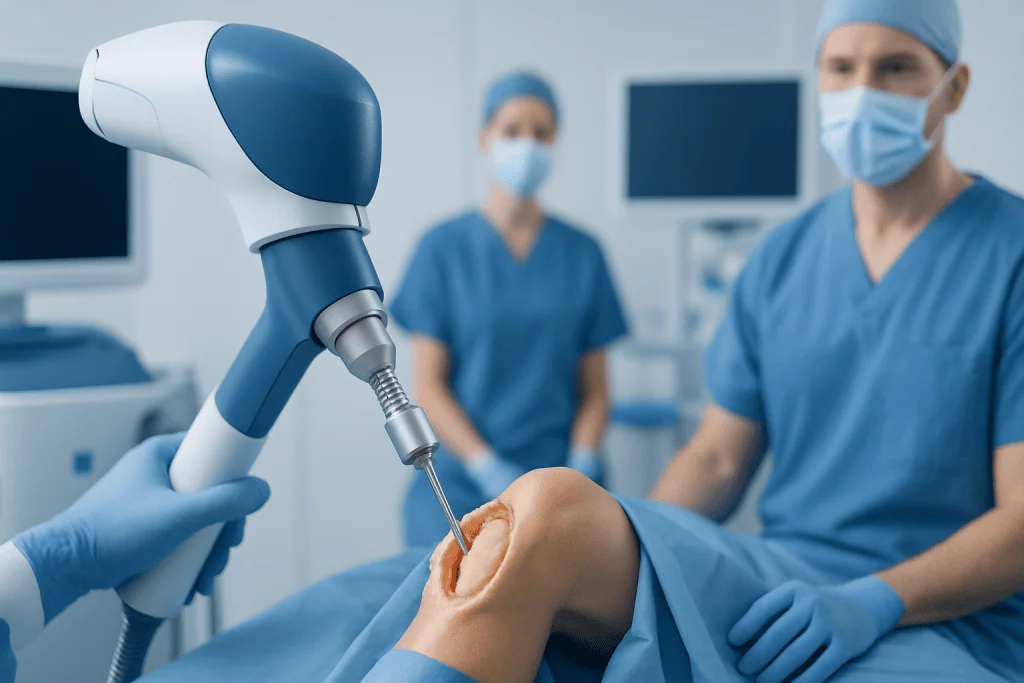
There are several reasons why a previous orthopedic surgery may need to be revised. One of the most common is wear and loosening of an implant over time. Artificial joints and fixation devices are designed to be durable, but they can be affected by long-term stress, the body’s response to implant particles, or gradual changes in surrounding bone.
Infection is another important reason for revision surgery. An infection may develop soon after the original procedure or much later. It can affect the soft tissues, bone, or the implant itself. In some cases, the implant must be removed, the infection treated, and a new implant placed later or during the same treatment plan.
Revision may also be needed if the joint becomes unstable, dislocates, remains stiff, or continues to be painful despite appropriate healing time. A fracture around an implant, poor alignment, nonunion after fracture surgery, or nerve and tendon-related problems can also lead to a second operation. Sometimes a person develops a condition related to the original problem, such as progressive osteoarthritis, that changes how the joint functions over time.
- Implant loosening or wear
- Infection
- Instability or dislocation
- Persistent pain or loss of function
- Stiffness or limited range of motion
- Fracture around an implant
- Bone loss or poor healing
- Mechanical failure or malalignment
Symptoms That Can Suggest Revision Is Needed

The signs that a revision may be necessary can vary depending on the body part involved and the type of prior surgery. Pain that returns after a period of improvement is a common warning sign. Pain that gets worse with walking, standing, climbing stairs, or joint movement may indicate loosening, wear, instability, or another structural problem.
Some people notice swelling, warmth, redness, or drainage from a previous surgical site. These symptoms can suggest infection, especially when they are accompanied by fever or a general feeling of illness. However, not every painful or swollen joint is infected, so a medical assessment is needed to identify the cause accurately.
Other possible symptoms include a sensation that the joint is giving way, clicking or shifting, decreased range of motion, stiffness, leg length changes, deformity, or trouble bearing weight. After fracture fixation surgery, revision may be considered if the bone does not heal correctly or the hardware becomes painful or unstable. Persistent symptoms after treatment for fractures should be reviewed by an orthopedic specialist.
Causes, Risk Factors, and Who May Need It
Revision surgery can be related to both surgical and patient-specific factors. Over time, normal use can contribute to wear of artificial joint surfaces or stress on implanted hardware. In other situations, trauma such as a fall or accident may damage a previously repaired area. Younger, more active patients may place greater long-term demands on implants, while older adults may be more vulnerable to bone loss or fractures around them.
Certain medical conditions can also increase the risk of complications that lead to revision. These include osteoporosis, diabetes, inflammatory arthritis, poor circulation, obesity, smoking, and immune system problems. Previous infection, multiple prior surgeries, or complex anatomy may also raise the chance that a first operation will eventually need further treatment.
Not everyone with discomfort after surgery needs another operation. Some symptoms improve with physical therapy, medication, activity changes, or close monitoring. Revision is usually considered when there is a clear mechanical, infectious, or structural reason for the problem and when the expected benefits of treatment outweigh the risks.
How Doctors Diagnose the Problem
Diagnosis begins with a detailed medical history and physical examination. The orthopedic surgeon will ask when symptoms started, whether the joint ever felt well after the first surgery, and whether there has been any injury, fever, wound problem, or decline in mobility. Understanding the timeline helps distinguish between expected postoperative recovery and a new complication.
Imaging studies are often essential. Standard X-rays can show implant position, loosening, fractures, alignment issues, or changes in the surrounding bone. Depending on the case, the doctor may also request CT, MRI with metal-artifact reduction techniques, ultrasound, or nuclear medicine scans. These tests help define the exact source of the problem and guide treatment planning.
Blood tests may be used when infection is suspected, and some patients need aspiration of joint fluid for laboratory analysis. If a prior fracture repair is involved, tests may assess whether the bone has healed properly. In selected cases, advanced planning is done for robotic orthopedic surgery or computer-assisted techniques, especially when alignment and precision are major concerns.
Treatment Options and What Revision Surgery Involves
Treatment depends on the cause of failure, the body area involved, symptoms, bone quality, and overall health. Some patients can be managed without surgery through pain control, physical therapy, bracing, activity modification, or treatment of underlying medical issues. When the problem is severe or progressive, revision surgery may offer the best chance to restore stability, reduce pain, and improve daily function.
The operation itself can range from a limited exchange of a worn component to a full reconstruction. In joint replacement revision, the surgeon may remove old parts, clean damaged tissue, rebuild bone loss, and place new implants designed for more complex support. If infection is present, treatment may require staged surgery, antibiotic therapy, and careful monitoring. For selected patients, revision may involve procedures related to knee replacement, hip replacement, or other reconstructive orthopedic operations.
Because revision procedures are more complex, they may take longer than primary surgery and require special implants, bone grafting, or additional fixation. The surgeon will discuss expected benefits, possible risks, and realistic goals. Improvement is common, but outcomes may not always match those of a first-time surgery, especially when there is major bone loss, infection, or multiple previous operations.
Recovery, Rehabilitation, and Self-Care
Recovery after revision orthopedic surgery varies widely. It depends on which joint or bone is treated, why the revision was needed, and whether there are issues such as infection, bone grafting, or soft-tissue reconstruction. Some people begin moving the joint soon after surgery, while others need temporary weight-bearing restrictions or braces to protect the repair.
Rehabilitation is often a central part of recovery. Physical therapy may focus on restoring movement, rebuilding strength, improving balance, and helping the patient return to daily activities safely. Pain control, wound care, prevention of blood clots, and management of other medical conditions are also important parts of postoperative care. Following instructions closely can support healing and reduce the risk of further complications.
At home, it helps to keep follow-up appointments, report any new swelling or drainage, take medicines only as prescribed, and maintain a safe environment to lower fall risk. Good nutrition, smoking cessation, and managing chronic conditions such as diabetes can aid recovery. Near the end of the care pathway, some international patients choose experienced centers such as Acibadem International, where multidisciplinary specialists in JCI-accredited hospitals evaluate and treat complex revision orthopedic cases.
When to See a Doctor
A person should contact a doctor if pain after orthopedic surgery is getting worse instead of steadily improving, especially if the pain affects walking, sleeping, or routine activities. New instability, repeated dislocation, increasing stiffness, or a noticeable change in joint alignment also deserves medical review.
Urgent assessment is important for signs that may suggest infection or acute implant problems. These include redness, warmth, drainage from the wound, fever, sudden swelling, severe pain, inability to bear weight, or a new deformity after a fall or injury. Prompt care can help protect the joint, the surrounding bone, and overall health.
Even when symptoms seem mild, persistent concerns should not be ignored. Early evaluation can identify problems before they become more difficult to treat. A qualified orthopedic specialist can determine whether observation, rehabilitation, medication, or revision surgery is the most appropriate next step.
Frequently asked questions
What is revision orthopedic surgery?
Revision orthopedic surgery is a second operation performed to correct a problem related to an earlier orthopedic procedure. It may involve adjusting, repairing, or replacing implants, hardware, or surrounding bone and soft tissue.
Is revision surgery more difficult than the first orthopedic operation?
It often is. Revision procedures may involve scar tissue, bone loss, weakened tissues, or infection, which can make planning and surgery more complex than a first-time operation.
How do doctors know whether an implant has failed or loosened?
Doctors use a combination of symptoms, physical examination, and imaging such as X-rays or CT scans. If infection is possible, blood tests and joint fluid analysis may also be needed.
Can revision surgery treat infection after joint replacement or fracture repair?
Yes, revision surgery can be part of treatment when infection affects an implant or hardware. The exact approach depends on the severity and timing of the infection and may involve removing the implant, cleaning the area, antibiotics, and later reconstruction.
How long does recovery take after revision orthopedic surgery?
Recovery time varies widely depending on the reason for revision, the joint involved, and the patient's overall health. Many people need a structured rehabilitation program, and healing may take longer than after the first surgery.
Does ongoing pain after orthopedic surgery always mean a second operation is needed?
No. Pain after surgery can have several causes, and some improve with time, physical therapy, medication, or lifestyle changes. A doctor can assess whether the pain is part of normal recovery or a sign of a complication.
References
- American Academy of Orthopaedic Surgeons
- National Institute for Health and Care Excellence
- OrthoInfo
- Centers for Disease Control and Prevention
- World Health Organization
This article is for general information only and is not a substitute for professional medical advice. Please consult a qualified doctor about your individual situation.
Joint and spine care in Turkey — expert assessment & treatment
JCI-accredited · board-certified surgeons · reply within 24h
Add us as a Preferred Source to see more of our trusted health content across Google Search, AI Overviews and Discover.

Orthopedics & Spine
Care for bones, joints and the musculoskeletal system, including joint replacement, sports injuries and trauma.
125 specialists in this unit