Rh Negative Blood: A Complete Medical Overview

Rh negative blood is a normal blood type variation, not a disease. It is most important in pregnancy and blood transfusion safety.
Key Takeaways
- Rh negative blood is a normal blood type variation, not a disease.
- It is most important in pregnancy and blood transfusion safety.
- Problems can occur if an Rh-negative person is exposed to Rh-positive blood and develops antibodies.
- Routine blood typing and antibody screening help prevent complications.
- Rh immune globulin can greatly reduce the risk of Rh sensitization in pregnancy.
Rh negative blood means a person’s red blood cells do not carry the Rh factor, a protein most people have. It usually does not affect everyday health, but it becomes medically important during pregnancy, blood transfusions, and when checking for Rh-related antibodies.
Overview: What Rh Negative Blood Means
Rh negative blood means a person’s red blood cells do not have the Rh factor, also called the D antigen, on their surface. In everyday life, this usually causes no symptoms and does not mean a person is unhealthy. The term simply describes one part of blood type, alongside the ABO groups such as A, B, AB, and O.
People are either Rh positive or Rh negative depending on whether this protein is present. For example, someone may have A negative, O negative, or AB negative blood. Rh status is inherited from parents, and it remains the same throughout life.
The main reason Rh negative blood matters is that the immune system can react if an Rh-negative person is exposed to Rh-positive red blood cells. This can happen through pregnancy or blood transfusion. In those situations, the body may produce antibodies that can affect future pregnancies or make transfusions more complicated.
Because of this, Rh status is a routine part of blood testing. It is checked during pregnancy, before many procedures, and whenever blood transfusion planning is needed. If broader blood-related concerns are being evaluated, doctors may also assess conditions such as anemia as part of the overall picture.
How the Rh Factor Affects the Body
The Rh factor itself does not usually change how a person feels or functions. A person with Rh negative blood can live a normal, healthy life without treatment. The concern is not the blood type itself, but the immune response that may happen after exposure to Rh-positive blood.
If an Rh-negative person is exposed to Rh-positive red blood cells, the immune system may identify those cells as foreign and create antibodies against them. This process is called sensitization or alloimmunization. Once antibodies form, they can stay in the body and react during later exposures.
In pregnancy, this matters when an Rh-negative pregnant woman carries an Rh-positive baby. Small amounts of fetal blood can mix with the mother’s blood during pregnancy, delivery, miscarriage, trauma, or certain procedures. If sensitization occurs, maternal antibodies may cross the placenta in a future pregnancy and attack fetal red blood cells, a condition known as hemolytic disease of the fetus and newborn.
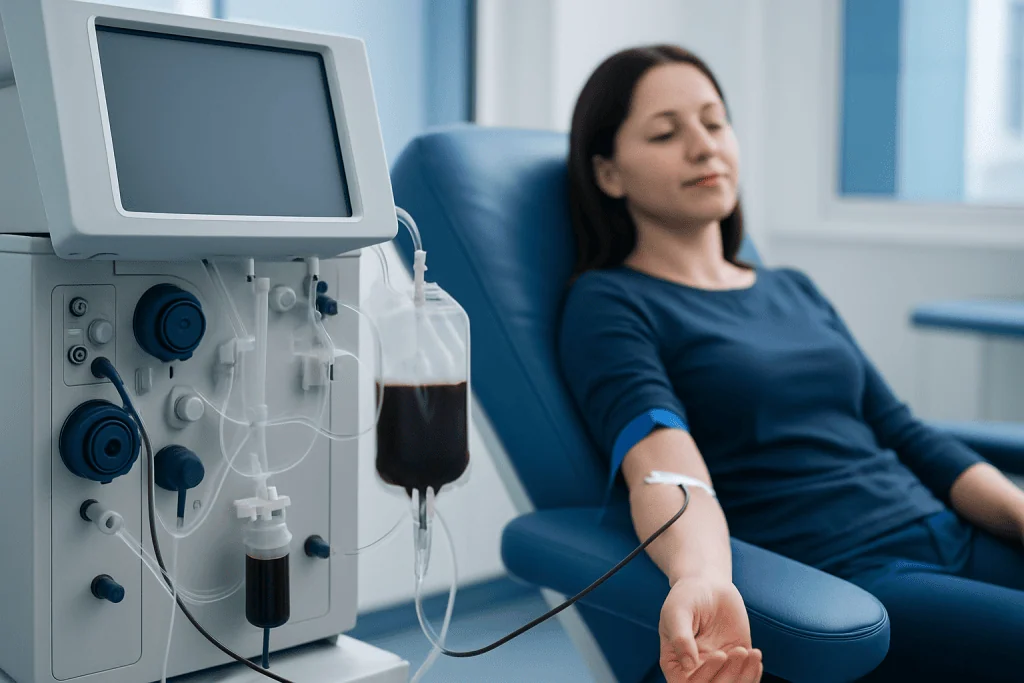
In transfusions, receiving the correct blood type helps avoid these immune reactions. Careful blood matching and crossmatching greatly reduce this risk. This is why hospitals place strong emphasis on blood transfusion safety, blood typing, and compatibility testing before blood is given.
When Rh Negative Blood Becomes Medically Important

Rh negative blood becomes medically important in three main situations: pregnancy, blood transfusion, and antibody testing after a known or suspected exposure. Most people first learn their Rh status during routine prenatal care or after donating blood.
During pregnancy, Rh testing is standard because it can guide prevention. An Rh-negative pregnant woman may need additional monitoring and preventive treatment if the baby could be Rh positive. This is especially important if she has had a previous pregnancy, miscarriage, abortion, ectopic pregnancy, abdominal injury, or invasive prenatal testing.
For transfusions, blood banks match both ABO and Rh type to lower the chance of complications. O negative blood is often discussed because it can be used in emergencies for many patients, but each transfusion decision is based on the person’s medical situation and available matched blood.
Rh negative status may also be relevant in urgent care after bleeding in pregnancy or after trauma. In these settings, doctors may recommend testing and timely treatment to help prevent sensitization. Evaluation may include laboratory work and, when needed, check-up planning to review blood type history and next steps.
Symptoms and Possible Complications
Rh negative blood itself does not cause symptoms. A person will not feel different because of being Rh negative, and many people only learn their status after a routine blood test. However, complications can arise if Rh antibodies develop.
In an Rh-negative pregnant woman who has become sensitized, there may be no obvious symptoms in the mother. The concern is the effect on the fetus or newborn. Depending on severity, the baby may develop anemia, jaundice, swelling from fluid buildup, or other signs of hemolytic disease before or after birth.
After a mismatched blood transfusion, symptoms can appear more quickly and may include fever, chills, back pain, dark urine, shortness of breath, or feeling unwell. These reactions require urgent medical attention. Modern blood banking practices make serious reactions uncommon, but prompt evaluation is still essential if symptoms appear after transfusion.
Doctors also keep in mind that jaundice or low red blood cell counts in newborns can have more than one cause. If a baby shows these signs, the medical team may assess Rh-related hemolysis along with other blood conditions, including thalassemia, depending on the clinical picture and family background.
Diagnosis and Monitoring
Diagnosis starts with a blood type test that identifies both ABO group and Rh status. This test is simple and commonly performed during pregnancy, before surgery, before transfusion, and in emergency care. If the person is Rh negative, doctors may take additional steps depending on the reason for testing.
In pregnancy, an antibody screen is an important next step. It checks whether the mother has already formed antibodies against Rh-positive blood cells. If the screen is negative, preventive treatment can help keep it that way. If the screen is positive, doctors may monitor the pregnancy more closely to look for effects on the fetus.
Further testing may include the baby’s blood type after birth, direct antiglobulin testing on the newborn, and blood counts or bilirubin measurements if hemolysis is suspected. In some pregnancies, ultrasound-based monitoring can help assess fetal well-being when maternal antibodies are present.
In transfusion medicine, laboratories use type and screen testing, crossmatching, and compatibility checks to choose suitable blood products. If there is any history of antibodies, this information is carefully documented because it can affect future transfusion planning.
Treatment Options and Pregnancy Prevention
Treatment depends on whether the goal is prevention or management of an established problem. The most important preventive treatment for many Rh-negative pregnant women is Rh immune globulin, often called anti-D immunoglobulin. This medication helps prevent the immune system from forming antibodies after exposure to Rh-positive fetal blood cells.
Rh immune globulin is commonly given during pregnancy at a routine time and again after delivery if the baby is Rh positive. It may also be recommended after miscarriage, abortion, ectopic pregnancy, abdominal trauma, bleeding, or certain procedures such as amniocentesis. Timing matters, so medical advice should be sought promptly after these events.
If sensitization has already occurred, Rh immune globulin will not remove existing antibodies. In that situation, the focus shifts to monitoring the pregnancy and managing fetal or newborn complications if they develop. Care may involve specialists in obstetrics, maternal-fetal medicine, neonatology, and sometimes pediatric hematology.
Treatment for an affected newborn may include close observation, phototherapy for jaundice, or blood-related support in more serious cases. If severe anemia develops, doctors may consider specialized transfusion-based care such as exchange transfusion or other hospital treatments appropriate to the infant’s condition.
Self-Care, Practical Tips, and When to Seek Medical Care
For most people, no daily self-care is needed simply because they have Rh negative blood. Still, it is helpful to know and keep a record of blood type, especially during pregnancy or before planned procedures. Sharing this information with healthcare professionals can support faster, safer care.
Pregnant patients should attend routine prenatal visits and have recommended blood tests on time. They should tell their doctor about any previous pregnancies, miscarriages, abortions, ectopic pregnancy, transfusions, or known antibodies. After any bleeding, abdominal injury, or pregnancy-related procedure, prompt contact with a clinician is important because preventive treatment may be time-sensitive.
People should seek medical care urgently after a transfusion if they develop fever, chills, shortness of breath, chest or back pain, dizziness, or dark urine. During pregnancy, medical advice is also warranted for vaginal bleeding, significant abdominal trauma, reduced fetal movement, or concerns about a previous Rh-related complication. These symptoms do not always mean an Rh problem, but they deserve timely assessment.
Near the end of a pregnancy journey or when complex blood compatibility issues arise, coordinated specialist care can be helpful. Acibadem International’s multidisciplinary specialists in JCI-accredited hospitals diagnose and treat Rh-related pregnancy and transfusion concerns for international patients, including services connected with pregnancy follow-up when appropriate.
Frequently asked questions
Is rh negative blood rare?
Rh negative blood is less common than Rh positive blood, but it is still a normal and well-recognized blood type. Its frequency varies by ancestry and population. Being Rh negative is not an illness.
Does rh negative blood cause health problems by itself?
No. Rh negative blood usually does not cause symptoms or daily health problems on its own. It mainly matters in pregnancy and blood transfusions, where compatibility and antibody formation are important.
Why is rh negative blood important in pregnancy?
If an Rh-negative mother carries an Rh-positive baby, her immune system may form antibodies after exposure to fetal blood. Those antibodies can affect a future pregnancy by attacking the baby’s red blood cells. Preventive treatment with Rh immune globulin can greatly lower this risk in many cases.
Can an rh-negative person receive rh-positive blood?
In general, doctors try to avoid giving Rh-positive blood to an Rh-negative person because it can lead to sensitization and future complications. Blood banks carefully match blood types to reduce risk. In emergencies, transfusion decisions are made based on immediate medical need and specialist judgment.
What is Rh immune globulin?
Rh immune globulin is a preventive medication used for many Rh-negative pregnant women who have not already formed Rh antibodies. It helps stop the immune system from becoming sensitized after exposure to Rh-positive fetal blood cells. It does not remove antibodies that are already present.
How do doctors know if someone has developed Rh antibodies?
Doctors use a blood test called an antibody screen. This test is commonly done during pregnancy and before transfusion. If antibodies are found, the care team may recommend closer monitoring and specific compatibility planning.
References
- American College of Obstetricians and Gynecologists
- Centers for Disease Control and Prevention
- National Heart, Lung, and Blood Institute
- NHS
- World Health Organization
This article is for general information only and is not a substitute for professional medical advice. Please consult a qualified doctor about your individual situation.
Explore treatments in Turkey — costs, top hospitals & a free quote
JCI-accredited · board-certified surgeons · reply within 24h
Add us as a Preferred Source to see more of our trusted health content across Google Search, AI Overviews and Discover.

More from the Health Library



Related Specialists

Dr. Yester Hançeroğlu
Occupational Medicine
Dr. Cem Burak Kalaycı
Radiology
Prof. Dr. Ayça Özbal Koç
Otorhinolaryngology
Assoc. Prof. Dr. Berkin Toker
Orthopedic Surgery & Traumatology