Rhabdomyosarcoma Treatment: How It Works, Results and What to Expect
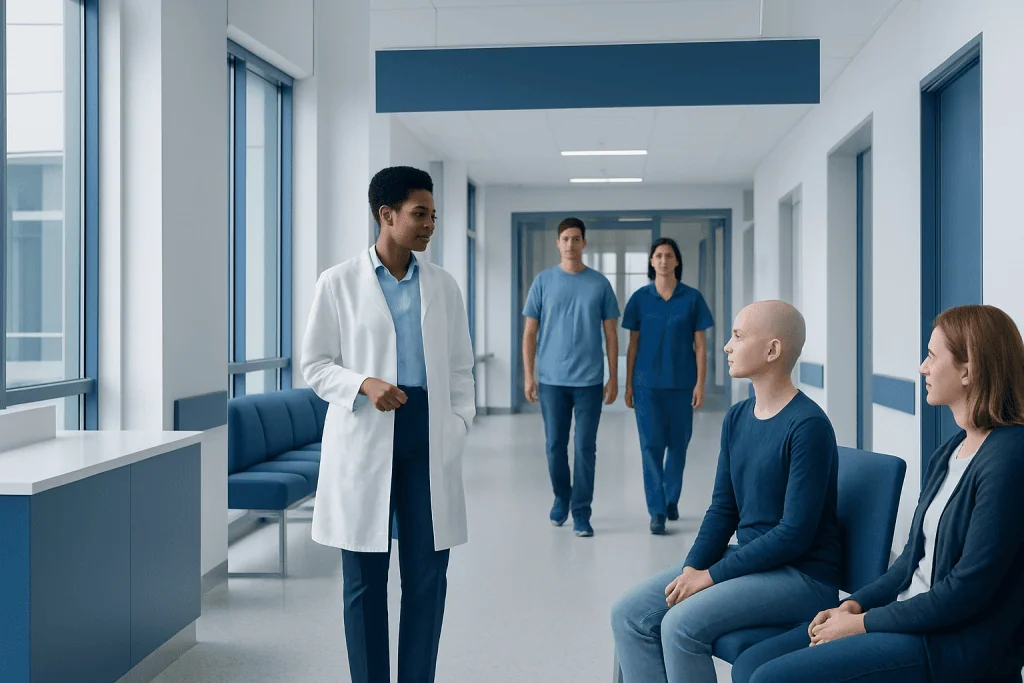
Chemotherapy is a central part of rhabdomyosarcoma treatment because microscopic cancer cells may be present beyond the visible tumor. Surgery aims to remove the tumor when this can be done safely without causing unacceptable loss of function.
Key Takeaways
- Chemotherapy is a central part of rhabdomyosarcoma treatment because microscopic cancer cells may be present beyond the visible tumor.
- Surgery aims to remove the tumor when this can be done safely without causing unacceptable loss of function.
- Radiation therapy may help control cancer that cannot be fully removed surgically or has a higher risk of returning.
- Outlook varies widely; localized disease generally has a more favorable outlook than cancer that has spread to distant sites.
- Follow-up care is important for monitoring response, detecting recurrence and managing possible late effects of treatment.
Rhabdomyosarcoma treatment is individualized and commonly uses chemotherapy, surgery and radiation therapy in a planned combination. Care is coordinated by a multidisciplinary cancer team and depends on the tumor type, location, stage, age and overall health of the person.
Overview: How Rhabdomyosarcoma Treatment Works
Rhabdomyosarcoma treatment usually combines chemotherapy with local treatment, such as surgery, radiation therapy or both. This approach is used because rhabdomyosarcoma can spread through the body early, even when scans show only one tumor. The treatment plan is designed to treat the visible tumor and any cancer cells that may be too small to detect.
Rhabdomyosarcoma is a rare cancer that develops from cells that normally form skeletal muscle. It occurs most often in children and adolescents, but it can also affect adults. Treatment is best planned by a multidisciplinary team that may include pediatric or medical oncologists, surgeons, radiation oncologists, radiologists, pathologists, rehabilitation professionals and supportive-care specialists.
The order and combination of treatments depend on where the tumor began, whether it has spread, its size, the subtype seen under the microscope and molecular test results. Teams also consider whether surgery can preserve important functions, such as vision, swallowing, bladder control, fertility or limb movement.
Who May Be a Candidate for Each Treatment Approach?
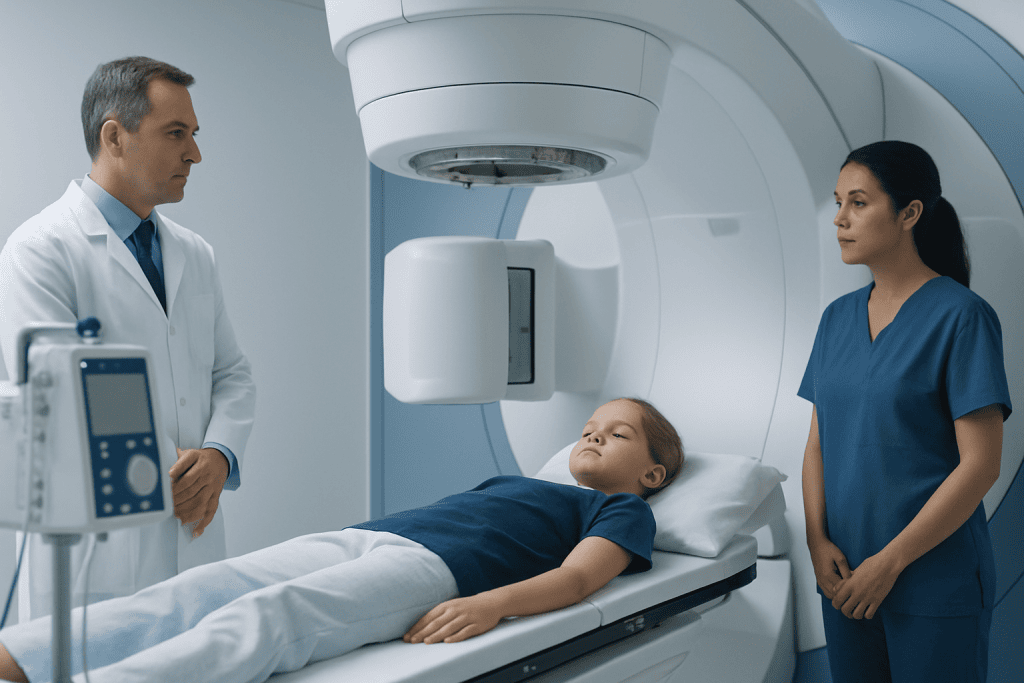
Nearly everyone diagnosed with rhabdomyosarcoma needs prompt assessment by an experienced sarcoma or pediatric oncology team. Chemotherapy is commonly recommended for both localized and metastatic disease. It may be given before surgery or radiation to shrink the tumor, after local treatment to address remaining microscopic cells, or throughout a planned treatment course.
Surgery may be appropriate when the entire tumor can be removed with a margin of healthy tissue while preserving function as much as possible. In some locations, immediate surgery could cause unnecessary harm or may not be able to remove all cancer. In those cases, chemotherapy and radiation may be used first, with surgery considered later if it is safe and helpful.
Radiation therapy is often considered when a tumor cannot be completely removed, when surgical removal would significantly affect function or appearance, or when there are features associated with a greater risk of local recurrence. Age, tumor site and nearby developing tissues are important in radiation planning, particularly for younger children.
- Initial testing helps determine the stage, risk group and likely treatment intensity.
- Fertility preservation, nutritional support and rehabilitation may be discussed before treatment begins.
- Clinical trials may be an option for some people, especially when disease is high risk or has returned after treatment.
Step by Step: Diagnosis, Planning and Treatment

The first essential step is a biopsy, in which a small tumor sample is examined by a specialist pathologist. The sample confirms the diagnosis and can identify the rhabdomyosarcoma subtype. Molecular testing may look for genetic changes within the tumor that help classify risk and guide discussions about treatment.
Imaging tests are then used to define the tumor’s location and evaluate whether it has spread. These may include magnetic resonance imaging, computed tomography, positron emission tomography and bone marrow testing in selected situations. The oncology team uses these results to assign a stage and clinical risk group, rather than relying on one test alone.
Many treatment plans begin with chemotherapy delivered in cycles over several months. Medicines may be given through a vein, often using a central venous catheter or port to make repeated treatment safer and more comfortable. Blood tests and clinical reviews are carried out regularly to monitor blood counts, kidney and liver function, nutrition and treatment response.
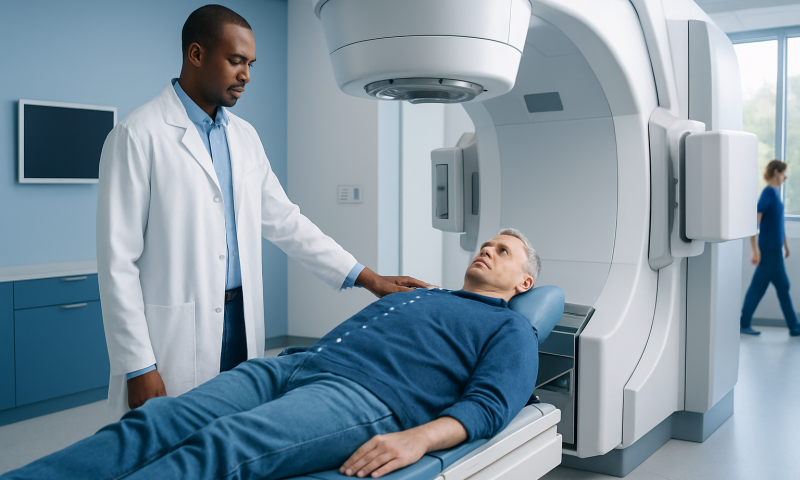
Local treatment is scheduled at the time most likely to give effective control with the least long-term impact. Surgery may involve complete tumor removal, a delayed operation after chemotherapy, or a limited procedure to confirm response. Radiation is carefully planned with imaging and immobilization techniques so that the treatment area receives the intended dose while nearby healthy tissue is protected as much as possible.
Benefits, Risks and Possible Side Effects
The main benefit of combined rhabdomyosarcoma treatment is improved control of the primary tumor and reduced risk that cancer cells elsewhere in the body will grow. For some people, treatment can result in long-term remission. Even when cure is not possible, systemic treatment and local therapies may slow cancer growth, relieve symptoms and support quality of life.
Side effects depend on the medicines, radiation field, surgery and duration of care. Chemotherapy can cause tiredness, nausea, vomiting, mouth sores, hair loss, infection risk from low blood counts, bruising or bleeding, and changes in appetite. Cancer teams use supportive medicines, blood monitoring and infection precautions to reduce and manage these effects.
Surgery can cause pain, bleeding, infection, scarring or changes in function that vary by the tumor site. Radiation can lead to temporary skin irritation and fatigue, while possible long-term effects may include changes in growth, tissue stiffness, organ function, fertility or a small risk of another cancer later in life. The individual risk should be discussed with the treating team because modern planning aims to limit exposure to healthy tissue.
Children and adults may also benefit from physiotherapy, occupational therapy, speech and swallowing support, psychological care, social work and school or work planning. These services are part of comprehensive cancer care, not an afterthought.
Recovery Timeline and Follow-Up Care
Recovery is gradual and differs substantially between individuals. Chemotherapy treatment often continues for many months, with rest periods between cycles. Energy levels, appetite and blood counts may fluctuate during this time, and people may need to avoid exposure to infections when their immune defenses are low.
Recovery after surgery depends on the operation and tumor location. Some people leave hospital within days after a smaller procedure, while complex operations may require a longer admission and structured rehabilitation. Radiation is generally delivered on weekdays over several weeks; side effects often build gradually and can continue for a short period after treatment ends.
After active treatment, follow-up appointments include physical examinations and imaging at intervals determined by the cancer team. Visits monitor for recurrence, evaluate healing and identify late effects early. Long-term survivorship care is especially important after childhood cancer, as some effects can emerge years after treatment.
Families and patients should keep an updated treatment summary listing chemotherapy medicines, surgeries and radiation details. This information can support future medical care, including discussions about fertility, heart health, growth, endocrine health and secondary cancer screening when relevant.
What Is the Average Life Expectancy for Someone Diagnosed With Rhabdomyosarcoma?
There is no single average life expectancy that accurately describes everyone with rhabdomyosarcoma. Prognosis depends strongly on whether the cancer is localized or has spread, the tumor site and subtype, the person’s age, molecular features and how well the cancer responds to initial treatment.
Many people with localized rhabdomyosarcoma can be treated successfully and may live for many years after therapy. When cancer has spread to distant parts of the body or returns after treatment, it is more difficult to treat and the outlook is less favorable. Population survival figures cannot predict an individual outcome, because they combine people with very different tumor characteristics and treatment responses.
The treating oncologist is best placed to discuss prognosis using the person’s own pathology, imaging and response assessments. It is appropriate to ask what risk group applies, the goals of treatment and how the plan may change based on results during therapy.
How Quickly Does Rhabdomyosarcoma Spread?
Rhabdomyosarcoma is considered an aggressive cancer because it can grow and spread if left untreated. It may spread through the bloodstream or lymphatic system, most commonly to nearby lymph nodes, lungs, bone or bone marrow. However, the speed of growth and spread varies between tumor subtypes and individuals.
Some tumors are found while still localized, whereas others have already spread by the time of diagnosis. This is why timely specialist assessment, accurate staging and coordinated treatment are important. A suspected soft-tissue mass should not be repeatedly observed or treated as an injury without reassessment if it is enlarging or persistent.
Once treatment begins, the team monitors response with examinations and imaging at planned points. Changes in tumor size are useful, but treatment decisions also consider the original extent of disease, pathology and the need for reliable local control.
How Bad Is Rhabdomyosarcoma Cancer?
Rhabdomyosarcoma is a serious cancer, but serious does not mean hopeless. It requires specialist treatment because it can spread and because treatment needs to balance cancer control with the protection of normal development and body function. Outcomes have improved through combination therapy and carefully coordinated care.
The level of risk is not the same for every person. Tumors in certain sites may be harder to remove safely, and metastatic or recurrent disease generally needs more intensive or different treatment. Conversely, some localized tumors have a more favorable risk profile and respond well to standard treatment.
Clear communication with the oncology team can make the situation more manageable. Patients and families can ask about the cancer’s subtype, stage, risk group, treatment goal, expected side effects and available supportive services.
Has Anyone Survived Rhabdomyosarcoma?
Yes. Many children, adolescents and adults have survived rhabdomyosarcoma, particularly when the disease is diagnosed before it has spread and responds well to treatment. Survivorship can include ongoing monitoring and support for physical, emotional and practical needs after therapy.
Survival experiences are individual. Some people need rehabilitation after surgery, help with school or work reintegration, or care for treatment-related effects. Others may require longer-term specialist follow-up for fertility, growth, endocrine or organ-health concerns.
For people with recurrent or metastatic disease, treatment can still provide meaningful benefit, and clinical trials may be discussed where appropriate. A care plan should reflect both the medical situation and the person’s priorities.
When to Seek Medical Care
A person should arrange medical assessment for a lump or swelling that is growing, firm, deep within tissue, painful, or still present after a few weeks. Other possible warning signs depend on the tumor location and can include unexplained bleeding, persistent nasal blockage, a bulging eye, urinary problems, abdominal swelling, persistent bone pain or a new change in movement.
Urgent medical advice is needed for severe or rapidly worsening symptoms, difficulty breathing, uncontrolled bleeding, new weakness, severe pain or signs of infection during chemotherapy, such as fever or chills. People receiving cancer treatment should follow the emergency contact instructions provided by their oncology team.
Acibadem International’s multidisciplinary specialists and JCI-accredited hospitals provide diagnosis and treatment planning for international patients with rhabdomyosarcoma. A qualified oncology team can explain the appropriate tests, treatment options and supportive care for each individual situation.
Frequently asked questions
What is the main treatment for rhabdomyosarcoma?
Chemotherapy is a central treatment for most people with rhabdomyosarcoma. It is commonly combined with surgery, radiation therapy or both to control the original tumor and treat possible microscopic spread.
Can rhabdomyosarcoma be cured?
Some cases, especially localized tumors that respond well to treatment, can be cured. The chance of long-term remission depends on factors such as tumor site, subtype, stage, molecular findings and response to therapy.
How long does rhabdomyosarcoma treatment take?
Treatment commonly lasts several months and may be longer in some situations. The schedule depends on chemotherapy cycles, the timing of surgery or radiation, recovery needs and how the tumor responds.
Is surgery always needed for rhabdomyosarcoma?
No. Surgery is used when the tumor can be removed safely and with acceptable impact on function. In some locations, radiation therapy and chemotherapy provide local control when complete surgery is not feasible or would be too damaging.
Can rhabdomyosarcoma return after treatment?
Yes, recurrence is possible, which is why planned follow-up visits and imaging are important. The risk varies by the original risk group, location, subtype and response to initial therapy.
What support is available during treatment?
Supportive care can include medicines for nausea or pain, infection prevention, nutritional advice, physiotherapy, psychological support and social services. Fertility counseling and preservation may also be considered before certain treatments when appropriate.
References
- National Cancer Institute
- American Cancer Society
- Children’s Oncology Group
- European Society for Paediatric Oncology
- World Health Organization
This article is for general information only and is not a substitute for professional medical advice. Please consult a qualified doctor about your individual situation.
Oncology care in Turkey — second opinion and treatment plan
JCI-accredited · board-certified surgeons · reply within 24h
Add us as a Preferred Source to see more of our trusted health content across Google Search, AI Overviews and Discover.