Rhythmic Movement Disorder: Causes, Diagnosis, and When It Is a Concern

Rhythmic movement disorder usually appears as repeated rocking, rolling, or head banging around sleep times. It is most common in infants and young children and often becomes less frequent with age.
Key Takeaways
- Rhythmic movement disorder usually appears as repeated rocking, rolling, or head banging around sleep times.
- It is most common in infants and young children and often becomes less frequent with age.
- A doctor may recommend evaluation if the movements cause injury, disturb sleep, continue beyond early childhood, or raise concern for seizures or another sleep disorder.
- Diagnosis is based on history, videos from caregivers, and sometimes a sleep study.
- Treatment focuses on reassurance, safety, better sleep habits, and addressing any related sleep or neurological conditions.
Rhythmic movement disorder is a sleep-related condition that causes repeated, stereotyped movements such as body rocking, head rolling, or head banging, most often around sleep onset or during light sleep. It is common in infancy and early childhood, and in many cases it improves with age, but medical review is important if sleep, safety, or development are affected.
Overview
Rhythmic movement disorder, also called sleep-related rhythmic movement disorder, involves repeated, patterned movements that happen when a person is falling asleep, during light sleep, or sometimes when waking. Common examples include body rocking, head rolling, and head banging. These movements are usually rhythmic and similar from episode to episode.
The condition is seen most often in babies and young children. In many children, these movements are part of normal development and gradually fade over time. They can sometimes look dramatic to parents or caregivers, especially when head banging is involved, but they are often not a sign of brain injury or a serious neurological disease.
Doctors consider it a disorder when the movements clearly disrupt sleep, lead to daytime problems, cause injury, or continue in a way that is unusual for age. In older children, adolescents, or adults, rhythmic sleep-related movements deserve closer assessment because they may be linked with other sleep, developmental, or neurological conditions.
Because these movements happen during sleep transitions, rhythmic movement disorder may overlap with topics in sleep disorders. A careful evaluation helps distinguish it from normal self-soothing behavior, seizures, and other movement conditions.
Symptoms
The main symptom is repetitive, rhythmic movement involving large muscle groups. A child may rock the body on hands and knees, roll the head from side to side, or bang the head against a pillow, mattress, or headboard. Some children also make humming or other repetitive sounds during episodes.
These movements usually happen just before sleep or during lighter stages of sleep. Episodes may last a few minutes, but in some cases they can continue longer or happen several times during the night. The pattern tends to be stereotyped, meaning the same movement repeats in a similar way each time.
Rhythmic movement disorder becomes more concerning if there are signs such as bruising, disrupted sleep, frequent waking, poor daytime attention, irritability, or excessive sleepiness. In older children and adults, persistent symptoms are less typical and should be evaluated more carefully.
- Body rocking
- Head rolling
- Head banging
- Leg rolling or repetitive limb movements
- Sleep disruption for the person or family
- Rarely, self-injury from repeated impact
Causes and Risk Factors

The exact cause of rhythmic movement disorder is not fully understood. In infants and toddlers, rhythmic movements are often thought to be a self-soothing behavior that helps with sleep onset. This may explain why the condition is common early in life and why many children outgrow it.
Some people with persistent or more severe symptoms may have related sleep conditions, neurodevelopmental conditions, or sensory processing differences. Rhythmic movements can also be seen more often in children with autism spectrum disorder, developmental delay, or certain neurological conditions, although many affected children are otherwise healthy.
Sleep deprivation, irregular sleep schedules, stress, and fragmented sleep may make episodes more noticeable. If there are snoring, pauses in breathing, unusual nighttime behaviors, or daytime behavioral changes, the doctor may also consider other problems such as obstructive sleep apnea or another sleep disorder.
Another important step is distinguishing rhythmic movement disorder from similar conditions. Repetitive nighttime events can sometimes resemble epilepsy or other sleep-related behaviors. A detailed history and, if possible, a home video often help clarify the difference.
How It Is Diagnosed
Diagnosis usually begins with a medical history and description of the episodes. Parents or caregivers may be asked when the movements happen, how long they last, what body parts are involved, whether the child seems awake or asleep, and whether there has been any injury or sleep disruption. Videos recorded at home can be especially useful because the pattern of movement often gives important clues.
The doctor will also ask about development, behavior, school performance, medications, sleep habits, and family history. A physical and neurological examination may be done to check for signs suggesting another cause. In many straightforward cases, history and examination are enough to make the diagnosis.
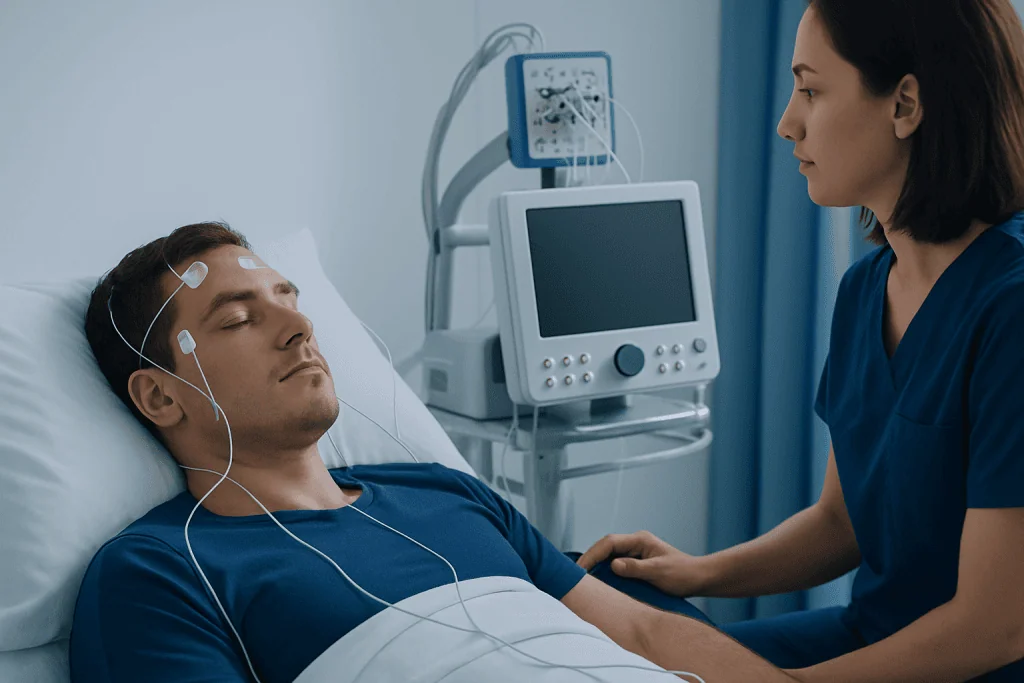
If the picture is unclear, or if there is concern about seizures, sleep apnea, or another sleep disorder, a sleep study may be recommended. An overnight sleep study can record brain waves, breathing, heart rate, and body movements during sleep. This helps separate rhythmic movement disorder from seizure activity, parasomnias, and breathing-related sleep problems.
Some patients may also need assessment by a pediatrician, pediatric neurologist, sleep specialist, or developmental specialist. The goal is not only to confirm the diagnosis but also to identify any associated condition that may need treatment.
Treatment Options
Treatment depends on age, symptom severity, and whether the movements are causing harm or poor sleep. In many infants and young children, no specific medical treatment is needed. Reassurance and monitoring are often enough, especially when the child is developing normally and the episodes are mild.
When treatment is needed, the first step is usually to improve sleep quality and reduce triggers. A consistent bedtime routine, adequate sleep duration, and a calm sleep environment can help reduce episodes. If another sleep condition is contributing, treating that problem may improve the rhythmic movements.
In selected cases, doctors may recommend specialist follow-up or further testing. If snoring, mouth breathing, restless sleep, or pauses in breathing are present, evaluation for sleep apnea treatment may be appropriate. If the history suggests another neurological or movement condition, more detailed assessment can help guide care.
Medication is not routinely required and is considered only in specific situations, such as severe sleep disruption or recurrent injury, after proper evaluation by a qualified specialist. For international patients who need multidisciplinary assessment, Acibadem International’s JCI-accredited hospitals and specialists provide diagnosis and treatment for sleep and movement-related conditions.
Prevention and Self-Care
There is no guaranteed way to prevent rhythmic movement disorder, but practical steps can make episodes less frequent and reduce the risk of injury. Sleep hygiene is especially important. Children and adults tend to have fewer nighttime disturbances when they keep a regular sleep schedule and get enough rest.
Caregivers can make the sleep area safer by checking the bed frame, moving hard or sharp objects away from the bed, and making sure the sleep environment is secure. Heavy restraints or unsafe sleep modifications should not be used. Any changes to the sleep setup should still follow age-appropriate safe sleep guidance.
Helpful home measures may include:
- Keeping a consistent bedtime and wake time
- Using a soothing bedtime routine
- Reducing overtiredness
- Limiting stimulating activities close to bedtime
- Recording episodes on video for the doctor if needed
- Monitoring for signs of injury, breathing problems, or daytime sleepiness
If the movements continue, increase, or become disruptive, a clinician may look more broadly at sleep and neurological health. In some cases, further evaluation may overlap with neurology consultation or pediatric sleep assessment.
When to See a Doctor
Medical advice is recommended if rhythmic movements cause bruising, bleeding, or repeated impact injuries. A doctor should also evaluate symptoms that significantly disturb the child’s sleep, lead to daytime tiredness or behavior changes, or continue beyond the age when they would usually be expected to improve.
Parents and caregivers should seek review if the episodes look unusual, happen many times every night, or involve stiffness, jerking, loss of awareness, or difficulty waking afterward. These features may suggest another condition that needs prompt attention. Loud snoring, pauses in breathing, or gasping during sleep also deserve assessment.
Older children, teenagers, and adults with rhythmic sleep-related movements should generally be assessed because persistent symptoms are less common in these age groups. The doctor may consider whether the movements are part of another sleep disorder or a broader neurological issue.
If there is any doubt about what is happening during sleep, bringing a clear video recording and a short symptom diary to the appointment can be very helpful. This often speeds up diagnosis and helps the clinician decide whether reassurance, follow-up, or additional testing is the best next step.
Frequently asked questions
Is rhythmic movement disorder normal in babies?
Rhythmic movements around sleep are relatively common in infants and young children. In many cases they are harmless and gradually decrease with age. A doctor should review them if they cause injury, poor sleep, or developmental concern.
What does rhythmic movement disorder look like?
It often looks like repeated body rocking, head rolling, or head banging around bedtime or during sleep. The movements are usually rhythmic and follow a similar pattern each time. Some children may also make repetitive sounds during episodes.
Can rhythmic movement disorder be confused with seizures?
Yes, some nighttime movements can resemble seizures, especially if they are frequent or unusual. The timing, pattern, level of awareness, and video recordings often help doctors tell the difference. In uncertain cases, a sleep study or other neurological testing may be needed.
Do children outgrow rhythmic movement disorder?
Many children do outgrow it or have much fewer episodes as they get older. This is one reason mild cases are often managed with reassurance and observation. Persistent symptoms in older children or adults should be assessed more carefully.
How is rhythmic movement disorder treated?
Treatment depends on severity and cause. Mild cases may only need reassurance, safer sleep surroundings, and consistent sleep habits. If another sleep disorder or neurological condition is present, treating that problem may reduce the movements.
When is head banging during sleep a concern?
It is a concern if it causes bruises or bleeding, severely disturbs sleep, or continues in a way that seems unusual for age. It also deserves medical review if it is accompanied by snoring, breathing pauses, stiffening, jerking, or developmental concerns. A doctor can decide whether further testing is necessary.
References
- American Academy of Sleep Medicine
- National Institute of Neurological Disorders and Stroke
- National Health Service
- American Academy of Pediatrics
This article is for general information only and is not a substitute for professional medical advice. Please consult a qualified doctor about your individual situation.
Explore treatments in Turkey — costs, top hospitals & a free quote
JCI-accredited · board-certified surgeons · reply within 24h
Add us as a Preferred Source to see more of our trusted health content across Google Search, AI Overviews and Discover.

Neurology
Diagnosis and treatment of disorders of the brain, spinal cord, nerves and muscles.
51 specialists in this unit