Robotic Cataract Surgery: Procedure, Recovery and Results
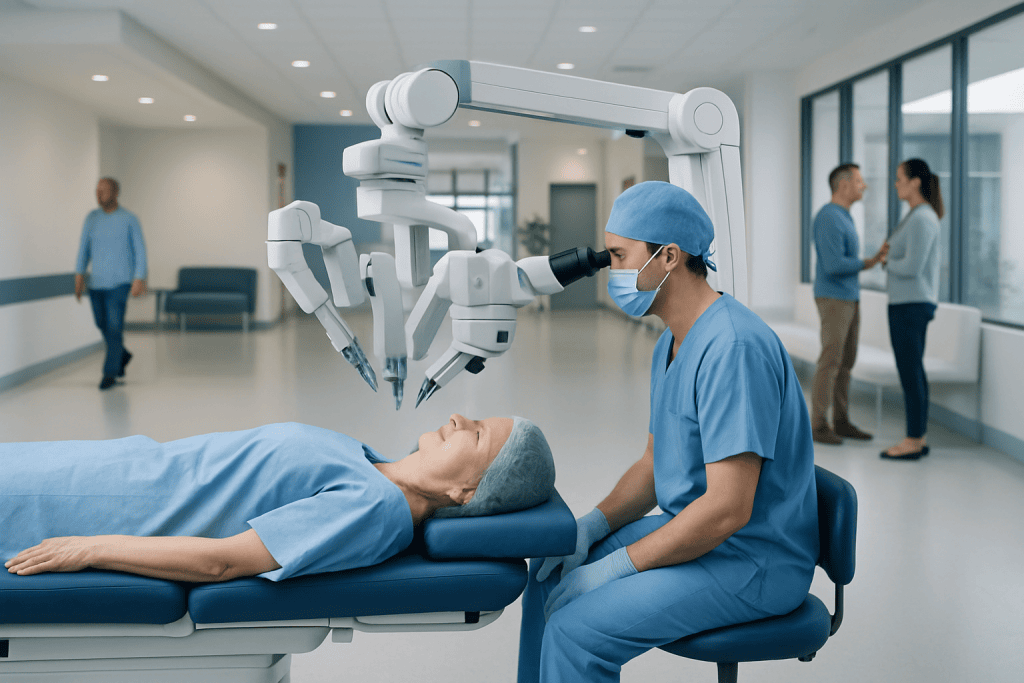
Robotic cataract surgery usually refers to femtosecond laser-assisted cataract surgery, not a fully automated operation. Detailed eye imaging helps the surgeon plan laser-assisted corneal incisions, lens opening and cataract fragmentation.
Key Takeaways
- Robotic cataract surgery usually refers to femtosecond laser-assisted cataract surgery, not a fully automated operation.
- Detailed eye imaging helps the surgeon plan laser-assisted corneal incisions, lens opening and cataract fragmentation.
- Both laser-assisted and conventional cataract surgery are effective; the best option depends on the eye, cataract, lens goals and surgeon’s assessment.
- Most people do not need bed rest and can resume gentle activities soon after surgery while protecting the eye.
- Blurred vision, light sensitivity and dry-eye symptoms are common early recovery concerns, but severe pain or sudden vision loss needs urgent assessment.
Robotic cataract surgery is a commonly used term for femtosecond laser-assisted cataract surgery, in which imaging and computer-guided laser technology assist with selected steps of cataract removal. The surgeon remains responsible for planning and performing the operation, including removing the cloudy lens and placing an artificial intraocular lens.
Overview: what robotic cataract surgery means
Robotic cataract surgery is usually a patient-friendly term for femtosecond laser-assisted cataract surgery. It is not surgery performed independently by a robot. Instead, the ophthalmic surgeon uses high-resolution imaging and computer-guided laser technology to help perform selected parts of the operation with precision.
A cataract is clouding of the eye’s natural lens. It can cause blurred or dim vision, glare from lights, fading of colors and difficulty seeing at night. Cataract surgery removes the cloudy lens and replaces it with a clear artificial lens, called an intraocular lens (IOL). It is the only treatment that removes a cataract once it is affecting vision or daily activities.
During laser-assisted surgery, the laser may create corneal incisions, make a circular opening in the front layer of the lens capsule and soften or divide the cataract. The surgeon then removes the lens material, usually with ultrasound energy, and inserts the chosen IOL. Cataract surgery is individualized after a detailed examination and discussion of visual goals.
How laser-guided cataract surgery works and who may be suitable
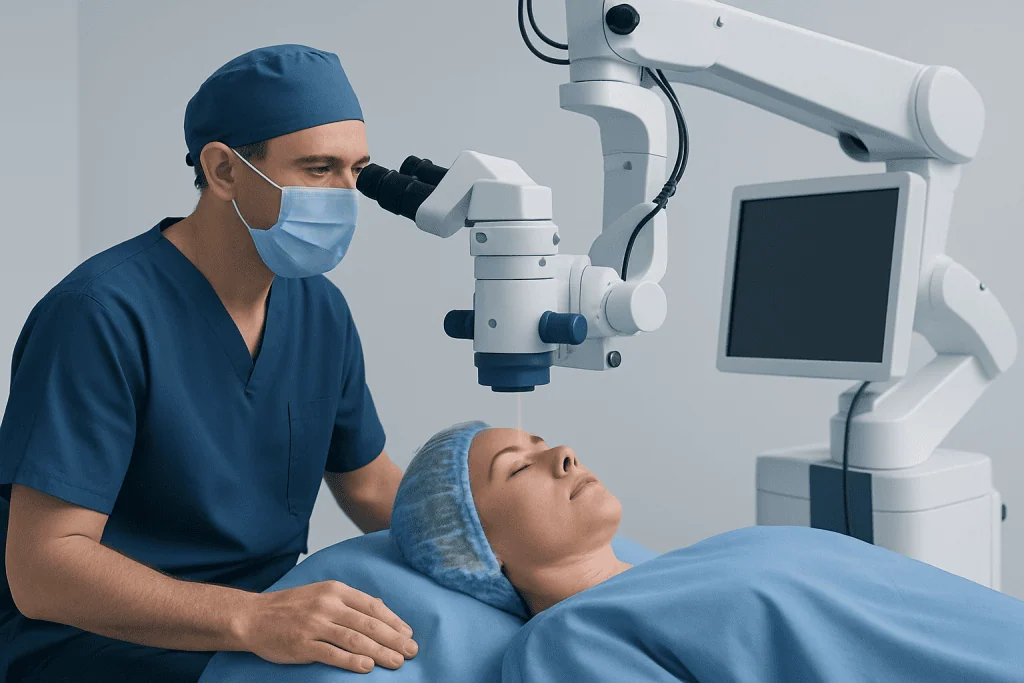
Before the procedure, the eye is mapped using imaging that shows the cornea, lens and surrounding structures. The surgeon uses these images to create a treatment plan. If a femtosecond laser is used, the eye is gently positioned under the laser system for a short part of the operation. The remainder is completed by the surgeon through very small incisions.
Laser assistance may be considered for people with certain types of cataracts, astigmatism correction needs or preferences regarding surgical planning. It can also be used alongside premium IOL options intended to address astigmatism, near vision or a range of vision. However, an advanced lens does not guarantee freedom from glasses, and suitability varies from person to person.
Not every eye is an ideal candidate for laser-assisted techniques. Corneal scars, poor pupil dilation, certain lens characteristics, difficulty positioning at the laser platform or some previous eye surgeries may influence the recommendation. Retinal disease, glaucoma and dry eye may also affect expected visual results, even when cataract surgery itself is successful. The ophthalmologist will assess the whole eye rather than choosing a technique based on cataract severity alone.
Step by step: what happens on the day of surgery
Cataract surgery is usually an outpatient procedure. On arrival, staff check the treatment plan and place dilating and anesthetic eye drops. Most people are awake but comfortable; a mild sedative may be offered when appropriate. The eye and surrounding skin are cleaned, and a sterile drape is placed around the surgical area.
If laser assistance is planned, imaging is taken first and the laser performs the programmed steps in seconds. The surgeon then enters the eye through microscopic incisions, removes the softened cataract material and preserves the thin lens capsule that will support the IOL. The selected artificial lens is folded, inserted through the small incision and positioned inside the capsule.
The operation itself often takes a short time, although preparation and recovery-room observation add to the visit. Most incisions seal without stitches. A protective shield may be placed over the eye, and the patient receives instructions about prescribed eye drops, activity limits and follow-up appointments. Because vision may be temporarily blurry and sedation can affect alertness, someone else should provide transport home.
Benefits, limitations and possible risks
The main benefit of cataract surgery is clearer vision when lens clouding is the cause of reduced sight. Laser-guided planning can make some steps highly consistent and may reduce the amount of ultrasound energy needed in selected cataracts. It may also support precise management of astigmatism in some patients. The most meaningful outcome remains functional vision after healing, which depends on the health of the cornea, optic nerve and retina as well as the lens implant.
Is robotic cataract surgery better than regular cataract surgery? Neither approach is automatically better for every person. Conventional phacoemulsification cataract surgery has a long record of excellent outcomes and remains appropriate for many patients. Laser-assisted surgery offers technical advantages in selected steps, but available research does not show that it consistently produces superior vision or fewer complications for every patient. A surgeon’s experience, careful measurements and appropriate IOL selection are central to safety and results.
All surgery has potential risks. Uncommon but important complications include infection, bleeding, increased eye pressure, swelling of the cornea or retina, a tear in the lens capsule, retinal detachment and the need for additional treatment. A cloudy membrane behind the new lens can develop months or years later; this is often treated effectively with a brief laser procedure. The surgical team explains individual risks before consent.
- Possible temporary effects include scratchiness, tearing, glare, mild redness and fluctuating vision.
- Pre-existing dry eye, macular degeneration, diabetic retinal disease or glaucoma can limit visual improvement.
- Following the prescribed drop schedule and attending follow-up visits helps support safe healing.
Recovery timeline and daily activities
Vision commonly begins to improve within the first few days, but it can fluctuate as the cornea settles and the eye adapts to the new lens. Many people return to light daily tasks quickly, while complete visual stabilization may take several weeks. If both eyes need surgery, procedures are commonly scheduled separately so that the first eye can be assessed before the second operation.
How long is bed rest after cataract surgery? Bed rest is generally not needed after uncomplicated cataract surgery. Resting at home on the day of surgery is sensible, but short walks and gentle activity are usually acceptable. Patients should avoid rubbing or pressing the eye, heavy lifting, strenuous exercise, swimming and dusty or contaminated environments for the period advised by their surgeon.
Can I watch TV after 3 days of cataract surgery? In most uncomplicated recoveries, watching television after three days is acceptable if it feels comfortable. TV does not harm the healing eye, but screen use may increase dryness or fatigue. Taking breaks, blinking regularly, using prescribed or recommended lubricating drops and stopping if discomfort develops can help. Vision may still be adjusting, so the image may not yet be as sharp as the final result.
What is the biggest complaint after cataract surgery? A frequent early concern is blurry or fluctuating vision, often accompanied by dry, gritty or light-sensitive eyes. These symptoms commonly improve during healing, but the cause can range from normal inflammation and dry eye to a need for updated glasses or treatment of another eye condition. New or worsening symptoms should be discussed with the eye team rather than assumed to be normal.
Supporting recovery and protecting long-term eye health
Patients should use all postoperative drops exactly as directed, including antibiotic and anti-inflammatory drops when prescribed. Clean hands before applying drops, avoid touching the bottle tip to the eye and wear the protective shield as instructed, especially while sleeping during the first days. Sunglasses outdoors can improve comfort from glare and provide physical protection.
It is helpful to keep follow-up appointments even if vision seems to be improving. These visits allow the ophthalmologist to check eye pressure, incision healing, lens position and retinal health. People with diabetes, glaucoma, retinal conditions or prior eye surgery may need closer monitoring because recovery and vision expectations can differ.
Cataracts cannot usually be reversed with diet, supplements or eye drops. However, protecting the eyes from ultraviolet light, not smoking, managing diabetes and having regular eye examinations may support overall eye health. Other causes of blurred vision can occur alongside cataracts, including glaucoma and retinal disorders, so a complete eye assessment remains important.
When to seek medical care
Contact the surgical team promptly if pain becomes significant or increases, if vision suddenly worsens after initially improving, or if there is increasing redness, discharge or swelling around the eye. These symptoms are uncommon, but early assessment is important because some complications need prompt treatment.
Urgent eye care is also needed for flashes of light, a sudden increase in floaters, a dark curtain or shadow in the field of vision, persistent nausea or vomiting with eye pain, or an injury to the operated eye. Patients should not drive themselves if vision is impaired.
Questions about the best cataract technique, lens choice or recovery plan should be addressed with a qualified ophthalmologist. Acibadem International’s multidisciplinary specialists and JCI-accredited hospitals assess and treat cataracts for international patients, with care plans based on each person’s eye health and visual needs.
Frequently asked questions
What is robotic cataract surgery?
Robotic cataract surgery usually refers to femtosecond laser-assisted cataract surgery. A computer-guided laser assists with selected steps, but an ophthalmic surgeon plans, performs and oversees the entire procedure. It is not an autonomous robotic operation.
Is robotic cataract surgery painful?
The eye is numbed with anesthetic drops, so most people feel little or no pain during surgery. Some may notice pressure, lights or mild awareness of activity around the eye. Mild scratchiness or irritation afterward is common and usually temporary.
How long is bed rest after cataract surgery?
Bed rest is not usually necessary after uncomplicated cataract surgery. Most people rest at home on the day of surgery and can do gentle activities soon afterward. The surgeon may advise avoiding strenuous activity, heavy lifting, eye rubbing and swimming during early healing.
Is robotic cataract surgery better than regular cataract surgery?
Laser-assisted surgery can offer advantages for certain technical steps and may suit some eyes well, but it is not universally better than conventional surgery. Both approaches can provide excellent results when appropriately selected and performed by an experienced surgeon. The best choice depends on the eye examination, cataract features and visual goals.
What is the biggest complaint after cataract surgery?
Blurred or fluctuating vision is among the most common early concerns. Dryness, a gritty feeling, glare and light sensitivity can also occur while the eye heals. Symptoms that are severe, worsening or associated with pain or marked redness should be reviewed promptly.
Can I watch TV after 3 days of cataract surgery?
Most people can watch television three days after uncomplicated surgery if it is comfortable. Watching TV does not damage the operated eye, although it may contribute to dryness or fatigue. Taking regular breaks and using eye drops as advised can improve comfort.
References
- American Academy of Ophthalmology
- National Eye Institute
- Mayo Clinic
- Royal College of Ophthalmologists
This article is for general information only and is not a substitute for professional medical advice. Please consult a qualified doctor about your individual situation.
Cataract Surgery in Turkey — costs, top hospitals & a free quote
JCI-accredited · board-certified surgeons · reply within 24h
Add us as a Preferred Source to see more of our trusted health content across Google Search, AI Overviews and Discover.

Ophthalmology
Comprehensive eye care from laser vision correction to retina, cornea and cataract surgery.
75 specialists in this unit