Roofied: A Complete Medical Overview

Being roofied means possible non-consensual drug exposure, often through drink spiking. Symptoms may include sudden dizziness, extreme sleepiness, poor coordination, nausea, and memory loss.
Key Takeaways
- Being roofied means possible non-consensual drug exposure, often through drink spiking.
- Symptoms may include sudden dizziness, extreme sleepiness, poor coordination, nausea, and memory loss.
- Urgent medical care is important if there is trouble breathing, loss of consciousness, injury, or possible sexual assault.
- Testing can help identify substances, but some drugs leave the body quickly, so early evaluation matters.
- Medical care also includes supportive treatment, safety planning, and screening for related injuries or infections.
Roofied is a common term used when someone believes they were given a drug without their knowledge, often through a drink. It is a medical and safety concern that can cause sudden confusion, drowsiness, memory gaps, and impaired judgment, and it deserves prompt attention.
Overview: what “roofied” means medically
“Roofied” is a non-medical term that usually means a person suspects they were given a drug without their knowledge or consent. In many cases, the drug is placed in a drink, but it may also be taken in another form. Clinicians often describe this as drink spiking or drug-facilitated assault, depending on the circumstances.
These situations matter because the effects can begin quickly and may impair alertness, memory, judgment, and physical coordination. Alcohol can intensify the effects of many sedating drugs, making symptoms more severe than expected. A person may feel “far more intoxicated” than would fit the amount of alcohol they remember consuming.
The term originally came from Rohypnol, a brand name for flunitrazepam, but many different substances can be involved. These can include sedatives, sleep medicines, anti-anxiety drugs, dissociative drugs, and alcohol used in excess or in combination. Because symptoms overlap, a medical evaluation focuses first on safety and stabilization rather than guessing the exact substance.
Importantly, a person who may have been roofied is not at fault. The priority is medical care, physical safety, and compassionate support. If there is concern about assault or injury, healthcare teams can also help connect the person with forensic, psychological, and legal resources.
Common symptoms and possible effects
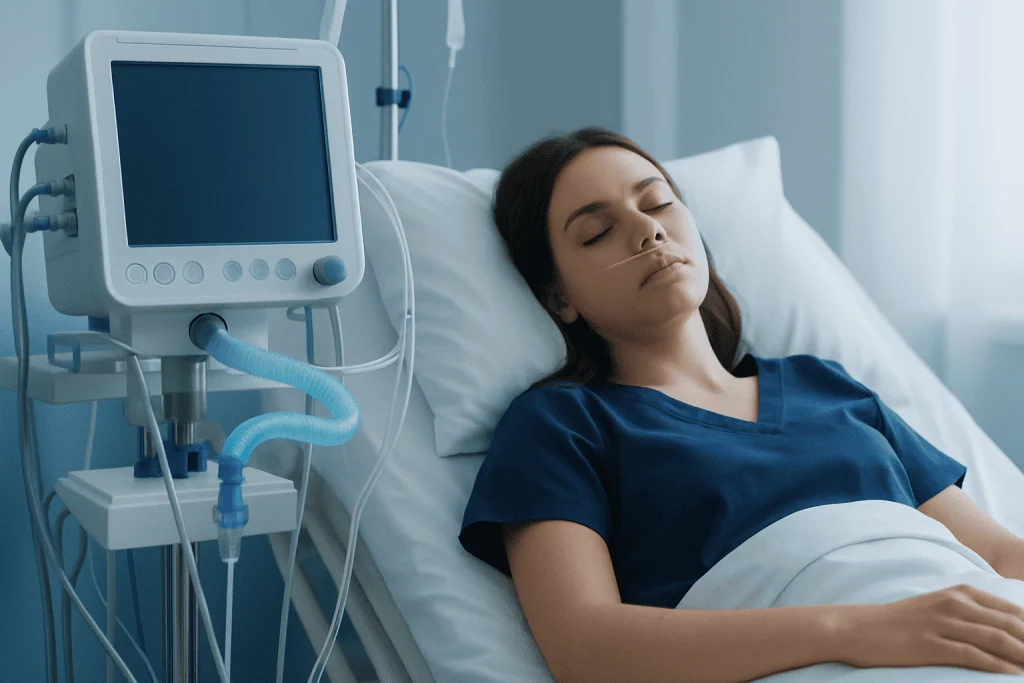
Symptoms can vary based on the substance, the dose, whether alcohol was also used, the person’s body size, and any regular medicines they take. Some people become very sleepy and confused, while others seem intoxicated, detached, or unable to remember what happened. The change is often sudden and feels out of proportion to the amount consumed.
Common symptoms may include dizziness, drowsiness, blurred vision, slurred speech, poor balance, nausea, vomiting, and unusual weakness. Some people describe feeling unable to move normally or unable to think clearly. Others develop gaps in memory, sometimes with only partial recall of the event.
More serious effects can include agitation, fainting, slowed breathing, seizures, or loss of consciousness. These are medical emergencies. A person who cannot be awakened, is breathing very slowly, has blue or gray lips, or has repeated vomiting needs urgent emergency care.
- Sudden confusion or disorientation
- Extreme sleepiness or passing out
- Memory loss or “blackouts”
- Poor coordination or trouble walking
- Nausea, vomiting, or dizziness
- Unexpected anxiety, fear, or feeling detached from reality
Which substances may be involved

No single drug explains every case. A range of substances have been associated with suspected drink spiking, including benzodiazepines, gamma-hydroxybutyrate (GHB), ketamine, sedating antihistamines, sleeping tablets, and large amounts of alcohol. Some prescription medicines can also cause concerning effects when taken unexpectedly or mixed with alcohol.
Many of these substances are colorless, may have little taste, or can be hidden by strong flavors. Some act rapidly and leave the body quickly, which can make later confirmation difficult. That does not mean the event did not happen; it only means laboratory detection can be time-sensitive and substance-dependent.
Alcohol deserves special mention because it is one of the most common contributors to impaired consciousness and memory, whether used alone or combined with other drugs. Mixing alcohol with sedatives can sharply increase the risk of breathing problems, accidental injury, and loss of consciousness. Doctors therefore assess both alcohol exposure and possible additional substances.
Sometimes symptoms are caused by another medical problem rather than a hidden drug. Severe low blood sugar, dehydration, a head injury, panic, or other intoxications can mimic drink spiking. This is one reason a medical review is important even when the cause is uncertain.
What to do right away if someone may be roofied
The first priorities are safety, breathing, and getting help. A person who may have been roofied should move to a safe place with a trusted adult if possible. They should not be left alone, should avoid taking more alcohol or drugs, and should not drive, shower, or dispose of clothing if there is any concern about assault, since this may affect evidence collection.
If the person is awake, encourage them to call emergency services or go to the nearest emergency department. If they are vomiting, place them on their side to reduce the risk of choking. If they become difficult to wake, stop breathing normally, have a seizure, or collapse, emergency care is needed immediately.
As soon as practical, it can help to write down or record what is remembered: where the event took place, what was eaten or drunk, who was present, and when symptoms started. If a drink container is available, it may be useful to preserve it for possible investigation. Trusted friends can help note times, symptoms, and changes in behavior.
When there is concern about sexual assault, medical teams may recommend a forensic exam and testing for pregnancy and sexually transmitted infections. In some circumstances, doctors may discuss preventive treatment such as screening and treatment for sexually transmitted infections or supportive mental health follow-up. These decisions are personal and time-sensitive, so early care is valuable.
How doctors evaluate and diagnose suspected drink spiking
Diagnosis begins with a careful history and physical examination. Doctors ask about symptom timing, alcohol intake, medicines, possible injuries, and whether there are memory gaps. They also check vital signs, mental status, and signs of trauma, dehydration, or another acute illness.
Laboratory tests may include blood tests, urine tests, blood alcohol level, pregnancy testing when relevant, and toxicology screening. However, toxicology is not perfect. Some substances are not included in standard screens, and some clear from the body quickly, so a negative result does not completely rule out non-consensual drug exposure.
Additional tests depend on symptoms. For example, doctors may order imaging if there was a fall, head injury, or concern for another neurological problem. If confusion, fainting, or weakness may have another cause, broader assessment may be needed. In selected cases, emergency clinicians may coordinate a general medical check-up alongside targeted testing.
If there is concern about an assault, care may involve clinicians trained in forensic evidence collection and trauma-informed support. Mental health symptoms can also follow these events, including anxiety, sleep disturbance, and intrusive memories. If needed, patients may later benefit from evaluation for post-traumatic stress disorder or related emotional effects.
Treatment and recovery
Treatment depends on the symptoms and the suspected substance. In many cases, the main treatment is supportive care: monitoring breathing, heart rate, blood pressure, and level of consciousness while the drug wears off. Intravenous fluids, anti-nausea treatment, oxygen, and observation may be used when appropriate.
If a specific poisoning is suspected, toxicology experts may guide further treatment. Not every substance has an antidote, and some antidotes are used only in selected situations because they can carry risks. This is one reason self-treatment at home is not recommended when symptoms are significant.
Recovery may be physical, emotional, or both. A person may feel tired, embarrassed, frightened, or confused even after the drug effects have ended. Supportive follow-up can include counseling, medical review of injuries, and if needed, care for conditions such as depression or acute stress responses after the event.
Near the end of recovery planning, patients may benefit from coordinated follow-up if symptoms persist or if there are concerns about trauma, memory changes, or safety. Acibadem International’s multidisciplinary specialists and JCI-accredited hospitals evaluate and treat international patients who need assessment after suspected intoxication, injury, or assault-related health concerns.
Prevention and practical self-care
No prevention step is perfect, and responsibility always lies with the person who harms or exploits others. Still, practical safety habits may reduce risk in social settings. These include keeping drinks in sight, accepting drinks only from trusted sources, avoiding shared containers, and checking in with friends throughout the event.
Going out with a trusted group and planning transportation in advance can help. Friends can agree to leave together, share live location when appropriate, and pay attention if someone seems suddenly much more impaired than expected. Sudden confusion, imbalance, or unusual sleepiness should be treated as warning signs.
After a suspected incident, self-care includes rest, hydration, and avoiding alcohol or sedating medications unless prescribed by a doctor. Emotional recovery also matters. Some people feel upset for days or weeks, and speaking with a counselor or a trusted healthcare professional can be helpful.
- Do not leave a symptomatic person alone.
- Seek urgent care for severe drowsiness, breathing changes, collapse, or possible assault.
- Write down details while memory is fresh.
- Arrange follow-up if there are ongoing emotional or physical symptoms.
When to seek medical care
Medical care should be sought urgently if someone may have been roofied and has severe drowsiness, confusion, trouble breathing, repeated vomiting, fainting, a seizure, or an injury. Emergency evaluation is also important if there is concern about sexual assault, because timely care can address injuries, forensic needs, pregnancy risk, and infection screening.
Prompt evaluation is helpful even when symptoms seem to improve, especially if there are memory gaps or uncertainty about what was taken. Some complications do not become obvious right away, and some toxicology tests are more useful when done early. A clinician can also assess whether another medical condition may be causing the symptoms.
A non-urgent follow-up visit is reasonable for persistent fatigue, anxiety, sleep problems, mood changes, headaches, or concentration difficulties after the event. If emotional symptoms continue, doctors may recommend counseling or a mental health assessment. Ongoing physical symptoms may lead to further testing, depending on what happened.
If a person has a known mental health condition, substance use disorder, or is taking regular sedating medication, discussing the event with a healthcare professional is especially important. These factors can change both symptoms and recovery needs, and they may influence recommendations for observation, testing, or specialist support.
Frequently asked questions
How can a person tell if they were roofied?
A person may suspect they were roofied if they become suddenly much more confused, sleepy, unsteady, or forgetful than expected for the amount they drank. Memory gaps, unusual weakness, and feeling out of control are common warning signs. Because symptoms can overlap with alcohol intoxication and other illnesses, a medical evaluation is often the safest way to assess what happened.
How long do roofied symptoms last?
The duration depends on the substance, the amount taken, whether alcohol was involved, and the person’s overall health. Some effects improve within hours, while fatigue, headache, anxiety, or emotional distress can last longer. If symptoms are severe or do not improve, medical care is important.
Will a hospital be able to prove what drug was used?
Not always. Some drugs leave the body quickly, and standard toxicology tests do not detect every substance. A negative test does not necessarily mean that no drug exposure occurred, which is why the clinical history and exam remain very important.
What should someone avoid doing after a suspected drink spiking?
They should avoid being alone, driving, drinking more alcohol, or taking unprescribed drugs to “counteract” the symptoms. If assault is a concern, it may also help to avoid showering, changing clothes, or cleaning up before getting medical advice, since this can affect evidence collection. A trusted person should stay with them until help is arranged.
Can someone be roofied without alcohol being involved?
Yes. Although alcohol often plays a role, a person can be exposed to sedating or mind-altering drugs without drinking alcohol. Even so, alcohol commonly worsens symptoms and increases the risk of breathing problems, injury, and memory loss.
Is being roofied always related to sexual assault?
No, but it can be. Non-consensual drug exposure may be linked to theft, physical harm, assault, or other crimes, and sometimes the full circumstances are not immediately clear. Any suspected event should be taken seriously as both a medical and safety issue.
This article is for general information only and is not a substitute for professional medical advice. Please consult a qualified doctor about your individual situation.
Explore treatments in Turkey — costs, top hospitals & a free quote
JCI-accredited · board-certified surgeons · reply within 24h
Add us as a Preferred Source to see more of our trusted health content across Google Search, AI Overviews and Discover.

More from the Health Library

Subarachnoid Hemorrhage: A Complete Medical Overview

Cholestasis: An Evidence-Based Guide for Patients
Red Nose: An Evidence-Based Guide for Patients
Reflexes: A Complete Medical Overview

Zetia: What Patients Need to Know