Rotator Cuff: An Evidence-Based Guide for Patients
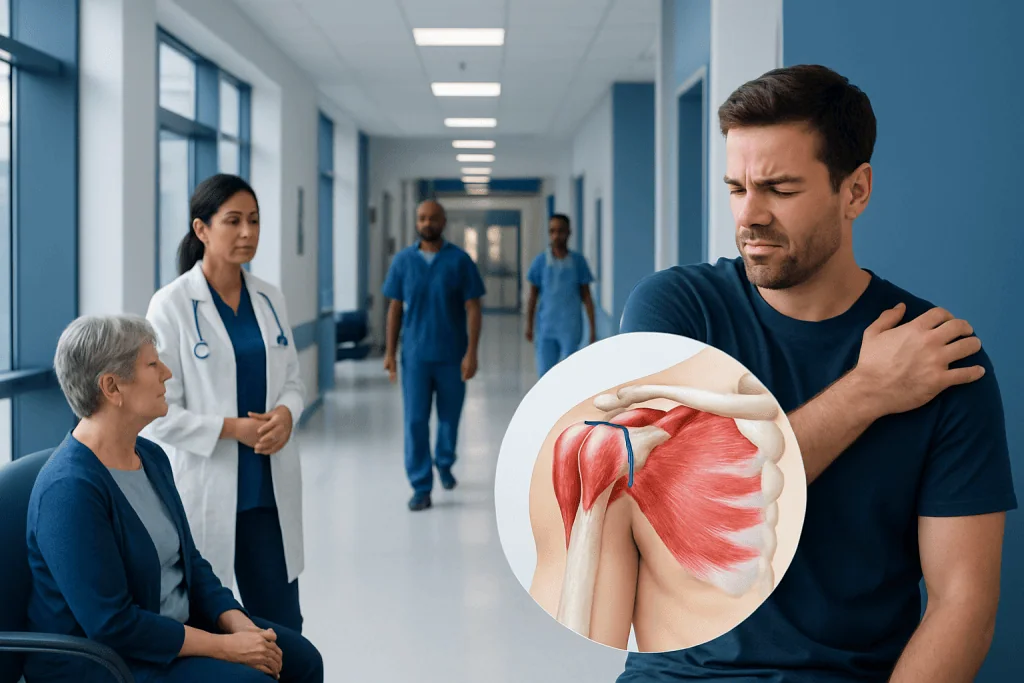
The rotator cuff helps stabilize the shoulder and allows smooth arm movement. Rotator cuff injuries can develop suddenly after trauma or gradually from wear, overuse, and aging.
Key Takeaways
- The rotator cuff helps stabilize the shoulder and allows smooth arm movement.
- Rotator cuff injuries can develop suddenly after trauma or gradually from wear, overuse, and aging.
- Common symptoms include shoulder pain, weakness, pain at night, and difficulty lifting or reaching.
- Diagnosis usually combines a physical exam with imaging such as ultrasound or MRI when needed.
- Many people improve with non-surgical treatment, while larger or persistent tears may require surgery.
- Early evaluation is important if pain follows an injury or if weakness and loss of function are significant.
The rotator cuff is a group of shoulder muscles and tendons that help lift and rotate the arm while keeping the shoulder stable. Rotator cuff problems range from irritation and tendinitis to partial or complete tears, and treatment may include rest, physiotherapy, medication, injections, or surgery depending on the cause and severity.
Overview: what the rotator cuff is and why it matters
The rotator cuff is a group of four muscles and their tendons that surround the shoulder joint. Together, they help hold the top of the upper arm bone in the shoulder socket and guide movements such as lifting, reaching, and rotating the arm. When people ask about the rotator cuff, they are usually referring to pain, inflammation, tendon damage, or a tear affecting this important shoulder system.
Rotator cuff problems are common because the shoulder has a wide range of motion and is used throughout daily life. These conditions may happen after a fall or sudden strain, but they can also develop gradually over time from repeated overhead use, age-related tendon changes, or chronic irritation. Symptoms can range from mild discomfort to pain and weakness that interfere with dressing, sleeping, work, sports, or household tasks.
Not every shoulder pain means a torn rotator cuff. The shoulder is a complex joint, and symptoms may also come from bursitis, impingement, arthritis, or problems in nearby structures. A careful medical assessment helps identify the source of pain and guides treatment. In many cases, symptoms improve with conservative care, especially when the problem is recognized early.
Symptoms and how rotator cuff problems feel

Rotator cuff symptoms often begin with pain on the outer part of the shoulder or upper arm. The pain may worsen when lifting the arm, reaching overhead, reaching behind the back, or carrying objects. Some people notice a dull ache at rest, while others feel sharp pain during specific movements.
Weakness is another common symptom. A person may have trouble lifting the arm, combing the hair, fastening clothing, or placing items on a shelf. Night pain is also typical, especially when lying on the affected shoulder. This can disturb sleep and make the problem feel more limiting than it does during the day.
Symptoms vary depending on whether the tendon is inflamed, partially torn, or fully torn. A sudden tear may cause immediate pain and weakness after a fall, heavy lift, or abrupt pulling movement. In contrast, degenerative tears may develop slowly and cause symptoms that come and go at first. Common features include:
- Shoulder pain with movement
- Pain that travels down the upper arm
- Weakness when lifting or rotating the arm
- Difficulty with overhead activities
- Clicking or catching in some cases
- Pain at night or while sleeping on the shoulder
Because shoulder symptoms can overlap with other conditions, persistent pain or loss of function should be assessed by a qualified clinician rather than self-diagnosed.
Causes, types, and risk factors

Rotator cuff problems generally fall into two broad categories: acute injuries and degenerative conditions. Acute injuries happen suddenly, often during a fall, sports injury, or forceful lifting event. Degenerative problems usually develop over time as the tendons undergo wear, reduced blood supply, repeated friction, or small cumulative injuries.
Doctors may describe the condition as tendinopathy, tendinitis, bursitis, impingement, a partial-thickness tear, or a full-thickness tear. These terms reflect different patterns of tendon irritation or damage. A partial tear means some of the tendon fibers are disrupted, while a full tear means the tendon is torn all the way through. Some people also have shoulder problems linked with shoulder impingement syndrome or age-related joint changes.
Several factors can increase the risk of rotator cuff injury:
- Age-related tendon degeneration, especially in middle-aged and older adults
- Repeated overhead work or sports, such as painting, swimming, tennis, or throwing
- Poor shoulder mechanics or muscle imbalance
- Previous shoulder injury
- Smoking, which may affect tendon health
- Bone spurs or structural narrowing that irritates the tendons
Risk factors do not mean a tear will definitely occur, but they can make symptoms more likely or recovery slower. Understanding the cause helps shape treatment, rehabilitation goals, and prevention strategies.
How doctors diagnose a rotator cuff problem
Diagnosis starts with a detailed conversation about symptoms, daily activities, past injuries, and how the pain began. A clinician will usually ask whether the pain is linked to a specific injury or has built up gradually. They also ask about night pain, weakness, stiffness, and whether the symptoms affect work, sports, or sleep.
A physical examination is the next step. This includes checking shoulder range of motion, strength, tenderness, and specific movement tests that can suggest which tendon is affected. The exam also helps distinguish rotator cuff disease from frozen shoulder, arthritis, nerve-related pain, or neck problems that can sometimes feel similar.
Imaging is not always needed right away for mild symptoms, but it may be helpful if there was a traumatic injury, clear weakness, prolonged symptoms, or concern about a significant tear. X-rays can show bone changes but not the tendon itself. Ultrasound and MRI are more useful for evaluating the rotator cuff tendons and the size or location of a tear. In some cases, imaging also helps assess related conditions such as persistent shoulder pain.
The goal of diagnosis is not only to confirm the presence of a tear but also to understand how severe it is and whether it matches the person’s symptoms and functional limitations. This helps avoid unnecessary treatment while identifying problems that may benefit from earlier intervention.
Treatment options: from conservative care to surgery
Many rotator cuff problems can be treated without surgery, especially when the injury is mild, partial, or degenerative. Conservative treatment often includes temporary activity modification, avoiding painful overhead motions, and using ice to reduce discomfort after activity. A doctor may recommend pain-relieving or anti-inflammatory medicines when appropriate, based on the person’s overall health.
Physiotherapy is a central part of treatment. A structured program can help restore shoulder movement, improve strength in the rotator cuff and shoulder blade muscles, and reduce strain on irritated tendons. Exercises are usually introduced gradually and tailored to the diagnosis. For some patients, image-guided injections may also be considered to help manage pain and support rehabilitation.
If symptoms are severe, if there is a traumatic full-thickness tear, or if weakness and functional loss continue despite rehabilitation, surgery may be discussed. Treatment may include arthroscopic shoulder surgery to repair the torn tendon or address related problems inside the joint. Rehabilitation after surgery is important and often progresses in phases over several months.
Management should be individualized. Younger active patients, people with sudden tears after injury, and those whose work requires strong overhead function may have different needs from someone with a small age-related tear and manageable symptoms. In appropriate cases, a broader physical therapy and rehabilitation plan or evaluation by an orthopedics and traumatology team can help guide the next steps.
Recovery, prevention, and self-care
Recovery depends on the type of rotator cuff problem, the person’s age, tendon quality, activity demands, and whether surgery is needed. Mild inflammation may improve over weeks, while tendon tears can take longer and may require extended rehabilitation. Steady progress is often more realistic than immediate relief, and it is common for shoulder strength to return gradually.
Self-care can support healing, but it should not replace medical advice when symptoms are significant. Helpful steps include modifying painful activities, following prescribed exercises, warming up before sports, and improving posture and shoulder blade control. People should avoid pushing through sharp pain, especially during repetitive overhead activity.
Prevention focuses on reducing strain and maintaining good shoulder mechanics. This may include:
- Regular strengthening of the shoulder and upper back muscles
- Flexibility exercises recommended by a clinician or physiotherapist
- Attention to lifting technique and workstation ergonomics
- Gradual return to sports after rest or injury
- Taking breaks during repetitive overhead tasks
For patients who need specialist care, Acibadem International’s multidisciplinary teams in JCI-accredited hospitals evaluate and treat rotator cuff conditions for international patients, including imaging, rehabilitation, and surgical options when indicated.
When to seek medical care
Medical assessment is advisable if shoulder pain lasts more than a few weeks, keeps returning, or interferes with sleep, work, or daily activities. It is especially important to seek care if there is noticeable weakness, difficulty lifting the arm, or reduced range of motion that is not improving.
Prompt evaluation is recommended after a fall, sudden pulling injury, sports trauma, or heavy lifting event followed by immediate pain and weakness. These features can suggest a more significant tear that may benefit from timely diagnosis. A person should also seek medical advice if the shoulder looks deformed, the arm cannot be moved normally, or symptoms are severe.
Because not all shoulder pain comes from the rotator cuff, professional evaluation helps identify the true cause and the most suitable treatment. Early guidance can often reduce discomfort, improve function, and lower the chance of long-term stiffness or ongoing weakness.
Frequently asked questions
What does the rotator cuff do?
The rotator cuff is a group of four muscles and their tendons that stabilize the shoulder and help move the arm. It allows actions such as lifting, reaching, and rotating while keeping the shoulder joint aligned.
Can a rotator cuff tear heal on its own?
Some small or partial tears may become less painful with time and rehabilitation, but the tendon itself does not always fully heal back to normal structure. Many people still do well with non-surgical treatment, especially if function is preserved and symptoms improve.
How do I know if shoulder pain is a rotator cuff problem?
Rotator cuff pain often causes discomfort on the outer shoulder, weakness, pain with overhead movement, and night pain. However, similar symptoms can come from other shoulder or neck conditions, so a clinical evaluation is the best way to confirm the cause.
Is surgery always needed for a rotator cuff tear?
No, surgery is not always necessary. Many patients improve with activity modification, physiotherapy, and pain management, while surgery is more often considered for large tears, sudden traumatic injuries, or symptoms that continue despite conservative care.
What is the difference between tendinitis and a tear?
Tendinitis or tendinopathy refers to irritation or degeneration of the tendon, while a tear means the tendon fibers are partially or completely disrupted. Both can cause pain, but tears are more likely to cause marked weakness or loss of function.
How long does recovery take?
Recovery time varies widely depending on the severity of the condition and the treatment used. Mild cases may improve over weeks, while recovery after a significant tear or surgery can take several months and requires guided rehabilitation.
References
- American Academy of Orthopaedic Surgeons
- National Institute of Arthritis and Musculoskeletal and Skin Diseases
- American Shoulder and Elbow Surgeons
- Mayo Clinic
- National Health Service
This article is for general information only and is not a substitute for professional medical advice. Please consult a qualified doctor about your individual situation.
Rotator Cuff in Turkey — costs, top hospitals & a free quote
JCI-accredited · board-certified surgeons · reply within 24h
Add us as a Preferred Source to see more of our trusted health content across Google Search, AI Overviews and Discover.