Rowing Machine: A Complete Medical Overview
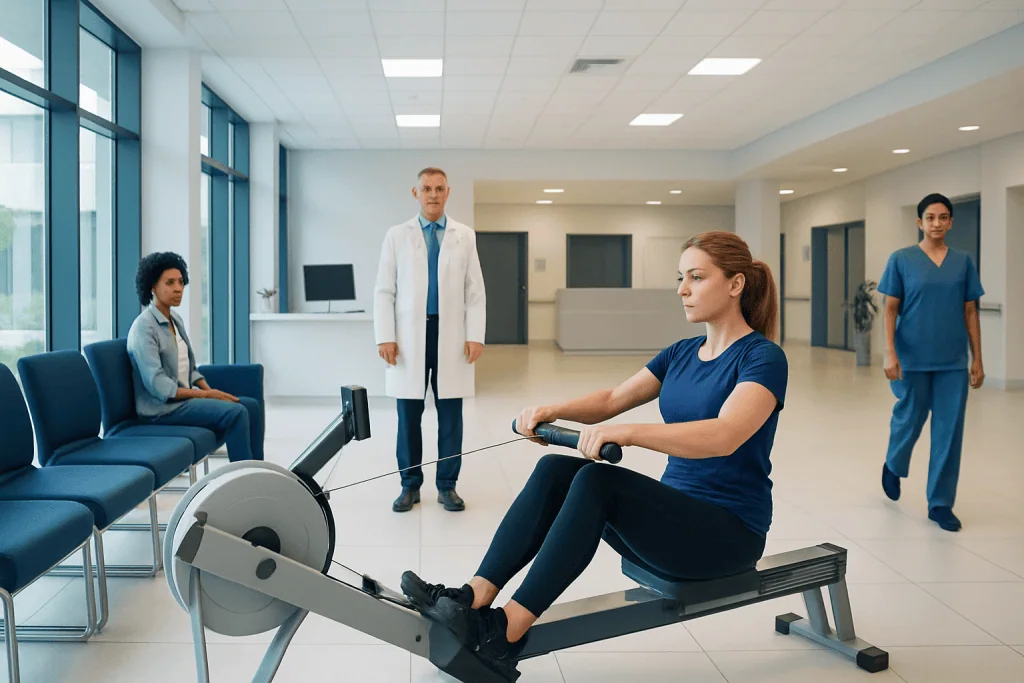
A rowing machine provides both aerobic exercise and muscle strengthening in one workout. Proper technique matters because poor form can contribute to back, shoulder, wrist, or knee strain.
Key Takeaways
- A rowing machine provides both aerobic exercise and muscle strengthening in one workout.
- Proper technique matters because poor form can contribute to back, shoulder, wrist, or knee strain.
- Most healthy adults can use a rowing machine safely if they start gradually and adjust resistance to their fitness level.
- People with heart disease, joint problems, chronic pain, or recent surgery should ask a doctor before starting a new rowing program.
- Warm-up, posture, recovery, and consistency are as important as workout intensity.
A rowing machine is a low-impact exercise device that works the legs, core, back, and arms while also improving cardiovascular fitness. When used with correct technique and an appropriate training plan, it can be an effective option for people seeking a full-body workout with relatively low joint stress.
Overview: what a rowing machine does for the body
A rowing machine is an indoor exercise device designed to mimic the movement of rowing a boat. It combines repeated leg drive, trunk control, and arm pull into a rhythmic motion that raises the heart rate while also challenging multiple muscle groups. For many people, this makes it a practical way to build endurance and strength at the same time.
Unlike some exercise machines that mainly target one area, a rowing machine involves the legs, hips, abdominal muscles, back, shoulders, and arms in a coordinated pattern. Because the seat glides and the feet stay supported, it is often considered lower impact than activities such as running. This may make it appealing to people who want a demanding workout with less repeated pounding on the joints.
From a medical perspective, the value of a rowing machine depends on how it is used. Appropriate intensity, good technique, and a gradual increase in training are important for getting benefits while reducing the risk of overuse problems. It is not automatically safe for everyone, but for many adults it can be a useful part of a balanced exercise routine.
Potential health benefits of a rowing machine
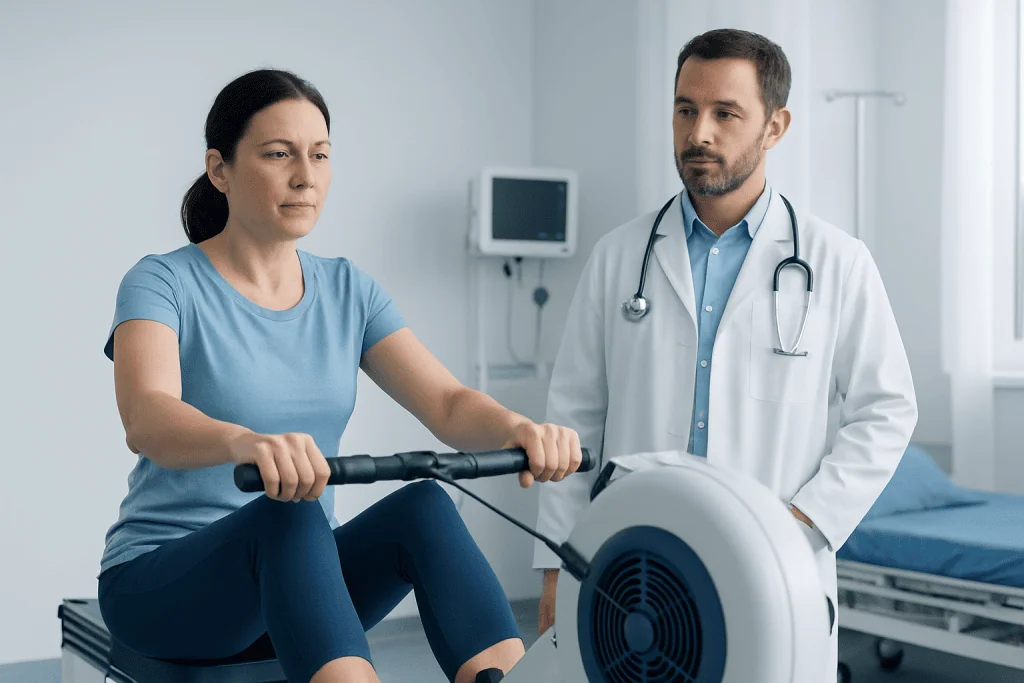
Regular rowing machine exercise can support cardiovascular health by increasing heart and lung activity. Over time, steady aerobic training may help improve stamina, circulation, and overall physical conditioning. It can also contribute to healthier weight management when combined with a balanced diet and regular daily movement.
A rowing machine also offers muscle-conditioning benefits. The drive phase relies heavily on the legs and hips, while the core helps stabilize the trunk and the upper body completes the pulling movement. This whole-body pattern may improve functional fitness for daily tasks such as lifting, climbing stairs, and maintaining posture.
Another advantage is adaptability. Rowing workouts can be adjusted for beginners, older adults, and experienced exercisers by changing duration, pace, and resistance. Some people use rowing as cross-training when returning from impact-related discomfort or when trying to protect their joints while staying active. For those exploring broader weight-related health concerns, exercise planning should still be personalized and medically appropriate.
- Supports aerobic fitness and endurance
- Engages multiple major muscle groups
- Usually places less impact on joints than running
- Can be used for interval training or steady exercise
- May help improve posture and movement awareness when form is correct
How to use a rowing machine safely and with good form
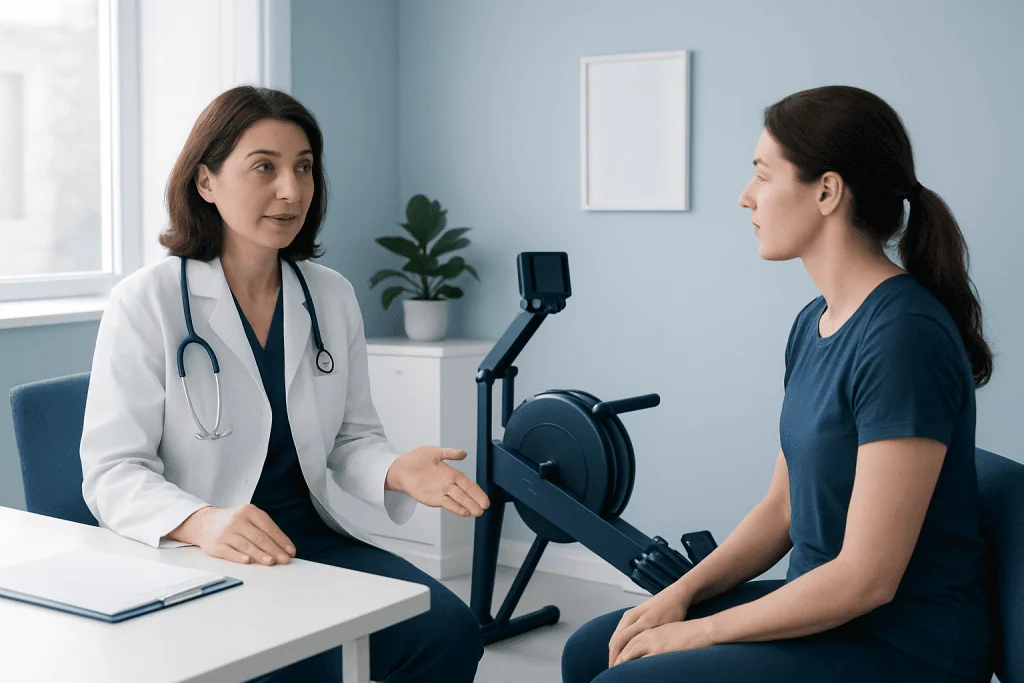
Safe rowing starts with technique. The movement is usually described in phases: catch, drive, finish, and recovery. In general, the drive begins with the legs, then the hips and trunk open, and the arms finish the pull. On the return, the arms straighten first, the body pivots forward, and the knees bend last. This sequence helps distribute effort efficiently and reduces unnecessary strain.
Posture is especially important. The back should stay long and supported rather than rounded, and the shoulders should remain relaxed rather than lifted toward the ears. A common mistake is pulling too much with the arms too early or leaning excessively from the lower back. These habits can increase the risk of discomfort in the lumbar spine, neck, or shoulders.
Beginners often benefit from short sessions focused on rhythm rather than speed. A simple approach is to start with low resistance, row for a few minutes at a comfortable pace, rest, and repeat as tolerated. If a person has persistent back pain or movement limitations, a medical evaluation and, in some cases, physical therapy and rehabilitation may help improve mechanics before exercise intensity increases.
Who may benefit most, and who should be cautious
A rowing machine may be a good option for adults who want an efficient full-body workout, people looking for low-impact cardio, and those who prefer indoor exercise that is not weather-dependent. It can also suit individuals who enjoy measurable training, since many machines display time, distance, stroke rate, and estimated power output.
However, it is not the right choice for everyone without adjustment or guidance. People with uncontrolled high blood pressure, significant heart disease, recent chest symptoms, severe osteoarthritis, certain spinal problems, or recent surgery may need medical clearance before starting. Those with a history of herniated disc or other chronic back conditions may need careful attention to posture, resistance, and training volume.
Caution is also sensible during pregnancy, after long periods of inactivity, or when living with balance problems, chronic pain, or inflammatory joint disease. In these situations, a doctor or rehabilitation specialist can help decide whether rowing is appropriate, what intensity is safe, and whether another form of exercise may be better at first.
Common rowing machine mistakes and possible injuries
Most rowing machine injuries are not sudden major injuries but overuse strains related to technique, repetition, or progressing too quickly. The lower back is one of the most common areas of concern, especially when the rower rounds the spine, uses high resistance too early, or rows while fatigued. Shoulder, wrist, hip, and knee discomfort may also develop if movement is inefficient or if training volume rises too fast.
Another common issue is treating the workout as an arm exercise rather than a coordinated leg-driven movement. This can overload the elbows, shoulders, and neck. Setting the resistance very high does not necessarily improve results and may increase strain. In many cases, moderate resistance with controlled technique is more effective than forceful pulling.
Warning signs include pain that changes the rowing motion, swelling, numbness, persistent soreness, or pain that continues after rest. Ongoing musculoskeletal symptoms may need evaluation with orthopedic rehabilitation or a specialist assessment, especially if the discomfort limits daily activities or exercise.
- Rounded lower back during the drive or recovery
- Pushing the knees outward or collapsing inward
- Pulling early with the arms instead of driving through the legs
- Using resistance that is too high for current fitness or technique
- Skipping warm-up and recovery
Building a healthy rowing routine
A sustainable rowing routine usually begins with realistic goals. Some people want general fitness, while others focus on weight management, conditioning for another sport, or recovery of exercise habits after inactivity. The plan should match the person’s age, health status, and current fitness rather than copying advanced workouts seen online.
For beginners, short sessions two to four times per week are often more manageable than long intense workouts. A warm-up of easy movement, followed by a brief rowing session and a cool-down, can help the body adapt. As comfort improves, duration or intensity can be increased gradually, but usually not both at the same time.
Rowing works best as part of a broader health plan that also includes walking or other aerobic activity, flexibility work, strength training, sleep, and nutrition. People aiming to support heart health or improve conditioning may also benefit from medical guidance and, where appropriate, supervised cardiac rehabilitation after a cardiac event or procedure.
Prevention and self-care tips for safer indoor rowing
Preventing discomfort on a rowing machine starts before the first stroke. The machine should be adjusted so the feet are secure and the handle path feels natural. Clothing should allow free movement, and supportive shoes can help maintain stable leg drive. Hydration, especially during longer sessions, is also important.
Warming up for several minutes with easy rowing or light dynamic movement may help prepare the muscles and joints. After the workout, a cool-down and gentle stretching can support recovery, although stretching should not be painful. Rest days are useful because the body adapts to exercise during recovery as well as during training.
People should stop if they develop chest pain, severe shortness of breath, dizziness, or sudden sharp musculoskeletal pain. Near the end of a care journey, some patients also seek specialist advice on exercise return after treatment or injury. Acibadem International’s multidisciplinary specialists and JCI-accredited hospitals evaluate exercise-related concerns and treat underlying orthopedic, rehabilitation, and cardiovascular conditions for international patients.
When to seek medical care
Medical advice is appropriate before starting a rowing machine program if a person has known heart disease, uncontrolled blood pressure, chronic lung disease, severe joint disease, significant obesity-related complications, or a history of spine problems. It is also wise to ask a doctor before rowing after surgery, after a long inactive period, or during recovery from injury.
Urgent medical evaluation is needed for symptoms such as chest pressure, fainting, severe shortness of breath, sudden weakness, or pain that radiates to the jaw or arm during exercise. Exercise should be stopped immediately if these occur. New neurologic symptoms, such as numbness, marked leg weakness, or loss of coordination, also need prompt assessment.
Non-urgent but important medical review is recommended for pain that lasts more than a few days, repeated flare-ups with rowing, or symptoms that interfere with sleep or daily function. In these cases, evaluation may include a physical examination, movement assessment, and, when necessary, imaging or a rehabilitation plan tailored to the underlying problem.
Frequently asked questions
Is a rowing machine a good full-body workout?
Yes. A rowing machine uses the legs, core, back, shoulders, and arms in one coordinated movement while also providing cardiovascular exercise. Its overall effect depends on proper form, resistance, and how consistently it is used.
Is a rowing machine safe for the knees?
For many people, yes, because rowing is generally lower impact than running or jumping. However, knee pain can still occur if the machine is set up poorly, the stroke is too compressed, or training volume increases too quickly. Anyone with significant knee arthritis or prior injury should ask a clinician for individualized advice.
Can a rowing machine help with weight loss?
It can support weight loss by increasing energy expenditure and improving overall fitness. Still, weight change usually depends on a combination of regular activity, diet, sleep, and long-term habits. A rowing machine is best viewed as one part of a broader health plan.
Why does a rowing machine sometimes cause back pain?
Back pain may happen when a person rounds the lower back, rows with excessive resistance, or progresses too fast without enough conditioning. Poor hip mobility or weak trunk control can also contribute. Persistent or severe back pain should be assessed by a qualified doctor or rehabilitation professional.
How often should a beginner use a rowing machine?
Many beginners do well with short sessions two to four times per week. Starting with manageable duration and low to moderate intensity can help the body adapt while reducing the risk of overuse symptoms. Rest and recovery remain important parts of progress.
Who should talk to a doctor before using a rowing machine?
People with heart disease, uncontrolled blood pressure, chronic pain, significant arthritis, spine disorders, or recent surgery should seek medical advice first. This is also sensible for pregnant individuals, older adults starting exercise after inactivity, and anyone with symptoms during physical activity.
References
- World Health Organization
- American College of Sports Medicine
- Centers for Disease Control and Prevention
- National Institute of Arthritis and Musculoskeletal and Skin Diseases
- American Heart Association
This article is for general information only and is not a substitute for professional medical advice. Please consult a qualified doctor about your individual situation.
Joint and spine care in Turkey — expert assessment & treatment
JCI-accredited · board-certified surgeons · reply within 24h
Add us as a Preferred Source to see more of our trusted health content across Google Search, AI Overviews and Discover.
Check your numbers in seconds
BMI, calories, due date, blood pressure and 30+ more clinical calculators — free, instant, doctor-reviewed ranges.