Saliva During Sleep: What Patients Need to Know

Saliva during sleep is common and is often related to sleep position, mouth breathing, or temporary congestion. Persistent nighttime drooling may be linked to reflux, enlarged tonsils, medication side effects, or sleep apnea.
Key Takeaways
- Saliva during sleep is common and is often related to sleep position, mouth breathing, or temporary congestion.
- Persistent nighttime drooling may be linked to reflux, enlarged tonsils, medication side effects, or sleep apnea.
- Treatment depends on the cause and may include improving nasal airflow, changing sleep habits, or managing an underlying condition.
- Sudden onset, choking, daytime sleepiness, or trouble swallowing should be assessed by a doctor.
- Most people improve with a practical evaluation and targeted self-care.
Saliva during sleep usually happens when saliva escapes from the mouth because of sleep position, mouth opening, or reduced swallowing during sleep. It is often harmless, but frequent or new nighttime drooling can sometimes point to nasal congestion, acid reflux, medication effects, or a sleep-related breathing problem.
Overview: what saliva during sleep usually means
Saliva during sleep usually means that saliva is collecting in the mouth and leaking out because the lips part, the head position changes, or swallowing becomes less frequent during sleep. For many people, this is a normal and occasional event rather than a sign of disease.
Nighttime drooling becomes more important when it is frequent, newly developed, severe enough to soak pillows, or accompanied by snoring, choking, heartburn, nasal blockage, or difficulty swallowing. In those situations, the body may be producing more saliva than usual, or saliva may not be cleared normally while asleep.
Rather than looking at drooling alone, doctors usually consider the full picture: breathing through the nose or mouth, sleep quality, medications, reflux symptoms, dental and jaw structure, and any neurologic or swallowing problems. This helps identify whether saliva during sleep is a simple habit or a clue to an underlying issue that can be treated.
How saliva and swallowing work during sleep
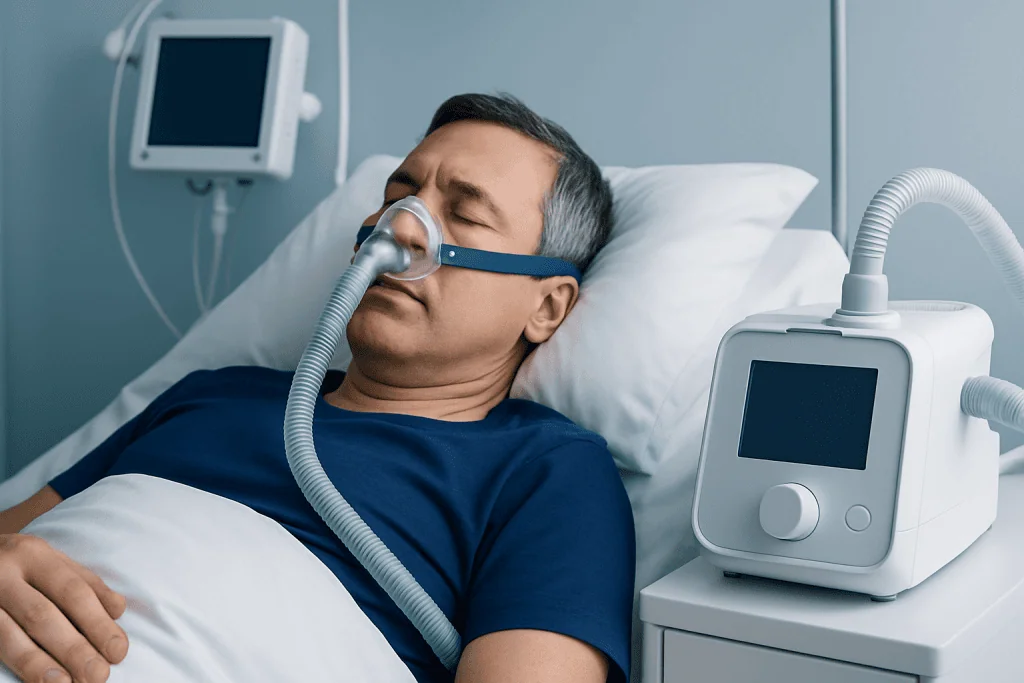
Saliva is essential for oral health. It keeps the mouth moist, begins digestion, helps protect teeth, and makes swallowing easier. The salivary glands continue to produce saliva day and night, although flow changes over the course of the day and in response to eating, hydration, and medications.
During sleep, swallowing usually happens less often than when a person is awake. If the mouth opens because of nasal congestion, relaxed facial muscles, or certain sleep positions, saliva can pool and spill outward. This is one reason saliva during sleep is especially common when lying on the side or stomach.
Some people also have increased saliva production from temporary triggers such as teething in children, oral irritation, nausea, or reflux. In others, the main issue is not too much saliva but reduced control of lip closure, tongue position, or swallowing while asleep.
Common causes and risk factors

The most common causes of saliva during sleep are simple and mechanical. Sleeping on the side or stomach, breathing through the mouth, and temporary nasal congestion from a cold or allergies can all make drooling more likely. Tiredness and deeper sleep may also reduce how often a person swallows.
Conditions that block nasal airflow are a frequent contributor. These include allergic rhinitis, sinus inflammation, a deviated septum, nasal polyps, or enlarged adenoids in children. When nasal breathing is difficult, the mouth tends to stay open during sleep, making saliva leakage more likely. In some cases, evaluation by an ear, nose, and throat specialist may help identify treatable causes such as a deviated septum.
Another important group of causes involves the throat, stomach, and sleep itself. Gastroesophageal reflux can sometimes increase salivation, especially if stomach acid reaches the throat. Snoring and sleep apnea may also be associated with drooling because of mouth opening and disrupted breathing during sleep. Enlarged tonsils, jaw alignment differences, or dental problems can contribute as well.
Certain medicines may increase saliva or affect muscle control and swallowing. Sedatives, some psychiatric medications, and a few neurologic drugs can do this in susceptible people. Less commonly, drooling during sleep is related to neurologic conditions that affect swallowing or facial muscle control, particularly if drooling also happens during the day.
Symptoms that may occur along with nighttime drooling
By itself, saliva during sleep may cause little more than a damp pillow or mild skin irritation around the mouth. However, associated symptoms can provide useful clues about the cause. A blocked nose, dry mouth on waking, bad breath, or frequent sore throat may suggest mouth breathing overnight.
Snoring, pauses in breathing, restless sleep, morning headaches, and daytime sleepiness can point toward a sleep-related breathing disorder. Heartburn, a sour taste, chronic throat clearing, or hoarseness may raise suspicion for reflux. Jaw discomfort, tooth grinding, or bite changes can suggest a dental or structural issue.
Doctors also pay attention to warning symptoms related to swallowing or neurologic function. Coughing during meals, choking, a wet-sounding voice, facial weakness, or unexplained weight loss are not typical features of simple drooling and deserve prompt medical assessment.
- Occasional drooling with a cold or allergy flare is often temporary.
- Frequent drooling with snoring or daytime fatigue may suggest a sleep problem.
- Drooling with trouble swallowing needs timely evaluation.
How doctors diagnose the cause
Diagnosis begins with a careful history. A doctor may ask how often saliva during sleep happens, whether it is new or long-standing, and what other symptoms are present. Questions often cover snoring, nasal blockage, heartburn, medication use, alcohol intake, dental issues, daytime drooling, and any swallowing problems.
A physical examination may include the nose, mouth, throat, tonsils, teeth, jaw, and neck. The doctor may look for signs of nasal obstruction, enlarged tonsils, oral irritation, or mouth dryness. If swallowing problems are suspected, a neurologic examination or a more detailed swallowing assessment may be recommended.
Additional testing depends on the suspected cause. A sleep study may be advised when snoring, gasping, or daytime sleepiness raises concern for sleep apnea. Reflux symptoms may lead to gastroenterology or ENT evaluation. In some people, imaging or endoscopic examination of the nose and throat can help identify a structural problem. If treatment is needed for airflow or sleep-related causes, options may include septoplasty for selected nasal obstruction or sleep apnea treatment after proper sleep evaluation.
Treatment options and practical ways to reduce drooling
Treatment works best when it targets the reason for the drooling rather than the saliva itself. If nasal blockage is the main issue, treatment may focus on allergy control, saline rinses, reducing inflammation, or addressing structural obstruction. If reflux is contributing, lifestyle measures and reflux treatment may help reduce irritation and excess salivation. People with dental or jaw factors may benefit from dental assessment.
For some, simple changes are enough. Sleeping on the back instead of the side or stomach may reduce saliva leakage. Good sleep hygiene, limiting alcohol before bed, and treating short-term congestion can also help. If the lips tend to part during sleep because of mouth breathing, improving nasal airflow is usually more helpful than trying to force the mouth shut.
When drooling is linked to swallowing difficulty, neurologic disease, or significant excess saliva, more specialized treatment may be considered. This can include speech and swallowing therapy, medication review, or treatments aimed at reducing saliva production in carefully selected patients. In uncommon severe cases, specialists may discuss procedures for persistent drooling.
If drooling seems connected to throat symptoms, reflux, or repeated choking sensations at night, doctors may also evaluate the upper digestive tract and airway. Depending on the findings, a person may benefit from coordinated care involving ENT, sleep medicine, gastroenterology, or oral and maxillofacial specialists. Problems such as chronic reflux may overlap with gastroesophageal reflux disease and need directed care.
Self-care, prevention, and sleep habits that may help
Many people can reduce saliva during sleep by improving the conditions around sleep. Keeping the nose as clear as possible, especially during allergy season or respiratory infections, can encourage nasal breathing. Using a humidifier if the bedroom air is very dry, staying well hydrated, and maintaining regular oral hygiene may also help comfort and mouth health.
Sleep position can make a noticeable difference. People who drool mainly when sleeping on one side may do better when lying more on the back. Elevating the head slightly may help some people, especially if reflux is part of the problem. Avoiding large meals, heavy alcohol use, or lying down immediately after eating may reduce nighttime reflux symptoms.
Parents often notice saliva during sleep in children. This can be normal, especially during growth phases or nasal congestion, but ongoing mouth breathing, loud snoring, restless sleep, or suspected enlarged tonsils should be discussed with a pediatrician. If a structural or chronic problem is suspected, a doctor may advise further evaluation rather than prolonged home measures alone.
Near the end of the care pathway, some people benefit from multidisciplinary review. Acibadem International’s multidisciplinary specialists and JCI-accredited hospitals evaluate causes such as nasal obstruction, reflux, and sleep-related breathing disorders in international patients when a more complete assessment is needed.
When to seek medical care
Medical care is appropriate if saliva during sleep is frequent, severe, or disruptive, especially when it begins suddenly after not being present before. It is also wise to seek evaluation if drooling happens together with loud snoring, breathing pauses, choking, significant daytime sleepiness, or persistent heartburn.
A prompt medical review is important when drooling is associated with trouble swallowing, coughing during meals, recurrent chest infections, facial weakness, speech changes, or unexplained weight loss. These symptoms can suggest a swallowing or neurologic problem rather than a simple sleep habit.
Children should be assessed if nighttime drooling is paired with chronic mouth breathing, poor sleep, pauses in breathing, behavioral changes related to poor sleep, or suspected enlarged tonsils or adenoids. A qualified doctor can identify whether the cause is temporary and minor or whether targeted treatment is needed.
Frequently asked questions
Is saliva during sleep normal?
Yes. Occasional saliva during sleep is common and is often related to sleep position, mouth opening, or temporary nasal congestion. It becomes more important when it is frequent, new, or paired with symptoms such as snoring, choking, or trouble swallowing.
Why do some people drool more when sleeping on their side?
Side sleeping makes it easier for saliva to collect and escape from the corner of the mouth, especially if the lips part during sleep. Back sleeping may reduce this for some people, although the best sleep position depends on overall health and comfort.
Can sleep apnea cause drooling at night?
It can be associated with it. People with sleep apnea may sleep with the mouth open more often, snore, and have disrupted breathing patterns that increase nighttime drooling. Drooling alone does not diagnose sleep apnea, but it can be part of the overall picture.
Can acid reflux increase saliva during sleep?
Yes. Reflux can irritate the throat and trigger extra salivation in some people, sometimes called a protective response. If drooling occurs with heartburn, sour taste, chronic cough, or hoarseness, reflux may be worth discussing with a doctor.
What can a person try at home to reduce nighttime drooling?
Helpful steps may include treating nasal congestion, avoiding alcohol close to bedtime, adjusting sleep position, and not lying down immediately after a large meal. Good oral hygiene and hydration are also useful, but persistent symptoms should still be assessed professionally.
When is drooling during sleep a sign of something more serious?
It deserves medical attention if it starts suddenly, is severe, or occurs with choking, swallowing difficulty, facial weakness, speech changes, or marked daytime sleepiness. Those features may suggest a swallowing disorder, neurologic condition, or sleep-related breathing problem.
References
- American Academy of Sleep Medicine
- National Institute of Neurological Disorders and Stroke
- American Academy of Otolaryngology–Head and Neck Surgery
- National Institute of Dental and Craniofacial Research
- National Institute of Diabetes and Digestive and Kidney Diseases
This article is for general information only and is not a substitute for professional medical advice. Please consult a qualified doctor about your individual situation.
Explore treatments in Turkey — costs, top hospitals & a free quote
JCI-accredited · board-certified surgeons · reply within 24h
Add us as a Preferred Source to see more of our trusted health content across Google Search, AI Overviews and Discover.

More from the Health Library
Dental Sedation: A Complete Medical Overview

Thymus: A Complete Medical Overview

Escolar: An Evidence-Based Guide for Patients

Buried Penis: A Complete Medical Overview

Sore on Side of Tongue — Explained by Medical Evidence, Not Myths