

Salivary Glands: A Complete Medical Overview

Salivary glands produce saliva, which supports digestion, speech, swallowing, and oral health. Common salivary gland problems include dry mouth, infections, stones, and inflammatory conditions.
Key Takeaways
- Salivary glands produce saliva, which supports digestion, speech, swallowing, and oral health.
- Common salivary gland problems include dry mouth, infections, stones, and inflammatory conditions.
- Swelling near the jaw or under the tongue, mouth dryness, and pain with meals are important symptoms to assess.
- Diagnosis may involve an exam, imaging, saliva flow assessment, and sometimes a biopsy.
- Treatment depends on the cause and may range from hydration and medicines to minimally invasive or surgical procedures.
- Persistent swelling, fever, pus, or trouble swallowing should be assessed by a qualified doctor.
Salivary glands are small but essential organs that produce saliva, helping with chewing, swallowing, taste, digestion, and oral protection. When these glands become blocked, inflamed, infected, or rarely develop tumors, symptoms such as dry mouth, swelling, pain, or difficulty eating can occur.
Overview: what salivary glands do and why they matter
Salivary glands are organs that make saliva, a fluid that keeps the mouth moist and helps the body begin digestion. Saliva also supports speech, makes swallowing easier, protects the teeth, and helps control bacteria in the mouth. Without enough saliva, eating and speaking may become uncomfortable, and the risk of dental decay and mouth infections can rise.
There are three major pairs of salivary glands: the parotid glands in front of the ears, the submandibular glands beneath the jaw, and the sublingual glands under the tongue. In addition, many tiny minor salivary glands are spread throughout the lips, cheeks, palate, and throat. Each gland releases saliva through small ducts into the mouth.
Salivary gland problems are not all the same. Some people develop reduced saliva production, often called dry mouth. Others have blockage from a stone, inflammation from autoimmune disease, bacterial or viral infection, or less commonly a growth within the gland. Because symptoms can overlap, a careful medical evaluation helps identify the exact cause and guide treatment.
How saliva supports everyday health
Saliva does much more than simply wet the mouth. It begins the breakdown of certain foods, especially carbohydrates, and helps form food into a bolus that can be swallowed more easily. This is why reduced saliva often makes dry foods harder to chew or swallow.
It also plays a protective role. Saliva helps rinse food particles away, neutralize acids, and support the balance of the oral environment. These functions lower the risk of tooth decay, gum irritation, and bad breath. People with long-term low saliva often notice increased cavities, mouth soreness, or changes in taste.
Because salivary glands affect comfort, nutrition, and oral hygiene, even mild symptoms can have a noticeable impact on daily life. Identifying gland problems early can help prevent complications and improve eating, speaking, and sleep quality.
Common symptoms of salivary gland disorders

Symptoms depend on whether the problem involves too little saliva, blockage, inflammation, or infection. Dry mouth may feel like stickiness in the mouth or throat, frequent thirst, difficulty swallowing dry foods, or a burning sensation of the tongue. Some people notice thick or stringy saliva, cracked lips, or changes in taste.
Blockage of a salivary duct often causes pain or swelling that becomes worse during meals, when saliva production increases but cannot drain normally. The affected area may be under the jaw, in front of the ear, or beneath the tongue. The swelling may come and go at first and become more persistent over time.
Infection or significant inflammation may cause tenderness, warmth, redness, fever, bad taste in the mouth, or pus draining from the duct opening. Less commonly, a lump in a salivary gland may be painless and slowly enlarging. Any persistent mass should be assessed, as not all salivary gland lumps are infections or stones.
- Dry mouth or frequent thirst
- Swelling near the jaw, cheek, or under the tongue
- Pain that worsens while eating
- Difficulty chewing, swallowing, or speaking
- Bad taste, pus, or foul breath
- A persistent lump or one-sided gland enlargement
Causes and risk factors
Salivary gland symptoms can develop for many reasons. A common cause is reduced saliva production, which may occur with dehydration, aging-related changes, certain medications, radiation to the head and neck, or medical conditions that affect gland function. Autoimmune diseases can also reduce saliva production; for example, dry mouth may occur as part of Sjogren’s syndrome.
Salivary stones, also called sialoliths, are another frequent cause. These mineral deposits can block a duct, leading to swelling and pain, especially with meals. Stones are more common when saliva is thick, flow is reduced, or a person is dehydrated. Poor oral intake, illness, and some medicines can contribute.
Infections may be viral or bacterial. Bacterial infection can develop when saliva flow is poor and bacteria are able to multiply within the gland. Viral illnesses, including mumps, may affect the salivary glands as well. Chronic inflammatory conditions, prior surgery, trauma, smoking, and poor oral hygiene may increase the risk of some gland problems.
Salivary gland tumors are less common than infections or stones, and many are benign. Even so, a new or persistent lump, facial weakness, or firm fixed swelling needs medical review. Because neck masses can also come from nearby structures, doctors may consider related ENT conditions during the assessment, including thyroid cancer when symptoms or exam findings suggest a different source.
How doctors diagnose salivary gland problems
Diagnosis begins with a medical history and physical examination. A doctor asks when symptoms started, whether swelling is linked to meals, what medicines the person takes, and whether there are signs of dry eyes, fever, dental problems, or autoimmune disease. During the exam, the doctor may gently feel the glands and look inside the mouth for duct openings, dryness, or drainage.
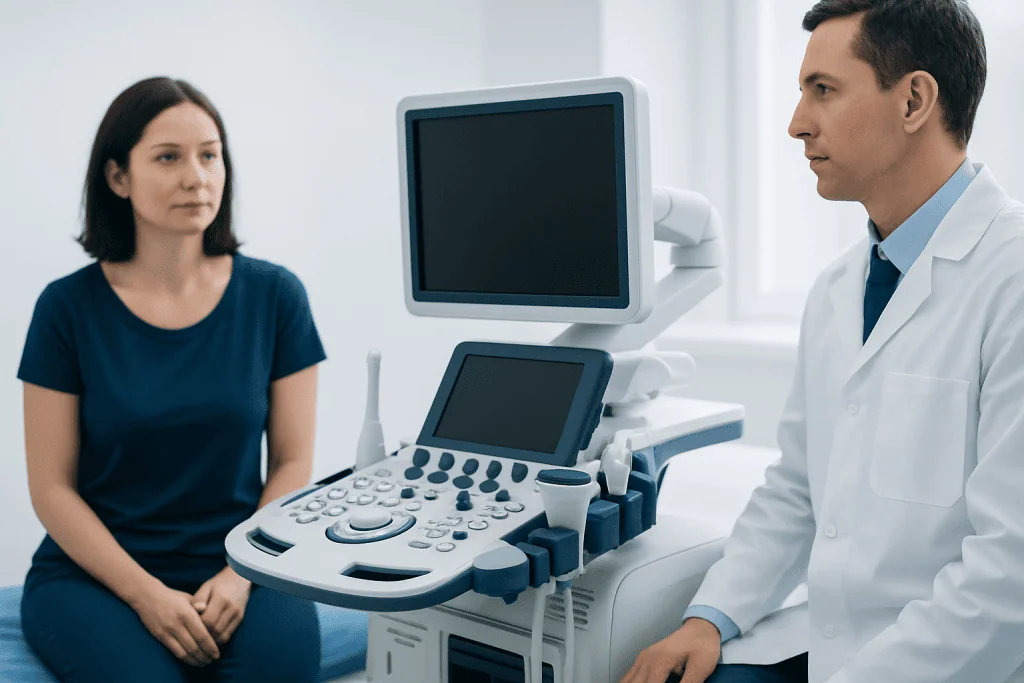
Imaging is often useful when blockage, infection, or a mass is suspected. Ultrasound is commonly used because it can show stones, cysts, and many gland lumps without radiation. Depending on the situation, computed tomography or magnetic resonance imaging may provide more detail. In selected cases, doctors may use sialendoscopy, a thin scope inserted into the duct, to both inspect and sometimes treat a blockage.
Blood tests may be recommended if an autoimmune or inflammatory condition is possible. When a lump is present, a fine-needle aspiration biopsy may help determine whether it is benign or malignant. If symptoms are related to nearby structures or persistent neck swelling, further evaluation with ENT examination may be appropriate to clarify the diagnosis.
Treatment options and what recovery may involve
Treatment depends on the cause. For mild dry mouth or reduced saliva flow, doctors often recommend better hydration, reviewing medications, saliva substitutes, sugar-free lozenges or gum to stimulate flow, and careful oral hygiene. If an underlying medical condition is contributing, managing that condition is an important part of care.
When a duct is blocked by a stone, conservative measures may help small stones pass. These can include drinking water, applying warm compresses, gently massaging the gland, and using sour sugar-free candies if a doctor advises this is safe. If the stone does not pass or symptoms keep returning, minimally invasive treatment such as sialendoscopy may be used to locate and remove the blockage while preserving the gland whenever possible.
Bacterial infection is usually treated with hydration, pain relief, and antibiotics when indicated by a doctor. If an abscess forms, drainage may be needed. A gland mass may require close imaging follow-up, biopsy, or surgery depending on its type and location. In more complex cases, treatment planning may involve surgeons, radiologists, pathologists, and oral or dental specialists.
If a tumor is diagnosed, management may include surgery and, in selected situations, additional therapies. Some people may also benefit from supportive imaging tests or procedures such as MRI for detailed assessment before treatment decisions are made.
Prevention and self-care habits
Not every salivary gland problem can be prevented, but several daily habits may reduce risk and support oral comfort. Staying well hydrated helps maintain saliva flow. Regular mouth care, including brushing, flossing, and routine dental visits, is especially important for people with dry mouth because they may be more prone to tooth decay and gum problems.
Limiting tobacco exposure and reducing alcohol use may help protect oral tissues and overall gland health. If medicines seem to worsen dryness, a person should not stop them on their own, but can ask a doctor whether alternatives are available. Using a humidifier at night, sipping water regularly, and avoiding very dry or irritating foods may also provide relief.
For those with recurrent stones or swelling, early self-care at the first sign of symptoms may help: good hydration, warm compresses, and gentle gland massage can sometimes improve drainage. However, repeated episodes should still be assessed medically, because ongoing blockage or inflammation may need targeted treatment.
When to seek medical care
Medical care is appropriate if dry mouth is persistent, swelling keeps returning, or pain occurs regularly with meals. A healthcare professional can look for a treatable cause, help protect dental health, and decide whether imaging or specialist referral is needed.
Prompt assessment is especially important if there is fever, redness, significant tenderness, pus in the mouth, difficulty swallowing, dehydration, or a rapidly enlarging swelling. A firm lump, facial numbness or weakness, or one-sided swelling that does not improve also deserves timely evaluation.
Near the end of the care pathway, some people may need multidisciplinary support for diagnosis or treatment. Acibadem International’s multidisciplinary specialists and JCI-accredited hospitals evaluate and treat salivary gland conditions for international patients when specialist care is needed.
Frequently asked questions
What are the main salivary glands?
The main salivary glands are the parotid glands, submandibular glands, and sublingual glands. In addition, many small minor glands are located throughout the mouth and throat.
Why do salivary glands hurt more during meals?
Pain that worsens during meals often suggests a blocked salivary duct. Eating stimulates saliva production, and if the saliva cannot drain normally, pressure and swelling can develop.
Can dry mouth mean there is a salivary gland problem?
Yes. Dry mouth can happen when the salivary glands do not make enough saliva or when saliva flow is reduced. Medicines, dehydration, autoimmune conditions, and prior radiation treatment are among the possible causes.
Are salivary gland stones dangerous?
Salivary gland stones are usually not dangerous, but they can be painful and may lead to infection if the blockage persists. Ongoing or repeated symptoms should be assessed so the duct can be treated and the gland preserved when possible.
How are salivary gland tumors found?
They are often found after a person notices a lump or a doctor detects swelling on examination. Imaging and a fine-needle biopsy may be used to determine whether the mass is benign or malignant.
Can salivary gland problems go away on their own?
Some mild symptoms, such as temporary dryness from dehydration, may improve with simple measures. However, persistent swelling, recurrent pain, signs of infection, or a lump should not be ignored and should be evaluated by a qualified doctor.
References
- National Institute of Dental and Craniofacial Research
- American Academy of Otolaryngology–Head and Neck Surgery
- Mayo Clinic
- National Health Service
- Merck Manual
This article is for general information only and is not a substitute for professional medical advice. Please consult a qualified doctor about your individual situation.
Explore treatments in Turkey — costs, top hospitals & a free quote
JCI-accredited · board-certified surgeons · reply within 24h
Add us as a Preferred Source to see more of our trusted health content across Google Search, AI Overviews and Discover.

More from the Health Library



Related Specialists

Ferît Pekgöz
Physical Medicine & Rehabilitation
Asst. Prof. Dr. İbrahim Şahbaz
Ophthalmology
Dr. Alper Koçak
Gynecology & Obstetrics
Dr. Mehmet Murat Soysal
Internal Medicine