Salt Lamps: An Evidence-Based Guide for Patients
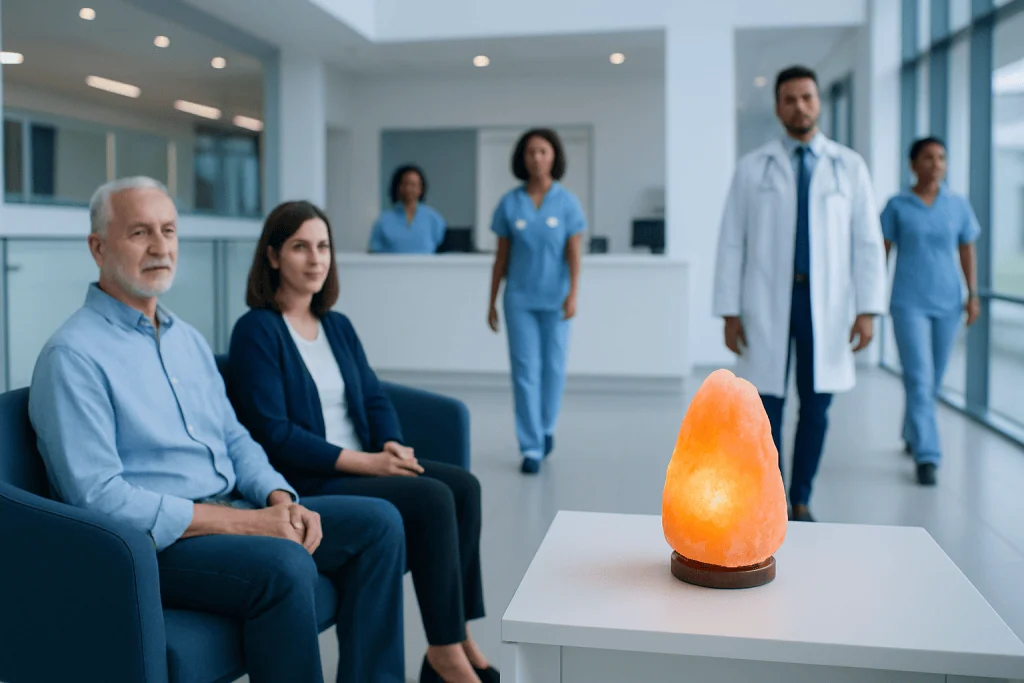
Salt lamps are mainly decorative, and proven health benefits are limited. There is no strong clinical evidence that salt lamps clean indoor air or treat medical conditions.
Key Takeaways
- Salt lamps are mainly decorative, and proven health benefits are limited.
- There is no strong clinical evidence that salt lamps clean indoor air or treat medical conditions.
- Some people may find the warm light relaxing, but this effect is not unique to salt lamps.
- Safety matters: keep salt lamps dry, use proper bulbs and cords, and place them away from children and pets.
- Symptoms such as wheezing, persistent cough, allergies, or poor sleep should be medically evaluated rather than managed with home products alone.
Salt lamps are popular home decor items, but current medical evidence does not support claims that they purify air, improve breathing, or treat illness. For most people, they are safe to use as ambient lighting when basic safety precautions are followed.
Overview: What Salt Lamps Can and Cannot Do
Salt lamps are carved blocks of salt, often marketed as wellness products that can cleanse the air, reduce allergies, improve mood, or support sleep. The most evidence-based answer is simpler: salt lamps may provide soft, warm lighting that some people find calming, but there is no strong medical proof that they deliver the broad health benefits often advertised.
Most salt lamps are made from pink rock salt and contain a small light bulb inside. The bulb warms the salt slightly and creates a gentle glow. While this can contribute to a comfortable atmosphere, claims about releasing large amounts of negative ions, removing indoor pollutants, or improving respiratory disease have not been clearly supported in high-quality human studies.
For patients and families, it helps to think of salt lamps as home decor rather than treatment. They are not a substitute for evidence-based care for asthma, allergies, sleep disorders, anxiety, or any other health condition. If a person enjoys the appearance of a salt lamp and uses it safely, it can be part of a pleasant living environment, but expectations should remain realistic.
Why People Use Salt Lamps
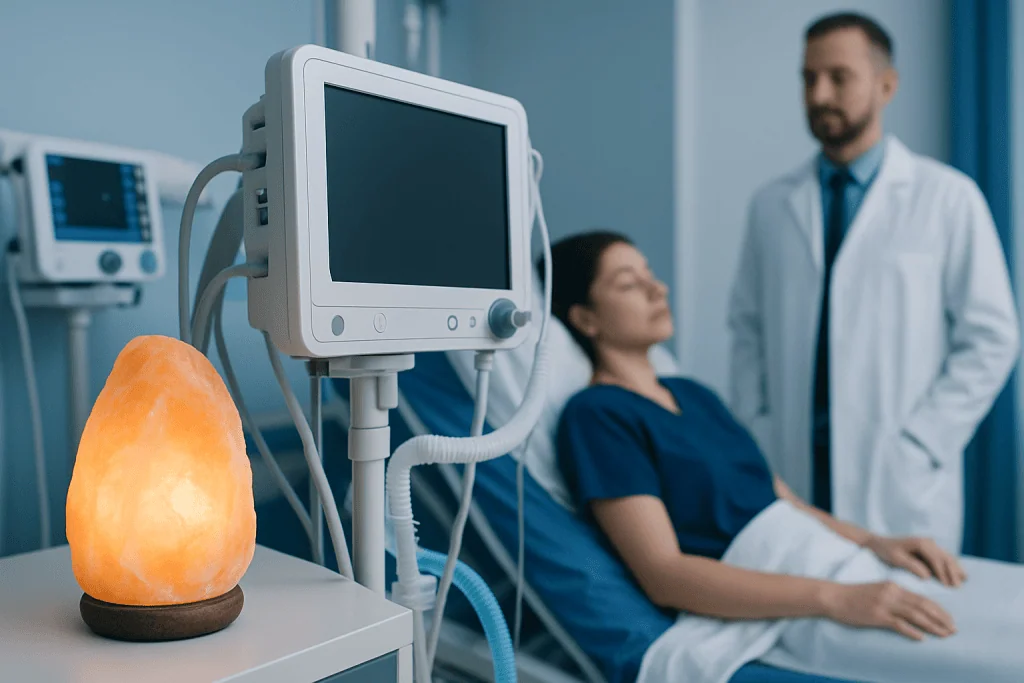
People are often drawn to salt lamps because of their natural look and warm orange-pink light. Low, indirect light in the evening can feel soothing and may help create a bedtime routine or a restful setting for reading, meditation, or quiet time. In that sense, a salt lamp may support comfort in the same way other dim decorative lights do.
Some users also buy salt lamps because they have heard claims that these products improve indoor air quality. Common marketing statements include the idea that the lamp attracts water from the air, traps dust or allergens, or balances electrically charged particles. These theories sound appealing, but they have not translated into clear, measurable health benefits in clinical practice.
It is also common for people with nasal congestion, seasonal allergies, or breathing concerns to look for non-drug options at home. That interest is understandable, but persistent respiratory symptoms should be assessed medically. If symptoms suggest a condition such as asthma, professional evaluation is much more useful than relying on a lamp or other wellness product.
What the Evidence Says

At present, there is no strong, high-quality evidence showing that salt lamps prevent disease or treat symptoms in a reliable way. Medical claims about detoxifying a room, significantly reducing allergens, or improving lung function have not been proven in well-designed human studies. This is the key point for patients who want an evidence-based answer.
One reason these claims are difficult to support is that indoor air quality depends on many factors, including ventilation, humidity, dust control, smoke exposure, mold, and the presence of pets or chemicals. A small decorative lamp is unlikely to have a meaningful effect on these complex environmental issues. When air quality is the goal, established approaches such as proper ventilation, avoiding smoking indoors, and using appropriate filtration are more credible.
There is a possible indirect benefit worth mentioning: soft evening light may help some people feel more relaxed. However, this is not a unique property of salt. Any gentle bedside or ambient light can create a similar effect, and there is no evidence that salt lamps themselves treat insomnia or other sleep disorders.
Patients should be cautious with health claims that sound scientific but lack clinical backing. Products marketed for wellness are not held to the same standard as medical treatments. If a symptom is ongoing, troubling, or getting worse, it is best to seek advice from a qualified clinician rather than assume a home product will solve the problem.
Potential Benefits and Realistic Expectations
Although salt lamps are not proven medical tools, they may still offer practical, everyday benefits for some households. Their warm glow can make a room feel comfortable and visually calming. For people trying to create a relaxing environment in the evening, this can be useful as part of a broader routine that includes consistent sleep habits, less screen exposure before bed, and a quiet bedroom.
Some individuals report that having a salt lamp nearby makes them feel calmer or more centered. Personal comfort matters, and there is no harm in enjoying a decorative object that adds to a sense of well-being. Still, it is important to distinguish between subjective enjoyment and medically demonstrated health effects.
Reasonable expectations include benefits such as ambiance, gentle night lighting, and aesthetic enjoyment. Less realistic expectations include expecting a salt lamp to treat allergies, stop snoring, remove substantial amounts of dust, or improve oxygen levels. When a person needs help for breathing, sleep, or persistent symptoms, evaluation and evidence-based care remain the appropriate next step.
- Possible realistic benefit: a calming atmosphere
- Possible realistic benefit: soft lighting for evening routines
- Not proven: air purification
- Not proven: treatment for allergy, asthma, anxiety, or sleep disorders
Risks, Safety, and Who Should Be Cautious
For most adults, salt lamps are low-risk when used correctly, but they are not completely without hazards. Because salt naturally attracts moisture, the surface can become damp in humid rooms. This may lead to water collecting under the lamp, which can damage furniture or create a slipping or electrical risk if the lamp is poorly maintained.
Electrical safety is important. The lamp should have a stable base, an appropriate bulb, and an undamaged cord. It should be placed away from sinks, bathtubs, and areas where it may be knocked over. As with other lighting products, overheating or faulty wiring can become a concern if the lamp is old, damaged, or used improperly.
Homes with pets or small children need extra care. Ingesting too much salt can be dangerous, particularly for cats and dogs if they lick or chew the lamp. Parents and pet owners should keep the lamp out of reach and watch for signs of unusual interest. If a child or pet ingests salt from a lamp, a clinician or poison advice service should be contacted promptly.
People with chronic symptoms should also be cautious in a different way: they should not delay medical care because a product is advertised as natural or gentle. For example, ongoing nasal blockage, recurrent wheezing, or loud snoring may need assessment by specialists in ear, nose, and throat care or sleep medicine rather than home experimentation alone.
Better-Supported Ways to Improve Air, Sleep, and Comfort at Home
Patients who are interested in salt lamps are often looking for relief from common concerns such as stuffy air, allergies, stress, or poor sleep. There are more evidence-based strategies for each of these goals. For indoor air, useful steps include improving ventilation, controlling dampness, cleaning visible dust, avoiding indoor smoking, and using air filtration when appropriate.
For allergy or sinus symptoms, identifying triggers matters more than adding decorative wellness products. Depending on the cause, treatment may include environmental measures, medical review, or procedures related to allergy care. If symptoms are severe or long-lasting, a doctor can help rule out infection, chronic sinus disease, asthma, or other conditions.
For sleep, good sleep hygiene is usually more helpful than any single device. Helpful habits include a consistent bedtime, limiting caffeine late in the day, keeping the bedroom dark and quiet, and reducing bright screen exposure before bed. If a person snores heavily, wakes unrefreshed, or feels sleepy during the day, assessment for sleep apnea treatment may be appropriate.
For stress or mood, gentle routines such as exercise, mindfulness, social support, and professional mental health care have far more evidence behind them than environmental products. A salt lamp may still be part of a restful space, but it should be viewed as a comfort item rather than a therapeutic intervention.
When to Seek Medical Care
A salt lamp should not be used to manage symptoms that may signal an underlying medical condition. Medical advice is appropriate if a person has persistent cough, wheezing, shortness of breath, repeated sinus infections, frequent allergy symptoms, poor sleep, or tiredness that affects daily life. These problems often have treatable causes, but they need a proper diagnosis.
Urgent care is important if there is severe difficulty breathing, chest pain, blue lips, confusion, or sudden worsening of respiratory symptoms. In children, breathing problems, poor feeding, unusual sleepiness, or signs of dehydration should be assessed promptly. These symptoms should never be attributed to indoor air or handled only with home remedies.
Professional assessment can also help when symptoms are vague but ongoing. A clinician may recommend examination, lung testing, allergy evaluation, sleep assessment, or imaging, depending on the pattern of symptoms. In selected cases, patients may benefit from a general medical check-up to identify contributing factors and build a sensible treatment plan.
For international patients who need further evaluation, Acibadem International’s multidisciplinary specialists and JCI-accredited hospitals diagnose and treat a wide range of respiratory, sleep, and ENT conditions using evidence-based care.
Frequently asked questions
Do salt lamps have proven health benefits?
Current medical evidence does not show that salt lamps provide clear, proven health benefits. They may create a relaxing atmosphere because of their soft light, but they have not been shown to treat illness or improve health in a reliable clinical way.
Can salt lamps purify the air?
There is no strong evidence that salt lamps meaningfully purify indoor air. Air quality is influenced by ventilation, humidity, smoke, dust, and other environmental factors that are not likely to be significantly changed by a small decorative lamp.
Are salt lamps helpful for allergies or asthma?
Salt lamps are not an evidence-based treatment for allergies or asthma. People with wheezing, recurrent cough, or breathing symptoms should seek medical assessment so the underlying cause can be identified and properly treated.
Can a salt lamp improve sleep?
A salt lamp may help create a calm bedtime environment because it gives off a dim, warm light. However, there is no good evidence that salt lamps directly treat insomnia or other sleep disorders.
Are salt lamps safe to use at home?
They are generally safe when used as intended, with a stable base, proper bulb, and undamaged electrical cord. They should be kept dry and placed away from children and pets, since salt ingestion and electrical hazards are possible.
Why do some people say they feel better with a salt lamp?
Some people enjoy the look and soft lighting of salt lamps, which may help them feel calmer or more comfortable. This personal experience can be real, but it does not mean the lamp is producing proven medical effects.
This article is for general information only and is not a substitute for professional medical advice. Please consult a qualified doctor about your individual situation.
Explore treatments in Turkey — costs, top hospitals & a free quote
JCI-accredited · board-certified surgeons · reply within 24h
Add us as a Preferred Source to see more of our trusted health content across Google Search, AI Overviews and Discover.

More from the Health Library

Gagging: A Complete Medical Overview

Types of Cardio — Explained by Medical Evidence, Not Myths

Chiari Malformation — Explained by Medical Evidence, Not Myths

Silent Reflux Baby: What Patients Need to Know

Orthopnea — Explained by Medical Evidence, Not Myths