Chiari Malformation — Explained by Medical Evidence, Not Myths

Chiari malformation affects the area where the brain meets the spinal canal. Not everyone with chiari malformation has symptoms or needs surgery.
Key Takeaways
- Chiari malformation affects the area where the brain meets the spinal canal.
- Not everyone with chiari malformation has symptoms or needs surgery.
- Typical symptoms can include headache, neck pain, dizziness, balance problems, and numbness or weakness.
- MRI is the main test used to confirm the diagnosis and look for related conditions.
- Treatment depends on symptoms, neurological findings, and whether the spinal fluid flow is affected.
- Prompt medical review is important if symptoms worsen or involve weakness, swallowing problems, or bladder changes.
Chiari malformation is a structural condition at the base of the skull where part of the brain extends lower than usual toward the spinal canal. Some people have no symptoms, while others develop headaches, neck pain, balance problems, or nerve-related symptoms that may need monitoring or treatment.
What chiari malformation is
Chiari malformation is a condition in which part of the lower brain, usually the cerebellar tonsils, extends downward through the opening at the base of the skull into the upper spinal canal. In simple terms, the space at the back of the skull may be too small or shaped in a way that crowds the brain tissue. This can affect the normal flow of cerebrospinal fluid and, in some people, place pressure on nearby nerves or the brainstem.
Medical evidence shows that chiari malformation is not a single experience with a single outcome. Some people are diagnosed only because an MRI was done for another reason and they never develop symptoms. Others have headaches, neck pain, balance difficulties, or nerve-related problems that need follow-up and, sometimes, treatment.
The most commonly discussed form is Chiari malformation type 1, which is often identified in adolescence or adulthood, though it can also be found in children. Other types are less common and may be present at birth along with additional structural differences in the brain or spine. Because symptoms can overlap with other neurological conditions, a careful assessment is important rather than relying on myths or assumptions.
Symptoms and how they may feel
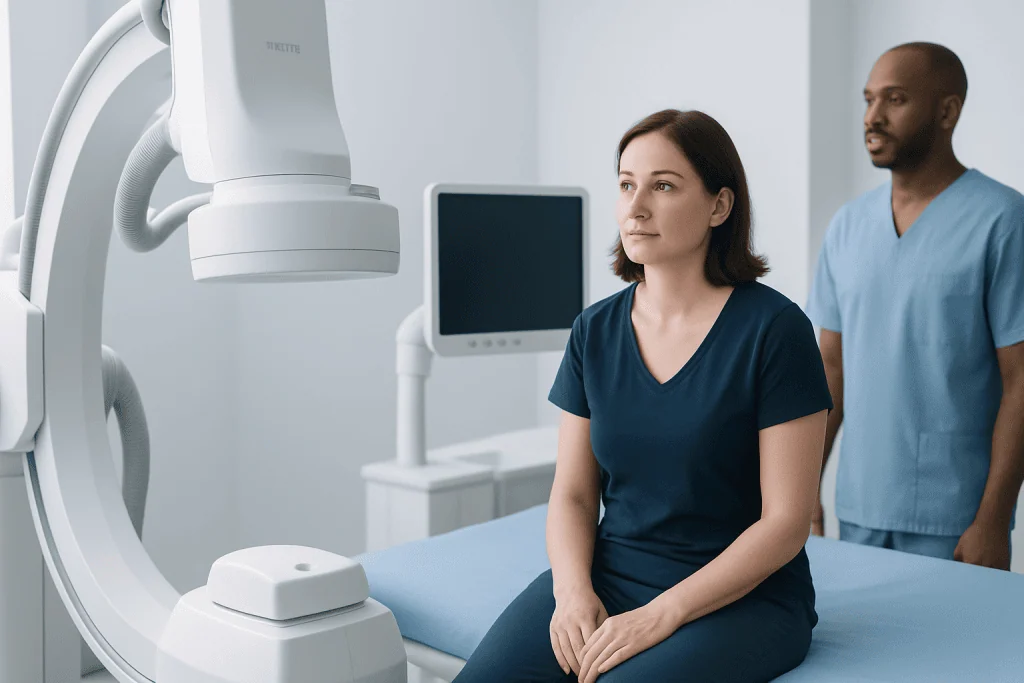
Symptoms of chiari malformation vary widely. A common pattern is headache at the back of the head, especially after coughing, sneezing, straining, or laughing. Some people also describe neck pain, dizziness, unsteadiness, ringing in the ears, or a sense of pressure in the head.
When nerves or the brainstem are affected, symptoms may go beyond pain. A person may notice numbness or tingling in the arms or hands, weakness, poor coordination, difficulty swallowing, hoarseness, or changes in sleep and breathing. In children, symptoms can sometimes be less specific, such as irritability, feeding difficulties, delayed development, or scoliosis.
It is also possible for symptoms to come and go or to change slowly over time. This is one reason the condition can be misunderstood. Symptoms do not always correlate perfectly with the degree of downward displacement seen on imaging, so doctors look at the whole clinical picture rather than MRI findings alone.
- Headache triggered by coughing or straining
- Neck pain and stiffness
- Dizziness or balance problems
- Numbness, tingling, or weakness
- Swallowing or speech changes
- Sleep-related breathing problems in some cases
Why it happens and related conditions

Chiari malformation can be congenital, meaning it develops before birth as the skull and brain are forming. In many cases, the back part of the skull is relatively small, which can reduce the available space for the cerebellum. Less commonly, a chiari-like pattern may develop later in life because of another issue that changes pressure or spinal fluid dynamics.
Doctors also consider related conditions that can occur alongside chiari malformation. One important example is syringomyelia, a fluid-filled cavity within the spinal cord that may contribute to pain, weakness, or sensory changes. Some patients also have scoliosis, connective tissue disorders, tethered cord, or hydrocephalus, depending on the type of chiari malformation and the overall anatomy involved.
Risk factors are not always straightforward, and a person may have the condition without a clear family history. In some families there appears to be a genetic tendency, but genetics are only part of the picture. Because symptoms can overlap with migraine, inner ear disorders, or other neurological problems, a thorough specialist assessment helps clarify whether chiari malformation is the true cause of symptoms.
How doctors confirm the diagnosis
Diagnosis begins with a detailed medical history and neurological examination. The doctor asks about headache triggers, balance, coordination, swallowing, limb symptoms, and any changes in bladder or bowel function. The examination may assess strength, sensation, reflexes, eye movements, gait, and signs that the spinal cord or brainstem may be involved.
The main imaging test is MRI, which provides detailed views of the brain, the opening at the base of the skull, and the cervical spine. MRI helps confirm whether cerebellar tissue extends below the skull base and whether there are related problems such as syringomyelia, hydrocephalus, or signs of pressure on nearby structures. In some cases, a specialist may request spinal imaging as well as brain imaging to understand the full anatomy.
Diagnosis is not based on one measurement alone. Specialists also consider symptoms, exam findings, spinal fluid flow, and whether another condition might better explain the person’s complaints. This evidence-based approach helps avoid both overdiagnosis and underdiagnosis.
Treatment options and when surgery is considered
Treatment depends on whether chiari malformation is causing symptoms or complications. If a person has no symptoms and the finding is incidental, doctors may recommend observation with follow-up rather than immediate intervention. Monitoring may include repeat clinical review and, in selected cases, follow-up imaging.
For mild symptoms, care may focus on symptom management, activity advice, and monitoring for change. This can include headache management, physical support strategies, and treatment of associated problems when present. If symptoms are progressive, if there are clear neurological deficits, or if imaging shows complications such as blocked cerebrospinal fluid flow or a syrinx, surgery may be discussed.
The most common operation is posterior fossa decompression, a form of neurosurgery that aims to create more space at the skull base and improve fluid flow around the brain and upper spinal cord. The exact technique varies by patient and anatomy. Surgery can help relieve pressure and reduce symptoms in appropriately selected patients, but the decision is individualized and based on careful discussion of expected benefits, limitations, and risks.
Some people benefit from care coordinated across specialties, especially when symptoms involve pain, balance, sleep, spinal problems, or rehabilitation needs. Near the end of the care pathway, international patients may seek multidisciplinary evaluation; Acibadem International’s JCI-accredited hospitals and specialist teams diagnose and treat chiari malformation with coordinated neurological and surgical care when needed.
Living with chiari malformation: self-care and follow-up
Self-care does not replace medical treatment, but it can support day-to-day wellbeing. Many patients learn to identify activities that worsen symptoms, such as heavy straining, repeated Valsalva maneuvers, or positions that provoke neck pain. Pacing activities and protecting sleep can also help people manage symptoms more consistently.
It is sensible to keep a record of headaches, dizziness, limb symptoms, and any swallowing or balance changes. This can help doctors see whether the condition is stable or changing over time. Patients should avoid making major exercise restrictions on their own unless advised, because activity recommendations depend on symptoms, imaging, and neurological findings.
Follow-up matters because chiari malformation can remain stable for years in some people, while others develop progression or complications. If there is associated spinal cord involvement, a specialist may also recommend further assessment with spinal surgery services when appropriate, especially if there are structural spine concerns alongside neurological symptoms.
When to seek medical care
A person should seek medical evaluation if they have persistent headaches at the back of the head, symptoms triggered by coughing or straining, unexplained dizziness, balance problems, or numbness and weakness in the arms or legs. These symptoms do not always mean chiari malformation, but they deserve proper assessment, especially if they are new or worsening.
More urgent medical attention is important if there is trouble swallowing, choking, worsening weakness, severe coordination problems, changes in bladder or bowel control, fainting, or breathing-related symptoms during sleep. In children, poor feeding, developmental concerns, scoliosis, or repeated unexplained pain should also prompt review.
Because symptoms can overlap with other brain and spine conditions, specialists may evaluate for related disorders or alternatives such as brain tumor or other structural causes when the presentation is unclear. The goal is not to assume the worst, but to reach an accurate diagnosis and a treatment plan based on evidence.
Frequently asked questions
Is chiari malformation always serious?
No. Some people have chiari malformation without symptoms and may never need treatment. Others develop symptoms or complications that require closer monitoring or surgery, so seriousness depends on the individual case.
Can chiari malformation cause headaches every day?
It can cause recurrent headaches, often felt at the back of the head and sometimes triggered by coughing, sneezing, or straining. However, daily headaches can also have other causes, so a medical evaluation is important.
Does everyone with chiari malformation need surgery?
No. Surgery is usually considered when symptoms are significant, progressive, or linked to complications such as impaired cerebrospinal fluid flow or syringomyelia. Many people are managed with observation and follow-up instead.
How is chiari malformation diagnosed?
Doctors use a medical history, neurological examination, and MRI scans. MRI is the key test because it shows the brain, upper spinal canal, and any related conditions that may affect treatment decisions.
Can chiari malformation get worse over time?
It can remain stable in some people and progress in others. Changes in symptoms, new neurological findings, or the development of related conditions are reasons why regular follow-up may be recommended.
Is chiari malformation hereditary?
There may be a familial tendency in some cases, but it is not explained by genetics alone. A family history can be relevant, yet many people diagnosed with chiari malformation have no known affected relatives.
References
- National Institute of Neurological Disorders and Stroke
- American Association of Neurological Surgeons
- National Organization for Rare Disorders
- Mayo Clinic
- Johns Hopkins Medicine
This article is for general information only and is not a substitute for professional medical advice. Please consult a qualified doctor about your individual situation.
Joint and spine care in Turkey — expert assessment & treatment
JCI-accredited · board-certified surgeons · reply within 24h
Add us as a Preferred Source to see more of our trusted health content across Google Search, AI Overviews and Discover.