Scaling and Root Planing: A Complete Medical Overview

Scaling and root planing is a deep cleaning that treats gum disease below the gumline. The procedure removes hardened deposits and smooths root surfaces to help gums reattach.
Key Takeaways
- Scaling and root planing is a deep cleaning that treats gum disease below the gumline.
- The procedure removes hardened deposits and smooths root surfaces to help gums reattach.
- It is often done with local anesthesia and may be completed in one or more visits.
- Good brushing, flossing, and follow-up dental care are important for long-term results.
- Persistent bleeding gums, bad breath, or loose teeth should be assessed by a dentist or periodontist.
Scaling and root planing is a non-surgical periodontal treatment used to remove plaque, tartar, and bacteria from below the gumline and smooth the tooth roots so the gums can heal. It is commonly recommended for early to moderate gum disease and can help reduce inflammation, bleeding, and pocket depth when combined with good home care.
Overview: what scaling and root planing does
Scaling and root planing is a deep dental cleaning used to treat gum disease when plaque, tartar, and bacteria have spread below the gumline. In simple terms, scaling removes buildup from the teeth and beneath the gums, while root planing smooths the root surfaces so the gum tissue can heal more effectively and reattach more closely to the teeth.
This procedure is usually recommended for people with gingivitis that has progressed or for early to moderate periodontitis. It is not the same as a routine dental cleaning. A regular cleaning focuses mainly on the visible tooth surfaces above the gumline, while scaling and root planing is aimed at infected areas inside periodontal pockets.
The goal is to reduce inflammation, bleeding, pocket depth, and bacterial load. In many cases, this non-surgical approach can slow or stop the progression of periodontal disease and lower the need for more invasive treatment later. If gum disease is advanced, additional care may still be needed.
Why it may be recommended
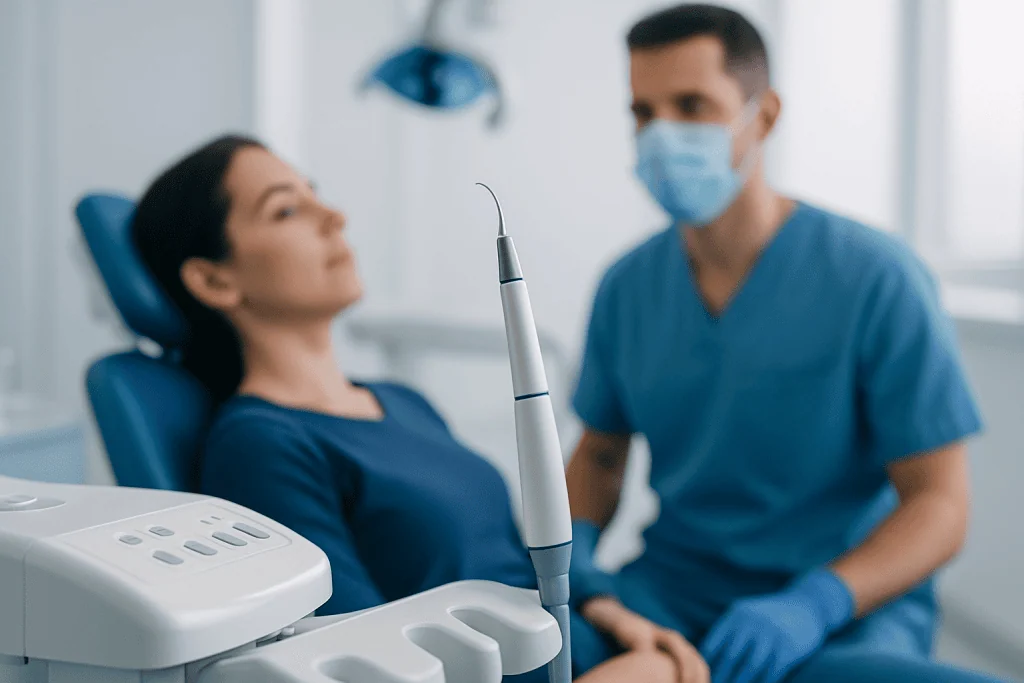
Dentists and periodontists recommend scaling and root planing when there are signs that gum disease is affecting the tissues that support the teeth. These signs may include swollen or bleeding gums, persistent bad breath, gum recession, deep periodontal pockets, or visible tartar around and under the gumline.
Healthy gums fit snugly around each tooth. When plaque bacteria remain on the teeth, the body responds with inflammation. Over time, this can cause the gums to pull away, creating spaces or pockets where more bacteria collect. Once tartar forms below the gumline, it cannot be removed by brushing alone, and professional treatment becomes important.
Scaling and root planing is often one of the first-line treatments for gum disease because it targets the cause of ongoing irritation rather than only the symptoms. It may also be advised before considering other periodontal procedures if the aim is to see how much healing can occur with conservative care.
Symptoms and signs of periodontal disease

Gum disease can develop gradually, and many people do not notice it early on because discomfort may be mild or absent. Bleeding during brushing or flossing is one of the most common early warning signs. Gums may also look redder than usual, feel tender, or appear puffy.
As the condition progresses, symptoms may include chronic bad breath, a bad taste in the mouth, gum recession, sensitivity near the roots, and teeth that seem longer because more root surface is exposed. Some people notice small spaces between the teeth widening or feel that their bite has changed.
More advanced disease can affect the bone and ligaments that hold the teeth in place. Warning signs include loose teeth, pain when chewing, or pus around the gums. These symptoms do not always mean severe disease, but they do warrant prompt professional evaluation.
- Bleeding gums during brushing or flossing
- Red, swollen, or tender gums
- Persistent bad breath
- Receding gums or tooth sensitivity
- Loose teeth or changes in bite
How the procedure is performed
Before treatment, the dental team usually performs a periodontal assessment. This may include measuring pocket depths around each tooth, examining bleeding and gum recession, and taking dental X-rays if needed to check for bone loss. These findings help determine whether scaling and root planing is appropriate and how many areas need treatment.
During the procedure, local anesthesia is commonly used to keep the area comfortable. The clinician removes plaque and tartar from above and below the gumline using hand instruments, ultrasonic devices, or both. The root surfaces are then carefully smoothed to reduce places where bacteria can collect and to support gum healing.
Treatment may be completed in one long appointment or divided into several visits by sections of the mouth. Afterward, mild tenderness, temporary sensitivity, or light bleeding can occur for a short time. Some patients are also advised to use an antimicrobial mouth rinse or return for a review to check how the tissues are responding.
In selected cases, a dentist may combine this with other dental treatments as part of a broader plan to restore oral health. The exact approach depends on pocket depth, the amount of tartar present, overall dental condition, and any medical factors that may affect healing.
Benefits, limits, and possible next steps
The main benefit of scaling and root planing is that it addresses gum disease at its source by removing bacterial deposits below the gumline. When successful, it can reduce gum bleeding, swelling, and pocket depth, while making daily brushing and flossing more effective. It can also help preserve the structures that support the teeth.
However, results depend on the severity of disease and on ongoing oral hygiene. If pockets remain deep or inflammation persists, further treatment may be needed. Some patients with advanced periodontitis may require periodontal surgery, regenerative procedures, or tooth stabilization. A clinician may also evaluate whether related concerns such as tooth loss risk are increasing.
Follow-up care is an important part of success. Many people need periodontal maintenance visits more often than routine cleanings so that any returning buildup or inflammation can be managed early. Long-term control is usually a shared effort between professional care and home care.
Recovery and self-care after treatment
Most people recover quickly after scaling and root planing. The gums may feel tender for a few days, and cold sensitivity can temporarily increase because inflamed tissue begins to shrink and more root surface may be exposed. Soft foods, avoiding very hot or very cold drinks for a short period, and using any recommended toothpaste can help during this phase.
Daily oral hygiene remains essential. Brushing twice a day with a soft-bristled toothbrush, cleaning between the teeth with floss or interdental brushes, and following the dentist’s advice on mouth rinses all help lower bacterial buildup. Tobacco use can impair gum healing, so stopping smoking or other nicotine use is strongly encouraged.
It is also helpful to keep follow-up appointments so the dentist or periodontist can measure healing and check whether pockets are becoming shallower. If disease control is difficult despite good home care, additional evaluation may be needed to look for contributing factors such as dry mouth, diabetes, or bite-related problems. For some patients, broader restorative care such as dental implant planning is considered only after gum health is stable.
Prevention and when to seek medical care
The best way to prevent the need for scaling and root planing is to reduce plaque buildup every day and to attend regular dental checkups. Brushing carefully along the gumline, cleaning between the teeth, limiting tobacco exposure, and managing general health conditions such as diabetes all support healthier gums. Professional cleanings help remove tartar before it causes deeper irritation.
People with a history of periodontal disease often need closer monitoring because gum problems can recur even when there is little discomfort. Wearing appliances as directed, replacing worn toothbrushes, and asking a dental professional about the most effective cleaning tools for crowded teeth or bridges can also help protect the gums over time.
Medical or dental care should be sought if there is persistent gum bleeding, swelling that does not improve, foul breath that continues despite cleaning, pain when chewing, gum recession, or a tooth that feels loose. Prompt assessment is especially important for people with diabetes, weakened immunity, or symptoms of spreading infection such as fever or facial swelling.
For patients who need coordinated care, Acibadem International’s multidisciplinary specialists in JCI-accredited hospitals diagnose and treat periodontal conditions for international patients, including access to periodontology care when appropriate.
Frequently asked questions
Is scaling and root planing the same as a regular dental cleaning?
No. A regular cleaning mainly removes plaque and tartar from above the gumline, while scaling and root planing also cleans below the gums and smooths the root surfaces. It is usually recommended when gum disease has created pockets around the teeth.
Is scaling and root planing painful?
The procedure is commonly done with local anesthesia to keep the treated area comfortable. Some tenderness or sensitivity afterward is possible, but it is usually temporary. A dentist can explain ways to manage discomfort based on the person's needs.
How long does it take to heal after scaling and root planing?
Many people feel back to normal within a few days, although the gums continue healing for longer. Improvement in bleeding and swelling may become more noticeable over the following weeks. Follow-up visits help confirm that the tissues are responding well.
Can gum disease come back after scaling and root planing?
Yes, it can return if plaque continues to build up or if follow-up care is missed. Good brushing, flossing or interdental cleaning, and regular periodontal maintenance are important for keeping the disease under control. Smoking and uncontrolled diabetes can also make recurrence more likely.
Who usually needs scaling and root planing?
It is often recommended for people with signs of periodontitis or gum pockets that cannot be managed with routine cleaning alone. A dentist or periodontist decides based on the gum examination, pocket measurements, and sometimes dental X-rays. Not everyone with mild gum irritation will need this treatment.
What should someone avoid after the procedure?
For a short time, it may help to avoid very hard foods and extremely hot or cold items if the teeth feel sensitive. Tobacco use is best avoided because it can delay gum healing. Patients should also follow any specific instructions given by their dental team.
This article is for general information only and is not a substitute for professional medical advice. Please consult a qualified doctor about your individual situation.
Explore treatments in Turkey — costs, top hospitals & a free quote
JCI-accredited · board-certified surgeons · reply within 24h
Add us as a Preferred Source to see more of our trusted health content across Google Search, AI Overviews and Discover.

More from the Health Library

Bishop Score: A Complete Medical Overview

Thanatophobia: What Patients Need to Know

Copper Bracelet Benefits: A Complete Medical Overview

Blood and Blood Groups — Explained by Medical Evidence, Not Myths

Yoni Massage: An Evidence-Based Guide for Patients