Sdr Surgery: Procedure, Recovery and Results
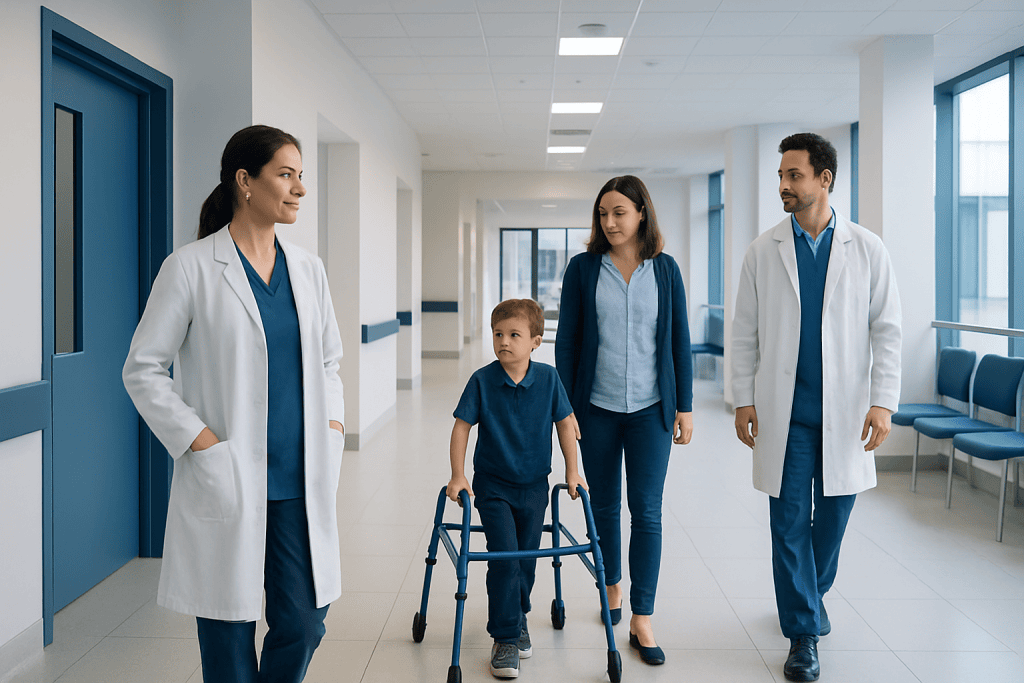
SDR surgery selectively divides sensory nerve rootlets that contribute to spasticity, not the nerves that directly make muscles move. Careful assessment of movement, strength, hip and spine health, brain imaging and rehabilitation potential is essential before surgery.
Key Takeaways
- SDR surgery selectively divides sensory nerve rootlets that contribute to spasticity, not the nerves that directly make muscles move.
- Careful assessment of movement, strength, hip and spine health, brain imaging and rehabilitation potential is essential before surgery.
- Most children need inpatient recovery followed by months to years of regular physiotherapy and home exercise.
- The main potential benefit is lasting reduction in leg stiffness; functional gains vary according to the child’s baseline abilities and rehabilitation.
- Possible complications include sensory changes, weakness, bladder or bowel problems, wound complications and spinal alignment concerns.
- SDR is not suitable for every child with cerebral palsy and should be considered by an experienced multidisciplinary team.
SDR surgery, or selective dorsal rhizotomy, is a neurosurgical procedure used to permanently reduce muscle spasticity in selected children with spastic cerebral palsy. It works best when surgery is paired with a structured, long-term rehabilitation programme that builds strength, balance and functional movement.
Overview: what is SDR surgery?
SDR surgery, short for selective dorsal rhizotomy, is an operation designed to reduce spasticity—ongoing muscle tightness caused by abnormal nerve signals—in the legs. It is most often considered for selected children with spastic cerebral palsy, particularly when leg stiffness interferes with walking, comfort, care or everyday activities despite rehabilitation and other treatments.
During the operation, a neurosurgeon identifies and selectively divides tiny sensory nerve rootlets in the lower spine that are sending excessive signals into the spinal reflex circuits. The aim is to reduce involuntary muscle overactivity while preserving useful sensation and voluntary movement. SDR does not cure cerebral palsy or reverse the original brain injury, but it may create a better foundation for movement training.
The change in spasticity is intended to be permanent. However, surgery is only one part of treatment: a child’s progress depends greatly on preoperative strength, motor control, goals and commitment to intensive rehabilitation. Families are usually supported by specialists in neurosurgery, rehabilitation medicine, physiotherapy, orthopaedics and paediatric neurology.
How SDR works and who may be a candidate
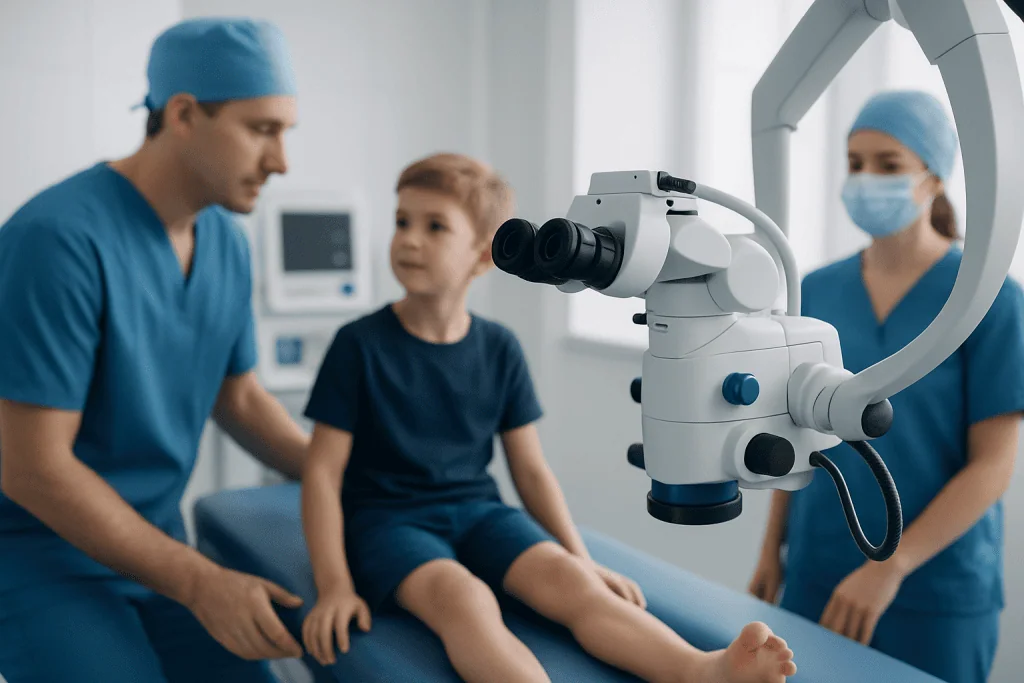
Spasticity occurs when an injury to the developing brain disrupts normal control of movement. In some children, sensory input from muscles and joints triggers overly strong reflex responses in the spinal cord, making muscles feel tight and difficult to control. Selective dorsal rhizotomy reduces selected sensory input to lessen these reflex responses. It is therefore different from surgery on muscles, tendons or bones.
Selection is individual. Candidates commonly have predominantly spastic cerebral palsy affecting both legs, enough underlying strength to participate in active rehabilitation, and goals that are likely to improve with reduced spasticity. Children who can walk independently or with aids may be assessed, but some non-ambulant children may also be considered for goals such as comfort, positioning or easier care.
Assessment usually includes a detailed neurological and physical examination, gait and functional evaluation, review of brain and spine imaging where appropriate, and discussion of previous treatments. The team also considers fixed joint contractures, significant dystonia, severe weakness, uncontrolled epilepsy, hip instability, scoliosis, medical conditions and the family’s ability to attend rehabilitation. Information about the underlying condition can be found in cerebral palsy.
- Spasticity should be a major contributor to the child’s movement difficulties.
- There should be realistic, agreed goals for function, comfort or care.
- The child and caregivers need a practical plan for prolonged therapy after surgery.
- Assessment should be performed by a team experienced in both SDR and cerebral palsy rehabilitation.
SDR procedure: step by step
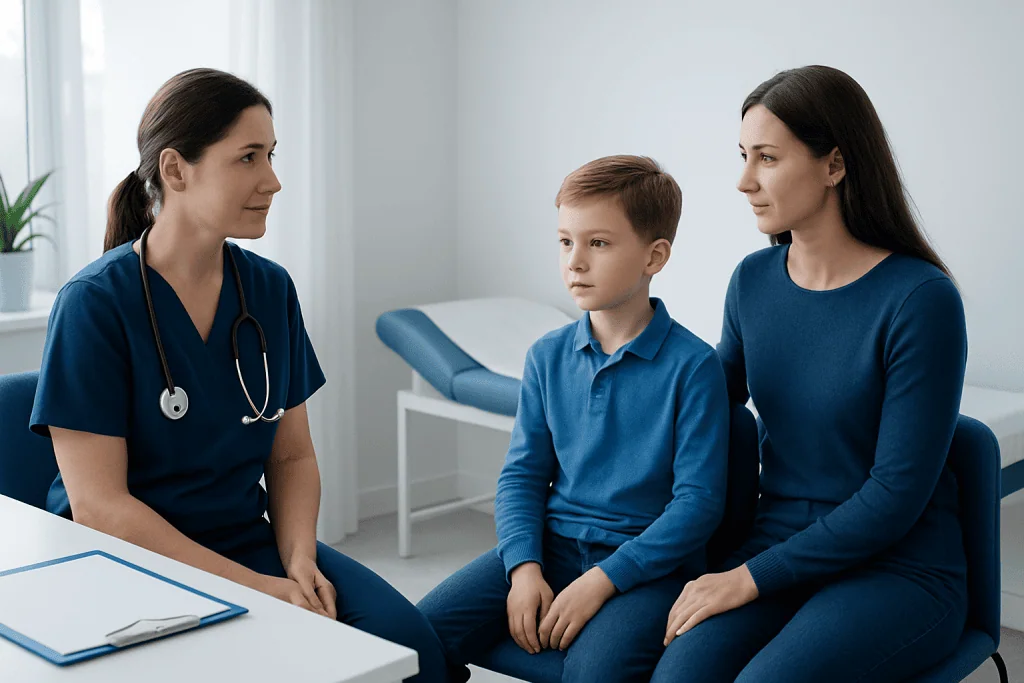
Before surgery, the child has a pre-anaesthetic assessment and the team reviews imaging, mobility goals and postoperative rehabilitation planning. SDR is performed under general anaesthesia, so the child is asleep and does not feel the procedure. The surgical approach varies by centre but commonly involves a small opening in the lower back to reach the relevant spinal nerve roots.
The surgeon exposes the dorsal, or sensory, nerve roots and separates them into fine rootlets. Electrical stimulation and monitoring may be used alongside anatomical assessment to help distinguish rootlets that appear to contribute most to abnormal reflex activity. Selected rootlets are divided, while others are preserved. The motor roots, which carry signals from the spinal cord to muscles, are not the target of the procedure.
After the nerve rootlets have been addressed, the tissues are closed and the child is monitored in hospital. The operation may take several hours, but families should expect the total hospital day to be longer because of anaesthesia preparation and recovery. The exact technique, length of stay and early mobility plan can differ according to the child’s needs and the treating centre.
For families exploring surgical care, selective dorsal rhizotomy treatment should include a comprehensive review of suitability, expected rehabilitation needs and alternatives before a decision is made.
Benefits, results and realistic expectations
The most consistent result of SDR is a substantial and lasting reduction in lower-limb spasticity. With less involuntary tightness, some children find it easier to place their feet, move through a fuller range of motion, practise walking patterns, tolerate standing equipment or manage personal care. Reduced muscle spasms and improved comfort can also be important goals.
Functional results are more variable than the reduction in spasticity itself. A child may gain improved balance, walking efficiency, transfers or independence over time, but these changes require strengthening and motor retraining. Some children continue to need walking aids, orthoses or other treatments. Fixed contractures, bone alignment differences and weakness that existed before surgery are not automatically corrected by SDR.
Long-term outcomes should be discussed in relation to the individual child rather than promises of a particular walking level. Rehabilitation professionals use standardised assessments before and after surgery to measure tone, range of motion, strength, gait, daily function and participation. Orthopaedic follow-up remains important, since cerebral palsy can continue to affect growth, hips, feet and spinal alignment.
Children may also benefit from coordinated paediatric rehabilitation and, when indicated, orthopaedic assessment for issues that are separate from spasticity.
What is the success rate of SDR surgery?
There is no single success rate for SDR surgery because “success” can mean different things: reduced spasticity, easier daily care, improved gait, less pain or greater independence. Research and clinical experience generally show that appropriately selected children have a reliable, sustained reduction in spasticity after SDR. The degree of improvement in walking and other activities varies more widely.
Results are influenced by the child’s type and distribution of cerebral palsy, existing strength and selective motor control, fixed muscle or joint shortening, hip and spine health, age and the quality and consistency of rehabilitation. A child who has less spasticity after surgery may still need considerable time to learn new movement patterns and build strength.
Families can ask the treating team how outcomes are measured for children with similar functional profiles, which goals are realistic, and what support will be available after discharge. A careful preoperative assessment is the best way to understand the likely balance of benefit and burden for an individual child.
Recovery timeline: how long does it take to recover from SDR surgery?
Recovery from SDR occurs in stages. In the first days after surgery, children are monitored for pain, wound healing, bladder and bowel function, sensation and leg movement. They may initially be asked to lie flat or limit certain movements, depending on the surgical technique and the team’s protocol. Early postoperative weakness and altered sensations can occur because the child is adjusting to reduced spasticity.
Hospital stays vary, but many children begin gentle therapy before going home or transferring to a rehabilitation setting. In the first several weeks, the focus is usually on safe transfers, positioning, range-of-motion work, wound care and gradually increasing activity. Fatigue is common, and a child’s pace should be guided by the surgical and rehabilitation teams.
Intensive physiotherapy commonly continues for many months, with ongoing therapy and home exercises often needed for a year or longer. Strength, endurance, balance and new movement skills develop gradually. School return and everyday routines should be planned individually, taking account of comfort, mobility, therapy appointments and energy levels.
How long should you rest after a rhizotomy? Rest is most important during the immediate healing period, but prolonged bed rest is generally not the overall goal. The surgical team gives specific restrictions, while rehabilitation progressively introduces safe movement and exercise. Caregivers should follow the child’s personalised plan rather than comparing timelines with other children.
What are the risks of SDR surgery?
SDR is major spinal surgery and has potential risks, even when performed by an experienced team. General surgical risks include anaesthetic reactions, bleeding, infection, wound problems, blood clots and cerebrospinal fluid leakage. The care team takes steps to reduce these risks and monitors children closely after the operation.
Procedure-specific concerns can include temporary or persistent numbness, tingling or unusual sensations in the legs; weakness; balance difficulties; bladder or bowel changes; and pain. Because spasticity may previously have helped compensate for underlying weakness, some children initially appear weaker and need extensive strengthening. Rarely, neurological complications can be more significant.
Longer-term follow-up may include monitoring for spinal alignment changes and orthopaedic issues, especially during growth. SDR does not prevent all future musculoskeletal problems related to cerebral palsy, and some children may later need orthoses, medication, botulinum toxin injections or orthopaedic treatment for specific concerns.
Families should seek urgent advice after discharge for fever, increasing wound redness or drainage, severe or worsening headache, new marked weakness, loss of bladder or bowel control, uncontrolled pain, or symptoms that concern them. Clear discharge instructions should identify whom to contact day and night.
When to seek medical care and ongoing support
A referral for specialist assessment may be helpful when spasticity causes pain, repeated spasms, difficulty with walking or transfers, reduced comfort, challenges with hygiene or dressing, sleep disruption, or increasing difficulty using braces and mobility equipment. SDR is not an emergency treatment, but early discussion can help families understand the range of options and plan care around growth and rehabilitation needs.
Children with sudden changes in movement, new severe pain, new loss of skills, fever with neurological symptoms, or changes in bladder or bowel control need prompt medical assessment. These symptoms may have causes other than spasticity and should not be assumed to be part of cerebral palsy.
Management may include physiotherapy, occupational therapy, orthoses, medicines, focal injections, orthopaedic care or neurosurgical procedures, depending on the child’s goals and findings. Acibadem International’s multidisciplinary specialists and JCI-accredited hospitals assess and treat children with spasticity and cerebral palsy for international patients, with treatment planning centred on individual needs.
Families should maintain regular follow-up with their child’s rehabilitation and medical teams after SDR. Ongoing review supports safe exercise progression, equipment adjustments, monitoring of hip and spine development, and timely management of new concerns.
Frequently asked questions
Is SDR surgery permanent?
Yes. The selected sensory nerve rootlets that are divided during selective dorsal rhizotomy do not regrow in the same way, so the reduction in spasticity is intended to be permanent. However, cerebral palsy-related movement, strength and orthopaedic needs can still change as a child grows.
Is SDR surgery only for children?
SDR is most commonly performed in carefully selected children with spastic cerebral palsy because it can be combined with rehabilitation during development. In some settings, selected adults may be assessed, but candidacy and expected benefits require individual specialist evaluation.
Will a child walk after SDR surgery?
SDR cannot guarantee that a child will walk or walk independently. For children who already walk, the goal may be to improve comfort, efficiency, balance or quality of movement. Outcomes depend on many factors, including strength, motor control, joint range of motion and rehabilitation.
Does SDR surgery weaken the legs?
Children can appear weaker after SDR because spasticity previously added stiffness that may have helped them stand or move. The surgery is designed to preserve motor nerve roots, but strengthening and movement retraining are essential parts of recovery. Some pre-existing weakness may remain after surgery.
How painful is recovery after SDR?
Pain is expected after spinal surgery, particularly in the first days, but it is managed with an individual pain-control plan. Children may also experience temporary muscle soreness, tingling or sensitivity as they begin moving more. The team will advise caregivers on pain management and symptoms that need review.
What happens if SDR is not suitable?
If SDR is not appropriate, other approaches may help manage spasticity and its effects. These can include physiotherapy, stretching programmes, orthoses, medication, focal injections, equipment changes and orthopaedic procedures. The best plan is based on the child’s symptoms, functional goals and overall health.
References
- National Institute for Health and Care Excellence
- American Academy for Cerebral Palsy and Developmental Medicine
- Cerebral Palsy Foundation
- NHS
- American Association of Neurological Surgeons
This article is for general information only and is not a substitute for professional medical advice. Please consult a qualified doctor about your individual situation.
Explore treatments in Turkey — costs, top hospitals & a free quote
JCI-accredited · board-certified surgeons · reply within 24h
Add us as a Preferred Source to see more of our trusted health content across Google Search, AI Overviews and Discover.